Source Industrial Use Diesel Generator with ATS for construction, mining, emergency
Compare 30 Industrial Use Diesel Generator with ATS units featuring AC three-phase output, various cooling methods, and automation options. Buyers can review specifications like rated power from 10kW to 500kW and origin locations in China; compare the available evidence and request quotations based on your requirements.
Updated
Key considerations
Products List


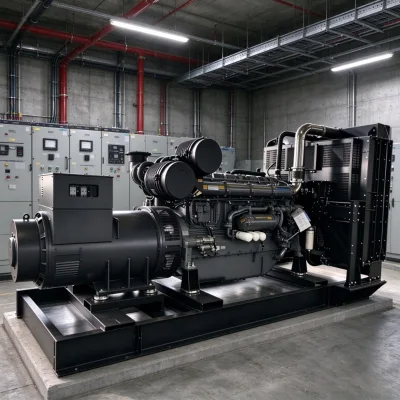
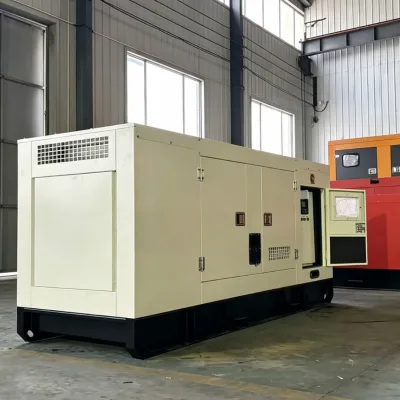
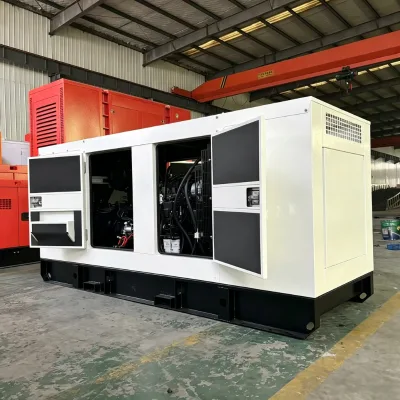
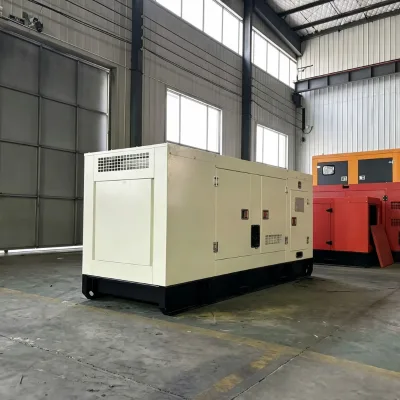
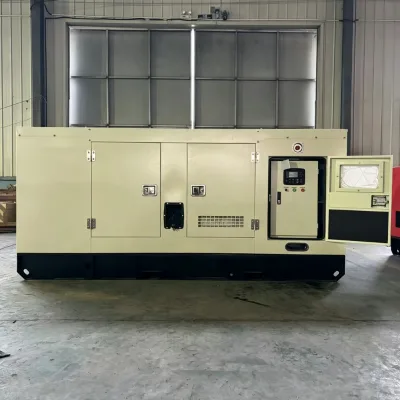
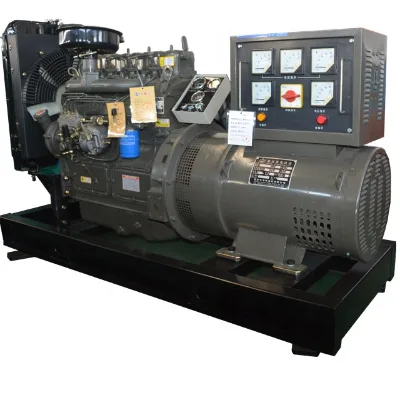
Diesel Generators Generators with ATS Low Noise for Factory Warehouse
$8000.00 - $15000.00
MOQ: 1 Sets




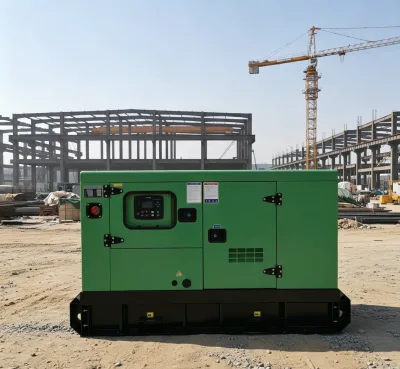
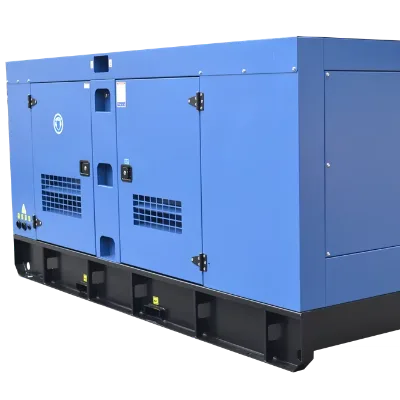
Automatic Industrial Use Corrosion Resistant Stable Operation Diesel Generator
$7900.00 - $21400.00
MOQ: 1 Sets


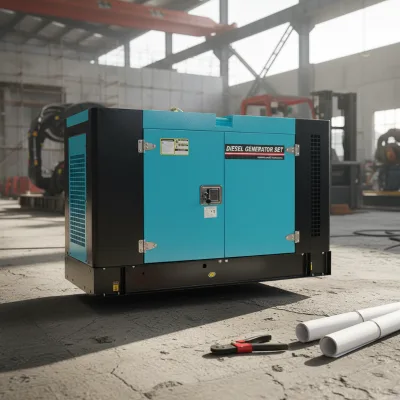


High Quality 50kVA 50Hz 60Hz Support ATS Industrial Diesel Generator
$2782.00 - $2792.00
MOQ: 1 Pieces


an Industrial Heavy-Duty Diesel Generator with a Power of 200kVA/160kw
$4683.00 - $4766.00
MOQ: 1 Pieces
Comprehensive Sourcing Guide
Industrial Use Diesel Generator with ATS Sourcing Guide
Industrial applications demand reliable power solutions that can withstand continuous operation and sudden load fluctuations. The observed product range includes units specifically designed for land use, featuring low-noise automation types that integrate seamlessly into facility infrastructure. Buyers must distinguish between common units, standby configurations, and emergency crew setups, as each serves a distinct operational need within an industrial environment.
Procurement decisions should prioritize the specific excitation mode and cooling method required for the intended site conditions. Available options include AC rotating exciters paired with either water or air cooling systems, which directly impact long-term maintenance schedules and thermal efficiency. Selecting the correct configuration ensures the generator can handle the specific thermal and electrical demands of the industrial facility without premature failure.
Product Scope and Observed Listing Signals
The market presents a diverse array of models ranging from compact 10kW units to heavy-duty 500kW systems, each with unique physical dimensions and control architectures. Listings indicate the availability of micro-computer control automatic diesel generators alongside basic models, suggesting a need to verify the specific automation level required for the facility's power management strategy. The observed price range of 799 to 21,400 USD reflects significant variation in capacity and feature sets, necessitating a clear definition of power requirements before engaging suppliers.
Buyers should scrutinize the listed physical standards and packing methods to ensure compatibility with site logistics and transport constraints. Dimensions vary widely, from compact 1260mm units to larger 3000mm configurations, and packing ranges from reinforced plastic film to international standards. Understanding these physical attributes is critical for planning installation space and ensuring the unit can be safely delivered and positioned within the industrial facility without requiring costly modifications.
Technical Specifications to Verify
Critical electrical parameters such as rated power, current, and frequency must be validated against the facility's actual load profile to prevent under-sizing or over-engineering. The observed data includes specific ratings like 24kW/30kVA and 500kW/625kVA, with corresponding currents of 43A and 900A, alongside frequency options of 50Hz or 60Hz. Procurement teams must confirm that the selected unit's output type, specifically AC three-phase, matches the industrial equipment's electrical requirements to ensure stable operation.
Operational characteristics including startup mode, speed, and cooling method are equally vital for ensuring reliability under varying environmental conditions. Units may feature 24V start-up systems and variable speeds ranging from 750rpm to 3600rpm, with cooling options including wind, air, or water methods. Verifying these specifications ensures the generator can start reliably in cold conditions and dissipate heat effectively during continuous high-load operation, which is essential for industrial uptime.
Compliance and Safety Documentation
Industrial procurement requires rigorous verification of origin and standard compliance to ensure the equipment meets local safety and environmental regulations. The supplied context identifies origins in Weifang and Shandong, China, with standards ranging from specific dimensional requirements to customized specifications. Buyers must confirm that the manufacturer provides documentation proving adherence to relevant international or local safety standards, particularly for units intended for emergency or standby use where failure is not an option.
Safety protocols and installation methods must be clearly defined to mitigate risks during the setup and operation phases. The observed fixed installation method and low-noise automation types suggest specific site preparation needs that must be addressed in the project plan. Ensuring that the supplier provides comprehensive safety manuals and compliance certificates is essential for passing regulatory inspections and maintaining a safe working environment for all personnel involved in the facility's power management.
Cost Drivers and Commercial Terms
Pricing structures are heavily influenced by the rated capacity, customization options, and the inclusion of advanced control systems. The observed range from 799 to 21,400 USD indicates that higher capacity units and those with micro-computer control automation command a premium. Buyers should analyze the cost-benefit ratio of adding features like low-noise enclosures or specific cooling methods, as these factors significantly impact the total cost of ownership and initial capital expenditure.
Commercial terms such as minimum order quantity, lead times, and customization capabilities must be negotiated to align with project timelines and budget constraints. While some listings indicate an MOQ of 1, others may require higher volumes for specific customizations like OEM or ODM services. Clarifying these terms early in the procurement process prevents delays and ensures that the supplier can deliver the required units within the necessary timeframe without compromising on quality or specifications.
Supplier Qualification and Quality Control
Evaluating supplier qualifications involves assessing their manufacturing capabilities, origin, and history of delivering units that meet specific industrial standards. The context highlights manufacturers based in China with specific model lines like ALD and AL series, suggesting a need to verify their production capacity and quality assurance processes. Buyers should request evidence of past performance and quality control measures to ensure the supplier can consistently deliver units that meet the rigorous demands of industrial applications.
Quality control protocols must extend beyond the factory floor to include pre-shipment testing and final inspection procedures. Suppliers offering reinforced plastic film packing or international standard packaging demonstrate an awareness of the need to protect equipment during transit. Procurement teams should verify that the supplier conducts comprehensive tests on critical components like the excitation system and cooling mechanisms to ensure the unit performs as specified before it leaves the manufacturing facility.
Long-Term Procurement Checks
Sustainable procurement requires establishing a framework for ongoing performance monitoring and maintenance support to ensure long-term reliability. The availability of customization and the specific design features like low-noise automation suggest that the generator will be a long-term asset requiring regular upkeep. Buyers should negotiate service agreements that include access to spare parts and technical support to minimize downtime and extend the operational life of the equipment.
Future scalability and adaptability should be considered when selecting a supplier to ensure the power solution can grow with the facility's needs. The observed range of speeds and power outputs indicates that different models may be suitable for different stages of industrial expansion. Establishing a relationship with a supplier capable of providing upgrades or additional units ensures that the power infrastructure remains robust and capable of supporting future operational demands without requiring a complete system replacement.
FAQs
What is the rated power of the ALD-P30s diesel generator?
The ALD-P30s model has a rated power of 24kw or 30kVA. It operates at a rated current of 43A and supports 50Hz or 60Hz frequencies. This unit features a four-stroke engine with water cooling and is designed for land use applications. It includes micro-computer control for automatic operation and is available for customization.
Can I customize the industrial diesel generator for specific needs?
Yes, customization is available for these diesel generator sets. The supplier accepts OEM and ODM custom requests to meet specific requirements. Units are designed for common, standby, or emergency crew usage. You can select from various speeds and cooling methods to ensure the generator fits your exact operational environment and power demands.
What cooling methods are used in these diesel generators?
These diesel generators utilize different cooling methods depending on the model. The ALD-P30s uses water cooling, while the ALD-P150S employs air cooling. Other models may use wind cooling. These methods ensure efficient heat dissipation during operation. The choice of cooling method supports the unit's reliability in various land use conditions and power output ranges.
What is the MOQ for ordering these diesel generators?
The minimum order quantity for these diesel generators ranges from 1 to 2 units. This flexible MOQ allows buyers to start with small orders. The products are packed in reinforced plastic film or according to international standards. Buyers can source these units directly from manufacturers in Weifang or Shandong, China, for efficient delivery.
What is the price range for these industrial diesel generators?
The observed price range for these industrial diesel generators is 799 to 21400 USD. This range covers various models with different rated powers, from 10kw to 500kw. Prices vary based on specifications, customization options, and capacity. Buyers can compare costs across different suppliers to find the best value for their specific power requirements and usage scenarios.
What are the available speeds for these diesel generator sets?
Available speeds for these diesel generator sets include 750rpm, 1500rpm, 1800rpm, 3000rpm, and 3600rpm. These options allow for flexibility in matching generator speed to specific application needs. The units are designed for land use and feature automatic control systems. Selecting the appropriate speed ensures optimal performance and efficiency for your power generation requirements.