Source IP65 Aluminum LED Wallpack for Street, Parking, and Building Facades
Compare 30 IP65 Aluminum LED Wallpack options featuring 30W to 140W outputs, 50,000-hour lifespans, and multiple color temperatures. These fixtures provide durable, high-lumen lighting for street, parking, and building facade applications with certified safety standards; compare the available evidence and request quotations based on your requirements.
Key considerations
Products List


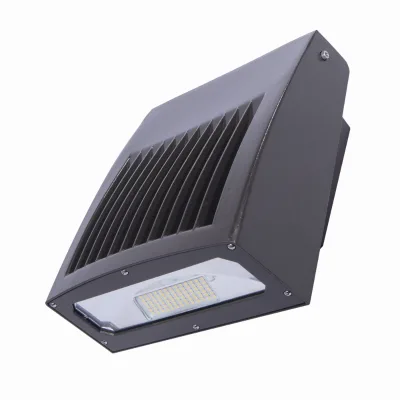
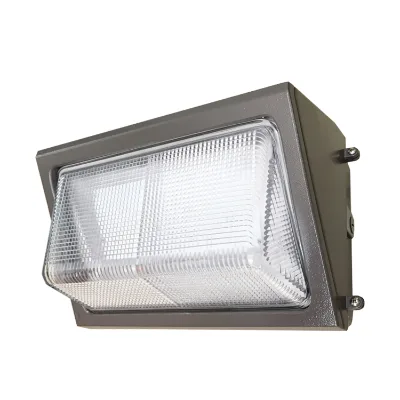
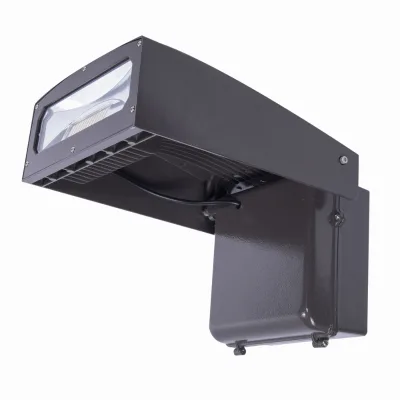
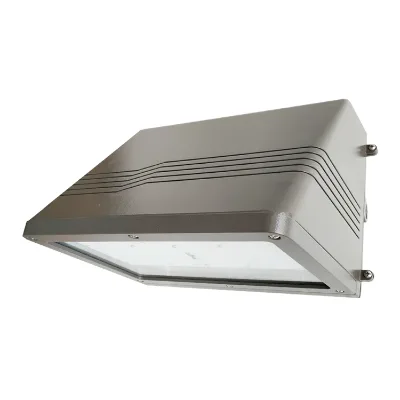
P65 Waterproof Outdoor LED Fullcut off Wall Pack 80W Wallpack LED Fixture Light
$42.00 - $52.00
MOQ: 2 Pieces


P65 Waterproof LED Fullcut off Wall Pack Light 100W Wallpack LED Fixture
$50.00 - $55.00
MOQ: 2 Pieces



Comprehensive Sourcing Guide
IP65 Aluminum LED Wallpack Sourcing Guide
Buyers evaluating IP65 aluminum LED wallpacks must first distinguish between the specific product attributes observed in current listings and general category capabilities. The available data indicates a strong prevalence of aluminum lamp bodies paired with IP65 ratings, which are essential for outdoor durability against dust and water jets. However, the observed listings also show variations in voltage inputs, ranging from 220V single-phase to broader 100-277VAC or 200-480VAC ranges, requiring precise verification against local grid standards before selection.
Procurement decisions should also account for the diverse customization options and control modes currently available in the market. While some units feature simple touch switches or rotary buttons, others support advanced integration via APP control or remote systems. This variability means that a single specification sheet cannot cover all potential inventory, necessitating a detailed review of each supplier's specific model capabilities to ensure the chosen unit matches the intended lighting solution and operational requirements.
Product Scope and Observed Listing Signals
The observed product scope reveals a mix of styles, including European and Modern designs, with shapes predominantly square and shade types often utilizing frosted PC covers. These aesthetic and structural choices directly influence the light distribution and beam angles, which are observed to range from 120 degrees to specific coverage areas like 10-15 square meters. Buyers must verify if the specific model, such as the SLBL050H or BB-RSD series, aligns with the architectural style of the installation site to ensure visual consistency.
Commercial signals indicate a wide range of power standards, from 30W to 70W and up to 140W variants, with luminous flux values reaching 9100 lumens for higher wattage models. The observed color temperatures span from warm white to pure white and daylight options, with some units offering multiple CCT choices like 3000K, 4000K, and 5000K. This diversity allows for tailored lighting environments, but buyers must confirm the exact color rendering index, which varies between Ra 80 and Ra 85, to ensure color accuracy for the specific application.
Technical Specifications to Verify
Voltage compatibility is a critical technical parameter that requires immediate attention, as listings show inputs ranging from 100-277VAC to 200-480VAC alongside standard 220V options. Procurement teams must match the supplier's specified input voltage to the local power infrastructure to prevent equipment failure or the need for additional transformers. Additionally, the power factor is observed to be greater than 0.95 in some models, a metric that impacts energy efficiency and grid load, making it a key verification point for large-scale installations.
Thermal management and operational limits are equally vital, with observed operating temperatures spanning from -40°C to +45°C and lifespans rated at 50,000 hours under specific conditions. Buyers should verify the lamp luminous efficacy, which is listed as exceeding 130 lm/W in some cases, to ensure the unit meets energy-saving goals. Furthermore, the dimming capability is noted as "No" in certain listings, meaning that if variable lighting control is required, the buyer must explicitly seek out models that support dimming functions rather than assuming it is a standard feature.
Compliance and Safety Documentation
Certification requirements vary significantly across the observed listings, with some products displaying CE, RoHS, and FCC marks, while others list ETL, UL, CQC, or SAA certifications. Buyers must demand specific certification documents for the exact model number being purchased, as the presence of one certification does not guarantee compliance for another. The absence of a universal standard in the data means that verifying the correct regional safety mark is essential to avoid customs delays or legal liabilities in the destination market.
Safety standards also extend to the physical construction and electrical safety, with observed materials including aluminum bodies and frosted PC covers that must meet fire and impact resistance standards. Documentation should confirm that the product adheres to relevant EMC and LVD directives where applicable, ensuring electromagnetic compatibility and low voltage safety. Procurement teams should request test reports that specifically validate the IP65 rating and the thermal performance claims, as these are critical for outdoor applications exposed to harsh environmental conditions.
Cost Drivers and Commercial Terms
Pricing in the observed market ranges from approximately $5.89 to $83.64, driven primarily by wattage, certification levels, and the complexity of control systems. Higher wattage models with advanced features like APP control or specific color temperature options command premium prices, while basic units with standard certifications remain more affordable. Buyers should analyze the cost per lumen rather than just the unit price to determine the true value, especially when comparing models with different luminous efficacies and lifespan ratings.
Minimum Order Quantities (MOQ) are observed to vary widely from 1 unit up to 1000 units, offering flexibility for both small pilot projects and large-scale deployments. The packaging is typically listed as carton, but buyers should confirm if bulk packaging or custom labeling is available to reduce shipping costs and protect the aluminum fixtures during transit. Lead times and production capacity are not explicitly defined in the data, so commercial negotiations must include clear timelines for manufacturing and delivery to align with project schedules.
Supplier Qualification and Quality Control
Supplier origins are noted in the data as Ningbo and Guangdong, China, regions known for manufacturing capabilities but requiring rigorous vetting for quality consistency. Buyers should verify the supplier's production history and capacity to handle the specific model numbers observed, such as the BB-RSD series, to ensure they can meet volume demands without compromising on the aluminum body construction or LED sourcing. The availability of customization suggests a flexible manufacturing process, but this flexibility must be balanced with strict quality control protocols to maintain product integrity.
Quality control checks should focus on the consistency of the IP65 rating and the durability of the frosted PC cover, which are prone to yellowing or cracking if materials are substandard. Buyers must request sample units for independent testing to verify the claimed lifespan of 50,000 hours and the actual luminous flux output. Additionally, the warranty terms, observed as a 5-year period in some listings, should be scrutinized to understand the coverage scope and the supplier's track record for honoring these commitments.
Long-Term Procurement Checks
Long-term procurement success depends on verifying the replacement compatibility and the availability of spare parts for the specific LED wallpack models selected. The data indicates that some units are designed to replace HPS 250W fixtures, but buyers must confirm the physical dimensions and mounting requirements to ensure a seamless retrofit. Ensuring that the supplier can provide consistent batches of the same color temperature and efficacy over time is crucial for maintaining uniform lighting across large facilities.
Finally, buyers should establish a protocol for monitoring the performance of the installed units over the warranty period to validate the claimed operational temperature range and lifespan. Regular audits of the lighting solutions and circuitry design provided by the supplier can help identify any systemic issues early. Maintaining a relationship with a supplier who offers lighting design support and can adapt to future technology upgrades will ensure the procurement strategy remains effective and cost-efficient over the long term.
FAQs
What certifications are available for IP65 Aluminum LED Wallpack units?
Available certifications include CE, ETL, RoHS, FCC, UL, GS, LVD, VDE, CQC, C-Tick, and SAA. These ensure compliance with regional safety and electromagnetic standards. Buyers should verify specific certification requirements for their target market before ordering to ensure regulatory acceptance and smooth customs clearance.
Can ip65 aluminum led wallpacks be customized for specific projects?
Yes, customization is available for these lighting fixtures. Manufacturers often allow adjustments to specifications, packaging, and potentially design elements to meet unique project needs. Buyers should contact suppliers directly to discuss specific customization options and confirm feasibility for their particular application requirements.
What is the typical lifespan of ip65 aluminum led wallpacks?
The typical lifespan is 50,000 hours at 25°C. This duration ensures long-term reliability for outdoor or industrial applications. The aluminum body and high-quality LED components contribute to this extended operational life, reducing maintenance frequency and total cost of ownership for commercial installations.
Which input voltages are supported by these led wallpacks?
Supported input voltages include 100-277VAC/50-60Hz and 200-480VAC/50-60Hz. This wide voltage range allows compatibility with various global power standards. Buyers should select the appropriate voltage option based on their local electrical infrastructure to ensure safe and efficient operation of the lighting fixtures.
What is the luminous efficacy of these ip65 aluminum led wallpacks?
Luminous efficacy exceeds 130 lm/W for some models and greater than 110 lm/W for others. This high efficiency translates to significant energy savings compared to traditional lighting. The aluminum construction aids in heat dissipation, helping to maintain optimal performance and longevity of the LED light source.
How does the ip65 rating benefit outdoor installation of these wallpacks?
The IP65 rating ensures complete protection against dust ingress and resistance to water jets from any direction. This makes the fixtures suitable for harsh outdoor environments, including rain and snow. The aluminum body provides additional durability against corrosion and physical impact, ensuring reliable performance in exterior applications.