Source IP65 NEMA 4 HMI for Industrial, Medical, and Car Use
Find and compare 30 IP65 NEMA 4 HMI units featuring 10.1-inch displays, RS-232/485 interfaces, and PLC control capabilities. These rugged panels support Ethernet connectivity and offer explosion-proof protection for diverse electronic equipment applications.
Key considerations
Products List

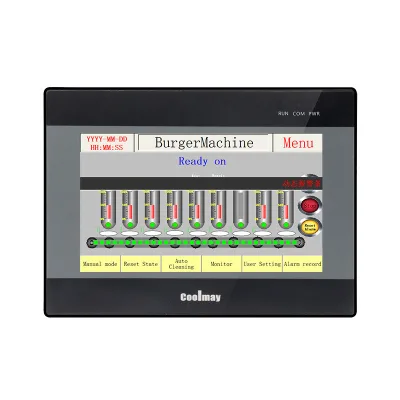
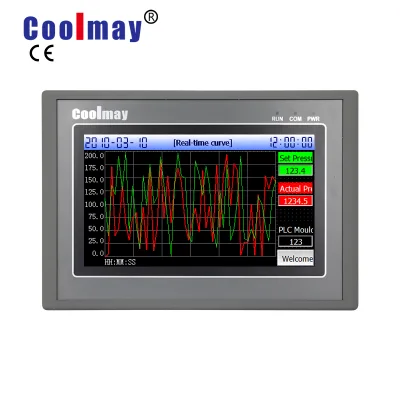


HMI 2 En 1 Factory Sale Power Command HMI
$32.00 - $46.00
MOQ: 1 sets
Ji' Nan Tian Chuan Zhong Cheng Electricity Equipment Co., Ltd.


$200.00 - $1000.00
MOQ: 1 Pieces


Comprehensive Sourcing Guide
IP65 NEMA 4 HMI Sourcing Guide
Selecting the right Human-Machine Interface (HMI) for industrial environments requires balancing ruggedness with computational capability. Buyers often encounter conflicting terminology when searching for enclosures that meet IP65 and NEMA 4 standards, leading to procurement errors that compromise system integrity. This guide clarifies the technical distinctions, verification steps, and commercial considerations necessary to source reliable units that withstand harsh operational conditions.
The procurement process must begin with a clear understanding of environmental demands. Whether the deployment involves washdown areas, outdoor installations, or dusty manufacturing floors, the enclosure rating dictates the sealing quality and material durability. Misinterpreting these ratings can result in premature failure, data loss, and costly downtime. Therefore, sourcing strategies must prioritize verified specifications over marketing claims to ensure long-term operational reliability.
Product Scope and Observed Listing Signals
The market for industrial HMIs presents a wide variance in pricing and specifications, reflecting the complexity of integration requirements. Observed listing prices range significantly, from entry-level units around $20 to advanced systems exceeding $12,500, indicating that cost is driven by screen size, processing power, and connectivity options. Buyers must recognize that lower price points often correlate with smaller form factors or limited feature sets, while higher investments secure robust industrial-grade components and extended warranty coverage.
Minimum Order Quantities (MOQ) typically range from 1 to 10 units, suggesting that suppliers cater to both prototype development and small-batch production needs. This flexibility allows procurement teams to test units in pilot environments before committing to large-scale deployments. However, buyers should verify whether volume discounts apply beyond the initial MOQ, as economies of scale can significantly impact the total cost of ownership for larger industrial projects.
Technical Specifications to Verify
Screen size and resolution are primary determinants of usability and interface design. Available models include sizes such as 4.3, 7, 10.1, and 15.6 inches, with resolutions like 1024x768 providing sufficient clarity for detailed data visualization. The choice of display technology, such as LED backlighting and high contrast ratios, directly affects visibility in varying lighting conditions. Buyers must ensure that the selected screen size aligns with panel cutout dimensions and that the resolution meets the graphical demands of the control software.
Connectivity and communication interfaces are critical for seamless integration into existing automation networks. Common interfaces include RS-232, RS-485, and Ethernet, supporting both local and wide-area network communications. The presence of USB hosts and specific COM port configurations enables flexible peripheral attachment and data logging. Procurement teams must verify that the HMI’s communication protocols match the PLCs and sensors in the target system to avoid integration bottlenecks.
Enclosure durability and ingress protection are paramount for harsh environments. Units designed for industrial use often feature plastic or aluminum housings with front panels rated IP65 and rear panels rated IP20. This configuration ensures protection against dust ingress and low-pressure water jets from all directions, while allowing for standard mounting and wiring access at the back. Buyers should confirm that the touch type, such as 4-wire resistance, is suitable for operation with gloves or in wet conditions.
Power requirements and electrical safety must be strictly adhered to for system stability. Operating voltages vary, with common options including 24V DC and 220V AC, alongside three-phase configurations for specific industrial applications. Withstand voltage ratings, such as 500VAC for one minute, indicate the unit’s ability to survive electrical transients. Procurement specifications must match the facility’s power infrastructure to prevent damage and ensure safe operation.
Compliance and Safety Documentation
Certification status is a non-negotiable aspect of industrial procurement, ensuring that equipment meets regional safety and electromagnetic compatibility standards. Common certifications observed in the market include CE and ISO standards, which validate compliance with European and international quality management principles. Buyers must request valid certification documents from suppliers to verify that the specific model batch has undergone rigorous testing and meets regulatory requirements for the destination market.
Warranty terms provide a crucial layer of financial protection against manufacturing defects. Standard warranties often span 18 months, covering hardware failures and component malfunctions under normal operating conditions. Understanding the scope of the warranty, including what constitutes void coverage, is essential for risk management. Buyers should clarify whether extended warranty options are available and what services, such as repair or replacement, are included in the standard package.
Cost Drivers and Commercial Terms
Packaging and logistics details significantly influence the total landed cost of HMI units. Standard export carton packaging is commonly used to protect devices during transit, but buyers must assess whether additional protective measures are needed for fragile components. The port of dispatch, such as Shekou Port, affects shipping routes and transit times, which in turn impact inventory planning and supply chain resilience. Procurement teams should factor in freight costs and insurance when evaluating supplier quotes.
Supply ability and production capacity are vital for ensuring timely delivery, especially for large-scale projects. Suppliers may advertise capacities such as 5000 pieces per week, indicating robust manufacturing infrastructure. However, buyers must verify actual lead times and production schedules to avoid delays. Understanding the supplier’s ability to scale production up or down based on order volume helps mitigate risks associated with supply chain disruptions.
Customization options can add value but also introduce complexity and cost. Available customization services allow buyers to tailor HMIs to specific application requirements, such as unique branding or specialized interfaces. However, customized orders may have higher MOQs and longer lead times. Procurement decisions should weigh the benefits of customization against the potential for increased costs and delayed deployment.
Supplier Qualification and Quality Control
Supplier verification is the first step in mitigating procurement risk. Buyers should assess the supplier’s reputation, production facilities, and quality control processes. Evidence of consistent supply ability and positive customer feedback can indicate reliability. It is advisable to request samples for evaluation before placing bulk orders to verify build quality, software compatibility, and performance under actual operating conditions.
Quality control measures implemented by the supplier directly impact product longevity. Buyers should inquire about testing procedures, such as environmental stress screening and functional testing, to ensure that each unit meets specified standards. Documentation of quality control processes, including inspection reports and test results, provides transparency and assurance. Establishing clear quality expectations and acceptance criteria in the purchase agreement helps resolve disputes and ensures consistent product quality.
Long-Term Procurement Checks
Lifecycle management and support availability are critical for sustained operational success. Buyers must evaluate the supplier’s ability to provide ongoing software updates, technical support, and spare parts. The availability of replacement components and the ease of obtaining technical assistance can significantly reduce downtime during maintenance or troubleshooting. Establishing a long-term relationship with a reliable supplier ensures access to these resources throughout the product’s lifecycle.
Technological obsolescence and upgrade paths should be considered during the sourcing process. As automation technologies evolve, HMIs may require firmware updates or hardware replacements to remain compatible with new systems. Buyers should assess the supplier’s roadmap for product development and their commitment to supporting older models. Planning for future upgrades and ensuring backward compatibility helps protect the investment and facilitates seamless system expansions.
FAQs
What certifications do these HMI controllers have?
These HMI controllers hold CE Certification and ISO: CE certification. They are designed for industrial and electronic equipment applications while meeting standard safety requirements for protection and lightning protection functions.
Can I get customized versions of this HMI?
Yes, customization is available for these HMI units. Buyers can request specific configurations for industrial automation tasks, and the products support various communication interfaces like RS-232 and RS-485 for tailored integration.
What is the warranty period for this controller?
The warranty period for this controller is 18 months. This coverage applies to new units used in industrial, car, medical, or boat settings, ensuring reliability for protection and monitoring functions during the specified term.
Which voltage options are supported by this HMI?
This HMI supports both 220V and 24V voltage options. It is designed as a three-phase PLC controller suitable for diverse applications, ensuring compatibility with different power supply requirements in industrial environments.
How is the product packed for shipping?
The product is packed in standard export cartons or containers. Packaging details specify standard export carton packaging, ensuring safe transport from the port of dispatch, such as Shekou Port, to the destination.
What display sizes are available for this HMI?
Available display sizes include 4.3, 7, 10.1, and 15.6 inches. These sizes feature LED backlighting and high contrast ratios, providing clear visibility for monitoring and measurement tasks in various industrial automation setups.
What is the protection level of the HMI housing?
The protection level is IP65 on the front and IP20 on the back. The housing combines plastic and aluminum materials to offer explosion-proof features and withstand voltage up to 500VAC for one minute.