Source IP65 Outdoor Circular Connector for Automotive, LED, and Power Systems
Find and compare 28 IP65 Outdoor Circular Connector options tailored for automotive, LED lighting, and electrical equipment applications. Evaluate specifications such as IP67/IP68 ratings, copper contact materials, and operating voltages to select the right components for your industrial needs.
Key considerations
Products List


M8 IP67 Waterproof Shielded Circular Connector for Versatile Applications
$5.20 - $6.90
MOQ: 10 Pieces


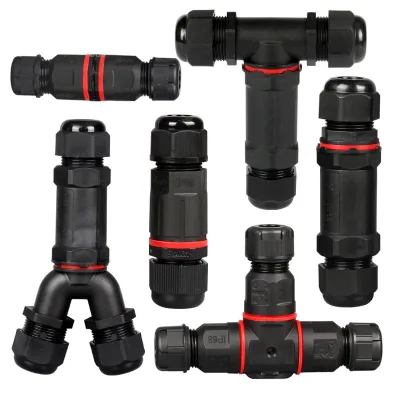
Comprehensive Sourcing Guide
IP65 Outdoor Circular Connector Sourcing Guide
Selecting the right IP65 Outdoor Circular Connector requires a careful balance of environmental sealing, electrical performance, and mechanical durability. Buyers must distinguish between products that merely claim weather resistance and those that have been rigorously tested for long-term exposure to moisture, dust, and temperature fluctuations. The following guide provides a structured approach to evaluating suppliers and specifications, ensuring that the selected components meet the rigorous demands of outdoor industrial, automotive, and infrastructure applications.
Product Scope and Observed Listing Signals
The market for circular connectors includes a wide variety of designs, ranging from simple panel-mount plugs to complex multi-pin assemblies with threaded coupling mechanisms. Observed listings indicate a diverse range of product names, such as "Waterproof Connector" and "Sp Male Female Waterproof Automotive," which suggests that suppliers often use generic terminology that may not immediately convey the specific environmental rating or application context. Buyers should be cautious when interpreting these broad labels, as they may encompass products with varying degrees of sealing integrity and material quality.
Listing signals also reveal significant variation in physical attributes, including housing materials like aluminum alloy, PC, and Nylon66, as well as contact materials ranging from copper to brass with gold plating. These material choices directly impact the connector’s ability to withstand corrosion and maintain low contact resistance in harsh environments. Additionally, observed pin counts vary from 2 to 9 pins, and cable diameter ranges are specified, indicating that buyers must verify compatibility with their specific wiring harnesses and enclosure cutouts before placing orders.
Technical Specifications to Verify
Environmental sealing is the primary technical requirement for outdoor applications, with IP67 and IP68 ratings frequently observed in high-end waterproof connectors. While the core keyword specifies IP65, buyers should verify if the supplier offers higher ratings for more demanding conditions, as IP65 only protects against low-pressure water jets and limited dust ingress. It is critical to confirm the sealing mechanism, such as rubber gaskets or epoxy sealing, and ensure that the connector maintains its rating even after multiple mating cycles, with some products guaranteeing durability for 500 or more cycles.
Electrical performance parameters must be carefully matched to the load requirements of the application. Observed specifications include operating currents ranging from 3A to 24A and voltages up to 250V, with some products rated for higher currents like 30A. Buyers should verify the contact resistance, which can be as low as 3.8mΩ, and ensure that the rated current aligns with the advice current to prevent overheating. Additionally, the operating temperature range, typically cited as -40℃ to +105℃, must be confirmed to ensure the connector can function reliably in extreme outdoor climates.
Compliance and Safety Documentation
Certification status is a key indicator of a supplier’s commitment to quality and regulatory compliance. Observed listings mention various certifications, including ISO, CE, RoHS, and ISO 9001, which suggest adherence to international quality management and environmental standards. Buyers should request valid certificates for each product batch, as these documents provide assurance that the materials used, such as fire-resistant Nylon66 with V-0 rating, meet safety requirements for electrical equipment and outdoor installations.
Material safety and environmental restrictions are particularly important for products used in sensitive applications. RoHS compliance ensures that the connector is free from hazardous substances, while CE marking indicates conformity with health, safety, and environmental protection standards for products sold within the European Economic Area. Buyers should verify that the supplier provides up-to-date documentation for these certifications, as regulatory requirements can change, and non-compliant products may face restrictions in certain markets.
Cost Drivers and Commercial Terms
Pricing for circular connectors varies significantly based on material quality, pin count, and certification status. Observed price ranges span from $0.18 to $360, reflecting the difference between basic, high-volume components and specialized, high-performance connectors with advanced sealing and gold-plated contacts. Buyers should analyze the cost per unit in the context of the total cost of ownership, considering factors such as durability, maintenance frequency, and the potential cost of system failure due to connector malfunction.
Minimum Order Quantities (MOQ) and packaging details also influence procurement decisions. Observed MOQs range from 1 to 1000 units, allowing for flexibility in testing and small-scale production runs. Packaging specifications, such as carton dimensions and weight, should be considered for logistics planning, especially for large orders. Buyers should negotiate terms that align with their production schedule and inventory management strategy, ensuring that they can secure sufficient stock without tying up excessive capital in inventory.
Supplier Qualification and Quality Control
Supplier location and manufacturing capabilities are important factors in assessing reliability. Observed origins include Donguan and Guangdong, regions known for their electronics manufacturing ecosystems. Buyers should verify the supplier’s production capacity and quality control processes, including in-house testing for waterproofing and electrical performance. A supplier with a robust quality management system, evidenced by ISO 9001 certification, is more likely to deliver consistent product quality and meet delivery schedules.
Customization options can be a significant advantage for buyers with specific application requirements. Observed listings indicate that customization is available, allowing for tailored solutions in terms of pin configuration, cable length, and housing material. Buyers should engage with suppliers early in the design process to ensure that custom features are feasible and cost-effective. Additionally, suppliers should provide clear documentation of their customization capabilities, including lead times and tooling costs, to facilitate informed decision-making.
Long-Term Procurement Checks
Establishing a reliable supply chain requires ongoing monitoring of supplier performance and product consistency. Buyers should implement regular audits of supplier quality control processes and request sample testing for new batches of connectors. This includes verifying that the sealing materials, such as epoxy or rubber, remain effective over time and that the contact resistance does not degrade due to corrosion or wear. Long-term partnerships with suppliers who demonstrate a commitment to continuous improvement can help mitigate risks associated with supply chain disruptions.
Feedback loops from field applications are essential for identifying potential issues with connector performance in real-world conditions. Buyers should collect data on failure rates, maintenance needs, and customer feedback to inform future procurement decisions. This data can also be used to negotiate better terms with suppliers, such as extended warranties or improved quality guarantees. By maintaining a proactive approach to supplier management and product evaluation, buyers can ensure that their outdoor circular connectors continue to meet the demanding requirements of their applications over the long term.
FAQs
What certifications are available for these connectors?
These connectors typically hold ISO, CE, RoHS, and ISO 9001 certifications. Some models also include MSDS documentation. These standards ensure compliance with international safety and environmental regulations, making them suitable for global automotive and industrial applications where regulatory adherence is mandatory for procurement.
What is the waterproof rating for these products?
The connectors offer IP67 and IP68 waterproof levels. This ensures protection against dust ingress and temporary or permanent immersion in water. Such ratings make them ideal for outdoor and harsh environments, including automotive and microwave applications, where moisture resistance is critical for long-term reliability.
What materials are used for the contacts and housing?
Contact materials include copper, brass with gold plating, and galvanized copper. Housing options feature aluminum alloy, PC, Nylon66, and thermoplastic PPS. These materials provide durability, corrosion resistance, and high-temperature stability up to 260ºC, ensuring reliable performance in demanding electrical and automotive environments.
What is the operating current and voltage range?
Operating current ranges from 3A to 24A, with rated currents of 30A, 25A, 15A, 10A, or 5A depending on the model. Operating voltage reaches up to 250V. These specifications support various power applications, from low-frequency automotive signals to higher-power electrical equipment connections.
Can these connectors be customized for specific needs?
Yes, customization is available for pin numbers, housing materials, and standards. Models support 2 to 9 pins and various wire sizes. Customized standards and packing options allow buyers to tailor connectors to specific project requirements, ensuring compatibility with existing systems and unique environmental or electrical constraints.
What is the typical operating temperature range?
The operating temperature range is -40℃ to +105℃. This wide range ensures functionality in extreme cold and high-heat conditions. Combined with fire-resistant housing materials like Nylon66 (V-0 rating), these connectors maintain performance and safety in automotive, LED, and electrical equipment applications under thermal stress.