Source IP68 Garden Spike Lighting for Parks, Paths, and Landscapes
Find 30 options for IP68 Garden Spike Lighting suitable for outdoor applications. Compare specifications like beam angle, color temperature, and certifications from suppliers in Guangdong, China to select the right fixture for your project.
Key considerations
Products List


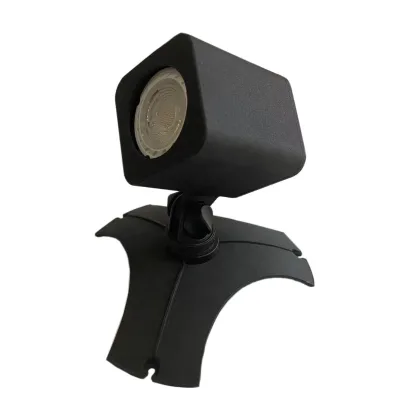
Waterproof Garden Landscape Lawn Lamp LED Spike Garden Light Landscape Spotlight
$10.90 - $23.90
MOQ: 20 Pieces

Outdoor Landscape Lights Waterproof Garden Lights LED Outdoor Garden Spike Light
$10.90 - $23.90
MOQ: 20 Pieces

Outdoor Lights Garden Waterproof Lights LED Outdoor Ground LED Spike Lighting
$6.90 - $15.90
MOQ: 100 Pieces

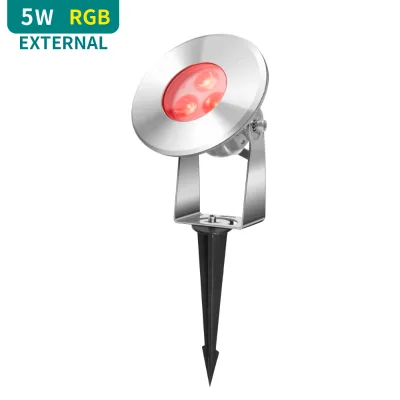
Waterproof IP65 Garden Lamp New Design DC24V Spike LED Underground Light
$10.90 - $23.90
MOQ: 20 Pieces

Waterproof 12V IP65 Landscape Ground Spot Light Spike Lamp LED Outdoor Lighting
$10.90 - $23.90
MOQ: 20 Pieces




Comprehensive Sourcing Guide
Strategic Sourcing Guide for IP68 Garden Spike Lighting
Procuring outdoor illumination requires a rigorous understanding of environmental resilience, electrical safety, and long-term operational reliability. When targeting IP68 Garden Spike Lighting, buyers must navigate a complex landscape of technical specifications and compliance standards. The primary objective is to secure fixtures that withstand continuous exposure to moisture, soil, and varying weather conditions while maintaining aesthetic integrity. This guide synthesizes available product data and industry knowledge to provide a structured approach for evaluating potential suppliers and specifications.
Technical Specifications and Environmental Resilience
The defining characteristic of the target product category is the ingress protection rating. While the core keyword specifies IP68, the observed market data presents a range of ratings, including IP65. Buyers must understand that IP65 indicates protection against water jets, whereas IP68 denotes continuous immersion in water. In the context of garden spike lighting, which is often buried or subjected to heavy rain and flooding, the distinction is critical. If the procurement requirement is strictly IP68, the buyer must verify that the supplier's specific model meets this immersion standard, as some listed products may only offer IP65 protection.
The physical construction of these fixtures is equally vital. The supplied data indicates that the primary material for the lamp body is aluminum, often combined with tempered glass or "Tongue Glass" for the lens. Aluminum is preferred for its corrosion resistance and ability to dissipate heat generated by the LED chips. The thermal management of the fixture directly impacts the lifespan of the light source. The observed working temperature range for similar units spans from -30°C to +50°C, suggesting that the internal components must be rated for extreme thermal fluctuations common in outdoor environments.
Light source technology is another pivotal specification. The market data highlights the use of LED chips from manufacturers such as Bridge Lux, CREE, and Taiwan Epistar. These are reputable semiconductor brands known for efficiency and longevity. The color temperature (CCT) options observed range from 2700K to 6500K, covering Warm White to Cold White. This variability allows buyers to match the lighting to specific landscape designs, whether aiming for a cozy, countryside aesthetic or a bright, modern commercial look. The beam angle is also a variable specification, with options including 15, 24, 30, 38, 45, and 60 degrees. Selecting the correct beam angle is essential for controlling light spill and ensuring the intended lighting area, which is typically listed between 3-5 square meters or 5-10 square meters depending on the model.
Compliance and Certification Verification
Navigating the regulatory landscape is a non-negotiable aspect of B2B procurement. The provided product facts list several certifications, including CE, RoHS, EMC, LVD, SAA, SASO, and REACH. However, the presence of these marks on a product page does not guarantee that every unit in a shipment is certified. Buyers must treat these as observations of the supplier's capability rather than automatic guarantees for the specific order.
CE marking indicates conformity with health, safety, and environmental protection standards for products sold within the European Economic Area. RoHS (Restriction of Hazardous Substances) ensures the product is free from specific hazardous materials. EMC (Electromagnetic Compatibility) and LVD (Low Voltage Directive) address electrical interference and safety, respectively. For international markets, additional certifications like SAA (Australia) or SASO (Saudi Arabia) may be required. The data also mentions REACH, a European regulation concerning the registration, evaluation, authorization, and restriction of chemicals.
Buyers should request valid test reports and certificates of conformity for the specific batch they intend to purchase. Relying solely on the generic listing of certifications is insufficient. The supplier must demonstrate that the specific model, such as the SL-FL-F25 or SL-FL-F1A, has undergone the necessary testing procedures to validate these claims. Furthermore, the electrical safety standards must align with the voltage requirements of the destination market. The observed voltage range of 85-265V suggests a wide input voltage capability, which is beneficial for regions with unstable power grids, but the power factor (PF) should also be verified, with observed values exceeding 0.95 in some models.
Cost Drivers and Pricing Dynamics
The pricing for garden spike lighting is influenced by a combination of material costs, component quality, and certification overheads. The observed price range in the market spans from $1.19 to $76.80 USD. This wide disparity indicates significant variation in product quality, brand positioning, and specification depth. The lower end of the price spectrum likely corresponds to basic models with standard aluminum bodies and generic LED chips, while the higher end reflects premium fixtures with advanced thermal management, high-CRI (>90ra) LEDs, and comprehensive certification suites.
Material costs are a primary driver. The use of high-grade aluminum and tempered glass increases the base cost compared to plastic alternatives. Additionally, the choice of LED chip manufacturer plays a substantial role. Chips from CREE or Epistar generally command a higher price than unbranded or generic alternatives due to their superior luminous efficacy and color consistency. The beam angle customization and the inclusion of multi-color capabilities (RGB) also add to the manufacturing complexity and cost.
Minimum Order Quantity (MOQ) is another critical cost factor. The observed MOQ ranges from 1 to 1000 units. Suppliers with lower MOQs may charge a premium per unit to cover setup and administrative costs, whereas larger orders typically benefit from economies of scale. Buyers must balance their budget constraints with the need for sufficient inventory to meet project timelines. The packing specifications, which vary from simple general boxes to complex arrangements involving foam, PP bags, and color boxes, also impact the final landed cost, as more robust packaging is required to prevent damage during shipping, especially for glass components.
Typical Applications and Design Integration
Garden spike lighting is designed for a variety of outdoor applications, including gardens, squares, parks, and landscaping projects. The style of the fixtures observed ranges from modern simplism to countryside aesthetics. This versatility allows the lighting to serve both functional and decorative purposes. In a modern setting, the sleek aluminum body and precise beam angles provide a clean, unobtrusive look that highlights architectural features or pathways. In a countryside or rustic setting, the warm white color temperature (2700K) creates a welcoming and natural ambiance.
The lighting area specifications, typically between 3-10 square meters, guide the placement strategy. For narrow pathways, a narrower beam angle (15-24 degrees) is appropriate to focus light on the ground. For broader areas like parks or plazas, wider beam angles (45-60 degrees) ensure even coverage. The working time of 50,000 hours suggests that these fixtures are designed for long-term installation with minimal maintenance. However, the actual lifespan depends on the operating conditions and the quality of the driver electronics.
The application also dictates the need for specific features. In areas prone to flooding, the IP68 rating is essential. In high-traffic areas, the mechanical strength of the aluminum body and the stability of the spike design are crucial to prevent tipping or damage. The customization options available, such as specific dimensions (e.g., D4272H300mm) and packing requirements, allow buyers to tailor the product to the unique constraints of their project.
Supplier Evaluation and Quality Control
Evaluating a supplier for garden spike lighting requires a multi-faceted approach. The origin of the products is consistently listed as Guangdong, China, a major manufacturing hub for lighting. While this indicates access to a robust supply chain, it also necessitates thorough due diligence. Buyers should verify the supplier's production capacity, quality control processes, and track record in the specific niche of outdoor lighting.
Quality control should focus on the consistency of the IP rating, the integrity of the aluminum casting, and the performance of the LED drivers. Visual inspection of the samples is necessary to check for defects in the glass, such as bubbles or scratches, and to ensure the finish is uniform. Electrical testing should confirm that the voltage range, power factor, and color temperature match the specifications. The warranty period is another indicator of supplier confidence; observed warranties range from 2 to 3 years, which is a standard benchmark for this industry.
Buyers should also assess the supplier's ability to handle customization. The data indicates that customization is available, including specific packing requirements and potentially dimensions. A reliable supplier will have the flexibility to accommodate these requests without compromising quality or delivery timelines. Communication and responsiveness are also key factors, as any issues during production or shipping require immediate attention to avoid project delays.
Long-Term Procurement Considerations
Sourcing garden spike lighting is not just a one-time transaction but a long-term investment in the infrastructure of outdoor spaces. The warranty terms, observed as 2 to 3 years, provide a baseline for expected performance, but buyers should consider the total cost of ownership. This includes the cost of replacements, maintenance labor, and energy consumption. High-efficiency LEDs with a high CRI (>90ra) not only provide better light quality but also reduce energy costs over the 50,000-hour working life.
The standardization of components is another consideration. Selecting a supplier that uses standardized LED chips and drivers can simplify future maintenance and repairs. If a specific model becomes obsolete, having access to compatible replacement parts ensures the longevity of the installation. Additionally, the packaging and shipping methods should be evaluated for their ability to protect the products during transit, especially given the fragility of glass components and the weight of aluminum bodies.
Finally, buyers should remain vigilant about changes in regulations and standards. As environmental and safety standards evolve, suppliers must adapt their products accordingly. Maintaining a relationship with a supplier who is proactive in updating their certifications and specifications ensures that the procurement remains compliant and future-proof. By focusing on these long-term factors, buyers can secure a lighting solution that delivers value and reliability for years to come.
Comparative Analysis of Key Specifications
To assist in the decision-making process, the following table summarizes the key technical and compliance attributes observed in the market data. This comparison highlights the variability in specifications that buyers must navigate when selecting a supplier.
| Attribute | Observed Range / Options | Procurement Consideration |
|---|---|---|
| Ingress Protection | IP65, IP68 (Target) | Verify IP68 for immersion; IP65 for splash only. |
| Material | Aluminum, Aluminum + Tongue Glass | Aluminum for durability; Glass for lens clarity. |
| LED Chip | Bridge Lux, CREE, Taiwan Epistar | Brand affects longevity and color consistency. |
| Color Temperature | 2700K - 6500K | Match to landscape design (Warm vs. Cool). |
| Beam Angle | 15° to 60° | Select based on required lighting area and spread. |
| Voltage | 85-265V | Ensure compatibility with local grid stability. |
| Certifications | CE, RoHS, EMC, LVD, SAA, SASO, REACH | Verify specific certificates for target markets. |
| Warranty | 2 YEARS, 3 YEARS | Higher warranty often indicates better quality control. |
| Working Life | 50,000 Hours | Standard benchmark for LED longevity. |
| CRI | >90ra | Higher CRI ensures better color rendering. |
| Origin | Guangdong, China | Major manufacturing hub; verify factory audits. |
This table serves as a checklist for buyers to ensure that all critical parameters are addressed during the supplier evaluation process. By systematically comparing these attributes against project requirements, buyers can make informed decisions that align with their technical, financial, and aesthetic goals.
FAQs
What certifications do IP68 Garden Spike Lighting products typically have?
Many models carry CE, RoHS, EMC, LVD, SAA, SASO, and REACH certifications. Buyers must verify specific test reports for the batch, as listings show these marks but do not guarantee every unit is certified.
Which LED chip brands are used in these garden spike lights?
Products often utilize chips from Bridge Lux, CREE, or Taiwan Epistar. These brands are selected for their efficiency and longevity, directly impacting the overall performance and lifespan of the lighting fixture.
Can I customize the packaging for my IP68 Garden Spike Lighting order?
Customization is available for packing requirements such as general boxes, color boxes, or foam arrangements. Suppliers can adjust carton contents to meet specific customer needs while protecting glass and aluminum components.
What is the typical voltage range for these outdoor lighting fixtures?
The observed voltage range spans from 85 to 265 volts AC. This wide input capability supports operation in regions with unstable power grids, ensuring consistent performance across different electrical environments.
How long is the warranty period for IP68 Garden Spike Lighting?
Warranty periods typically range from 2 to 3 years depending on the specific model. This duration reflects the supplier's confidence in the product's durability and the expected lifespan of the LED components.
Which materials are used for the lamp body of these lights?
The lamp body is primarily constructed from aluminum, often combined with tongue glass or tempered glass. This material choice ensures corrosion resistance and effective heat dissipation for long-term outdoor reliability.
What beam angles are available for IP68 Garden Spike Lighting?
Available beam angles include 15, 24, 30, 38, 45, and 60 degrees. Selecting the correct angle is essential for controlling light spill and matching the intended lighting area, which ranges from 3 to 10 square meters.