Source Jacquard Velvet Rapier Loom for fabric, upholstery, and curtains
Explore 30 listings for the Jacquard Velvet Rapier Loom to compare specifications like weaving speed, voltage, and precision. Buyers can evaluate options ranging from new to used machines with varying customization and automation features to suit diverse textile production needs.
Key considerations
Products List

Zbmax98 Jacquard Rapier Loom Machine High Speed
$32000.00 - $135000.00
MOQ: 1 Sets
Jiangxi Zhongbo Intelligent Equipment Manufacturing Co., Ltd

Zbmax68 High Speed Rapier Loom Jacquard Textile Machines
$35000.00 - $135000.00
MOQ: 1 Sets
Jiangxi Zhongbo Intelligent Equipment Manufacturing Co., Ltd

High Speed Rapier Loom for Demin/Velvet Cloth
$32000.00 - $135000.00
MOQ: 1 Sets
Jiangxi Zhongbo Intelligent Equipment Manufacturing Co., Ltd

High Speed Rapier Loom for Denim Jeans Fabric Weaving
$36000.00 - $135000.00
MOQ: 1 Sets
Jiangxi Zhongbo Intelligent Equipment Manufacturing Co., Ltd

High Speed Rigid Rapier Loom Textile Machine 8 Color
$35000.00 - $135000.00
MOQ: 1 Sets
Jiangxi Zhongbo Intelligent Equipment Manufacturing Co., Ltd

High Speed Weaving Rapier Loom Electronic Jacquard Textile Machine
$37000.00 - $135000.00
MOQ: 1 Sets
Jiangxi Zhongbo Intelligent Equipment Manufacturing Co., Ltd
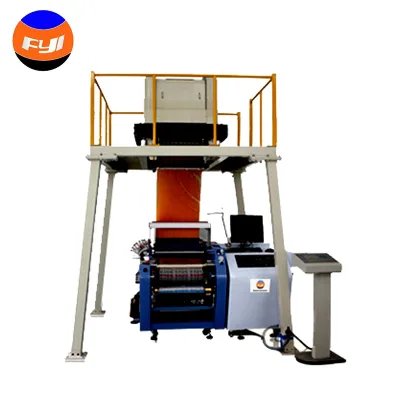


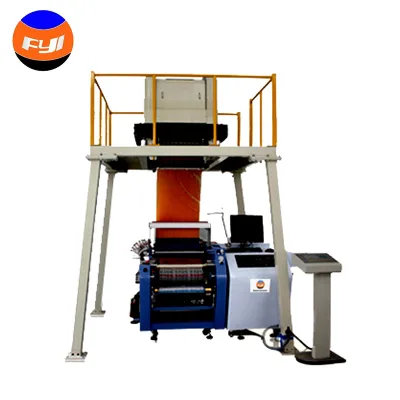
High Efficiency Textile Weaving Machine High Speed Rapier Loom Price for Sale
$5200.00 - $6600.00
MOQ: 1 Pieces




Comprehensive Sourcing Guide
Strategic Sourcing Guide for High-Speed Rapier Looms in Textile Manufacturing
Understanding the Technical Landscape of Rapier Looms
When sourcing a Jacquard Velvet Rapier Loom, buyers must first distinguish between the general category of rapier looms and the specific requirements for high-speed, automated weaving of complex pile fabrics. The core keyword "Jacquard Velvet Rapier Loom" implies a machine capable of high-precision interlacing with intricate pattern capabilities. Based on observed market data, the technical profile of available units often centers on the "Rapier Loom" classification, with specific model identifiers such as ZBMAX68, DW598, and GT-747 series appearing in supplier listings. These machines are frequently described with attributes like "High speed rapier loom" or "Rapier sample loom," indicating a versatility that ranges from full-scale production to prototype development.
A critical technical observation is the variance in power supply requirements across different models. While some units are listed with a voltage of 380V, suitable for heavy industrial three-phase power, others operate on 220V 50Hz, which may require specific electrical infrastructure adjustments depending on the buyer's facility. The weaving speed is a primary performance metric, with observed data citing speeds up to 120rpm. This figure represents a significant operational parameter for throughput planning. Furthermore, the automation level is a key differentiator; many modern units are flagged as "Automatic" with "Yes" listed for automation attributes, often driven by a "PLC" (Programmable Logic Controller) as a core component. This integration allows for precise control over the weaving process, essential for the complex patterns required in velvet production.
The physical specifications of the loom also vary significantly. Width capabilities are observed in ranges such as 1000-2800mm for standard production models, while specific sample looms may offer read widths of 12, 20, or 24 inches as optional configurations. The standard production width for certain models is noted as 600 or 800mm, highlighting the need for buyers to match the machine width to their specific fabric roll requirements. Additionally, the yarn range is a crucial technical constraint, with observed specifications supporting yarn counts from 5 to 500tex. This wide range suggests that the loom can handle everything from fine threads to heavy-duty yarns, a necessity for creating the dense pile structure of velvet. The shuttle type is consistently listed as "Shuttless," which reduces noise and vibration, contributing to the high precision required for jacquard patterns.
Compliance, Certification, and Regulatory Standards
Navigating the compliance landscape is essential for international procurement. The supplied data indicates that a significant portion of the available looms carry ISO9001 certification, often noted alongside the condition of the machine (e.g., "ISO9001: Condition:New" or "ISO9001: Computerized:Computerized"). This certification suggests that the manufacturing process adheres to international quality management standards, though buyers should verify the specific scope of the certificate for the individual unit. Some listings also mention CE certification, which is a mandatory requirement for machinery sold within the European Economic Area, indicating compliance with health, safety, and environmental protection standards.
Beyond general certifications, the documentation provided by suppliers plays a vital role in verification. A "machinery test report" is listed as "Provided" for several models, offering empirical evidence of the machine's performance prior to shipment. This document should be reviewed to ensure it covers the specific operational parameters relevant to jacquard weaving, such as tension consistency and pattern registration accuracy. Buyers must also consider the "prod_standard" attributes, which include width specifications like 190~600cm or fixed standards of 600 and 800mm. These standards often reflect the internal manufacturing tolerances or the intended fabric width capabilities.
It is important to note that not all listed units share the same certification status. Some entries indicate "Computerized:Non-Computerized" alongside certifications, suggesting a mix of fully automated and semi-automated systems in the market. When evaluating compliance, buyers should explicitly request the original certification documents rather than relying on summary attributes. The origin of the machinery is another compliance factor; while many units originate from Jiangxi, Anhui, or Jiangsu in China, the specific "place of origin" can impact shipping logistics and potential trade tariffs. Ensuring that the supplier can provide a Certificate of Origin is a standard due diligence step for cross-border transactions.
Cost Drivers and Pricing Dynamics
The pricing structure for rapier looms is highly variable, reflecting the diverse range of specifications, conditions, and customization options available. The observed listed price range spans from $3 to $125,000 USD. This vast disparity is not indicative of a single product type but rather a spectrum ranging from small sample looms or component parts to fully automated, high-speed production units. A unit priced at the lower end of this spectrum is likely a "Rapier sample loom" or a smaller scale machine, whereas the higher price points correspond to "High speed rapier loom" models with advanced automation and larger weaving widths.
Several factors drive these costs. First, the condition of the machine is a primary determinant. Listings distinguish between "New" and "Used" units. A "New" unit with a "1 Year" warranty and "on-Site Installation" service will command a premium over a "Used" unit with "Normal Precision" and no customization options. The "Customized" attribute also significantly influences price; machines listed as "Customized" or offering a "Customize" creel option are likely priced higher than standard "Non-Customized" models. The inclusion of advanced core components like PLCs and the "Automatic" nature of the machine further elevate the cost.
The Minimum Order Quantity (MOQ) is another financial consideration. The observed MOQ range is 1 to 12 units. For buyers seeking a single production line, an MOQ of 1 is favorable, allowing for a pilot deployment. However, if a buyer requires a full factory setup, an MOQ of 12 might be relevant, potentially unlocking volume discounts not immediately visible in the per-unit listing price. The "Selling Units" are typically listed as "Single item," which simplifies the procurement process for small to medium enterprises. Buyers should also account for packaging costs, as "Standard Exporting Packing" or "Wooden Packing" may be included in the base price or charged separately depending on the supplier's terms.
Typical Applications and Fabric Capabilities
The primary application for the rapier looms identified in the market is the production of high-speed woven fabrics, with a specific emphasis on jacquard velvet. The "Application" field explicitly lists "Rapier sample loom," indicating that these machines are suitable for developing new fabric designs before scaling to full production. The "High speed" production capacity mentioned in the attributes supports the demand for rapid turnover in the textile industry. The ability to handle a yarn range of 5-500tex allows these looms to produce a wide variety of velvet types, from delicate, fine-pile fabrics to heavy, durable upholstery materials.
The "No. of heald frame" ranging from 4 to 20 is a critical specification for jacquard weaving. This range determines the complexity of the patterns that can be woven. A higher number of heald frames allows for more intricate designs, which is essential for the detailed motifs found in jacquard velvet. The "Shuttless" design of these looms reduces friction and wear on the yarn, ensuring a smoother surface finish, which is a key quality attribute for velvet. The "Precision" of the machine, listed as "High Precision" for newer models and "Normal Precision" for used ones, directly impacts the consistency of the pile height and pattern alignment.
Furthermore, the "After-Sale Service" of "on-Site Installation" is a significant value-add for applications requiring immediate production setup. This service ensures that the loom is correctly calibrated for the specific fabric being produced, minimizing downtime during the initial production phase. The "Color" options of Blue and Green may refer to the machine casing or specific component finishes, but the primary application remains the weaving of fabric. Buyers should verify that the loom's width capabilities, such as the 1000-2800mm range, align with the intended roll width for their specific velvet products.
Supplier Evaluation and Operational Due Diligence
Evaluating suppliers requires a focus on the consistency of the product attributes and the reliability of the support services. The "brand name" FYI appears in the listings, but buyers should not rely solely on brand recognition. Instead, they should verify the supplier's ability to provide the specific attributes listed, such as the "1 Year" warranty and "on-Site Installation." The presence of a "machinery test report" is a strong indicator of a supplier's commitment to quality, as it demonstrates that the machine has been tested and verified before sale.
Buyers should also assess the "prod_packing" standards. "Standard Export Package" and "Wooden Packing" are common, but the quality of the packing is crucial for protecting the machine during international transit. A supplier that uses robust wooden packing is more likely to ensure the machine arrives in the condition described. The "place of origin" in Jiangxi, Anhui, or Jiangsu provides context for the supply chain, but buyers should confirm the specific factory location to assess logistics and potential lead times.
The "Customization" availability is a key differentiator. Suppliers offering "Customized" options, such as a "Customize" creel or specific voltage configurations, demonstrate flexibility. However, buyers must ensure that these customizations do not compromise the machine's core performance or warranty coverage. The "Condition" of the machine, whether "New" or "Used," must be clearly defined in the contract. A "Used" machine with "Normal Precision" may require additional maintenance and calibration, which should be factored into the total cost of ownership.
Quality Control and Long-Term Procurement Considerations
Quality control extends beyond the initial purchase and into the long-term operation of the loom. The "Warranty" of 1 Year is a standard offering, but buyers should clarify the scope of this warranty, particularly regarding the "core components" like the PLC. The "machinery test report" should be reviewed to ensure it covers the specific performance metrics relevant to jacquard weaving, such as speed consistency and pattern accuracy. For long-term procurement, the availability of spare parts and the expertise of the "on-Site Installation" team are critical.
The "Production capacity" described as "High speed" suggests that the machine is designed for continuous operation. Buyers should evaluate the durability of the components under high-speed conditions. The "Voltage" compatibility is another long-term consideration; ensuring the machine matches the facility's power supply prevents costly retrofits. The "Standard Exporting Packing" should be inspected upon arrival to verify that the machine has not sustained transit damage.
In the context of long-term procurement, the "Automation" level is a strategic asset. Machines with "Automatic" features and PLC control reduce the reliance on manual labor and minimize human error. This is particularly important for jacquard velvet production, where pattern consistency is paramount. Buyers should also consider the "After-Sale Service" beyond the initial installation. A supplier that offers ongoing technical support and training ensures that the machine remains operational and efficient over its lifespan.
Final Procurement Strategy and Verification Steps
To conclude the sourcing process, buyers should adopt a verification-first approach. The observed data provides a snapshot of the market, but individual unit specifications may vary. Buyers must request detailed technical datasheets for each model, including the specific "prod_model" (e.g., ZBMAX68, DW598, GT-747) and the exact "Width" and "Voltage" parameters. The "Certification" documents should be verified directly with the issuing body to ensure authenticity. The "MOQ" and "Price" should be negotiated based on the specific configuration required, keeping in mind the wide range of $3 to $125,000.
The "Customization" options should be clearly defined in the purchase order to avoid ambiguity. Whether the buyer requires a "Customized" creel or a specific "Read width," these details must be explicitly stated. The "Condition" of the machine must be confirmed, with a clear distinction between "New" and "Used" units. Finally, the "After-Sale Service" agreement should be reviewed to ensure that "on-Site Installation" and any subsequent support are included in the contract. By adhering to these verification steps, buyers can secure a high-quality rapier loom that meets the demanding requirements of jacquard velvet production.
FAQs
What is the weaving speed of the rapier loom?
The weaving speed is 120rpm for high-speed models. This speed supports efficient production of jacquard velvet fabrics while maintaining pattern accuracy.
Can the loom handle different yarn thicknesses?
Yes, the loom supports a yarn range from 5 to 500tex. This capability allows it to weave both fine threads and heavy-duty yarns for various velvet types.
Which certifications do the machines typically hold?
Many units carry ISO9001 certification, and some also include CE marks. These certifications indicate compliance with international quality and safety standards for the manufacturing process.
How is the machine condition described in listings?
Listings specify either New or Used conditions. New units often come with a one-year warranty and on-site installation, while used units may have normal precision.
What is the standard export packaging for the loom?
The standard export packaging is typically a standard export package or wooden packing. This ensures the machine is protected during international transit and handling.
Can the loom be customized for specific needs?
Customization is available for certain models, including creel options. Buyers should verify specific customization limits as some units are listed as non-customized.