Source Jacquard Washable Tablecloth and Chair Cover Set for Home, Hotel, Cafe
Compare 30 listings for the Jacquard Washable Tablecloth and Chair Cover Set featuring polyester and cotton materials. Options include waterproof, high-temperature-resistant, and machine-washable designs suitable for home, hotel, and cafe use.
Key considerations
Products List


High Quality Fancy Luxury Table Cloth and Chair Cover Sets Europe Style Tablecloth
$9.00 - $10.45
MOQ: 30 Pieces


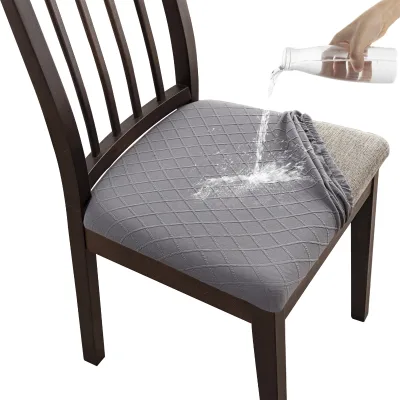
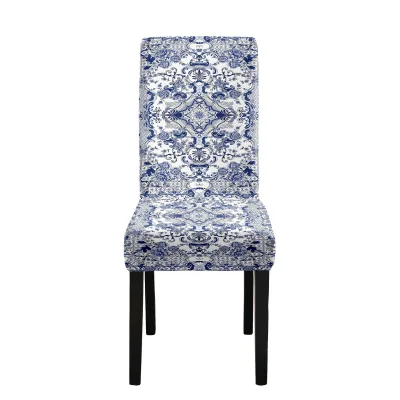


Premium Water-Resistant Polyester Tablecloth with Elegant Jacquard Design
$4.30 - $5.30
MOQ: 500 Pieces


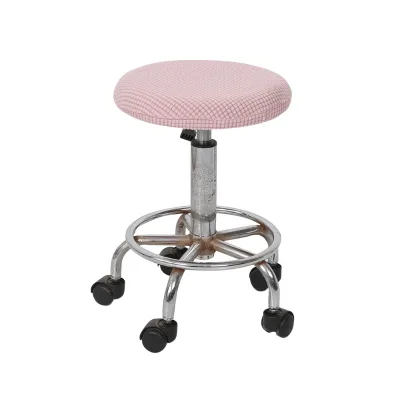
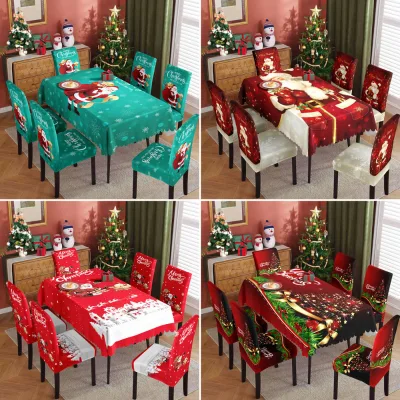

Luxury 100% Polyester Restaurant Wedding Table Cover Jacquard Table Cloth
$13.00 - $20.00
MOQ: 50 Pieces
Comprehensive Sourcing Guide
Jacquard Washable Tablecloth and Chair Cover Set Sourcing Guide
Sourcing high-quality textile sets for hospitality and event environments requires a careful balance between aesthetic appeal and functional durability. The market for jacquard washable tablecloth and chair cover sets is diverse, offering buyers a range of options that blend decorative elegance with practical maintenance requirements. Buyers must navigate a landscape where visual design, such as plain or intricate patterns, intersects with material performance, including water resistance and breathability. Understanding the specific attributes of these products is essential for making informed procurement decisions that align with both brand identity and operational efficiency.
This guide provides a structured approach to evaluating suppliers and products in this category. It focuses on verifying technical specifications, understanding cost drivers, and ensuring compliance with safety standards. By examining observed listing signals and typical commercial terms, buyers can develop a robust sourcing strategy. The following sections detail the critical factors that influence product selection, from material composition and craftsmanship to packaging and customization options, ensuring that procurement teams can confidently select suppliers that meet their specific operational needs.
Product Scope and Observed Listing Signals
The product scope for jacquard washable tablecloth and chair cover sets encompasses a variety of decorative and practical applications, primarily targeting home, hotel, outdoor, and cafe environments. Observed listings indicate that these items are often categorized as decorative or practical, with some sets designed specifically for party decoration or general home use. The material composition frequently includes polyester, cotton, or blends of both, offering different textures and performance characteristics. Buyers should note that while some products are marketed as waterproof, others emphasize breathability and washability, requiring careful selection based on the intended use case.
Listing signals reveal a wide range of customization options, including OEM and ODM services, which are welcomed by many suppliers. This flexibility allows buyers to tailor products to specific brand requirements, such as custom logos or sizes. The observed product models, such as TC-105, TC-142, and CC-044, suggest a standardized yet diverse inventory. Additionally, features like high-temperature resistance and machine washability are highlighted in several listings, indicating a focus on ease of maintenance. Buyers should verify these claims against their specific operational demands, particularly for high-traffic environments where durability and cleaning efficiency are paramount.
Technical Specifications to Verify
Technical verification begins with material composition and craftsmanship. Buyers should confirm whether the product is made from pure polyester, cotton, or a blend, as this affects both the feel and the care requirements. The craftsmanship is often described as jacquard, which implies a woven pattern that adds texture and visual interest. However, some listings also mention plain patterns or woven techniques, so it is crucial to inspect samples to ensure the desired aesthetic is achieved. The grammage, ranging from 17 to 180 GSM, significantly impacts the drape and durability of the fabric, with heavier weights generally offering more robustness for commercial use.
Size and fit are critical technical specifications, especially for chair covers. Some products are labeled as universal size, while others offer customized dimensions. For tablecloths, standard sizes such as 60"R, 60"*70", and larger variants are common, but buyers should verify if custom sizing is available to accommodate unique table shapes. The number of pieces in a set, such as a nine-piece suit for car cushions or seat cushions, should be clearly defined to avoid confusion. Additionally, features like waterproofing and high-temperature resistance should be validated through sample testing, as these claims can vary significantly between suppliers.
Compliance and Safety Documentation
Compliance and safety are non-negotiable aspects of textile procurement, particularly for products used in food service and hospitality settings. Buyers must ensure that all materials meet relevant safety standards for flammability and chemical content. While specific certification statuses are not universally listed, it is essential to request documentation from suppliers to verify that the textiles are free from harmful substances. This includes checking for compliance with local regulations regarding fire retardancy, especially for products used in hotels and public venues.
Documentation should also cover the cleaning and care instructions provided by the manufacturer. Products labeled as machine washable should come with clear guidelines on temperature limits and drying methods to prevent damage. Buyers should verify that the cleaning methods recommended by the supplier align with their operational capabilities. Additionally, any claims regarding waterproofing or stain resistance should be supported by test results or material specifications. Ensuring that all safety and care documentation is available and accurate helps mitigate risks and ensures long-term product performance.
Cost Drivers and Commercial Terms
Cost drivers in this category include material quality, customization complexity, and order volume. The observed MOQ ranges from 30 to 10,000 pieces, offering flexibility for both small and large buyers. Higher customization, such as OEM logos or specific sizes, may incur additional costs, so buyers should clarify these fees upfront. The material composition also plays a significant role in pricing, with blends of polyester and cotton often offering a balance of cost and performance. Buyers should compare quotes based on these variables to ensure they are getting the best value for their specific requirements.
Commercial terms vary among suppliers, with payment methods such as Western Union, PayPal, and T/T being common. Lead times for samples typically range from 3 to 7 days, which is useful for quick decision-making. However, production lead times for bulk orders should be confirmed, as they can impact project timelines. Packaging is usually done in cartons or PVC bags, which affects shipping costs and product protection. Buyers should negotiate terms that align with their cash flow and logistical capabilities, ensuring that all costs, including shipping and customs, are clearly understood.
Supplier Qualification and Quality Control
Supplier qualification involves assessing their production capabilities, quality control processes, and customer service. Buyers should verify the supplier’s origin, with many listing Zhejiang, China, as their place of origin, which is a known hub for textile manufacturing. It is important to check if the supplier has experience in producing jacquard and woven textiles, as this expertise can impact product quality. Requesting references or case studies from previous clients can provide insights into the supplier’s reliability and consistency.
Quality control measures should be clearly defined, including inspection protocols for materials, production, and final products. Buyers should inquire about the supplier’s process for handling defects and returns. Sampling is a critical step in quality assurance, allowing buyers to evaluate the product’s texture, color, and fit before committing to a large order. Buyers should also verify the supplier’s ability to maintain consistency across batches, especially for customized orders. Establishing a clear communication channel with the supplier can help address any issues promptly and ensure that the final product meets expectations.
Long-Term Procurement Checks
Long-term procurement success depends on establishing a sustainable relationship with suppliers and continuously monitoring product performance. Buyers should conduct regular audits of supplier quality and delivery times to ensure consistency. It is important to stay updated on any changes in material standards or regulations that may affect product compliance. Building a diverse supplier base can mitigate risks associated with single-source dependencies, allowing for greater flexibility in sourcing.
Feedback from end-users, such as hotel staff or event planners, should be incorporated into the procurement process to identify areas for improvement. This feedback can inform future purchasing decisions, helping to refine product specifications and supplier selection. Buyers should also monitor market trends and new technologies in textile manufacturing to stay competitive. By maintaining a proactive approach to supplier management and product evaluation, buyers can ensure that their jacquard washable tablecloth and chair cover sets continue to meet the evolving needs of their customers.
FAQs
What customization options are available for the tablecloth set?
Customization is available for this decorative tablecloth set. Buyers can request specific sizes and OEM logos, with sample times ranging from 3 to 7 days before full production begins.
How is the material composition of the jacquard tablecloth defined?
The material is composed of polyester or cotton blends. This combination supports the waterproof feature and ensures the fabric is suitable for both home and party decoration uses.
Which minimum order quantity applies to the decorative tablecloth?
The minimum order quantity varies by product model, typically starting at 30 pieces or 300 pieces. Some specific car cushion sets require a higher minimum of 400 sets for purchase.
Can the tablecloth be washed and maintained easily?
Yes, the product is machine washable and features a washable and breathable design. It is also high temperature-resistant, making it durable for repeated cleaning and daily use.
What packaging methods are used for shipping the tablecloth?
Products are packed in cartons or PVC bags depending on the specific item. This ensures safe transport while maintaining the rectangular shape and quality of the decorative textile during delivery.
Where are the manufacturers of these tablecloths located?
The products originate from Zhejiang, China. This location serves as the primary production hub for the polyester and cotton decorative items listed in the catalog.