Source Ladies Handbag for Travel, Shopping, and Daily Use
Explore 30 verified options for Ladies Handbag featuring customizable sizes, materials like genuine leather and canvas, and waterproof designs. Compare specifications, MOQs, and packing details to find the right supplier for your needs; compare the available evidence and request quotations based on your requirements.
Updated
Key considerations
Products List


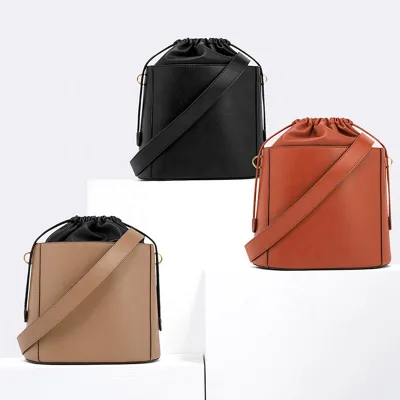
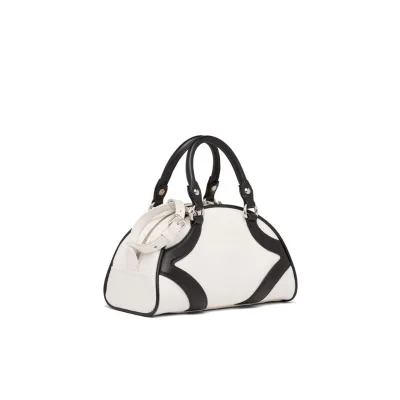
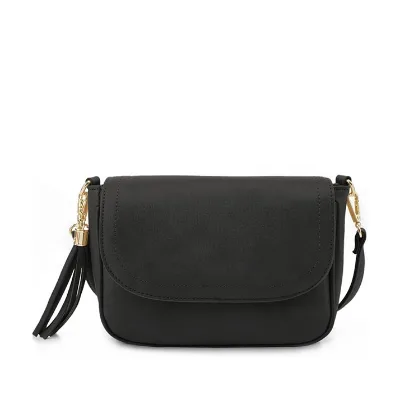
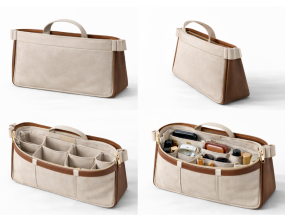

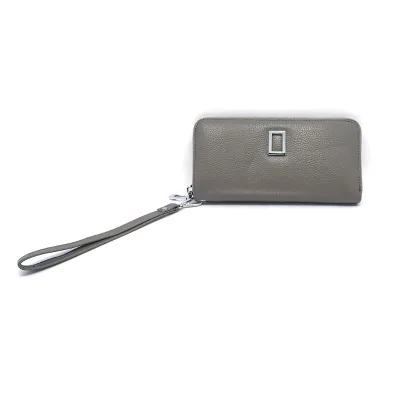
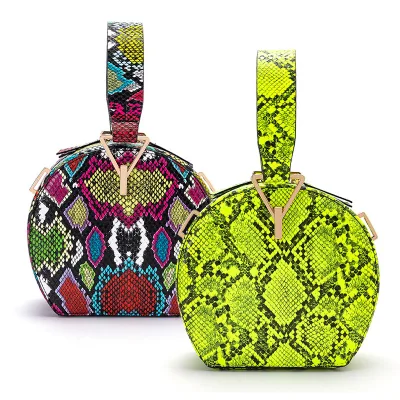
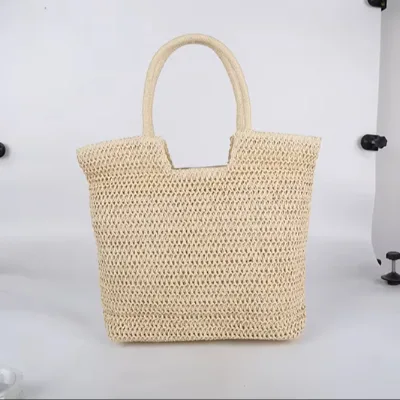
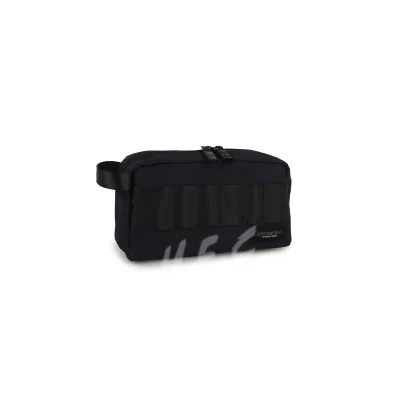




Comprehensive Sourcing Guide
Ladies Handbag Sourcing Guide
Sourcing ladies handbags requires a strategic approach that balances aesthetic appeal with functional durability and supply chain reliability. Buyers must navigate a diverse market where materials range from genuine leather to synthetic alternatives like PU and microfiber, each offering distinct advantages in cost, texture, and environmental impact. The observed product landscape indicates a strong emphasis on customization, with suppliers frequently offering OEM services and tailored design elements such as crocodile grain textures or candy color finishes. This flexibility allows brands to create unique product identities while leveraging established manufacturing capabilities.
Procurement decisions should also account for the specific usage scenarios and target demographics associated with these accessories. Products are often designed for unisex appeal or specific female audiences, with styles ranging from antique horizontal squares to modern fashion statements. Key attributes like waterproofing, inner pocket configurations for phones, and lightweight construction for travel or daily use are critical differentiators. Understanding these functional requirements helps buyers align their inventory with consumer expectations, ensuring that the selected handbags meet both style preferences and practical needs for occasions such as dating, meetings, or outdoor activities.
Product Scope and Observed Listing Signals
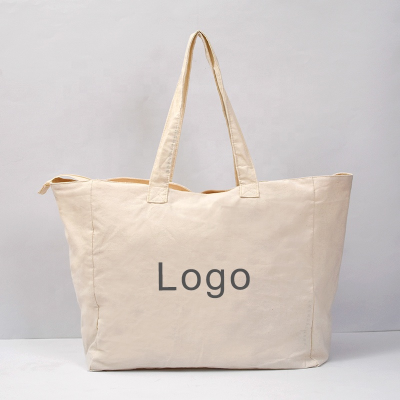
The current market signals reveal a wide variety of handbag types, including canvas, fabric, silicone, and leather options, each catering to different consumer segments. Listings highlight specific models such as Canvas Handbags-093C and Fabric Handbag-069B, indicating a broad inventory that supports diverse branding strategies. Buyers should observe that customization is a prevalent feature, with options available for size, shape, logo, and material selection. This trend suggests that suppliers are equipped to handle bespoke orders, allowing purchasers to develop exclusive product lines that stand out in competitive retail environments.
Packing and logistical details also provide insight into supplier operations and cost structures. Common packing methods include carton shipments with specific piece counts, such as 60 pieces per carton or individual OPP bag packaging, which affects handling and storage efficiency. The presence of standardized dimensions like 23X14X5CM and 28X13X20CM for certain models offers a baseline for spatial planning in warehouses and retail displays. Additionally, the observation of various width and usage acceptances indicates that suppliers are flexible in accommodating non-standard requests, which is valuable for niche market penetration.
Technical Specifications to Verify
Verifying technical specifications is essential to ensure that the handbags meet quality and functional expectations. Buyers should confirm the hardness levels, which range from soft to medium soft, as this directly impacts the bag's structure and user comfort. Material composition is another critical factor, with inside materials often specified as nylon or polyester, while main materials may include genuine leather, microfiber, or PU. These distinctions affect durability, weight, and maintenance requirements, so procurement teams must align material choices with the intended product lifecycle and customer care instructions.
Design elements and structural features also require careful verification to match brand guidelines. Attributes such as fashion elements like crocodile grain or candy colors, along with design styles like horizontal square or antique finishes, must be validated against sample approvals. The number of handles or straps, typically two, and the inclusion of functional components like inner pockets for phones or travel essentials should be inspected. Additionally, confirming the waterproof status and the specific pattern types, such as thread patterns, ensures that the final product delivers on its promised aesthetic and performance claims.
Compliance and Safety Documentation
While specific certification statuses are not explicitly confirmed in the available data, buyers should proactively request documentation related to material safety and environmental standards. The mention of OEKO-TEX in background contexts suggests that such certifications may be relevant for verifying the absence of harmful substances in fabrics and linings. Procurement teams should inquire about compliance with international safety regulations, particularly for materials like PU and genuine leather, to ensure that the products meet the legal requirements of their target markets. This due diligence helps mitigate risks associated with product recalls or regulatory penalties.
Environmental and ethical considerations are increasingly important in the handbag industry. Buyers should verify whether suppliers adhere to eco-friendly practices, as some listings highlight eco-friendly and lightweight characteristics. Documentation regarding the sourcing of raw materials, such as genuine leather or synthetic alternatives, can provide insights into the supply chain's transparency. Additionally, confirming that the manufacturing processes comply with labor standards and environmental protections is crucial for maintaining brand reputation and meeting the growing consumer demand for responsibly produced goods.
Cost Drivers and Commercial Terms
Cost structures in the Ladies Handbag market are influenced by material choices, customization levels, and order volumes. The observed price range of 0.55 to 50 USD reflects significant variation based on factors such as the use of genuine leather versus synthetic materials and the complexity of design elements like crocodile grain textures. Buyers should analyze how these variables impact unit costs and determine the optimal balance between quality and affordability for their specific market positioning. Understanding these drivers enables more accurate budgeting and pricing strategies for retail distribution.
Commercial terms, including MOQs and supply abilities, also play a crucial role in procurement planning. Minimum order quantities observed range from 1 to 1000 pieces, with some suppliers specifying an MOQ of 500 PCS, which affects inventory management and cash flow. Supply abilities, such as 20000 pieces per month, indicate the production capacity and scalability of potential partners. Buyers should negotiate terms that align with their sales forecasts, ensuring that they can secure sufficient stock without overcommitting to large volumes that may lead to excess inventory or storage costs.
Supplier Qualification and Quality Control
Evaluating supplier qualifications is vital for establishing a reliable sourcing partnership. Buyers should assess suppliers based on their experience, such as the noted 15 years of experience, and their ability to handle OEM orders. The advantage of factory-direct pricing and established production capabilities suggests that some suppliers offer competitive rates and consistent quality. Due diligence should include verifying the supplier's location, with Guangdong, China, being a common origin, and understanding their logistical infrastructure to ensure timely delivery and efficient communication throughout the procurement process.
Quality control measures must be integrated into the sourcing strategy to maintain product standards. Buyers should implement pre-production sample approvals and in-line inspections to verify that materials, stitching, and finishes match the agreed specifications. Regular audits of the manufacturing facility can help identify potential issues early, ensuring that products meet the required hardness, waterproofing, and design criteria. Establishing clear quality benchmarks and communication channels with suppliers fosters a collaborative environment that prioritizes consistency and excellence in every batch of ladies handbags produced.
Long-Term Procurement Checks
Long-term procurement success depends on continuous monitoring of supplier performance and market trends. Buyers should regularly review key performance indicators such as on-time delivery rates, defect percentages, and responsiveness to customization requests. Maintaining open lines of communication allows for timely adjustments to orders and helps build a resilient supply chain that can adapt to changing consumer preferences or operational challenges. This proactive approach ensures that the sourcing strategy remains aligned with business goals and customer expectations over time.
Additionally, staying informed about industry developments and regulatory changes is essential for sustained competitiveness. Buyers should periodically reassess material options and design trends to ensure their product offerings remain relevant and appealing. Engaging in strategic partnerships with suppliers who demonstrate innovation and commitment to quality can provide a competitive edge in the market. By focusing on these long-term checks, procurement teams can optimize their sourcing operations, reduce risks, and drive growth in the Ladies Handbag segment.
FAQs
Can I customize the size and logo for Ladies Handbag orders?
Yes, customization is available for size, shape, logo, and material. OEM orders are accepted with a minimum order quantity of 500 pieces. Buyers can specify unique dimensions such as 23x14x5cm or 28x13x20cm to meet specific branding and functional requirements for their target audience.
What materials are used for the main Ladies Handbag construction?
Main materials include genuine leather, microfiber, and PU options. Inside materials vary by model, with nylon and polyester commonly used. Some fabric handbags feature thread patterns, while others utilize silicone or canvas. These choices allow for diverse textures and durability levels suitable for different usage scenarios.
What is the typical packaging method for Ladies Handbag shipments?
Packaging methods vary by product type. Some items use carton packing, while others are packed in OPP bags with 20 pieces per carton. Specific models may have 60 pieces per carton. Customized packaging options are also available to ensure safe transit and meet specific retail presentation needs for buyers.
Which fashion elements are featured in the Ladies Handbag collection?
The collection features various fashion elements including crocodile grain textures and candy color options. Styles range from antique designs to modern fashion trends. Some bags are designed for daily use, dating, or outdoor activities, offering versatile aesthetics that appeal to women and unisex markets seeking distinct visual appeal.
What is the supply capacity for Ladies Handbag manufacturing?
The supply ability is 20,000 pieces per month. This capacity supports bulk orders for various handbag models, including canvas, fabric, and silicone options. The factory-direct approach with 15 years of experience ensures consistent production quality and timely delivery for international buyers requiring steady inventory replenishment for their retail channels.
Are the ladies handbags suitable for eco-friendly laptop carrying?
Yes, certain models are designed as eco-friendly, lightweight laptop bags. These bags offer practical functionality for working, traveling, and shopping. They feature inner pockets for phones and other essentials. The design combines durability with environmental consciousness, making them suitable for professionals who need reliable carrying solutions for daily commutes and business meetings.