Source Waterproof PU Polyester Handbag for Travel, Shopping, Events
Find 30 listings for the Waterproof PU Polyester Handbag to compare features like material, hardness, and customization options. Buyers can evaluate specifications including dimensions, packing, and OEM availability from verified suppliers; compare the available evidence and request quotations based on your requirements.
Key considerations
Products List


PU Leather Shoulder Bag & Handbag
$8.90 - $29.90
MOQ: 1 Pieces
Zhang Fan's Garments Store, Quanzhou Fengze District Quanxiu Street

Fashion Large-Capacity PU Women's Handbag
$8.90 - $29.90
MOQ: 1 Pieces
Zhang Fan's Garments Store, Quanzhou Fengze District Quanxiu Street


Hot Selling Casual Waterproof Large Capacity Handbag Travel Outdoor Bag
$8.99 - $50.00
MOQ: 500 Pieces


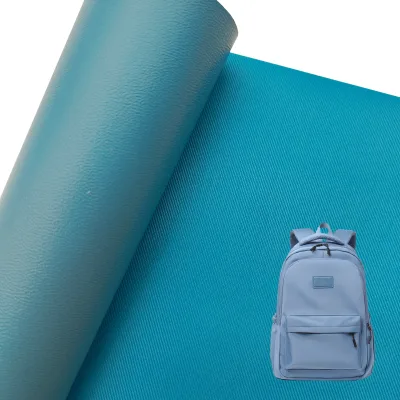


Comprehensive Sourcing Guide
Waterproof PU Polyester Handbag Sourcing Guide
Procuring waterproof handbags constructed from PU and polyester requires a disciplined approach to material verification and functional testing. Buyers must distinguish between surface-level water resistance and true waterproofing capabilities, as these terms carry different implications for product durability and customer satisfaction. The core challenge lies in ensuring that the composite structure of the bag maintains its integrity under various environmental conditions without compromising the aesthetic finish. This guide provides a structured framework for evaluating suppliers, verifying technical specifications, and establishing robust commercial terms that protect your investment.
The primary objective is to align supplier capabilities with your specific brand requirements, whether for retail, promotional, or industrial use. By focusing on observable listing signals and verifiable technical data, you can mitigate the risks associated with inconsistent quality or misleading product descriptions. This document outlines the critical checkpoints for each stage of the procurement process, from initial supplier screening to long-term partnership management. It emphasizes the importance of empirical evidence over marketing claims, ensuring that every decision is grounded in factual data and industry best practices for durable goods procurement.
Product Scope and Observed Listing Signals
When reviewing potential suppliers, pay close attention to the specific material combinations listed in product descriptions. The observed data indicates a mix of PU exterior materials with either cotton or polyester interior linings, which significantly impacts the bag's weight, drape, and internal durability. Buyers should verify whether the "waterproof" claim applies to the entire assembly or only the outer shell, as interior linings like cotton may absorb moisture if the bag is inverted or subjected to heavy rain. Clarifying these material boundaries prevents post-production disputes regarding performance expectations and ensures the final product meets the intended functional specifications for your target market.
Listing signals also reveal a wide range of customization options, including OEM support, custom logos, and varied design patterns such as antique styles or crocodile grain textures. These attributes suggest that suppliers are capable of handling complex design briefs, but they also introduce variability in production consistency. You must assess whether the supplier can maintain uniform quality across different patterns and colors, particularly when dealing with specialized finishes like candy colors or textured PU. Requesting sample swatches that demonstrate the interaction between the waterproof coating and the specific texture is essential to validate that the aesthetic appeal does not compromise the protective properties of the material.
Technical Specifications to Verify
Technical verification must focus on the precise dimensions and structural integrity of the handbag. Observed specifications include dimensions such as 35.00cm by 30.00cm by 30.00cm, which serve as a baseline for standard sizing. However, buyers should confirm whether these dimensions refer to the external measurements or the internal capacity, as this distinction affects packaging and shipping calculations. Additionally, verify the hardness level of the bag, which ranges from partial hard to medium soft in the observed data. This attribute determines the bag's shape retention and resistance to deformation, which is critical for maintaining a professional appearance during transport and daily use.
Waterproofing performance is a key technical specification that requires rigorous testing protocols. While the attribute is listed as "waterproof," buyers must define the testing standard, such as the duration of water exposure and the pressure applied. Verify if the supplier conducts seam sealing tests, as the stitching points are often the weakest links in waterproof construction. Furthermore, check the cooling system and power source attributes if the product includes electronic components, though for standard handbags, focus on the mechanical durability of zippers and handles. Ensuring that the technical specifications align with your quality control standards is vital for avoiding returns and maintaining brand reputation in the marketplace.
Compliance and Safety Documentation
Compliance documentation is a non-negotiable aspect of sourcing durable goods, particularly when dealing with materials like PU and polyester that may contain chemical additives. While the observed data mentions standards such as EN115/GB16899-1997/CE, these are typically associated with escalators or industrial equipment, not handbags. Therefore, buyers must request specific safety data sheets (SDS) for the materials used, ensuring they meet relevant international standards for consumer products. Verify that the supplier can provide proof of compliance with regulations regarding heavy metals, phthalates, and other restricted substances, which is crucial for entering regulated markets like the EU or North America.
In addition to material safety, review the packaging and labeling requirements to ensure they meet local legal standards. The observed packing methods include OPP packages and cartons with specific quantities, such as 60 pieces per carton. Confirm that the packaging materials are recyclable or compliant with environmental regulations if sustainability is a priority for your brand. Requesting third-party inspection reports that verify the absence of harmful chemicals and the accuracy of product labeling will provide an additional layer of assurance. This documentation serves as a legal shield and a testament to the supplier's commitment to quality and regulatory adherence.
Cost Drivers and Commercial Terms
Understanding the cost drivers for waterproof PU polyester handbags is essential for negotiating favorable commercial terms. The observed price range is extensive, from $0.30 to $14,450, reflecting the diversity in product complexity, quantity, and customization levels. For standard handbags, the cost is primarily driven by the quality of the PU material, the complexity of the waterproofing process, and the labor involved in assembly. Buyers should request a detailed cost breakdown that separates material costs, labor, and overhead, allowing for a more transparent negotiation process. This transparency helps identify areas where cost reductions can be achieved without compromising quality.
Commercial terms, including Minimum Order Quantity (MOQ) and payment structures, significantly impact cash flow and inventory management. The observed MOQ ranges from 1 to 2,000 pieces, with specific listings indicating 500 pieces or 300 pieces per color and style. Negotiating the MOQ is crucial, especially for new products or seasonal items, as it affects the risk of overstocking. Consider requesting tiered pricing structures that offer discounts for larger orders, which can improve margins as sales volume increases. Additionally, clarify the payment terms, such as the percentage required upfront versus the balance due upon shipment, to ensure a balanced risk distribution between buyer and supplier.
Supplier Qualification and Quality Control
Supplier qualification involves a thorough assessment of the manufacturer's production capabilities and quality control systems. Verify that the supplier has the necessary equipment to handle the specific waterproofing techniques required for your product, such as lamination or coating application. Request references from other clients who have sourced similar products, and if possible, conduct a factory audit to evaluate the production environment and workforce skills. A qualified supplier will have a documented quality control process that includes incoming material inspection, in-process checks, and final product testing, ensuring that defects are identified and corrected before shipment.
Quality control protocols should be tailored to the specific risks associated with waterproof handbags. Implement a pre-shipment inspection (PSI) that includes functional tests for zippers, handles, and waterproofing integrity. Define the acceptable defect rate and the criteria for rejecting batches, ensuring that these standards are clearly communicated to the supplier. Use statistical process control methods to monitor production consistency, particularly for attributes like color consistency and seam strength. By establishing a robust quality control framework, you can minimize the risk of receiving defective products and maintain a high level of customer satisfaction.
Long-Term Procurement Checks
Establishing a long-term procurement relationship requires ongoing monitoring and continuous improvement initiatives. Regularly review the supplier's performance metrics, including on-time delivery rates, defect rates, and responsiveness to inquiries. Conduct periodic audits to ensure that the supplier maintains its quality standards and complies with ethical labor practices. Building a collaborative relationship with the supplier can lead to better pricing, priority production slots, and access to new materials or technologies that can enhance your product offerings.
Sustainability and supply chain resilience are increasingly important considerations in long-term procurement. Evaluate the supplier's commitment to environmental sustainability, including their waste management practices and use of eco-friendly materials. Diversify your supplier base to mitigate risks associated with geopolitical instability, natural disasters, or supply chain disruptions. By maintaining a strategic approach to procurement, you can ensure a stable supply of high-quality waterproof handbags that meet your business objectives and customer expectations.
FAQs
Can I get customized logos on these handbags?
Yes, customized logos are available for these handbags. The product attributes confirm that logo customization is a standard option for buyers. This allows businesses to brand their products effectively while maintaining the quality and design features listed in the specifications.
What is the minimum order quantity for these items?
The minimum order quantity is 500 pieces for the standard handbag models. Some specific styles may require 300 pieces per color or style. Buyers should verify the exact MOQ based on the specific product model and customization requirements before placing an order.
Are these handbags waterproof or water-resistant?
Some fabric handbag models are waterproof, while others are non-waterproof. The product list includes variations with different water resistance levels. Buyers must check the specific product model attributes to confirm if the waterproof feature is included for their needs.
Which materials are used for the inside lining?
The inside material options include cotton and polyester depending on the specific model. These materials are selected for durability and comfort. Buyers should review the material specifications for each product model to ensure the lining meets their quality and functional requirements.
What is the origin location of these products?
The products originate from China. This location is confirmed in the product attributes for the listed handbags. Buyers sourcing from this region should consider shipping logistics and lead times associated with manufacturing in China for international orders.
Can I order OEM products with specific designs?
Yes, OEM orders are accepted for these handbags. Customization is available for various design elements including patterns and styles. Buyers can request specific designs while adhering to the minimum order quantities and production capabilities of the suppliers.