Source Laser Cutting Cast Acrylic Sheet for Architecture
Compare 30 laser cutting cast acrylic sheet options from verified Chinese manufacturers. Buyers can evaluate thickness, transparency, and certifications like ISO9001 and SGS for custom projects. These sheets feature high hardness, UV resistance, and water absorption rates as low as 0.01%. Available in clear and colored variants with sizes up to 4x8 feet.
Key considerations
Products List


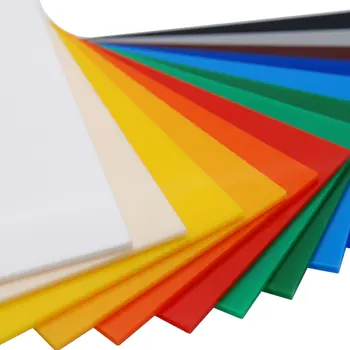
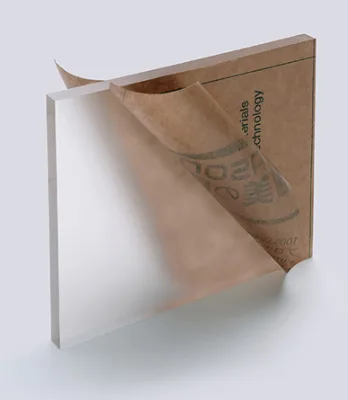
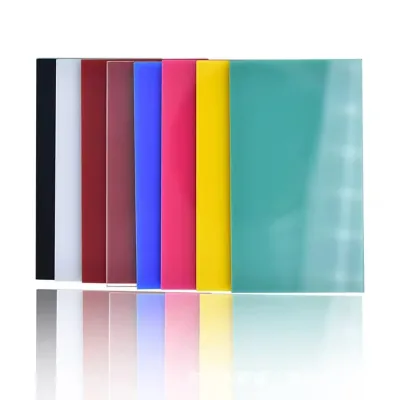


Comprehensive Sourcing Guide
Laser Cutting Cast Acrylic Sheet Sourcing Guide
Sourcing laser-cut cast acrylic sheets requires a nuanced understanding of material behavior under thermal stress, as the casting process yields a polymer structure that differs significantly from extruded alternatives. Buyers must prioritize sheets manufactured from 100% pure MMA or virgin raw materials to ensure optical clarity and structural integrity during the cutting process. The observed market offers a wide range of thicknesses, typically spanning from 1.8mm up to 50mm for cast variants, which allows for substantial design flexibility in architectural and decorative applications. Understanding these physical properties is the first step in preventing cracking or melting during fabrication.
Procurement teams should also evaluate the surface finish and optical transmittance, which are critical for high-end aesthetic projects. Cast acrylic sheets often exhibit transmittance rates around 92.5% to 93%, providing exceptional light transmission that enhances the visual appeal of finished products. The material is available in transparent, colored, and specialty finishes such as glossy, frosted, or embossed surfaces, catering to diverse branding and design needs. Verifying these attributes early in the sourcing process ensures that the final product meets both functional requirements and aesthetic expectations without unexpected variations in color or clarity.
Product Scope and Observed Listing Signals
The current market landscape for laser cutting cast acrylic sheets presents a diverse array of product listings, with observed price points ranging from $0.20 to $180 per unit, reflecting variations in thickness, color, and certification levels. Minimum order quantities (MOQs) are similarly flexible, starting from just one piece for prototyping up to 2,000 units for large-scale industrial projects. This variability allows buyers to scale their procurement strategies effectively, whether they are testing new designs or fulfilling massive commercial orders. It is essential to correlate these commercial terms with the specific technical requirements of your project to avoid over-ordering or under-sourcing.
Listing signals also indicate a strong emphasis on customization and processing services, with many suppliers offering tailored solutions for specific dimensions and finishes. Standard sizes like 1220x2440mm (4x8FT) are widely available, but customized sizes such as 1220x1830mm or 2x3m are also common, accommodating unique architectural or advertising needs. The presence of processing services suggests that suppliers can assist with edge polishing, drilling, or bending, adding value beyond simple material supply. Buyers should leverage these services to streamline their production workflow and reduce the need for additional post-processing steps.
Technical Specifications to Verify
When verifying technical specifications, tensile strength and contraction percentage are critical metrics that determine the durability and dimensional stability of the acrylic sheet. Observed data indicates tensile strengths ranging from 51 to 80MPa, which is sufficient for most structural and decorative applications. The contraction percentage, typically between 0.4% and 1.4%, is a vital factor for laser cutting precision, as excessive shrinkage can lead to warped edges or misaligned components. Buyers must request specific test data for each batch to ensure consistency, especially when working with tight tolerances in high-precision manufacturing environments.
Water absorption and density are also key parameters that influence the material's performance in varying environmental conditions. Cast acrylic sheets generally exhibit low water absorption rates, often below 0.4%, with some high-grade options showing absorption as low as 0.01%. This property ensures that the material remains stable and does not degrade or warp when exposed to moisture. Additionally, the density of approximately 1.2g/cm3 contributes to the sheet's weight and handling characteristics. Verifying these specifications helps buyers select the right material for applications ranging from outdoor signage to indoor architectural features, ensuring long-term reliability and performance.
Compliance and Safety Documentation
Compliance with international standards is non-negotiable for sourcing acrylic sheets, particularly for applications in architecture, advertising, and decoration where safety and environmental impact are paramount. Buyers should verify that suppliers hold recognized certifications such as SGS, RoHS, ISO9001, and CE, which attest to the material's quality and safety. These certifications ensure that the acrylic sheets are free from harmful substances and meet rigorous manufacturing standards. Documentation should be readily available and up-to-date, providing assurance that the materials are suitable for use in regulated industries and markets.
In addition to product certifications, buyers should inquire about environmental and occupational health standards, such as ISO14001 and ISO45001, which reflect the supplier's commitment to sustainable practices and worker safety. These certifications indicate a holistic approach to manufacturing that extends beyond the product itself to include the production process. Ensuring that suppliers adhere to these standards reduces the risk of supply chain disruptions due to regulatory non-compliance and enhances the overall reputation of the buyer's brand. Requesting detailed compliance reports during the sourcing process is a prudent step to mitigate potential legal and ethical risks.
Cost Drivers and Commercial Terms
Several factors influence the final cost of laser cutting cast acrylic sheets, including raw material purity, thickness, color, and certification levels. Sheets made from 100% virgin raw materials and those with higher optical transmittance typically command a premium price. Thickness also plays a significant role, with thicker sheets generally costing more due to increased material usage and processing time. Buyers should analyze these cost drivers to identify opportunities for optimization without compromising on quality, such as selecting standard sizes or colors that are more readily available and less expensive.
Commercial terms, including delivery times and payment conditions, are equally important in the procurement equation. Observed delivery times range from 7 to 25 days, depending on the order size and customization requirements. Buyers should negotiate clear lead times and penalties for delays to ensure timely project completion. Additionally, understanding the packaging methods, such as PE film and plywood pallets, is crucial for protecting the sheets during transit and minimizing damage-related costs. Clear communication of these terms helps in budgeting accurately and avoiding unexpected expenses that can impact the overall project profitability.
Supplier Qualification and Quality Control
Supplier qualification is a critical step in ensuring the reliability and consistency of the acrylic sheet supply. Buyers should assess the supplier's technological capabilities, looking for evidence of advanced equipment and high-tech enterprise status, which often correlates with better quality control and innovation. The ability to provide customized solutions and processing services is also a strong indicator of a supplier's flexibility and customer focus. Conducting site visits or requesting detailed audits of the manufacturing facilities can provide valuable insights into the supplier's operational efficiency and quality management systems.
Quality control measures should be rigorously evaluated, with a focus on the supplier's ability to maintain consistent product specifications across batches. Buyers should request samples and conduct their own tests to verify tensile strength, transmittance, and other critical attributes. Establishing a clear quality assurance protocol, including regular inspections and feedback loops, helps in maintaining high standards and addressing any issues promptly. Collaborating with suppliers who prioritize quality and transparency fosters a long-term partnership that benefits both parties and ensures the successful execution of procurement projects.
Long-Term Procurement Checks
Long-term procurement success depends on continuous monitoring of supplier performance and market trends. Buyers should establish key performance indicators (KPIs) to track delivery times, product quality, and responsiveness to issues. Regular reviews of these metrics help in identifying potential problems early and taking corrective actions before they escalate. Additionally, staying informed about advancements in acrylic technology and manufacturing processes allows buyers to make informed decisions about material selection and sourcing strategies. This proactive approach ensures that the procurement function remains agile and competitive in a dynamic market environment.
Building a resilient supply chain also involves diversifying suppliers and maintaining healthy relationships with multiple vendors. This strategy reduces the risk of supply disruptions and provides leverage in negotiations. Buyers should also consider the environmental and social impact of their sourcing decisions, aligning with corporate sustainability goals. By integrating these long-term checks into their procurement processes, buyers can ensure a steady supply of high-quality laser cutting cast acrylic sheets that meet their evolving needs and contribute to their overall business success.
FAQs
What is the typical thickness range for laser cutting cast acrylic sheets?
The typical thickness ranges from 1.8mm to 50mm for cast acrylic sheets. This range accommodates various laser cutting applications, ensuring structural integrity and precision. Thicker sheets may require adjusted laser parameters to achieve clean edges without excessive heat buildup or melting during the cutting process.
Can cast acrylic sheets be customized for specific project requirements?
Yes, customization is available for cast acrylic sheets to meet specific project needs. Buyers can request tailored sizes, colors, or surface finishes such as glossy, frosted, or embossed options. This flexibility allows for precise integration into architectural, advertising, or decorative applications while maintaining high optical clarity.
What certifications are commonly associated with high-quality cast acrylic sheets?
High-quality cast acrylic sheets often carry SGS, RoHS, ISO9001, CE, ISO14001, and ISO45001 certifications. These credentials verify compliance with international safety, environmental, and quality management standards. Buyers should verify specific certification documents to ensure the material meets regulatory requirements for their target market or industry application.
How does water absorption affect the performance of cast acrylic sheets?
Water absorption in cast acrylic sheets is typically low, ranging from less than 0.01% to 0.4%. This minimal absorption ensures dimensional stability and prevents degradation in humid environments. Low water absorption contributes to the material's durability and maintains its optical clarity and mechanical strength over time in various applications.
What is the standard delivery time for cast acrylic sheet orders?
Standard delivery times for cast acrylic sheets typically range from 7 to 25 days, depending on order volume and customization. Expedited processing may be available for standard specifications. Buyers should confirm lead times with suppliers to align production schedules, especially for large orders requiring specific packaging or customized dimensions.
Which raw materials are used to produce cast acrylic sheets?
Cast acrylic sheets are produced using 100% pure MMA (methyl methacrylate) or virgin raw materials. This ensures high transparency, UV resistance, and consistent quality. The use of pure materials prevents impurities that could affect laser cutting results or long-term durability, making them suitable for premium architectural and advertising uses.