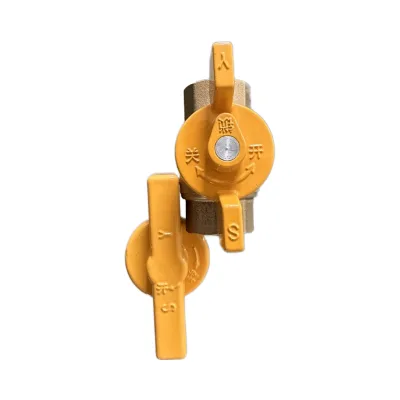
Source Lever Handle Brass Gas Valve for Industrial and Household Use
Find a Lever Handle Brass Gas Valve from 30 verified listings. Compare specifications including PN1.0-32.0MPa pressure ratings, brass or stainless steel ball materials, and thread connections for water and gas applications; compare the available evidence and request quotations based on your requirements.
Key considerations
Products List


$5.00
MOQ: 1000 Pieces




Comprehensive Sourcing Guide
Lever Handle Brass Gas Valve Sourcing Guide
Procuring lever handle brass gas valves requires a precise understanding of the specific operational environment, as these components serve critical roles in both residential and industrial gas distribution systems. The observed market data indicates a diverse range of models, including specific designations like GBV19 and BVE10A, which cater to varying pressure requirements and connection standards. Buyers must distinguish between valves designed for ordinary temperature applications and those rated for high-temperature scenarios to ensure system integrity under thermal stress.
The supply chain for these components often originates from manufacturing hubs in China, with delivery timelines typically extending to approximately 45 days. This lead time necessitates advanced planning for inventory management, particularly when sourcing for large-scale industrial projects or seasonal residential upgrades. Understanding the standard packaging methods, such as inner bags within outer cartons on pallets, is essential for logistics planning to prevent damage during transit and ensure efficient warehouse handling upon arrival.
Product Scope and Observed Listing Signals
The current market listings reveal a broad spectrum of product attributes, including fixed and flexible ball valve structures that accommodate different flow control needs. While some units are explicitly designated for gas media, others are listed for water industrial usage, requiring buyers to carefully verify the intended media compatibility before finalizing a purchase order. The observed price range of 0.5 to 20 USD suggests significant variation based on material composition, such as the use of CW617N brass or stainless steel balls, and surface treatments like chrome plating or plain brass finishes.
Buyers should note that minimum order quantities (MOQ) generally fall between 200 and 5000 units, with a high-confidence observation of 1000 units for specific models. This volume requirement impacts the economic feasibility of sourcing for smaller projects, making it crucial to evaluate whether the supplier can accommodate split shipments or if the buyer must consolidate orders to meet the threshold. The availability of customization options allows for tailored solutions, yet the standard configurations often dominate the listings, offering a baseline for comparison against specialized requests.
Technical Specifications to Verify
Technical due diligence must focus on the precise connection forms and pressure ratings, as the listings cite standards ranging from 1/2x14 to 3/4x22 threads and nominal pressures up to 32.0 MPa. Verifying the exact thread standard is critical to ensure compatibility with existing piping infrastructure, as mismatches can lead to dangerous leaks or the inability to install the valve securely. The maximum working pressure specifications, which may include ratings like PN16 or 400psi, must be cross-referenced against the system's operating conditions to prevent catastrophic failure under pressure surges.
Material composition and stem construction are equally vital, with observations noting brass or nickel-plated stems and handles available in colors like yellow, red, or blue for easy identification. The raw material is frequently cited as CW617N or 58-2 brass, but buyers must confirm the specific alloy grade to ensure corrosion resistance and mechanical strength suitable for gas applications. Additionally, the sealing materials, such as EPDM or NBR for OEM parts and PTFE for washers, determine the valve's longevity and resistance to chemical degradation over time.
Compliance and Safety Documentation
Safety compliance is paramount when sourcing valves for gas applications, as these components directly impact the integrity of fuel distribution systems. While specific certifications like CE or RoHS are mentioned in background contexts, buyers must explicitly request current test reports and certification documents from the supplier to verify that the specific batch meets the required safety standards for the target market. Relying on general claims without documented proof can expose the buyer to significant liability and regulatory penalties if the valves fail to meet local safety codes.
Documentation should also include detailed material safety data sheets and pressure test results that validate the valve's performance under the stated maximum working pressures. Buyers should ensure that the supplier provides traceability for the raw materials used, confirming that the brass and sealing components meet the necessary purity and durability standards. Without this comprehensive safety dossier, the risk of installing non-compliant equipment remains high, potentially voiding insurance coverage and violating industry regulations.
Cost Drivers and Commercial Terms
The final cost of lever handle brass gas valves is influenced by several factors, including the complexity of the surface treatment, the specific alloy grade of the brass, and the volume of the order. Surface treatments like chrome plating or nickel plating add to the manufacturing cost compared to plain brass finishes, while custom OEM requests may incur additional tooling or setup fees. Buyers must analyze the total landed cost, factoring in the 45-day delivery time and potential expedited shipping charges if the standard lead time does not align with project schedules.
Commercial terms regarding payment and packaging also play a significant role in the overall procurement strategy. The standard packing methods, which include export standing packing or cartons on pallets, are designed to minimize damage but may vary based on the specific model ordered. Negotiating clear terms for sample availability and the process for handling defects is essential, as the high MOQs mean that a single batch failure can result in substantial financial loss. Clear agreements on these terms help mitigate risks associated with large-volume transactions.
Supplier Qualification and Quality Control
Establishing a robust supplier qualification process is essential to ensure consistent quality in lever handle brass gas valves, given the critical nature of their application. Buyers should verify the supplier's manufacturing capabilities, including their ability to maintain strict tolerances on thread standards and pressure ratings, as these are common points of failure in the field. Requesting a facility audit or a detailed quality management system certificate can provide insight into the supplier's commitment to maintaining high production standards and minimizing defect rates.
Quality control protocols must be clearly defined before production begins, specifying the inspection criteria for dimensions, surface finish, and pressure testing. The supplier should demonstrate a track record of handling the specific models listed, such as the GBV series or BGV-010-06, with a proven history of meeting delivery timelines and maintaining product consistency. Implementing a pre-shipment inspection process allows the buyer to catch any deviations from the agreed specifications before the goods leave the factory, ensuring that only compliant products enter the supply chain.
Long-Term Procurement Checks
Sustaining a successful procurement relationship requires ongoing monitoring of supplier performance and product reliability over the long term. Buyers should establish a feedback loop to track field performance data, noting any instances of leakage, corrosion, or mechanical failure that might indicate underlying quality issues. Regular reviews of the supplier's ability to meet the 45-day delivery window and maintain the required MOQ levels are necessary to prevent supply chain disruptions and ensure project continuity.
Continuous improvement initiatives should be encouraged, focusing on the supplier's ability to adapt to changing market demands or regulatory requirements. This includes staying updated on new material standards or safety certifications that may become mandatory in the buyer's region. By maintaining open communication and setting clear expectations for future orders, buyers can foster a partnership that prioritizes quality and reliability, ultimately securing a stable supply of critical gas valve components for their operations.
FAQs
What materials are used for the ball and stem?
The ball is made from brass or stainless steel, while the stem is available in brass, nickel plated, or chrome plated finishes. These materials ensure durability and resistance to corrosion in gas applications. The washer material is PTFE, and the OEM material options include EPDM or NBR for sealing integrity.
Can I customize the lever handle color?
Yes, customization is available for the lever handle color. Buyers can choose from yellow, red, or blue options to suit specific industrial or household usage requirements. This feature allows for better identification and safety compliance in various piping systems. The customization service supports OEM requests for tailored visual specifications.
What is the typical delivery time for orders?
The typical delivery time is about 45 days for standard orders. This lead time applies to most configurations, including those with plain brass or chrome plate surface treatments. Buyers should account for this duration when planning inventory. Expedited options may vary, so confirming specific timelines with the supplier is recommended for urgent procurement needs.
What is the minimum order quantity for these valves?
The minimum order quantity is generally 1000 units. However, observed ranges indicate that some suppliers may accept orders starting from 200 units up to 5000 units depending on the specific model. Buyers should verify the exact MOQ with the manufacturer, as it can vary based on customization requirements and stock availability.
What pressure ratings are available for these valves?
The nominal pressure rating ranges from PN1.0 to 32.0MPa. Maximum working pressures include PN16, PN25, PN32, PN40, PN50, or 400psi and 600psi options. These ratings ensure suitability for various gas and water industrial applications. Buyers should select the appropriate rating based on their system's operational requirements to ensure safety and performance.
How are the valves packaged for shipping?
Valves are packaged in inner bags and outer cartons, then placed on pallets for secure transport. Some models use bag, pallet, and carton combinations, while others are packed in boxes within cartons. Export standing packing is also available for specific models. This packaging ensures protection during transit and facilitates efficient handling at the destination port.