Source Liquid Hydrogen Sulfide Scavenger for Biogas Oilfield and Landfill
Find 30 verified options for Liquid Hydrogen Sulfide Scavenger suitable for biogas, oilfield, and landfill applications. Buyers can compare specifications, packing formats, and performance data from multiple Chinese manufacturers to select the right solution.
Key considerations
Products List


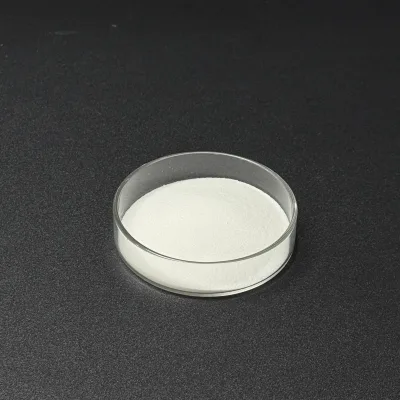


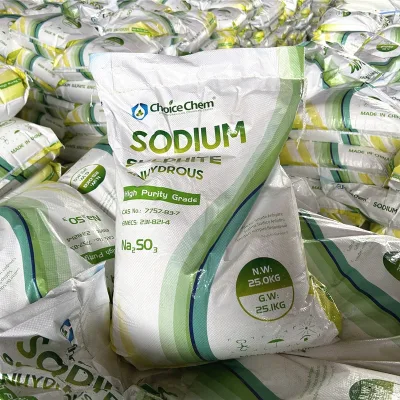
Industrial Sodium Hydrogen Sulfite - Corrosion Inhibitor in Oil Refining
$345.00 - $355.00
MOQ: 27 tons

Triazine-Based H2s Scavenger Sulscav HP Scavenging of Hydrogen Sulfide
$10.00 - $600.00
MOQ: 400 Pieces

Rapid Scavenging of Hydrogen Sulfide From Low-Viscocity Fluids Sulscav HP
$10.00 - $12000.00
MOQ: 40 Pieces


Comprehensive Sourcing Guide
Strategic Sourcing Guide for Liquid Hydrogen Sulfide Scavengers
Understanding Product Categories and Physical States
When initiating a procurement strategy for hydrogen sulfide (H2S) removal, the first critical step is distinguishing between the physical forms of available scavengers. The market generally bifurcates into solid granular media and liquid additive solutions. For buyers specifically targeting a Liquid Hydrogen Sulfide Scavenger, the focus shifts to products designed to be injected directly into the fluid stream, such as crude oil, waste oil, or associated gas condensates, rather than packed into fixed-bed vessels.
Based on observed product attributes, liquid scavengers are characterized by their solubility and fluid dynamics. Unlike solid granules which function as structured packing in fixed beds, liquid variants are often described as having a specific gravity (S.G.) ranging from 1.0 to 1.2. The physical appearance of these products typically ranges from colorless to pale yellow, though some market listings indicate a yellow hue. A defining characteristic for liquid formulations is their solubility profile; they are generally soluble in water or acid, which facilitates their integration into aqueous or hydrocarbon-based systems.
The active component in these liquid solutions is distinct from the ferric/iron oxide/hydroxide composition found in solid granular media. Instead, liquid scavengers often function as composite additives. Their primary application is listed as a "Composite Additive" for waste oil and crude oil, serving as an oil-soluble hydrogen sulfide scavenger. This distinction is vital for procurement teams, as the injection method, storage requirements, and downstream processing needs for a liquid additive differ significantly from those of a solid granular removal agent. Buyers must verify the specific "Solid Content" of the liquid product, as observed data suggests a minimum threshold of 35% for certain formulations, which directly impacts the volume required for effective treatment.
Technical Specifications and Performance Parameters
Evaluating the technical viability of a liquid H2S scavenger requires a deep dive into its chemical and physical specifications. The performance of these agents is not merely about the concentration of the active ingredient but also how that ingredient interacts with the host fluid. For liquid scavengers, the "Oil Soluble" attribute is a non-negotiable specification for applications involving crude oil or associated gas, ensuring the additive mixes homogeneously without separating out prematurely.
Key technical parameters to verify during the sourcing process include the specific gravity and water solubility. A specific gravity between 1.0 and 1.2 indicates a density slightly higher than water, which can influence separation processes if the scavenger is intended to be removed from the product stream later. The solubility in water or acid suggests versatility in handling different feedstock conditions, but it also necessitates careful storage to prevent premature reaction with moisture in the air or humidity in the supply chain.
In contrast to solid granules which boast a specific surface area of 200-400 and a porosity of 70-90%, liquid scavengers do not rely on surface area in the same manner. Instead, their efficacy is driven by the chemical reactivity of the dissolved active component. While solid products may have a breakthrough sulfur capacity defined by standards such as Hg/T4354-2012, liquid products are often evaluated by their ability to reduce H2S levels in the bulk fluid. Buyers should request batch-specific test data regarding the reaction kinetics and the final concentration of H2S in the treated product, as these metrics are not standardized across all liquid formulations in the same way they are for solid granules.
The following table summarizes the key physical distinctions between solid and liquid scavenger types based on available market data:
| Feature | Solid Granular Scavenger | Liquid Scavenger |
|---|---|---|
| Primary Form | Granule / Pellet | Colorless to Pale Yellow Liquid |
| Active Component | Ferric/Iron Oxide/Hydroxide | Oil Soluble Composite Additive |
| Application Method | Fixed Bed / Vessel | Direct Injection / Mixing |
| Solubility | Insoluble (Physical Removal) | Soluble in Water or Acid |
| Specific Gravity | N/A (Bulk Density 0.8-0.95 Kg/L) | 1.0 - 1.2 |
| Solid Content | 100% | Min 35% |
| Typical Packing | 40kg Bag / 800kg Bag | Drum / IBC / ISO Tank |
Compliance, Certification, and Environmental Standards
In the B2B chemical procurement landscape, compliance is as critical as performance. For liquid hydrogen sulfide scavengers, buyers must rigorously verify certification status to ensure the product meets international safety and environmental regulations. Observed market data indicates that some suppliers provide certifications such as REACH and CCIC. These certifications are essential for products entering the European Union or China, respectively, and serve as a baseline for regulatory adherence.
Environmental protection is another paramount consideration. The data confirms that liquid scavengers are often marketed with an "Environmental Protection: Yes" attribute. However, this claim requires substantiation. Buyers should inquire about the disposal mechanisms and toxicity profiles of the spent scavenger. While solid granules may have a "Tclp Passed" status indicating they are non-hazardous waste, liquid spent scavengers often contain heavy metals or reaction byproducts that require specific disposal protocols. The "Depends on Local Regulations" note for disposal highlights that the end-of-life management of the product is jurisdiction-dependent.
Furthermore, the "Oil Soluble" nature of the product implies it will remain in the hydrocarbon stream. If the treated oil is destined for refining or further processing, the scavenger must not introduce contaminants that violate downstream product specifications. Buyers should request a Material Safety Data Sheet (MSDS) and a Certificate of Analysis (CoA) that explicitly details the heavy metal content and biodegradability of the liquid additive. The presence of certifications like REACH suggests a commitment to chemical safety, but the buyer must ensure the specific batch being procured carries the valid documentation, as certifications can be product-line specific rather than company-wide.
Cost Drivers and Procurement Economics
The cost structure of liquid hydrogen sulfide scavengers is influenced by several variables, including the concentration of the active ingredient, the packaging format, and the volume of the order. Unlike solid granules which are often sold in 40kg bags or 800kg palletized bags, liquid scavengers are typically packaged in drums, IBC drums, or ISO tanks. The observed standard packaging includes 200kg drums, 1000kg IBC drums, and ISO tanks.
The choice of packaging significantly impacts the unit cost and logistics. A 200kg drum is suitable for smaller operations or pilot testing, while ISO tanks are optimized for high-volume industrial applications, offering a lower cost per kilogram due to reduced packaging material and handling efficiency. The Minimum Order Quantity (MOQ) for these products can vary widely, with observed ranges spanning from 1 unit to 1000 units. This variance suggests that suppliers may offer flexible terms for smaller buyers but enforce higher volumes for competitive pricing on bulk shipments.
Buyers should also consider the "Solid Content" as a cost driver. A product with a minimum of 35% solid content implies that 65% of the volume is carrier fluid. If the active ingredient is expensive, a higher solid content formulation may offer better value, even if the initial purchase price per liter is higher. Conversely, a lower concentration product might be cheaper upfront but require larger volumes to achieve the same H2S removal effect. Procurement teams must calculate the "cost per ppm of H2S removed" rather than just the cost per drum to make an informed economic decision. Additionally, the lead time and shipping costs for heavy liquids like ISO tanks must be factored into the total landed cost, as these items often require specialized transport arrangements.
Supplier Evaluation and Quality Assurance
Selecting a reliable supplier for liquid H2S scavengers requires a multi-faceted evaluation process that goes beyond price comparison. Since the product is a chemical additive, the consistency of the formulation is paramount. Buyers should verify the supplier's ability to maintain the "Solid Content" at the specified minimum of 35% across different batches. Variations in this metric can lead to inconsistent H2S removal performance, potentially causing operational disruptions in oil and gas processing facilities.
Quality control protocols should be a central part of the supplier selection criteria. Buyers must request detailed test results for each batch, including specific gravity, color, and active ingredient concentration. The "Appearance" of the liquid should be consistent, described as colorless to pale yellow or yellow. Any deviation in color or clarity could indicate contamination or degradation of the product. Furthermore, the supplier should provide evidence of their "Environmental Protection" capabilities, such as waste management plans for spent scavengers, to ensure the buyer remains compliant with local environmental laws.
The origin of the product is another factor to consider. Observed data indicates that many liquid scavengers originate from China. While this does not preclude quality, it necessitates a thorough review of the supplier's export history and logistics capabilities. Buyers should assess the supplier's ability to handle the specific packaging requirements, such as 200kg drums or ISO tanks, and ensure that the "Standard Export Packing" is robust enough to prevent leakage or contamination during transit.
Applications and Operational Integration
Liquid hydrogen sulfide scavengers are primarily deployed in the oil and gas sector, specifically for treating Waste Oil And Crude Oil Additives. Their application is distinct from solid granules, which are used in fixed beds for biogas or landfill gas treatment. The liquid form allows for direct injection into the crude oil stream or associated gas condensate, where it reacts with H2S to form stable compounds that can be separated or disposed of later.
The versatility of these liquid additives is highlighted by their use in various gas applications, including oilfield associated gas. The ability to function as a "Composite Additive" means they can be integrated into existing chemical injection systems without requiring major infrastructure changes. However, the "Oil Soluble" nature requires that the injection point be carefully selected to ensure thorough mixing before the fluid enters the separation or refining stages.
Buyers must also consider the downstream implications of using a liquid scavenger. Since the product is soluble, it may remain in the final product unless a specific separation step is implemented. This is a critical operational consideration for refineries that have strict limits on sulfur content or additive residuals. The procurement guide should emphasize the need for a clear understanding of the "Effect" of the scavenger on the final product quality. While the primary goal is H2S removal, the secondary effects on viscosity, color, or stability of the crude oil must be evaluated to ensure the scavenger does not compromise the marketability of the final product.
Long-Term Procurement and Supply Chain Resilience
Establishing a long-term procurement strategy for liquid H2S scavengers involves more than just securing a single purchase. It requires building a resilient supply chain that can withstand market fluctuations and operational demands. Given the variability in MOQs and packaging options, buyers should negotiate contracts that allow for flexibility in order volumes. This is particularly important for facilities with seasonal variations in gas production or fluctuating H2S levels.
Sustainability and regulatory compliance will become increasingly important over time. As environmental regulations tighten globally, the demand for scavengers that are not only effective but also environmentally benign will grow. Buyers should prioritize suppliers who demonstrate a commitment to "Environmental Protection" and hold valid certifications like REACH. This proactive approach mitigates the risk of future regulatory non-compliance and ensures the supply chain remains viable.
Finally, the technical support provided by the supplier is a crucial component of long-term success. Liquid scavengers require precise dosing and monitoring to be effective. Suppliers who offer technical assistance, such as dosage optimization and troubleshooting support, add significant value to the procurement relationship. Buyers should seek partners who can provide ongoing guidance on the application of the "Oil Soluble" additive, ensuring that the product continues to meet performance expectations as operational conditions change. By focusing on these long-term considerations, procurement teams can secure a reliable supply of liquid hydrogen sulfide scavengers that supports both operational efficiency and regulatory compliance.
FAQs
What is the physical form of liquid hydrogen sulfide scavengers?
Liquid hydrogen sulfide scavengers appear as colorless to pale yellow liquids. They are distinct from solid granules and are designed to be soluble in water or acid for direct injection into fluid streams.
Which certifications are available for liquid hydrogen sulfide scavengers?
Some suppliers provide REACH and CCIC certifications for these products. These documents verify compliance with international safety and environmental regulations for chemical additives used in oil and gas applications.
How is the solid content specified for liquid scavenger formulations?
The solid content for liquid scavengers is typically specified as a minimum of 35 percent. This metric indicates the concentration of active ingredients within the carrier fluid used for waste oil and crude oil treatment.
Can liquid scavengers be used in oilfield associated gas applications?
Yes, liquid scavengers are suitable for oilfield associated gas and waste oil applications. They function as oil-soluble composite additives that mix homogeneously with the hydrocarbon stream to remove hydrogen sulfide.
What packaging options are available for liquid hydrogen sulfide scavengers?
Standard packaging includes 200kg drums, 1000kg IBC drums, and ISO tanks. These formats support various order volumes, ranging from small pilot tests to large-scale industrial operations requiring bulk transport.
What is the specific gravity range for liquid hydrogen sulfide scavengers?
The specific gravity for these liquid products ranges from 1.0 to 1.2. This density is slightly higher than water and influences separation processes if the scavenger needs to be removed from the product stream later.