Source Liquid Leather Adhesive for Shoes, Wood, and Metal
Find 30 listings for Liquid Leather Adhesive for Shoes, including cyanoacrylate and neoprene-based options. Compare specifications, packaging details, and origins to identify suitable bonding solutions for footwear, leather goods, and other materials.
Key considerations
Products List
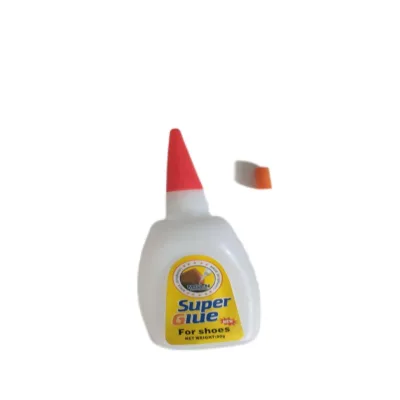
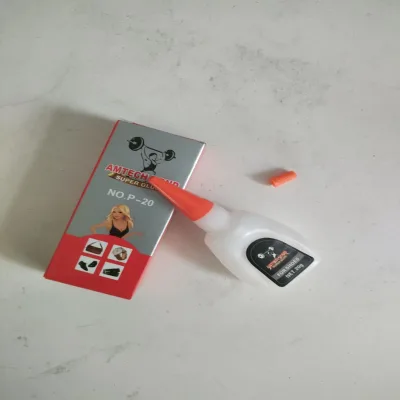


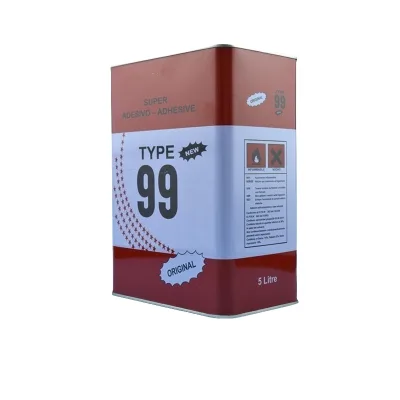
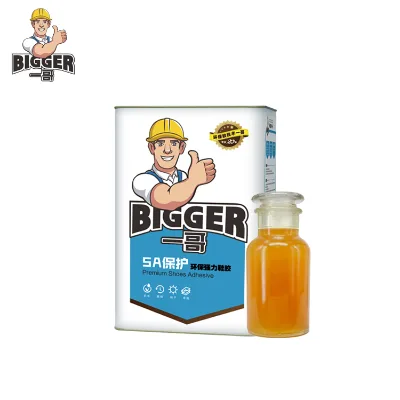


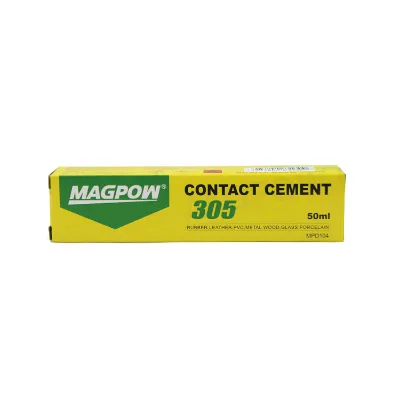


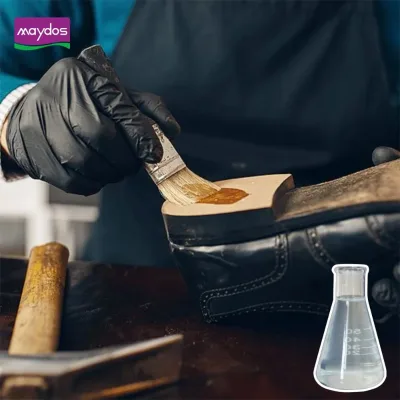
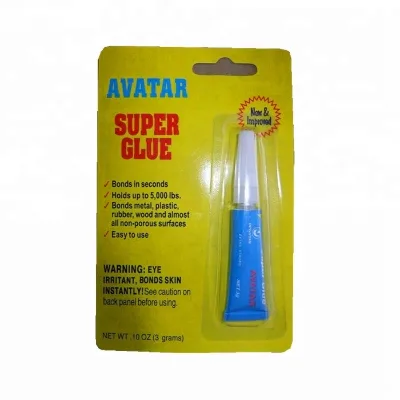
Comprehensive Sourcing Guide
Liquid Leather Adhesive for Shoes Sourcing Guide
The global footwear manufacturing sector relies heavily on specialized liquid adhesives to ensure the durability and structural integrity of shoe assemblies. Among the various chemical formulations available, cyanoacrylate-based super glues and neoprene-based contact cements represent the two primary categories observed in current market listings. These adhesives are selected based on the specific substrate combination, such as bonding rubber soles to leather uppers or attaching synthetic materials to metal eyelets. Buyers must distinguish between these chemistries because their application methods, curing times, and final bond strengths vary significantly depending on the production line requirements.
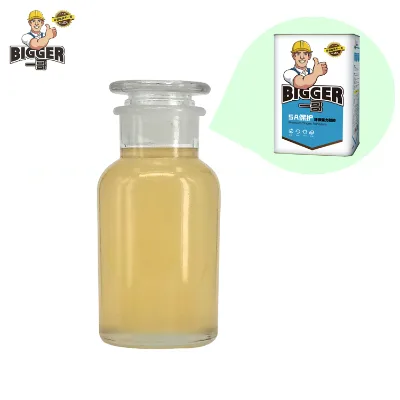
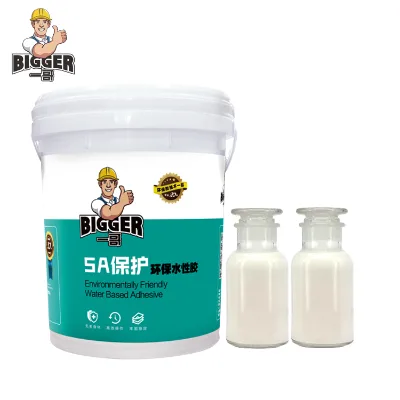
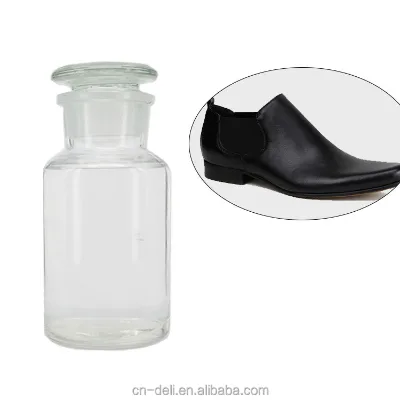
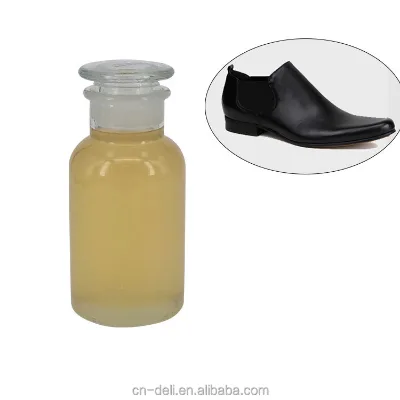
Procurement decisions for Liquid Leather Adhesive for Shoes require a clear understanding of the observed product signals in the marketplace. Current listings indicate a wide range of product appearances, from transparent colorless liquids to light yellow formulations, each serving distinct functional purposes. For instance, light yellow variants are frequently noted for their specific utility in shoe and leather applications, while clear liquids are often marketed for general-purpose bonding across multiple materials including glass, metal, and ceramics. Understanding these visual and chemical distinctions is the first step in filtering suppliers who can meet the precise technical demands of footwear assembly.
Product Scope and Observed Listing Signals
The product scope for liquid leather adhesive encompasses a diverse array of formulations designed for specific bonding functions within the footwear industry. Market observations reveal that some products are explicitly labeled as "Pottery Super Glue" or "502 glue," indicating a cyanoacrylate base that offers rapid bonding for rigid materials like metal, glass, and ceramics. Conversely, other listings highlight neoprene-based compositions described as "contact cement" or "leather glue," which are engineered for flexible substrates such as rubber, leather, and fiber. Buyers must carefully map these product names to their actual chemical composition to ensure the adhesive selected is compatible with the specific materials being joined in their shoe manufacturing process.
Listing signals provide critical insights into the physical properties and intended usage of the adhesive. The observed data shows that products are available in various morphologies and appearances, including clear, colorless, and light yellow liquids, with some specifications noting a solid-state morphology despite the liquid classification. Packaging formats range from small blister packs for single items to bulk containers like 3L tins or 20L drums, reflecting the scale of operations from small workshops to large industrial factories. Additionally, the presence of customization options and specific model numbers like MPD107 or HD1101 suggests that suppliers offer tailored solutions, but buyers must verify that the specific model number corresponds to the required adhesive strength and flexibility for their specific shoe design.
Technical Specifications to Verify
Verifying the chemical composition and physical properties of the adhesive is essential for ensuring a reliable bond in footwear production. Buyers should prioritize confirming the main raw material, as the market contains both ethyl a-cyanoacrylate and neoprene-based formulations, each with distinct performance characteristics. The molecular formula and CAS number serve as definitive identifiers for the chemical structure; for example, a CAS number of 7085-85-0 corresponds to ethyl a-cyanoacrylate, while a different CAS number indicates a neoprene-based contact cement. Relying on these precise identifiers prevents the accidental procurement of an adhesive that may fail under the stress or flexibility requirements of a shoe sole or upper.
The physical appearance and bonding function of the adhesive must align with the specific application requirements of the footwear assembly line. While some products are described as transparent colorless liquids suitable for general bonding, others are noted as light yellow and specifically intended for shoe and leather applications. The bonding function is another critical specification, with some products classified as structural adhesives capable of handling high stress, while others may be designed for temporary or light-duty bonding. Buyers must ensure that the selected adhesive's morphology, whether liquid or solid-state, and its color match the aesthetic and functional needs of the final product, particularly when the adhesive might be visible in the finished shoe.
Compliance and Safety Documentation
Safety and regulatory compliance are paramount when sourcing adhesives for footwear, given the potential for chemical exposure during manufacturing and the end-use of the product. Buyers must request and verify the EINECS and CAS numbers for every batch of adhesive to ensure the chemical composition matches the declared specifications and complies with international chemical regulations. The presence of an EINECS number, such as 230-391-5 or 2048180, indicates that the substance has been registered and evaluated under European chemical safety frameworks, which is a critical baseline for exporting to or selling in regulated markets. Without these identifiers, the safety profile of the adhesive remains undefined, posing significant risks to worker health and product liability.
Documentation regarding the shelf life and storage stability of the adhesive is equally important for maintaining consistent production quality. Market listings indicate a standard shelf life of 18 months for certain cyanoacrylate-based products, but this duration can vary based on the specific formulation and storage conditions. Buyers should verify the expiration dates on all incoming shipments to ensure the adhesive has not degraded, as aged adhesives may lose their bonding strength or alter their viscosity, leading to production defects. Additionally, suppliers should provide Material Safety Data Sheets (MSDS) that detail the handling, storage, and disposal requirements, ensuring that the facility can manage the chemical safely in compliance with local occupational health and safety standards.
Cost Drivers and Commercial Terms
The cost of Liquid Leather Adhesive for Shoes is influenced by a complex interplay of raw material prices, packaging formats, and order volumes. The observed market data shows a significant price range, with unit costs varying from as low as $0.12 to as high as $27.50, reflecting differences in chemical concentration, brand reputation, and packaging size. Bulk purchases in large containers like 20L drums or 18L cans typically offer a lower cost per unit compared to smaller retail-sized packages like 50ml bottles or blister packs. Buyers must analyze their production volume to determine the optimal packaging size that balances inventory costs with the need for fresh adhesive, as larger quantities often require a higher minimum order quantity (MOQ) which can range from 1 to 9000 units.
Commercial terms and supply chain logistics play a decisive role in the total cost of ownership for adhesive procurement. Suppliers may offer flexible packaging details, such as 250g, 500g, or 1L containers, and some are willing to accommodate custom packing requests to suit specific logistics needs. The port of dispatch, whether Ningbo, Shanghai, or other locations, impacts shipping costs and lead times, which are critical factors for maintaining a steady production schedule. Furthermore, the supply ability of the manufacturer, such as 500 tons per month, indicates their capacity to handle large orders without disruption, but buyers must confirm that this capacity aligns with their own demand forecasts to avoid potential shortages or delays.
Supplier Qualification and Quality Control
Establishing a robust supplier qualification process is essential for mitigating risks associated with adhesive quality and consistency. Buyers should verify the place of origin and manufacturing location, as the market data indicates production in various Chinese provinces including Jiangxi, Zhejiang, Guangdong, and Hunan. Different regions may have varying levels of industrial infrastructure and quality control standards, so understanding the specific origin of the product helps in assessing the reliability of the supply chain. Additionally, checking the brand name and model number against the supplier's catalog ensures that the product being sourced is genuine and matches the technical specifications required for the footwear assembly.
Quality control measures must be integrated into the procurement process to ensure that every batch of adhesive meets the required performance standards. The presence of third-party certifications, such as SGS, provides an external validation of the product's quality and safety, but buyers should not assume that all listed products automatically possess these certifications. It is crucial to request recent test reports and quality assurance documents for each shipment to confirm that the adhesive meets the specified bonding strength, viscosity, and chemical composition. Regular audits of the supplier's production facilities and quality management systems can further ensure that the adhesive remains consistent over time, reducing the risk of production failures due to substandard materials.
Long-Term Procurement Checks
Sustaining a successful long-term procurement relationship for liquid leather adhesive requires continuous monitoring of supplier performance and product consistency. Buyers should establish a schedule for periodic re-verification of the adhesive's chemical composition and physical properties, as raw material sources and manufacturing processes can change over time. Regular testing of the adhesive's bonding strength and shelf life stability ensures that the product continues to meet the stringent requirements of footwear manufacturing. This proactive approach helps identify any deviations in quality early, allowing for corrective actions before they impact the production line or the final product quality.
Strategic planning for future procurement needs involves staying informed about market trends and technological advancements in adhesive chemistry. As the footwear industry evolves, new formulations may emerge that offer improved bonding capabilities, faster curing times, or enhanced environmental profiles. Buyers should maintain open communication with their suppliers to stay updated on new product developments and potential improvements to existing formulations. Additionally, diversifying the supplier base to include multiple manufacturers with different chemical specialties can provide a buffer against supply chain disruptions and ensure a steady flow of high-quality adhesive for long-term production stability.
FAQs
What is the main raw material for this liquid leather adhesive?
The main raw material is ethyl alpha-cyanoacrylate for the super glue variant and neoprene for the contact cement variant. These materials ensure strong adhesion for bonding rubber, metal, glass, plastic, ceramics, wood, and leather in various applications.
Which certifications are available for these adhesive products?
Some products carry the SGS standard certification to verify quality and safety. Specific EINECS and CAS numbers like 230-391-5 and 7085-85-0 are also listed for the cyanoacrylate-based adhesives used in construction and footwear industries.
Can I find suppliers with a monthly supply capacity of 500 tons?
Yes, certain manufacturers list a supply ability of 500 tons per month for their liquid adhesives. This capacity supports large-scale orders for industries like footwear, leather, and packing where consistent volume is required for production lines.
How is the product packaged for bulk shipping?
Packaging options include 3L tins with 6 tins per carton or 50ml units with 25 pieces per bag. Larger containers like 18L or 20L are also available, and a single 20ft container can hold up to 1200 cartons for efficient logistics.
What is the shelf life of the liquid glue?
The shelf life is 18 months when stored properly. This duration ensures the adhesive maintains its structural bonding function for rubber, metal, and wood applications before the chemical properties degrade over time.
Which locations are the primary origins for these adhesives?
Products originate from Jiangxi, Zhejiang, Guangdong, and Changsha in China. These regions host factories producing both cyanoacrylate super glues and neoprene contact cements for global export through ports like Ningbo and Shanghai.
Can the product be customized for specific buyer needs?
Customization is available for packaging and potentially other specifications to meet buyer requirements. Buyers can request specific packing details or quantities, allowing flexibility for different market demands and logistical preferences.