Source Low and Medium Voltage Power Cable for Construction, Industrial, and Power Station
Find and compare 30 Low and Medium Voltage Power Cable options featuring copper conductors, XLPE or PVC insulation, and various armoring types. Evaluate specifications for underground, overhead, and industrial applications to select the right cable for your project needs.
Key considerations
Products List


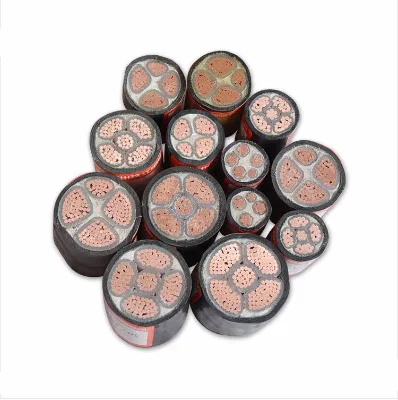


Electric Wire and Cable 33kv Medium Voltage Power Cable Electrical Cable Wire
$5.00 - $210.00
MOQ: 500 Meters


Comprehensive Sourcing Guide
Low and Medium Voltage Power Cable Sourcing Guide
Procuring low and medium voltage power cables requires a disciplined approach to aligning technical performance with specific project demands, as the market offers a diverse array of configurations ranging from single-core conductors to complex multicore assemblies. Buyers must first distinguish between cables designed for underground installation, overhead lines, and industrial power stations, as the insulation materials and armor types vary significantly to meet these environmental stresses. The observed product landscape includes options utilizing XLPE and PVC insulation, each offering distinct thermal and mechanical properties that dictate suitability for specific operating temperatures and voltage ratings.
The sourcing process begins with a clear definition of the electrical load and physical environment, as the conductor material, typically red copper or thinned copper, directly impacts conductivity and cost efficiency. While some listings indicate a broad voltage range from low to medium, specific applications such as telecommunications or automotive use may require specialized models like PV1-F or H1Z2Z2-K, which differ from standard power transmission cables. Understanding these distinctions prevents the selection of a cable that lacks the necessary shielding, such as copper braid or aluminum foil, or the appropriate armor, including SWA or AWA, required for the intended installation site.
Product Scope and Observed Listing Signals
The current market listings for low and medium voltage cables reveal a wide spectrum of product models, including YJV, YJV22, YJV32, and N2XSY variants, each tailored to specific insulation and sheathing requirements. Buyers should observe that the core material is consistently identified as red copper or stranded copper, while the insulation material varies between XLPE and PVC, influencing the cable's maximum working temperature and fire resistance. The observed product range spans from 1.5 mm² to 800 mm², with specific standard configurations like 32.5 or 54 indicating the number of cores and their respective cross-sectional areas, which must match the load calculations of the project.
Listing signals also highlight the availability of customization, allowing buyers to request specific packing methods such as wooden drums or pallets, and color options like black or red to meet site safety or identification standards. The presence of models like VLV and YJLV suggests the availability of aluminum conductor options alongside copper, though the primary focus in many listings remains on copper conductors for superior conductivity. It is critical to verify the "Type" attribute, distinguishing between single-core and multicore designs, as this affects installation complexity and the required conduit or trench dimensions for the project.
Technical Specifications to Verify
When evaluating technical specifications, the rated voltage is a primary verification point, with observed listings specifying ratings such as 0.6 Kv, which must be confirmed against the system's nominal voltage to ensure safety margins. The conductor type, whether solid or stranded, and the flexibility of the wire, noted as stranded or flexible in certain listings, are crucial for determining the cable's bend radius and ease of installation in confined spaces or dynamic environments. Buyers must cross-reference the standard cross-sectional area ranges, which vary from 1.5-300 mm² to 25-800 mm², to ensure the selected cable can handle the expected current load without excessive voltage drop or overheating.
The working temperature range, observed as -25°C to 70°C in some listings, is another critical parameter that dictates the cable's suitability for extreme climates or high-heat industrial applications. Verification of the armor type, such as Steel Wire Armored (SWA) or Steel Tape Armored (STA), is essential for mechanical protection in underground or overhead installations where physical damage is a risk. Additionally, the screened attributes, including copper braid or aluminum foil shielding, must be confirmed for applications involving sensitive telecommunications or industrial equipment to prevent electromagnetic interference.
Compliance and Safety Documentation
Compliance with international and regional standards is non-negotiable for low and medium voltage cables, as the safety of the electrical infrastructure depends on rigorous testing and certification. The observed product listings frequently cite certifications such as CCC, CE, ISO, RoHS, and VDE, which indicate adherence to specific quality and safety protocols, though buyers must verify that these certifications apply to the specific model and batch being purchased. The presence of multiple certifications suggests a supplier's capability to meet diverse regulatory requirements, but it is the buyer's responsibility to ensure the documentation matches the project's local legal and safety mandates.
Safety documentation must also include detailed test results regarding the cable's performance under stress, such as its refractory range or resistance to fire, which are implied by the "Refractory" application attribute in some listings. Buyers should request proof of the insulation material's integrity, particularly for XLPE and PVC variants, to confirm they meet the required fire safety standards for construction and power station environments. Without verified documentation, the risk of non-compliance increases, potentially leading to project delays, safety hazards, or legal liabilities in the event of an electrical failure.
Cost Drivers and Commercial Terms
The cost of low and medium voltage power cables is heavily influenced by the raw material content, specifically the weight and purity of the copper conductor, which fluctuates with global market prices. Listings indicate a wide price range from $0.01 to $520, reflecting the variance in cable length, cross-sectional area, and the complexity of the construction, such as the inclusion of armor or shielding. Buyers must analyze the total cost of ownership rather than just the unit price, considering factors like the MOQ, which ranges from 5 to 10,000 units, and the potential for bulk discounts or customization fees that may apply to non-standard models.
Commercial terms also encompass the packaging and logistics, with observed options including wooden drums, pallets, or custom requirements that can impact shipping costs and handling efficiency. The lead time and delivery schedule are critical components of the commercial agreement, as delays in receiving cables can stall entire construction or industrial projects. Buyers should negotiate clear terms regarding the "Sample" availability, which is noted as free in some listings, to validate the product quality before committing to a large order, and ensure that the packing method protects the cable during transit to prevent damage.
Supplier Qualification and Quality Control
Supplier qualification involves a thorough assessment of the manufacturer's origin and production capabilities, with the majority of observed listings indicating a place of origin in China, specifically Henan. Buyers should verify the supplier's ability to provide consistent quality across different production batches, as the "Customization" attribute suggests flexibility but also requires robust quality control processes to maintain standards. The presence of multiple certifications like ISO and CCC indicates a baseline level of operational maturity, but on-site audits or third-party inspections may be necessary to confirm that the supplier's actual production lines match their claimed capabilities.
Quality control measures must extend beyond the initial certification to include ongoing monitoring of the cable's physical and electrical properties, such as the consistency of the conductor stranding and the uniformity of the insulation thickness. Buyers should establish clear acceptance criteria for the "Product Model" and "Standard" attributes, ensuring that the delivered goods match the ordered specifications exactly, including the core type and color. A reliable supplier will provide traceability for each batch, allowing the buyer to verify the origin of materials and the testing history of the cable, which is essential for maintaining long-term reliability in critical power applications.
Long-Term Procurement Checks
Long-term procurement success relies on establishing a partnership with suppliers who can support the evolving needs of the project, including potential changes in voltage requirements or installation environments. Buyers should implement a system for periodic re-evaluation of the supplier's performance, focusing on their ability to meet delivery schedules and maintain the quality of the XLPE or PVC insulation over time. The "Application" attributes, which include construction, industrial, and power station use, suggest that the cables will be subjected to varying degrees of wear and tear, necessitating a supplier who can provide timely replacements or upgrades if the initial specifications prove insufficient.
Continuous monitoring of market trends and technological advancements is also vital, as new models like N2XSY or H1Z2Z2-K may offer improved performance characteristics that could benefit future projects. Buyers should maintain open communication channels with suppliers to stay informed about updates in standards, such as changes to the 25-800 mm² or 1.5-300 mm² ranges, and to ensure that the procurement strategy remains aligned with the latest industry best practices. By fostering a collaborative relationship and conducting regular reviews, buyers can mitigate risks and ensure a steady supply of high-quality low and medium voltage power cables for their operations.
FAQs
What certifications do these cables hold?
These cables hold CCC, CE, ISO, and RoHS certifications. Some listings also include VDE certification. These standards ensure compliance with safety and environmental requirements for construction and industrial applications.
Which insulation materials are available?
Available insulation materials include XLPE and PVC. The choice depends on the specific voltage and application requirements. Both materials support low and medium voltage operations in various environments.
Can I request custom specifications?
Yes, customization is available for these cables. Buyers can specify conductor types, core configurations, and packaging needs. This flexibility allows adaptation to unique project requirements across different industries.
What are the standard cross-section sizes?
Standard cross-section sizes range from 1.5 mm2 up to 800 mm2. Specific models like YJV and VLV offer various configurations. These sizes support diverse power transmission needs from small circuits to heavy industrial loads.
Where are these cables manufactured?
These cables are manufactured in China, specifically originating from Henan. The production facilities adhere to international standards. This location supports global supply chains for construction and power station projects.
What conductor types are offered?
Offered conductor types include solid, stranded, and flexible options. The core material is typically red copper wire. These variations accommodate different installation methods and flexibility requirements for underground or overhead applications.