Find Low Aromatized White Spirit for food, beverage, and fragrance
Source 30 listings of Low Aromatized White Spirit suitable for food, beverage, and fragrance applications. Buyers can compare specifications, packaging options, and certifications from verified suppliers.
Key considerations
Products List


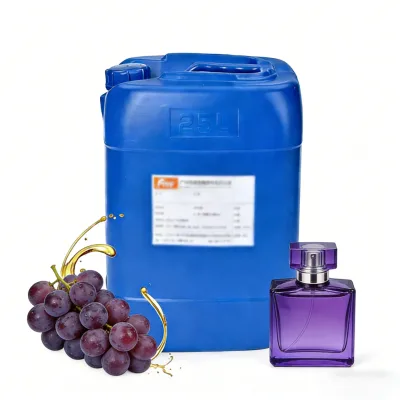
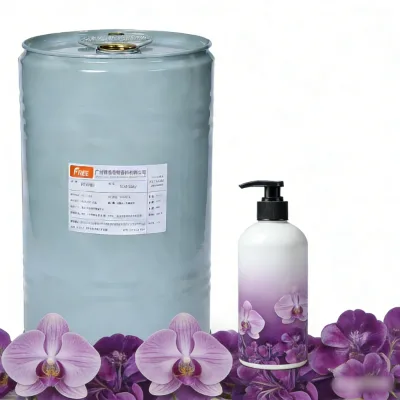
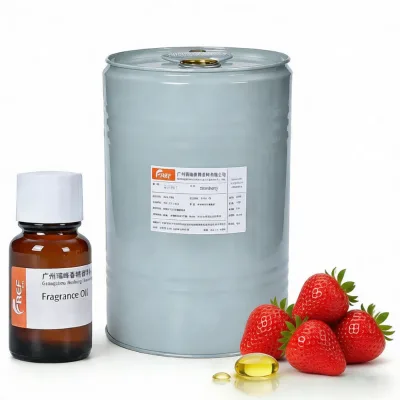
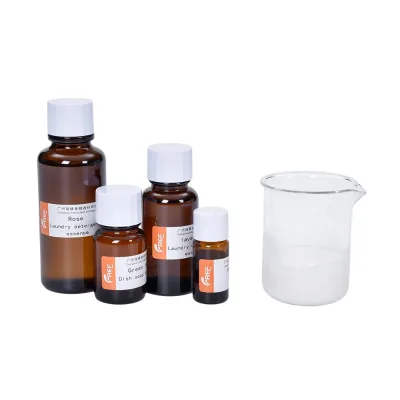
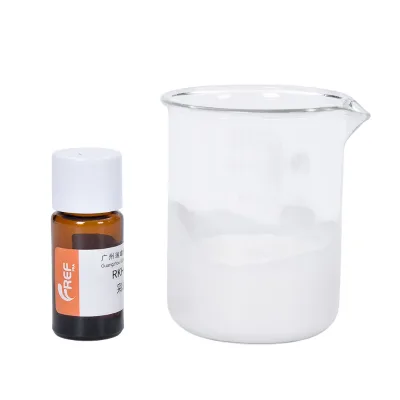
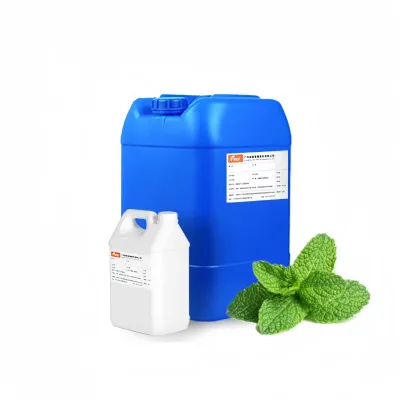



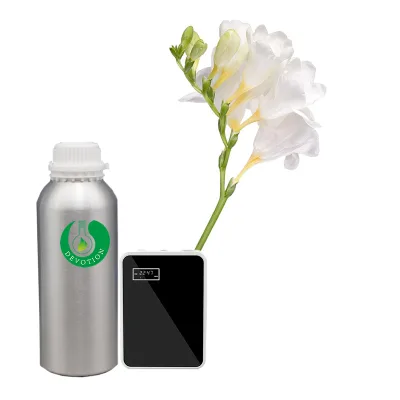
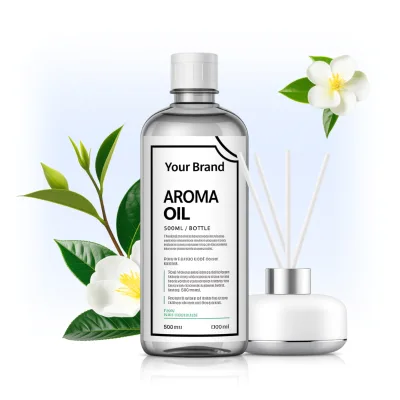

Golden Yellow Core Rich Aroma Strong Flavor Dense Fiber Organic Fresh Yellow Ginger
$620.00 - $670.00
MOQ: 20 Tons



Comprehensive Sourcing Guide
Strategic Sourcing Guide for Low Aromatized White Spirit
Understanding Product Attributes and Technical Specifications
When sourcing Low Aromatized White Spirit, buyers must first distinguish between the specific chemical profiles and physical states available in the current market. The term "white spirit" generally refers to a colorless, volatile solvent derived from petroleum, often used as a carrier for flavors, fragrances, or industrial cleaning agents. However, the supplied product data reveals a diverse landscape of liquid and powder formulations that may serve as alternatives or specific variants within this category. The observed product attributes indicate a primary state of "Liquid," with specific appearances ranging from "Clear to Pale Yellow Liquid" to "Colorless" and "White" in powder or concentrated forms.
For a buyer seeking a "low aromatized" profile, the distinction between "Natural Flavor," "Synthetic Flavor," and "Pure Essential Oil Grade A" is critical. The market data shows products labeled as "Natural Flavor" with a shelf life of 24 months, alongside "Synthetic Flavors & Fragrances" boasting purity levels of 99%+ and 99.5% to 100.0%. The "low aromatized" requirement suggests a need for a neutral base or a specific concentration that does not overpower the final application. Buyers should verify if the "Colorless" designation applies to the base spirit or if the product is a "Liquid Concentrated Flavor" such as the "Two Apple Aroma" or "Mint Flavor" listed in the specifications. The physical form is equally important; while most entries describe a liquid state, some data points mention "Liquid and Powder" forms, indicating that the supply chain may offer versatile formats for different processing needs.
The model numbers and specific identifiers, such as "S01" or "Lavender Herb Aroma," suggest that suppliers often categorize these spirits by their intended scent profile or chemical composition. A buyer must carefully cross-reference the "Product Name" with the "Type" attribute. For instance, a product named "Natural & Organic Flavor Concentrates" may not be a neutral white spirit but a highly specific flavoring agent. The "Assay" range of 99.5% to 100.0% is a key technical metric for purity, which directly correlates to the "low aromatized" characteristic if the buyer is seeking a high-purity solvent with minimal impurities.
Compliance, Certification, and Regulatory Verification
Navigating the compliance landscape for Low Aromatized White Spirit requires rigorous verification of certifications and safety data. The supplied product facts highlight several critical certifications that buyers must demand from potential suppliers. The most frequently observed certification is "MSDS" (Material Safety Data Sheet), which is essential for understanding the handling, storage, and emergency response procedures for the chemical. Additionally, "IFRA" (International Fragrance Association) compliance is noted, which is particularly relevant if the white spirit is intended for use in cosmetic or personal care applications where fragrance standards are strict.
Beyond safety data, the presence of "COA" (Certificate of Analysis) and "Halal" certification indicates a commitment to quality and specific dietary or religious standards. The "26 Allergens" certification mentioned in the data suggests that some suppliers provide detailed allergen profiling, which is a vital component of risk management for food and beverage applications. Buyers should not assume that all products in the category possess these certifications; rather, they must treat these as specific attributes of individual listings. The verification process should involve requesting the actual MSDS and COA documents to confirm that the "Grade" of the product, such as "Food Grade" or "Top Grade," aligns with the intended application.
The "Standard" attributes listed, such as "1KG & 5KG" or "25kg/bag," often reflect packaging standards rather than chemical standards. However, the mention of "ASTM D1298" in the background data, though marked as low-confidence, points to a potential industry standard for density or specific gravity that buyers should inquire about. Since this standard is not explicitly confirmed in the high-confidence facts, the buyer must verify if the supplier adheres to ASTM or equivalent international standards for their specific batch. The "Raw Material" being listed as "Oil" further necessitates a check on the source of the oil to ensure it meets the "Pure Essential Oil Grade A" criteria if that level of purity is required.
Cost Drivers and Pricing Structure Analysis
The pricing structure for Low Aromatized White Spirit is influenced by a complex interplay of factors, including the grade of the material, the packaging format, and the minimum order quantity (MOQ). The observed price range in the market data spans from $0.30 to $670 USD, a variance that reflects the difference between bulk industrial solvents and specialized, high-purity flavor concentrates. A buyer must understand that the lower end of this spectrum likely corresponds to generic, bulk-grade spirits, while the higher end represents specialized formulations with specific certifications like Halal or IFRA compliance.
The MOQ is a significant cost driver, with observed ranges from 1 liter to 300 units. For a buyer seeking a low volume for testing or small-batch production, the availability of an MOQ of 1 liter or even 10-20g samples is a crucial factor. However, larger orders often benefit from economies of scale, though the data shows that some suppliers set a minimum of 5kg or 1 liter, which may impact the unit cost for smaller operations. The packaging specifications also play a role in cost; options like "25kg/Bag," "25kg/Drum," or "Fluorinated Barrel Packaging" suggest different handling and shipping costs. Bulk packaging like drums is generally more cost-effective per unit but requires larger capital outlay and storage capacity.
Furthermore, the "Customization" attribute being available indicates that bespoke formulations can be ordered, which typically commands a premium price. Buyers should anticipate that requesting a specific "low aromatized" profile or a custom "Fluoride Bottle" packaging will increase the unit cost compared to standard off-the-shelf products. The "Shelf Life" of 24 months or 2 years also affects the total cost of ownership; products with longer shelf lives may justify a higher initial price by reducing waste and inventory turnover risks.
Typical Applications and Usage Scenarios
The versatility of Low Aromatized White Spirit is evident in the diverse applications listed in the product data. The primary application identified is "Food and Beverage," where the spirit serves as a carrier for flavors like "Two Apple Aroma," "Mint Flavor," or "Melon Flavor." In this context, the "low aromatized" nature is essential to ensure that the solvent does not interfere with the intended flavor profile of the final product. The "Pure Essential Oil Grade A" and "Food Grade" designations confirm that these spirits are suitable for direct or indirect food contact, provided they meet the specific regulatory requirements of the destination market.
Beyond food and beverage, the "Synthetic Flavors & Fragrances" category suggests applications in the personal care, cosmetics, and cleaning industries. The "Lavender Herb Aroma" and "Mint Flavor" entries indicate that these spirits are used to create scented products where the base solvent must be neutral or complementary to the active fragrance. The "Appearance" of "Clear to Pale Yellow Liquid" or "Colorless" is particularly important for cosmetic applications where visual clarity is a quality metric. The "Powder" form mentioned in the data opens up possibilities for dry mix applications, such as powdered drink mixes or instant flavorings, where the white spirit might be used as a binder or carrier in a different processing step.
The "Assay" range of 99.5% to 100.0% is critical for high-end applications where impurities could affect the stability or safety of the final product. For example, in pharmaceutical or high-grade cosmetic formulations, the purity of the white spirit ensures that the active ingredients remain stable and effective. The "Sample" size of 10-20g allows for small-scale testing in R&D departments before committing to large-scale production, ensuring that the spirit performs as expected in the specific application environment.
Supplier Evaluation and Sourcing Strategy
Evaluating suppliers for Low Aromatized White Spirit requires a multi-faceted approach that goes beyond price comparison. The origin of the product, specifically "China" and "Shannxi China," provides a geographical context that buyers should consider regarding logistics, trade tariffs, and supply chain stability. While the location is a fact, the buyer must assess the supplier's ability to maintain consistent quality across different batches, especially given the "Customization" options available.
A robust supplier evaluation should include a review of the "Certification" portfolio. A supplier offering MSDS, COA, IFRA, and Halal certifications demonstrates a higher level of compliance and quality control. The presence of "26 Allergens" testing is a strong indicator of a supplier's attention to detail and commitment to safety. Buyers should also verify the "Grade" of the product, ensuring that "Food Grade" or "Top Grade" claims are backed by valid documentation.
The "Packing" specifications, such as "Fluorinated Barrel Packaging" or "Aluminium Foil Bag," are indicators of the supplier's capability to handle sensitive materials. These packaging methods protect the product from oxidation and contamination, which is crucial for maintaining the "low aromatized" properties. Buyers should inquire about the supplier's quality control processes, specifically how they manage the transition from "Liquid" to "Powder" forms if required, and how they ensure the "Shelf Life" of 24 months is maintained during storage and transit.
Quality Control and Long-Term Procurement Considerations
Ensuring consistent quality in the procurement of Low Aromatized White Spirit involves establishing clear quality control protocols. The "Assay" range of 99.5% to 100.0% serves as a benchmark for purity, and buyers should insist on batch-specific COAs that confirm the product falls within this range. The "State" of the product, whether "Liquid" or "Powder," must be verified upon receipt to ensure it matches the order specifications. The "Appearance" should also be checked; a deviation from "Clear to Pale Yellow" or "Colorless" could indicate contamination or degradation.
Long-term procurement considerations include the stability of the supply chain and the reliability of the "Shelf Life." With a shelf life of 24 months or 2 years, buyers can plan for extended inventory cycles, but they must ensure that storage conditions are maintained to prevent degradation. The "Customization" availability allows for long-term partnerships where the supplier can adapt the product to evolving market needs, such as changing flavor profiles or packaging requirements.
Buyers should also consider the "MOQ" flexibility. While the observed range is 1-300, a long-term contract might allow for negotiated MOQs that balance inventory costs with supply security. The "Sample" availability of 10-20g is a valuable tool for ongoing quality assurance, allowing buyers to test new batches regularly. Finally, the "Standard" attributes, such as "1L/Bottle" or "25kg/Drum," should be standardized in the procurement agreement to ensure consistency in handling and logistics. By focusing on these technical and operational details, buyers can secure a reliable supply of high-quality Low Aromatized White Spirit that meets their specific application needs.
Comparative Analysis of Product Variants
To facilitate informed decision-making, it is helpful to compare the key attributes of the available product variants. The following table summarizes the differences in type, packaging, and certification observed in the market data.
| Product Attribute | Variant A: Natural Flavor | Variant B: Synthetic Flavor | Variant C: Essential Oil Grade |
|---|---|---|---|
| Type | Natural Flavor | Synthetic Flavors & Fragrances | Pure Essential Oil Grade A |
| State | Liquid | Liquid and Powder | Liquid |
| Appearance | Clear to Pale Yellow Liquid | Colorless | Colorless |
| Purity/Assay | Not Specified | 99%+ | 99.5% ~ 100.0% |
| Certification | MSDS | Halal, IFRA, 26 Allergens | MSDS, COA |
| Packaging | 25kg/Bag, Fluorinated Barrel | 1L/Bottle, 5L/Bottle | 125ml, 500ml, 1L, 5L |
| MOQ | 1 Liter | 5kg | 1 Liter |
| Shelf Life | 24 Months | 2 Years | 2 Years |
| Origin | China | Shannxi China | China |
This comparison highlights that while all variants serve the general category of white spirit or flavor carriers, they differ significantly in their intended use cases. Variant A is suitable for natural applications, Variant B offers high purity and broad certification for complex formulations, and Variant C provides the highest grade for premium essential oil applications. Buyers should select the variant that best aligns with their specific "low aromatized" requirements and regulatory constraints.
FAQs
What is the shelf life of Low Aromatized White Spirit?
The shelf life is typically 24 months or 2 years depending on the specific product grade. Buyers should verify the exact duration listed for each flavor concentrate or solvent variant before storage planning.
Which certifications are available for these flavor spirits?
Available certifications include MSDS, COA, IFRA, Halal, and 26 Allergens testing. Buyers must request specific documents to confirm compliance for food, beverage, or cosmetic applications.
Can I customize the packaging for white spirit orders?
Customization is available for packaging specifications like fluorinated barrels or aluminum foil bags. Suppliers offer various formats including 1L bottles, 5L bottles, and 25kg drums based on request.
What is the minimum order quantity for these products?
Minimum order quantities range from 1 liter to 5 kilograms depending on the supplier and product type. Some listings accept samples as small as 10 to 20 grams for testing purposes.
How is the purity of synthetic flavors verified?
Purity is verified through assay ranges of 99% to 100% and specific grade classifications like Food Grade or Pure Essential Oil Grade A. Buyers should review the Certificate of Analysis for batch-specific data.
What is the origin of these flavor and spirit products?
Products originate from China, with specific mentions of Shannxi as a production location. Buyers should consider this geographical factor when calculating logistics and import duties.