Source Luxury Floating Bed for Parks, Pools, and Commercial Use
Explore 30 listings for Luxury Floating Bed options suitable for parks, commercial pools, and adult leisure. Buyers can compare materials like PVC and acrylic, control methods, and customization features to find the right fit.
Key considerations
Products List


$212.00 - $217.00
MOQ: 1 Pieces


$162.00 - $167.00
MOQ: 1 Pieces


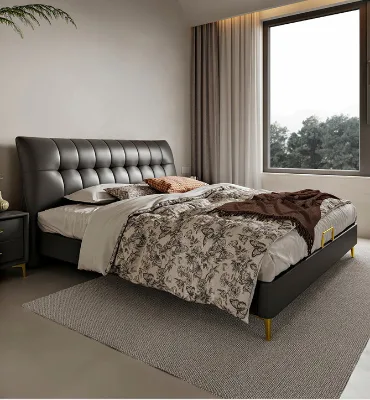
Luxurious Floating Bed with Stylish Metallic Highlights and Leather Finish
$453.00 - $500.00
MOQ: 1 Sets

Luxury Floating King Size Bed with Soft Touch and Modern Design for Relaxation
$503.00 - $557.00
MOQ: 1 Sets


Customized Pool Lounger Chair Raft Hammock Luxury Floating Inflatable Water Bed
$300.00 - $999.00
MOQ: 1 Pieces


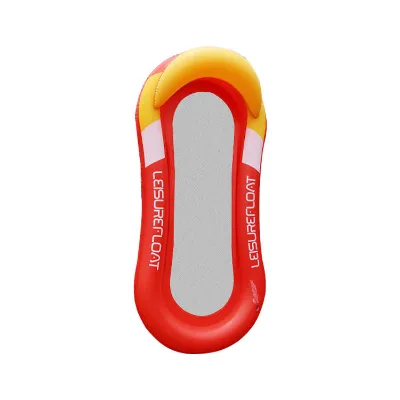
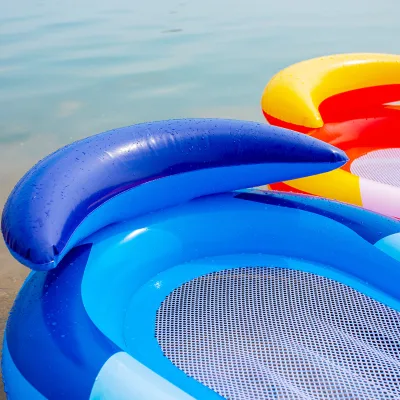

Flash Sale Swimming Pool Floating Water Hammock Sofa Lounge Chair Floating Bed
$5.41 - $5.43
MOQ: 184 Pieces


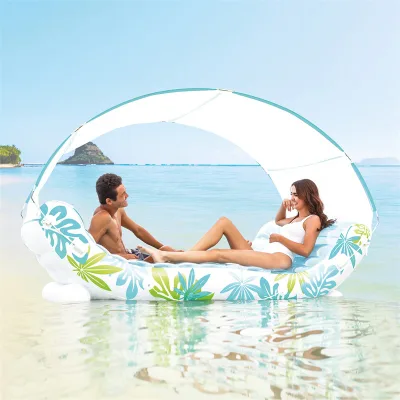


Comprehensive Sourcing Guide
Strategic Sourcing Guide for Luxury Floating Bed Procurement
Defining the Product Category and Technical Specifications
The procurement of luxury floating beds requires a precise understanding of the product's dual nature as both a recreational water feature and a piece of high-end furniture. Based on the available market data, these units are frequently categorized under specialized spa equipment or commercial pool accessories, yet they also possess attributes of residential furniture such as genuine leather upholstery and modern styling. The core technical specifications for these units vary significantly depending on the intended application, whether for a private park, a commercial pool facility, or a home theater setup.
A critical observation in the current market is the diversity of material composition. While some units are constructed from high-grade acrylic, which offers durability and a sleek finish suitable for wet environments, others utilize PVC for flexibility and buoyancy. The material choice directly impacts the structural integrity and the aesthetic appeal of the final product. For instance, specific models identified in the market, such as the WL-SC series, utilize acrylic as the primary material, whereas floating bed variants like the 2293# or 2349# models often rely on PVC construction. Buyers must verify the specific material composition for each SKU, as the performance characteristics of acrylic differ vastly from those of reinforced PVC in terms of UV resistance and load-bearing capacity.
The physical dimensions and shape are equally variable. The market data indicates that floating beds are available in standard geometry shapes, including square and corner configurations, as well as custom "Any Shape" options to fit specific pool layouts. Size specifications range from standard dimensions like 180*200cm to larger, custom-built units. The seating capacity is another vital specification; while some spa-style floating units are designed for a single occupant, larger commercial-grade floating beds may support a maximum capacity exceeding 500kg. This variance necessitates a clear definition of the intended user load before initiating the sourcing process.
Compliance and Certification Verification
In the B2B procurement of luxury floating beds, verifying compliance with international safety and quality standards is non-negotiable. The market data reveals a spectrum of certifications held by suppliers, ranging from CE and RoHS to more comprehensive standards like SAA, CB, TUV, and ISO9001:2000. These certifications are not merely marketing claims but are essential indicators of a product's adherence to electrical safety, environmental regulations, and quality management systems.
When evaluating a supplier, buyers must request valid certificates that correspond to the specific product model. For example, if a floating bed includes electrical components such as a 3kw heater or an ozone system, the electrical certification (such as CE or SAA) becomes a primary compliance requirement. The presence of an ozone system, often listed as a standard feature in luxury models, requires specific safety validation to ensure the chemical generation does not pose a risk to users. Furthermore, the "Allowable Passenger" certification mentioned in the data suggests that structural load testing is a mandatory part of the compliance framework for these units.
Buyers should not assume that all listed products possess every certification. The data shows that while some models carry a broad suite of certifications including TUV and ISO9001, others may only list CE. It is the buyer's responsibility to cross-reference the certificate numbers with the issuing bodies to ensure authenticity. Additionally, the "Standard" attribute often lists specific dimensions or international size availability, which serves as a baseline for dimensional compliance. Any deviation from these standards must be explicitly documented and agreed upon in the purchase contract to avoid disputes regarding product fit and safety.
Cost Drivers and Pricing Structure Analysis
The pricing of luxury floating beds is influenced by a complex matrix of factors, including material costs, customization levels, and the complexity of the integrated systems. The observed price range in the market spans from approximately 1.2 USD to 999 USD, a disparity that reflects the vast difference between basic PVC floating mats and fully equipped acrylic spa units with advanced control systems.
Material selection is a primary cost driver. Acrylic units, which offer superior durability and a premium finish, generally command a higher price point compared to PVC alternatives. However, the integration of additional features significantly escalates the cost. Units equipped with a 3kw heater, an ozone system, or extra options like CD, DVD, and TV home theater systems will be positioned at the upper end of the price spectrum. The "Customization" attribute, which is widely available in the market, also acts as a cost multiplier. Buyers opting for custom colors, such as the 6 available acrylic colors or 5 skirt color options, or custom shapes, will incur higher manufacturing costs compared to standard inventory items.
The Minimum Order Quantity (MOQ) is another critical factor affecting the unit cost. The market data indicates an MOQ range of 1 to 1000 sets. Suppliers offering an MOQ of 1 set may charge a premium per unit to cover setup and logistics costs, whereas bulk orders of 1000 sets typically benefit from economies of scale, resulting in a lower per-unit price. Buyers must balance their budget constraints with their volume requirements to optimize the total cost of ownership. Additionally, the "Delivery Time" of 15 to 25 days after receiving the deposit suggests that lead time is a fixed component of the cost structure, and rush orders may not be feasible without incurring additional charges.
Typical Applications and Functional Versatility
Luxury floating beds serve a diverse range of applications, from commercial leisure facilities to private residential use. The market data highlights several distinct use cases, each requiring specific product attributes. One primary application is in commercial pool environments, where the units are classified as "Commercial Pool" equipment. In these settings, durability and high load capacity are paramount. The data notes a "Max Capacity" of over 500kg for certain models, making them suitable for public pools, resorts, or water parks where multiple users may occupy the unit simultaneously.
Another significant application is in park settings, where the "Suitable for: Park" attribute indicates the need for robust, weather-resistant designs. These units often feature a "Modern" style and may include features like "Hand Control" for ease of use by the general public. The "Disassembly" feature is particularly valuable for park applications, as it allows for easy transport, storage during off-seasons, and maintenance.
For residential or private luxury settings, the focus shifts to comfort and entertainment. The availability of "CD, DVD, TV Home Theater System" as an extra option suggests that these floating beds are designed to function as mobile entertainment hubs. The "Whirlpool/Massage Bathtubs" function indicates that some models are designed to provide therapeutic benefits, making them suitable for high-end private pools or spa retreats. The "Suitable for: Adult" attribute further clarifies that these units are engineered for adult users, distinguishing them from children's pool toys. Buyers must align the product's functional capabilities with their specific operational environment to ensure user satisfaction and safety.
Supplier Evaluation and Quality Control Protocols
Selecting the right supplier for luxury floating beds requires a rigorous evaluation process that goes beyond price comparison. The origin of the products is a key indicator of supply chain reliability. The data consistently points to "China" as the primary origin, with specific manufacturing hubs identified in Longjiang Town, Shunde District, Foshan City. This region is known for its concentration of furniture and spa equipment manufacturers, offering a robust ecosystem of suppliers. However, buyers must verify the specific factory location to ensure they are dealing with established manufacturers rather than trading companies.
Quality control protocols should be established early in the procurement process. Given the variation in materials (Acrylic vs. PVC) and the complexity of integrated systems (Heaters, Ozone), buyers should request detailed quality assurance documentation. This includes factory audit reports, material test certificates, and pre-shipment inspection results. The "Condition: New" attribute confirms that suppliers are expected to deliver brand-new units, but buyers must also verify the "Warranty" terms, which range from 2 to 5 years. A longer warranty period often indicates a manufacturer's confidence in their product's durability and their commitment to after-sales support.
The "Customization" and "Customized" attributes suggest that many suppliers offer tailored solutions. When engaging with such suppliers, buyers must ensure that the customization process includes a clear design approval stage and a prototype testing phase. This is crucial for verifying that the custom shape, color, or functional additions meet the buyer's specifications before mass production begins. Additionally, the "Packing" method, whether "Carton" or "Wood," should be evaluated to ensure that the shipping process will not damage the product, especially for fragile acrylic components.
Long-Term Procurement and Operational Considerations
Sourcing luxury floating beds is not a one-time transaction but a long-term partnership that requires careful planning for maintenance and lifecycle management. The "Warranty" period of 2 to 5 years is a critical factor in this planning. Buyers should understand the scope of the warranty, including what components are covered (e.g., the heater, the ozone system, or the structural frame) and what the claim process entails. A comprehensive warranty can significantly reduce the total cost of ownership by mitigating the risk of unexpected repair costs.
Maintenance requirements are another long-term consideration. The "Washable: Non-washable" attribute for certain models indicates that some units require specialized cleaning procedures or professional maintenance. Buyers must factor in the cost and logistics of these maintenance activities when calculating the operational budget. Furthermore, the "Disassembly" feature is essential for long-term storage and transport. If the units are to be moved seasonally or relocated, the ease of disassembly and reassembly becomes a key operational metric.
Finally, the "Delivery Time" of 15 to 25 days after the deposit should be integrated into the buyer's project timeline. For large-scale commercial projects, this lead time must be accounted for in the overall schedule to avoid delays in installation. Buyers should also consider the scalability of the supplier. If the initial order is successful, the ability to place follow-up orders with consistent quality and pricing is vital. The "MOQ" flexibility allows buyers to start with smaller orders and scale up, but the supplier must demonstrate the capacity to handle increased volumes without compromising quality or delivery times. By focusing on these long-term factors, buyers can ensure a sustainable and successful procurement strategy for luxury floating beds.
FAQs
What certifications do luxury floating beds typically have?
Luxury floating beds often carry CE, SAA, RoHS, CB, TUV, and ISO9001:2000 certifications. These standards verify electrical safety and quality management, especially for units with heaters or ozone systems, ensuring compliance for commercial and park applications.
Which materials are used for luxury floating beds?
These beds are constructed from either acrylic or PVC materials. Acrylic models offer durability and a sleek finish for spa equipment, while PVC variants provide flexibility and buoyancy, with specific models like the WL-SC series using acrylic and others using PVC.
Can luxury floating beds be customized for specific shapes?
Yes, customization is available for shape, color, and functional features. Buyers can select from geometry, corner, or square shapes, and choose from six acrylic colors or five skirt colors to match specific pool layouts or design preferences.
What is the delivery time for these products?
Delivery typically occurs within 15 to 25 days after receiving the deposit. This lead time applies to standard orders, though custom specifications may require additional processing time depending on the manufacturer's production schedule and location.
How much weight can a Luxury Floating Bed support?
Certain commercial-grade models support a maximum capacity exceeding 500kg. This high load-bearing capability makes them suitable for public pools, resorts, and park settings where multiple users or heavy equipment may be placed on the unit simultaneously.
What is the minimum order quantity for these beds?
The minimum order quantity ranges from 1 set to 1000 sets depending on the supplier. Single-unit orders are possible but may carry a higher per-unit cost, while bulk orders of 1000 sets benefit from economies of scale.
Where are these luxury floating beds manufactured?
Products originate primarily from China, specifically from Longjiang Town in Shunde District, Foshan City. This region hosts a concentration of furniture and spa equipment manufacturers, offering a robust supply chain for both acrylic and PVC floating bed models.