Source Luxury Jewelry Display Card for Earrings, Necklaces, Rings
Compare 30 listings for Luxury Jewelry Display Card options including PVC and PP materials with waterproof and anti-counterfeit features. Buyers can evaluate customization, sizes, and packing methods for bags, shoes, and garments.
Key considerations
Products List


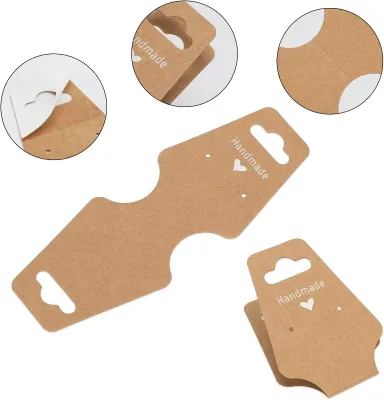
Folded Jewelry Necklace Hairband Display Card with Silver Logo Printing
$0.03 - $0.04
MOQ: 5000 Pieces


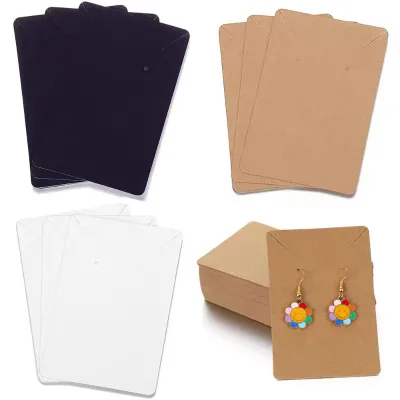
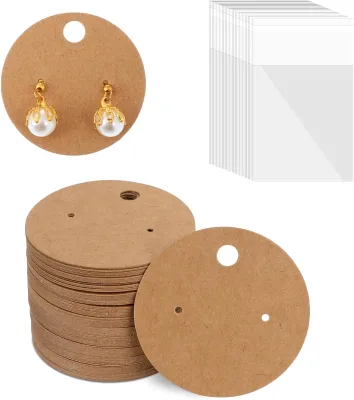
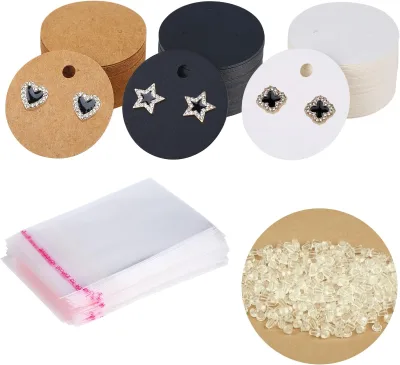
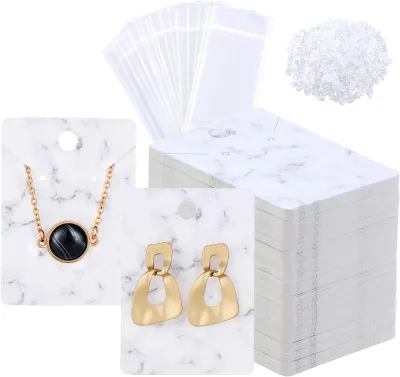


Personalized Jewelry Display Cards Luxury Custom Jewelry Cards with Logo
$0.10 - $0.49
MOQ: 500 Pieces


Necklace Earring Rings Bracelets Jewelry Display Special Paper Card with Hole
$0.10 - $0.49
MOQ: 500 Pieces

Cotton Paper Custom Jewelry Gift Display Cards for Earrings Necklace Rings
$0.10 - $0.49
MOQ: 500 Pieces




Comprehensive Sourcing Guide
Strategic Sourcing Guide for Luxury Jewelry Display Cards
The global market for luxury jewelry display solutions has evolved beyond simple packaging into a critical component of brand identity and product security. For procurement professionals seeking a Luxury Jewelry Display Card, the selection process requires a rigorous understanding of material science, customization capabilities, and compliance standards. Unlike generic retail tags, luxury display cards must balance aesthetic elegance with functional durability, often serving as the first point of physical contact between the consumer and the brand. This guide synthesizes available product attributes and industry standards to provide a structured approach for sourcing high-quality display solutions.
Material Selection and Structural Integrity
The foundation of any luxury display card lies in its material composition. While traditional options often rely on heavy cardstock, modern sourcing trends indicate a shift toward synthetic polymers that offer superior durability and moisture resistance. Analysis of current market offerings reveals that PVC (Polyvinyl Chloride) and PP (Polypropylene) are prevalent materials for specialized display units. PVC, for instance, is frequently cited for its ability to maintain structural rigidity while allowing for vibrant, high-fidelity printing.
When evaluating materials, buyers must consider the specific environmental conditions of the display location. For outdoor exhibitions or high-humidity retail environments, the Waterproof attribute becomes a non-negotiable specification. Products constructed from PVC or PP often exhibit this characteristic, ensuring that the display card remains intact and legible despite exposure to moisture. Furthermore, the Shape of the card is a critical design element. While Strip and Triangle configurations are observed in the market, the choice of shape must align with the specific jewelry item being showcased. A triangular profile might offer a unique visual anchor for earrings, whereas a strip format could be more suitable for necklaces or bracelets.
The Dimension of the card also plays a pivotal role in the perceived value of the product. Large format cards are often preferred for luxury items to provide ample space for branding and product information. However, precise sizing is essential; specifications such as 9cm*5.4cm or 6*7CM indicate that standardization exists but must be verified against the specific inventory dimensions. Buyers should not assume that all products labeled as "large" will fit every jewelry type; precise measurement verification is required during the sampling phase.
Customization Capabilities and Design Flexibility
In the luxury sector, off-the-shelf solutions rarely suffice. The ability to customize is a primary driver for supplier selection. Current market data confirms that Customization is widely Available for display cards, with suppliers offering Design services that are According to Your Request. This flexibility extends to Colour, where Any Colour Is Available options allow brands to match their corporate identity or seasonal themes precisely.
The Printing capabilities of the supplier are equally critical. Luxury brands often require intricate details, such as Logo placement or complex Pattern integration. The Printed attribute suggests that the surface is treated for high-quality ink adhesion, which is essential for maintaining the sharpness of fine details. Additionally, the Classification of the product as Detailed implies that suppliers should be capable of handling complex graphic requirements without compromising resolution.
For brands seeking to differentiate their products, features like Barcode integration and Anti-counterfeit measures are increasingly common. These features transform a simple display card into a tool for supply chain security. The Feature set often includes Scratch off elements or specialized coatings that enhance the unboxing experience while providing a layer of authentication. When evaluating potential partners, procurement teams must verify that the supplier's printing technology can support these advanced features without introducing defects or inconsistencies.
Compliance, Certification, and Security Standards
Navigating the regulatory landscape is a vital step in sourcing luxury display cards. While specific certification statuses vary by region and supplier, the presence of recognized standards is a strong indicator of quality. In the provided data, SGS is listed as a Standard, suggesting that some suppliers adhere to third-party verification processes for material safety and product performance. Buyers should actively seek suppliers who can provide similar certification documentation to ensure that materials meet international safety requirements.
Security is paramount in the luxury jewelry market. The Feature set often includes Anti-counterfeit technologies, which are essential for protecting brand integrity. Whether through Barcode systems or specialized Scratch off codes, these mechanisms must be robust and difficult to replicate. The Classification of the product as Detailed often correlates with the complexity of these security features.
Furthermore, environmental considerations are becoming a significant factor in procurement decisions. The Characteristic of being Recyled (Recycled) is observed in certain product lines, indicating a growing market segment focused on sustainability. Buyers should verify the specific composition of recycled materials and ensure that the recycling process does not compromise the structural integrity or aesthetic quality of the display card.
Cost Drivers and Pricing Dynamics
Understanding the cost structure of luxury display cards is essential for budget management. The observed Price range in the market spans from 0.03 to 775 USD, a vast disparity that reflects differences in material quality, customization complexity, and order volume. The lower end of the spectrum likely represents basic, mass-produced units with minimal customization, while the higher end encompasses premium, fully customized solutions with advanced security features.
The MOQ (Minimum Order Quantity) is another significant cost driver, with observed ranges from 1 to 5000 units. Suppliers with lower MOQs may charge a premium per unit due to the setup costs associated with smaller production runs. Conversely, larger orders often benefit from economies of scale, reducing the per-unit cost. Buyers must balance their inventory needs with their budget constraints, considering that Customization often incurs additional setup fees regardless of the order size.
Other factors influencing cost include the Packing method. Options such as Corrugated Box or PP Bag+Carton affect the final price, as does the Form of the product, which is described as Complete in some listings. A complete form implies that the product is ready for immediate use, potentially reducing labor costs for the buyer.
Typical Applications and Usage Scenarios
The versatility of luxury jewelry display cards is evident in their diverse Usage scenarios. While primarily designed for Jewelry Display, these cards are also utilized in broader retail contexts, including Bags, Shoes, and Garments. This cross-category applicability suggests that the design principles of luxury display cards can be adapted for various high-end product lines.
Specific applications include Exhibition Show displays, where the Display Place is often Outdoor. In these settings, the Waterproof and Scratch resistant attributes become critical to maintaining the product's appearance in challenging environments. Additionally, the cards serve as Shipping Labels in some configurations, integrating logistics functions with display purposes. This dual functionality requires a high degree of precision in printing and material selection to ensure that the card remains legible and secure throughout the supply chain.
The Type of product also varies, ranging from Hang tags to In-Mould Labels. Each type serves a distinct purpose; Hang tags are typically used for retail presentation, while In-Mould Labels are integrated directly into the manufacturing process of the product itself. Buyers must carefully select the type that aligns with their specific operational workflow and brand strategy.
Supplier Evaluation and Quality Control
Selecting the right supplier requires a comprehensive evaluation of their capabilities and track record. Key attributes to assess include Experience, which is noted as Rich in the market, and Export capabilities, which are described as High. These factors indicate that experienced suppliers are well-versed in international logistics and quality standards.
Quality control should be a central focus of the sourcing process. Buyers must verify that the Standard of the product meets their specific requirements, whether it is SGS certification or a customized standard. The prod_packing method, such as Carton or PP Bag+Carton, should be evaluated for its ability to protect the product during transit.
Furthermore, the Origin of the product, often listed as China, should be considered in the context of the buyer's supply chain strategy. While this region is a major hub for manufacturing, buyers should ensure that the supplier maintains consistent quality control measures regardless of location. The Classification of the product as Detailed suggests that suppliers should have the capacity to handle complex orders with high precision.
Long-Term Procurement Considerations
Sourcing luxury jewelry display cards is not merely a transactional activity but a strategic partnership. Long-term considerations include the scalability of the supplier's production capacity and their ability to adapt to changing market trends. The Feature set, including Waterproof and Anti-counterfeit capabilities, should be future-proofed to accommodate evolving security threats and environmental regulations.
Buyers should also consider the Design flexibility of the supplier. As brand identities evolve, the ability to quickly adapt Colour and Pattern options is crucial. The Design attribute being According to Your Request suggests a collaborative approach, but buyers must ensure that the supplier can maintain this flexibility over time without compromising quality or lead times.
Finally, the Usage of the cards in various contexts, from Exhibition Show to Shipping Label, requires a supplier who can provide consistent quality across different applications. The Characteristic of being Recyled may become a more significant requirement in the future, making it essential to partner with suppliers who are committed to sustainable practices. By focusing on these long-term factors, buyers can build a resilient supply chain that supports their brand's growth and reputation.
FAQs
What materials are used for luxury jewelry display cards?
PVC and PP are the primary materials used for these display cards. PVC offers structural rigidity and moisture resistance, while PP provides durability. Both materials support high-fidelity printing for logos and patterns.
Can these cards be customized for specific designs?
Yes, customization is widely available for design, color, and printing. Buyers can request specific shapes like strips or triangles, and any color is available to match brand identity. Printing can include logos or complex patterns.
Which certifications ensure product safety and quality?
SGS is a recognized standard listed for these products. Some suppliers also offer customized standards to meet specific buyer requirements. This certification helps verify material safety and product performance for international markets.
How do anti-counterfeit features work on these cards?
Features like barcodes and scratch-off elements provide anti-counterfeit protection. These mechanisms help secure the supply chain and authenticate the product. They are often integrated into the printing process for luxury jewelry items.
What is the minimum order quantity for these cards?
The minimum order quantity ranges from 1 to 5000 units depending on the supplier. Lower MOQs may incur higher per-unit costs due to setup fees. Larger orders often benefit from economies of scale.
Are these display cards suitable for outdoor exhibitions?
Yes, many cards are designed for outdoor use with waterproof features. This ensures they remain intact and legible in high-humidity or wet environments. The material choice, such as PVC, supports this durability.
What packaging options are available for shipping?
Packaging options include corrugated boxes and PP bags with cartons. The specific packing method depends on the product model and supplier capabilities. This ensures the cards are protected during transit to the buyer.