Source Custom Varnished Tarot Cards for Divination, Games, and Gifts
Find 30 listings for Custom Varnished Tarot Cards with options for gilded edges, spot UV, and rigid boxes. Compare specifications like card stock weight, packaging types, and production lead times from Guangdong suppliers to select the right OEM deck for your brand.
Key considerations
Products List
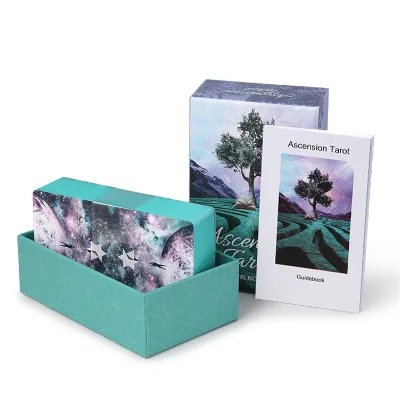
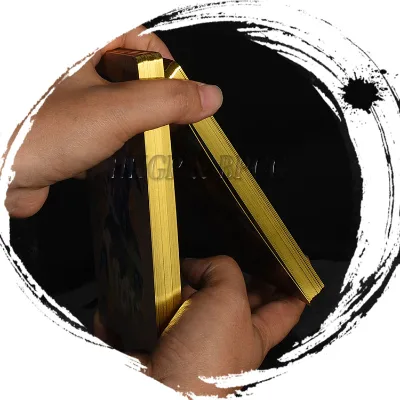
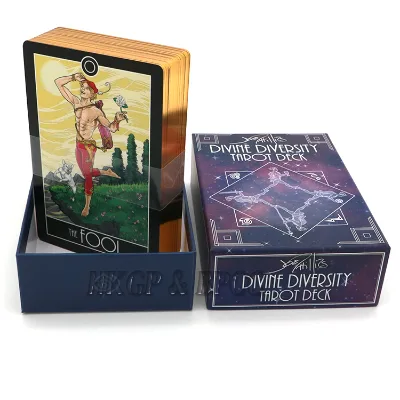
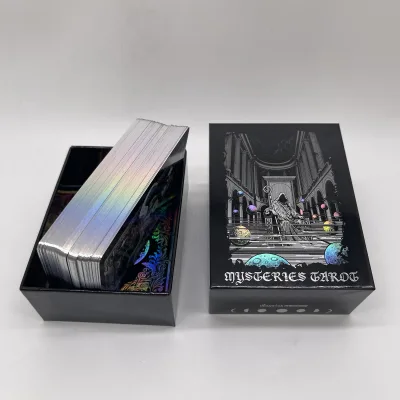
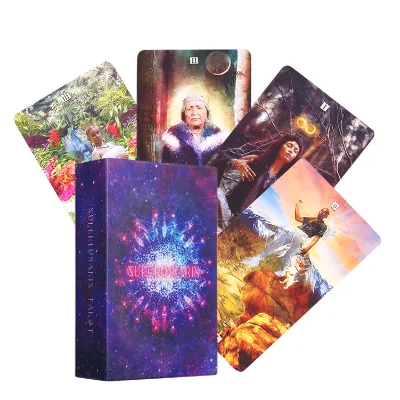
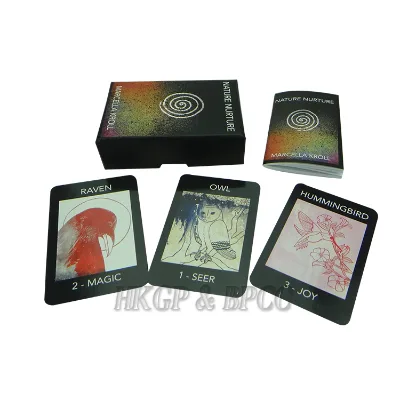


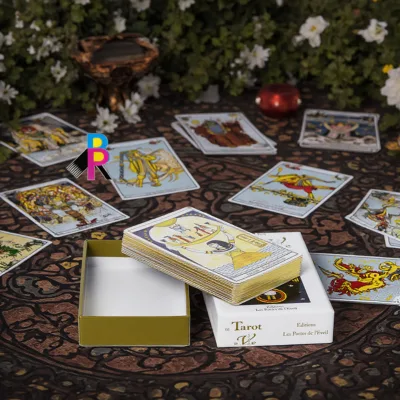

Custom Colorful Design Playing Cards Deck Printing Tarot Cards Wholesale
$0.32 - $1.50
MOQ: 500 Pieces

Custom Colorful Design Playing Cards Deck Printing Tarot Cards Wholesale
$1.35 - $1.68
MOQ: 500 Pieces

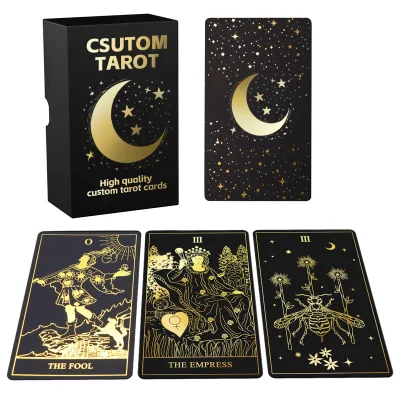
Gold Deck Playing Card Tarot Cards with Book Tarot Cards with Silver Edges
$1.65 - $1.95
MOQ: 500 Pieces




Comprehensive Sourcing Guide
Custom Varnished Tarot Cards Sourcing Guide
Sourcing Custom Varnished Tarot Cards requires a strategic approach to balancing artistic fidelity with manufacturing precision. Buyers must recognize that these products are highly customizable, often involving complex surface finishes like UV coating, foil stamping, and lamination to achieve the desired tactile and visual appeal. The core keyword highlights the importance of varnishing techniques, which serve both aesthetic and protective functions for the card stock. Understanding the interplay between design complexity and production capability is essential for selecting the right manufacturing partner.
Procurement teams should focus on verifying the supplier’s ability to handle specific artistic requests, such as gilded edges or custom spot UV effects. The market offers a wide range of options, from standard tuck boxes to rigid or book-style packaging, each impacting the final product’s perceived value. By aligning design specifications with the manufacturer’s technical capabilities, buyers can ensure that the final deck meets both functional durability and aesthetic expectations. This alignment is critical for maintaining brand integrity in the spiritual and gaming markets.
Product Scope and Observed Listing Signals
The observed product landscape reveals a diverse array of tarot and oracle card offerings, with prices ranging from $0.14 to $8.50 per unit. This wide variance reflects differences in material quality, packaging complexity, and order volume. Buyers will encounter listings for standard 54-card decks, oversized cards, and specialized affirmation decks, all available in various box types including tuck boxes, rigid boxes, and two-piece boxes. The presence of OEM branding indicates a strong market for private-label solutions, allowing retailers to establish unique brand identities.
Supply ability signals suggest robust manufacturing capacity, with some suppliers offering up to one million sets per month. This high volume capability supports large-scale retail distribution and bulk e-commerce orders. Packaging details frequently mention cello-wrap or shrink-wrap protection within sturdy master cartons, ensuring product integrity during transit. The availability of pallet packing options further indicates that suppliers are equipped to handle international logistics and large freight shipments efficiently.
Technical Specifications to Verify
Card stock selection is a primary technical consideration, with common options including 300gsm, 350gsm, and 400gsm art paper. Some suppliers also offer blue core paper for added stiffness and durability. Buyers must verify the exact weight and core material to ensure the cards meet their desired feel and longevity. The size specifications vary, with standard dimensions around 70x120mm or 88x126mm, while custom sizes are also available. Confirming these dimensions early prevents misalignment with existing packaging or retail display requirements.
Surface finishing plays a crucial role in the product’s premium feel, with options like UV coating, foil stamping, and varnishing frequently cited. Artwork formats such as AI, PDF, PSD, and JPG are typically accepted, requiring buyers to prepare high-resolution files. The model numbers, such as BST-T012 or custom designations, help in tracking specific production runs. Verifying these technical details ensures that the final product matches the design intent and functional requirements of the end-user.
Compliance and Safety Documentation
While specific certification statuses are not universally listed, buyers should prioritize suppliers who can provide relevant safety documentation for paper-based products. This includes verifying that inks and coatings used in the printing process comply with international safety standards for consumer goods. Given the tactile nature of tarot cards, ensuring that materials are non-toxic and safe for handling is essential. Buyers should request material safety data sheets (MSDS) for any special finishes like foil or UV varnish to confirm compliance.
Packaging compliance is another critical area, particularly for international shipments. Suppliers must adhere to labeling requirements and material restrictions in destination markets. Verifying that the packaging materials are recyclable or meet specific environmental standards can enhance brand appeal. Buyers should also ensure that the supplier’s documentation supports customs clearance, including accurate HS codes and country of origin declarations, which are typically listed as Guangdong, China.
Cost Drivers and Commercial Terms
The cost of Custom Varnished Tarot Cards is influenced by several factors, including card stock weight, surface finishing complexity, and packaging type. Higher GSM paper and additional finishes like gilded edges or spot UV increase production costs. The minimum order quantity (MOQ) typically ranges from 200 to 1000 pieces, with some suppliers setting an MOQ of 500 pieces for specific designs. Understanding these thresholds helps buyers plan inventory and manage cash flow effectively.
Payment terms often require a 30% deposit followed by a 70% balance before shipment, a standard practice in the industry. Incoterms like EXW, FOB, CIF, and DDP offer flexibility in logistics management, allowing buyers to choose their preferred shipping arrangement. Production times generally range from 15 to 25 days, depending on the complexity of the design and the current order queue. Buyers should factor in these lead times when planning product launches and marketing campaigns.
Supplier Qualification and Quality Control
Qualifying a supplier involves assessing their production capacity and quality control processes. Suppliers with a supply ability of up to 10,000 sets per day demonstrate significant manufacturing scale. Buyers should verify the supplier’s ability to maintain consistency across large production runs, particularly for custom designs. Requesting samples before placing bulk orders is crucial to evaluate print quality, card stiffness, and finish durability. This step helps identify potential issues early in the procurement process.
Quality control measures should include checks for print alignment, color accuracy, and packaging integrity. Suppliers often use sturdy master cartons sealed and strapped for shipment, which helps protect the product during transit. Buyers should inquire about the supplier’s defect rate and return policy to ensure accountability. Establishing clear communication channels and regular updates during production can help mitigate risks and ensure timely delivery of high-quality products.
Long-Term Procurement Checks
Long-term success in sourcing custom tarot cards depends on building a reliable supply chain relationship. Buyers should monitor supplier performance over multiple orders, tracking metrics like on-time delivery, product consistency, and responsiveness to issues. Regularly reviewing the supplier’s ability to handle design updates or new product variations ensures they can adapt to changing market demands. This proactive approach helps maintain a steady supply of high-quality products for retail or e-commerce channels.
Continuous improvement in the procurement process involves staying informed about industry trends and technological advancements in card manufacturing. Buyers should explore opportunities for cost optimization through volume discounts or streamlined packaging designs. Additionally, maintaining open dialogue with suppliers about feedback from end-users can drive product enhancements. By fostering a collaborative partnership, buyers can secure a competitive advantage in the growing tarot and oracle card market.
FAQs
How can I customize the design of tarot cards?
You can provide custom designs using AI, PDF, PSD, or JPG file formats. The supplier accepts artwork for full customization including gilded edges and spot UV finishes. This allows you to create unique astrology or oracle decks tailored to your brand needs.
What are the available card stock options?
The cards are printed on 300gsm, 350gsm, or 400gsm art paper. Some options also include blue core paper for added durability. These materials ensure a sturdy feel suitable for both standard and oversized tarot card decks.
Which box types are available for packaging?
Buyers can choose from tuck boxes, rigid boxes, or two-piece boxes. Packaging details include cello-wrap or shrink-wrap for individual decks. Master cartons are sealed and strapped well for shipment, with pallet packing also available for bulk orders.
Can I order small quantities with low MOQ?
Minimum order quantities typically range from 200 to 1000 pieces depending on the specific product model. Some listings indicate an MOQ of 500 pieces for custom designs. You should verify the exact requirement for your chosen card size and packaging style.
How long does production take for custom orders?
Production time generally ranges from 15 to 25 days after deposit confirmation. Specific timelines depend on the complexity of the design and the chosen card stock. The supplier offers a monthly supply ability of up to one million sets for large volume needs.
What payment terms are required for orders?
The standard payment term is a 30% deposit plus a 70% balance before shipment. This applies to most custom tarot card orders regardless of the final size or packaging type. Buyers must arrange payment to secure the production schedule and dispatch from Shenzhen.
What surface finishing options are available?
Surface finishing includes UV coating, foil stamping, varnishing, and lamination. These processes enhance the visual appeal and durability of the cards. You can select specific finishes to match your brand identity when ordering custom printed tarot or oracle card decks.