Source Magic Expandable Garden Hose for Watering, Washing, and Cleaning
Find 30 listings for the magic expandable garden hose, featuring lightweight latex or TPE tubes with heavy-duty fabric covers. Compare specifications like 6*9mm size, 25-100FT lengths, and ISO9001 standards from Zhejiang suppliers to find the right fit for your needs.
Key considerations
Products List




Comprehensive Sourcing Guide
Magic Expandable Garden Hose Sourcing Guide
Procuring magic expandable garden hoses requires a clear understanding of their unique telescopic design, which relies on an inner latex or TPE/TPR tube encased in a heavy-duty fabric cover. These hoses are engineered to expand up to three times their resting length when water pressure is applied, offering significant advantages in storage and handling compared to traditional rigid hoses. Buyers must recognize that while the product is marketed as lightweight and easy to handle, its performance is heavily dependent on water pressure and the integrity of the inner tube material.
The sourcing landscape for these items is diverse, with manufacturers primarily located in Zhejiang, China, offering a wide range of models such as FHGW06, 9000b, and GH-003. Listings indicate a broad price range and varying minimum order quantities, suggesting that buyers can tailor their procurement strategy to specific volume needs. However, the term "magic" is a marketing descriptor rather than a technical specification, so buyers should focus on verifying the actual material composition, fitting quality, and expansion mechanics to ensure the product meets their operational requirements for garden watering, car washing, or terrace maintenance.
Product Scope and Observed Listing Signals
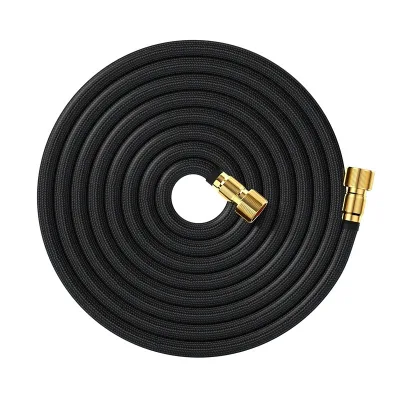
The observed product scope includes various models identified by codes like FHGW06, 9000b, and GH-003, all falling under the category of expandable or retractable garden hoses. These products are typically available in lengths of 25FT, 50FT, 75FT, and 100FT, with some suppliers offering customized lengths to suit specific project needs. The core functionality involves a hose that expands to three times its original length, making it ideal for applications such as garden watering, flower care, and car washing where mobility and ease of storage are prioritized.
Listing signals indicate that these hoses come in multiple colors, including black, red, blue, and grey, allowing for aesthetic customization or brand alignment. The packaging varies from simple PP bags to more premium color gift boxes or woven bags, depending on the supplier and order volume. Buyers should note that while some listings mention PVC garden hoses, the expandable variants specifically utilize latex or TPE/TPR inner tubes, which is a critical distinction for durability and flexibility. Understanding these variations helps in selecting the right product for specific end-user preferences and market positioning.
Technical Specifications to Verify
When evaluating technical specifications, the inner tube material is a primary concern, with latex and TPE/TPR being the most common options cited in supplier listings. The outer cover is typically described as heavy-duty fabric, which provides the structural integrity needed to contain the expanding inner tube. Buyers should verify the outer diameter, which is observed to be around 10mm in some listings, and ensure that the fittings, often plastic hose connectors, are robust enough to withstand the pressure changes during expansion and contraction cycles.
Temperature resistance is another critical technical parameter, with some products rated for operation between -10°C and +60°C. This range suggests suitability for most temperate climates but may require caution in extreme cold or heat conditions. Additionally, the hose's characteristic of being lightweight and easy to handle is a key selling point, but buyers should confirm the actual weight and flexibility through samples. Verifying the processing services, such as moulding and cutting, can also provide insight into the manufacturing precision and consistency of the final product.
Compliance and Safety Documentation
Compliance documentation is essential for ensuring that the sourced hoses meet international safety and quality standards. Some suppliers claim adherence to ISO9001 and CE standards, which indicate a commitment to quality management systems and European conformity, respectively. However, buyers should request valid certificates and verify their authenticity, as these claims are not universally present across all listings. The presence of ANSI standards in some contexts suggests that certain components or testing methods may align with American National Standards Institute guidelines, which is relevant for markets in North America.
Safety considerations also include the material safety of the latex or TPE/TPR inner tubes, ensuring they are free from harmful chemicals that could leach into water used for gardening or washing. Buyers should inquire about material safety data sheets (MSDS) and any relevant testing reports that confirm the hose's suitability for potable water contact if required. Additionally, verifying the product standard, such as ISO9001-2008, can provide assurance of consistent manufacturing processes, although buyers must remain vigilant against outdated or generic claims without supporting documentation.
Cost Drivers and Commercial Terms
Cost drivers for magic expandable garden hoses include the material quality of the inner tube and outer cover, the complexity of the fittings, and the packaging requirements. Suppliers offer a wide range of minimum order quantities (MOQs), from as low as 12 pieces to 2000, allowing for flexible procurement strategies based on budget and storage capacity. The observed price range of $0.12 to $25 USD reflects this variability, with higher prices typically associated with premium materials, custom branding, or bulk discounts.
Commercial terms such as packaging options, including PP bags, woven bags, or color boxes, can also impact the total landed cost. Buyers should negotiate clearly on these terms to avoid unexpected expenses. Additionally, customization availability for colors, lengths, and packaging should be discussed early in the sourcing process to ensure alignment with brand requirements. Understanding the cost structure helps in making informed decisions that balance quality, aesthetics, and budget constraints effectively.
Supplier Qualification and Quality Control
Supplier qualification is crucial for ensuring consistent product quality and reliable delivery. Buyers should prioritize suppliers from established manufacturing hubs like Zhejiang, China, where a concentration of hose manufacturers exists. Verifying the supplier's production capabilities, including moulding and cutting processes, can provide insight into their ability to maintain quality standards. Requesting samples is a vital step to assess the hose's expansion performance, durability, and fitting integrity before committing to larger orders.
Quality control measures should include inspections of the raw materials, such as the latex or TPE/TPR tubes, and the final product assembly. Buyers should inquire about the supplier's internal quality control protocols and any third-party testing they may conduct. Establishing clear communication channels and defining quality expectations in the purchase agreement can help mitigate risks. Regular follow-ups and feedback loops with suppliers can also foster long-term partnerships and continuous improvement in product quality.
Long-Term Procurement Checks
Long-term procurement checks involve monitoring supplier performance and product reliability over time. Buyers should track key metrics such as delivery times, defect rates, and customer feedback to assess the ongoing suitability of their suppliers. Regular audits or periodic sample testing can help identify any degradation in product quality or changes in manufacturing processes. Maintaining a diverse supplier base can also mitigate risks associated with single-source dependencies and ensure continuity of supply.
Additionally, staying informed about industry trends and technological advancements in hose manufacturing can help buyers make proactive sourcing decisions. Evaluating the environmental impact of materials and packaging can also align with sustainability goals and regulatory requirements. By continuously reviewing and refining their procurement strategies, buyers can ensure that their magic expandable garden hose sourcing remains efficient, cost-effective, and aligned with market demands.
FAQs
What materials are used to make the expandable garden hose?
The hose is constructed using natural rubber for the tube and heavy-duty fabric for the cover. Some models utilize latex or TPE/TPR for the inner tube. This combination ensures durability while maintaining the lightweight and easy-to-handle characteristics required for garden and car washing applications.
How much does the hose expand when water flows through it?
The product expands to three times its original length when water pressure is applied. This expansion capability allows for flexible use in various settings like terraces or flower watering. The specific expanded length depends on the initial size selected, which ranges from 25 to 100 feet.
Which certifications do the manufacturers hold for these hoses?
Manufacturers typically hold ISO9001 and CE certifications for their production processes. Some listings also reference ISO9001-2008 standards to ensure quality management. These certifications indicate that the production facilities adhere to recognized international standards for product consistency and safety during manufacturing.
Can buyers request custom packaging for the expandable water hose?
Yes, customization is available for packaging requirements. Options include PP bags, woven bags, color boxes, or pallets as requested by the buyer. The standard packing often involves placing the item in a color gift box before putting it into cartons for shipping.
What is the temperature range for operating this garden hose?
The hose is designed to operate safely within a temperature range of -10 degrees Celsius to +60 degrees Celsius. This range ensures functionality in various weather conditions without compromising the integrity of the natural rubber or fabric materials used in its construction.
Where are these expandable garden hoses manufactured?
The products originate from Zhejiang, China, with some listings specifying Zhengjiang as the origin location. This region is known for producing various rubber and plastic hose products. Buyers can expect the goods to be sourced directly from factories located in this specific Chinese province.
What fittings are included with the expandable water hose?
The hose typically comes equipped with plastic hose connectors for easy attachment to faucets. These fittings are designed to work with the expanding mechanism to prevent leaks. The specific type of connector may vary slightly depending on the model, such as the FHGW06 or GH-003 variants.