Source Easily Cleaned BBQ Grill Fork for Cooking, Outdoor, Clean
Compare 30 listings for Easily Cleaned BBQ Grill Fork options suitable for cooking, outdoor use, and clean environments. Buyers can review features like customization, material types, and packaging to find the right supplier for their needs; compare the available evidence and request quotations based on your requirements.
Key considerations
Products List


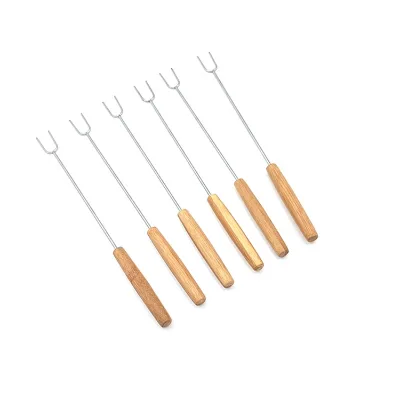
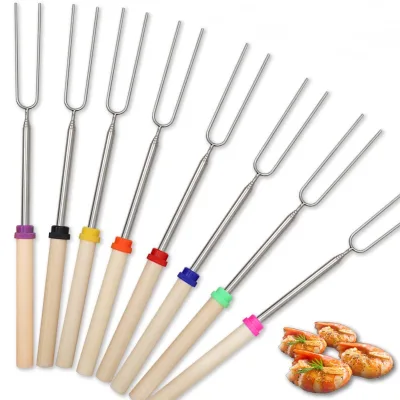
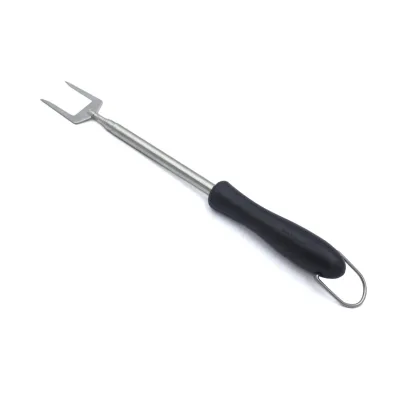
Stainless Steel BBQ Grilling Fork, Barbecue BBQ Tools with Wooden Handle
$3.50 - $6.50
MOQ: 1000 Pieces






Comprehensive Sourcing Guide
Easily Cleaned BBQ Grill Fork Sourcing Guide
Sourcing high-quality grilling utensils requires a strategic approach to ensure durability, safety, and ease of maintenance for end-users. The market offers a diverse range of tools, from basic plastic skewers to heavy-duty stainless steel forks, each serving distinct culinary functions. Buyers must navigate this variety by focusing on material integrity and functional design rather than aesthetic appeal alone. Understanding the specific operational environment, whether it be indoor kitchen use or outdoor charcoal grilling, is the first step in defining procurement requirements. This guide provides a structured framework for evaluating suppliers and products based on verified attributes and industry standards.
The procurement process for BBQ tools involves balancing cost efficiency with performance reliability. Observations from current listings indicate a wide spectrum of product models, sizes, and customization options available from manufacturers. Buyers should prioritize suppliers who demonstrate transparency in their production processes and material sourcing. By establishing clear technical specifications and compliance expectations early in the negotiation phase, purchasers can mitigate risks associated with product failure or regulatory non-compliance. This guide outlines the critical steps for validating supplier capabilities and ensuring that the final products meet the rigorous demands of both commercial and residential grilling applications.
Product Scope and Observed Listing Signals
The current market landscape for BBQ grilling tools exhibits significant diversity in material composition and functional design. Listings reveal products constructed from both plastic and stainless steel, catering to different price points and usage intensities. Plastic variants are often marketed with features such as being easily cleaned and reusable, making them suitable for casual or single-use scenarios. In contrast, metal tools, particularly those made from stainless steel, are positioned for heavy-duty applications like charcoal grilling, offering superior heat resistance and structural integrity. This material dichotomy allows buyers to segment their procurement strategy based on the intended end-user environment and expected product lifespan.
Functional attributes observed in listings further refine the product scope, with tools categorized by type, such as forks, skewers, and complete grill sets. Customization options are widely available, including tailored handle colors, OEM logo printing, and bespoke sizing, which are critical for brand differentiation in competitive markets. Packaging methods vary from simple tie cards and hang tags to more protective clam shells and master cartons, reflecting different logistical needs and retail presentation strategies. Buyers must carefully align these observed signals with their specific brand identity and distribution channels to ensure that the selected products support their overall market positioning and customer experience goals.
Technical Specifications to Verify
Verifying technical specifications is paramount to ensuring that BBQ tools meet performance expectations and fit seamlessly into existing product lines. Key dimensions and sizes observed in listings range from compact 39.2 cm tools to larger 54 cm implements, with some models offering fully customized sizing to accommodate specific grill grates or user preferences. Buyers should confirm the exact length, width, and weight of each tool to prevent compatibility issues during assembly or retail display. Additionally, the finishing process, whether power-coated or uncoated, significantly impacts the tool’s durability and resistance to corrosion, necessitating clear verification of surface treatment methods to ensure long-term usability in high-heat environments.
Material composition and structural integrity are equally critical technical factors that require rigorous verification. Stainless steel tools must be confirmed for their grade and thickness to withstand the mechanical stress of flipping heavy meats without bending or breaking. For plastic tools, the type of polymer and its heat resistance rating must be validated to prevent melting or deformation during use. Furthermore, the connection between the handle and the working end, whether through welding, riveting, or molding, should be inspected for strength and stability. Buyers should request detailed technical drawings or material certificates to substantiate these specifications, ensuring that the final products deliver consistent performance and safety across all units.
Compliance and Safety Documentation
Compliance with food safety standards is a non-negotiable requirement for BBQ tools that come into direct contact with food. Listings indicate that certain products have undergone testing against FDA and LFGB standards, which are critical for markets in the United States and Europe, respectively. Buyers must verify that all materials, including plastics and metals, are certified as food-grade and free from harmful substances like BPA or heavy metals. This verification process should include requesting valid test reports from accredited laboratories, ensuring that the documentation is current and specifically covers the materials and finishes used in the production of the ordered items.
Beyond material safety, regulatory compliance extends to labeling and packaging requirements, which vary significantly by destination market. Buyers must ensure that product packaging includes accurate country of origin labels, material composition statements, and any necessary recycling symbols. For products marketed as reusable or environmentally friendly, claims must be substantiated by credible data to avoid misleading consumers and potential legal repercussions. Additionally, any custom branding or logo applications must comply with local advertising and intellectual property laws. Establishing a clear compliance checklist at the outset of the procurement process helps mitigate regulatory risks and ensures smooth customs clearance and market entry.
Cost Drivers and Commercial Terms
Understanding the cost drivers behind BBQ tool pricing is essential for effective budget management and margin optimization. Material costs, particularly the fluctuating prices of stainless steel and specialized polymers, form a significant portion of the base price. Customization features, such as OEM logo printing, unique handle colors, and bespoke packaging, add incremental costs that must be factored into the total landed cost. Buyers should analyze the price-to-feature ratio to determine which customization options provide the most value for their target market, avoiding unnecessary expenditures on features that do not resonate with end-users.
Commercial terms, including minimum order quantities (MOQ) and sample lead times, also heavily influence procurement strategy. Observed MOQs range from small batches of 1 unit to large volumes of 3000 units, allowing flexibility for both trial orders and mass production runs. Sample times, typically around 7 days, enable buyers to evaluate product quality before committing to larger orders. Negotiating favorable payment terms and shipping arrangements can further reduce overall costs. Buyers should leverage their volume commitments to secure better pricing tiers and explore options for consolidated shipping to minimize logistics expenses, ensuring a competitive final product price without compromising on quality.
Supplier Qualification and Quality Control
Supplier qualification is the cornerstone of a reliable supply chain for BBQ grilling tools. Buyers should conduct thorough due diligence on potential suppliers, verifying their manufacturing capabilities, production capacity, and historical performance. Factories with specialized equipment for metal forming and plastic injection molding are better equipped to produce high-quality, consistent products. Additionally, assessing the supplier’s commitment to continuous improvement and their responsiveness to feedback can provide insights into their long-term reliability as a partner. Engaging with suppliers who demonstrate transparency and a proactive approach to problem-solving can significantly reduce operational risks.
Implementing robust quality control measures is essential to maintain product standards throughout the production process. Buyers should establish clear quality benchmarks and conduct pre-shipment inspections to verify that products meet these specifications. Key inspection points include checking for material defects, ensuring proper finishing, and verifying that packaging is secure and accurate. For customized orders, verifying that logos and colors match the approved samples is crucial. Collaborating with third-party inspection agencies can provide an objective assessment of product quality and supplier compliance, offering an additional layer of assurance before goods are shipped to the buyer’s warehouse or directly to customers.
Long-Term Procurement Checks
Long-term procurement success depends on establishing ongoing performance metrics and regular supplier reviews. Buyers should track key performance indicators such as on-time delivery rates, defect rates, and responsiveness to issues to evaluate supplier reliability over time. Regular audits, whether remote or on-site, can help identify potential operational risks and ensure that suppliers continue to adhere to agreed-upon quality and compliance standards. Maintaining open lines of communication and fostering a collaborative relationship with suppliers can lead to continuous improvement and innovation, benefiting both parties in the long run.
Adapting to market trends and evolving consumer preferences is also critical for sustained procurement success. Buyers should stay informed about emerging materials, design trends, and regulatory changes in the BBQ tool industry. This proactive approach allows for timely adjustments to product specifications and sourcing strategies, ensuring that the offered products remain relevant and competitive. Additionally, diversifying the supplier base can mitigate risks associated with single-source dependencies, providing greater flexibility in managing supply chain disruptions. By continuously monitoring performance and adapting to market dynamics, buyers can build a resilient and efficient procurement system that supports long-term business growth.
FAQs
How can I ensure the bbq grill fork is easily cleaned?
The product features an easily cleaned design suitable for cooking environments. It is made from durable materials like plastic or stainless steel. Some models are reusable and require minimal maintenance after use. This ensures long-term usability for outdoor grilling tasks without excessive effort.
What customization options are available for the fork handles?
Customization is available for handle colors and logos on these products. Buyers can request specific handle colors to match branding needs. OEM logo printing is supported for marketing purposes. These options allow for personalized designs while maintaining the core functionality of the grilling tool.
Which certifications do the metal grilling forks hold?
The metal products undergo testing for FDA and LFGB compliance. These certifications ensure safety for food contact during cooking. Stainless steel models are particularly noted for meeting these standards. Buyers can rely on these verified safety attributes for commercial or personal use in various cooking settings.
Can I order samples before placing a bulk order?
Yes, samples are available with a standard lead time of seven days. This allows buyers to verify quality before committing to larger quantities. The sample process supports decision-making for custom specifications. It is a practical step for validating product features like size and material before full production.
What is the typical packaging method for these forks?
Packaging options include hang tags, tie cards, clam shells, and carry bags. Some bulk orders utilize master cartons for efficient shipping. The specific packing method depends on the product model and order size. This variety ensures safe transport and convenient retail display for different market requirements.
How do I find the correct size for my grill?
Sizes vary from 24 inches to 85 centimeters depending on the model. Customized sizes are also available to fit specific grill dimensions. Buyers should check the standard specifications like 45cm or 54cm for common needs. Selecting the right size ensures optimal performance during outdoor barbecue activities.
Are these forks suitable for charcoal grills specifically?
Yes, the product is designed for use on charcoal grills and outdoor barbecue. The metal construction withstands high heat typical of charcoal cooking. Stainless steel variants offer durability for repeated use in these environments. This makes them ideal for various outdoor cooking scenarios requiring robust grilling tools.