Source Male Mono Solderless Plugs for Audio, Video, and Cable Applications
Find and compare 30 Male Mono Solderless Plugs designed for audio, video, and cable connections. Evaluate options featuring copper alloy shells, brass contacts, and IP65 ratings to select the right connector for your electronic assembly needs.
Key considerations
Products List


M8 90 Degree Solder Type Sensor Wiring 8pin Connectors Waterproof Male Plug
$2.80 - $5.80
MOQ: 10 Pieces

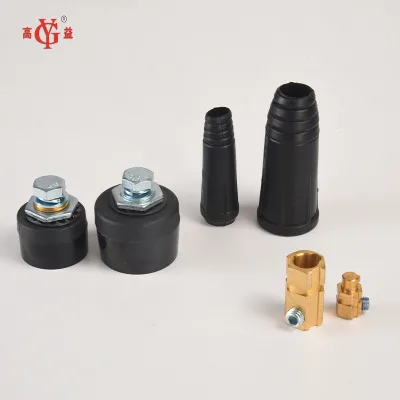


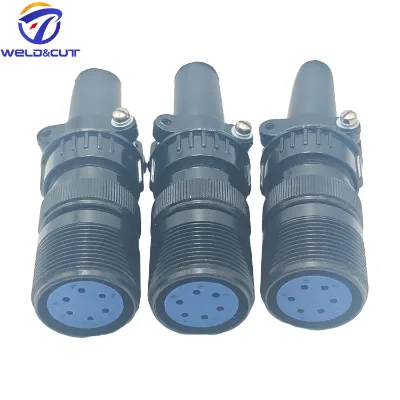
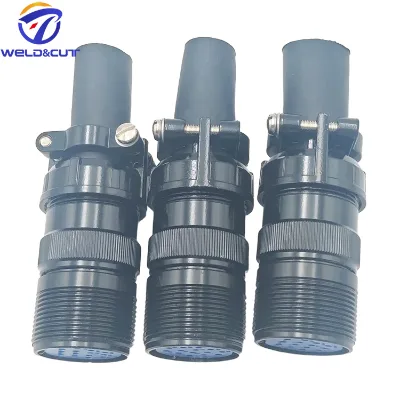


Comprehensive Sourcing Guide
Male Mono Solderless Plugs Sourcing Guide
Sourcing Male Mono Solderless Plugs requires a careful balance of electrical performance, mechanical durability, and supply chain reliability. These components serve as critical interface points in audio, video, and general signal transmission systems, where the integrity of the connection directly impacts signal quality and system longevity. Buyers must navigate a market characterized by significant variation in material composition, plating quality, and manufacturing standards. The decision to source solderless variants often stems from a need for rapid assembly, field-repairable connections, or reduced labor costs associated with traditional soldering processes. However, this convenience introduces specific risks regarding contact resistance stability and mechanical retention under vibration or thermal cycling.
The procurement landscape for these connectors is diverse, with manufacturers offering a wide array of configurations tailored to specific industrial, consumer, or professional audio applications. Key differentiators include the type of termination mechanism, the material of the contact pins, and the insulation properties of the housing. Buyers must also consider the environmental conditions in which the plugs will operate, such as exposure to moisture, dust, or extreme temperatures. Understanding these variables is essential for selecting a product that meets both immediate functional requirements and long-term reliability goals. This guide provides a structured approach to evaluating suppliers and products, ensuring that procurement decisions are grounded in verified technical data and commercial viability.
Product Scope and Observed Listing Signals
The current market for Male Mono Solderless Plugs exhibits a broad range of pricing and minimum order quantities, reflecting the heterogeneity of the product offerings. Observed listing prices span from as low as $0.01 to $8.50 USD, indicating a wide spectrum from basic commodity components to high-performance, specialized connectors. This price variance is often correlated with material quality, such as the use of brass versus copper alloys, and the thickness of gold plating on contact surfaces. Minimum Order Quantities (MOQs) also vary significantly, ranging from single units for prototyping to 5,000 pieces for large-scale industrial production. Buyers should interpret these signals as indicators of supplier scale and product tier, rather than absolute benchmarks for all available options.
Product attributes observed in listings provide critical insights into the physical and electrical characteristics of the plugs. Common specifications include a nominal voltage of 110V AC and a rated current of 2.5A, with test voltages reaching 500V AC for one minute to ensure insulation integrity. Contact resistance is typically specified around 22mΩ, while insulation resistance is often cited at 2000mΩ, though these values should be verified against specific datasheets. The mating cycle is a key durability metric, with some products rated for 500 cycles, suggesting suitability for frequent connection and disconnection scenarios. Additionally, IP ratings such as IP65 indicate a level of protection against dust and water jets, which is vital for outdoor or industrial applications.
Technical Specifications to Verify
When evaluating Male Mono Solderless Plugs, the material composition of the contacts and housing is paramount. Trusted category knowledge and observed listings highlight the use of brass with gold plating for contacts, which offers excellent conductivity and corrosion resistance. The shell material is frequently cited as copper alloy or brass, providing mechanical strength and shielding properties. Insulating materials, such as heat-resistant PPS (Polyphenylene Sulfide), are preferred for their ability to withstand high temperatures during assembly and operation. Buyers must verify that the specified materials align with the thermal and mechanical demands of their specific application, ensuring that the connector will not degrade or fail under stress.
Electrical and mechanical specifications require rigorous verification to ensure compatibility and performance. The contact diameter, often observed at Ø0.6mm, must match the wire gauge and termination method of the cable being used. The coupling mechanism, whether push-pull or screw-type, affects the ease of installation and the security of the connection. Termination methods, including solder and solderless options, dictate the assembly process and the required tools. Buyers should also check the rated voltage and current limits, ensuring they exceed the maximum expected load in the circuit. Additionally, the IP protection class should be confirmed to guarantee adequate environmental sealing, particularly for applications exposed to harsh conditions.
Compliance and Safety Documentation
Regulatory compliance is a non-negotiable aspect of sourcing electronic components, and buyers must ensure that suppliers provide appropriate documentation. RoHS (Restriction of Hazardous Substances) approval is a common standard observed in listings, indicating that the product is free from specific hazardous materials such as lead, mercury, and cadmium. This is particularly important for products intended for the European market or for use in environmentally sensitive applications. Buyers should request certificates of conformity or test reports to verify that the components meet these regulatory requirements. Failure to do so can result in legal liabilities and supply chain disruptions, especially in regions with strict environmental regulations.
Beyond RoHS, other standards and certifications may be relevant depending on the application and target market. ISO standards, such as ISO 9001 for quality management systems, can indicate a supplier’s commitment to consistent manufacturing processes. Buyers should inquire about any additional certifications, such as UL or CE marking, which may be required for specific industries or regions. It is also important to verify that the supplier’s documentation is up-to-date and accurately reflects the current production batch. Regular audits or requests for updated certificates can help maintain compliance over time, ensuring that the sourced components remain within regulatory bounds throughout the product lifecycle.
Cost Drivers and Commercial Terms
The cost of Male Mono Solderless Plugs is influenced by several factors, including material costs, manufacturing complexity, and order volume. Precious metal plating, such as gold, significantly impacts the unit price, with thicker plating offering better performance but at a higher cost. The choice of housing material, whether plastic or metal, also affects pricing, with metal housings generally being more expensive due to material and processing costs. Buyers should analyze the total cost of ownership, considering not just the unit price but also the potential savings from reduced assembly time and improved reliability. Bulk purchasing can often lead to significant discounts, but buyers must balance this with inventory holding costs and the risk of obsolescence.
Commercial terms, including payment methods, shipping options, and warranty policies, play a crucial role in the procurement process. Suppliers may offer various payment terms, such as upfront payment, letter of credit, or open account, depending on the buyer’s creditworthiness and the order size. Shipping costs and lead times can vary widely, with expedited shipping options available for urgent orders but at a premium. Warranty policies, such as the one-year warranty observed in some listings, provide a safety net against manufacturing defects. Buyers should negotiate clear terms regarding returns, replacements, and liability for non-conforming products to mitigate financial risk.
Supplier Qualification and Quality Control
Selecting a reliable supplier is critical to ensuring the quality and consistency of Male Mono Solderless Plugs. Buyers should conduct thorough due diligence, including verifying the supplier’s business license, manufacturing capabilities, and quality management systems. Requesting samples for testing is a essential step to evaluate the physical and electrical performance of the components. Buyers should also assess the supplier’s ability to provide customization, such as specific plating thicknesses or housing colors, to meet unique application requirements. A supplier’s responsiveness and transparency during the sampling and negotiation phases can be indicative of their overall reliability and commitment to customer satisfaction.
Quality control processes should be clearly defined and agreed upon before placing orders. Buyers should inquire about the supplier’s inspection procedures, including incoming material checks, in-process inspections, and final product testing. Requesting test reports for key parameters, such as contact resistance, insulation resistance, and mating cycle durability, can provide assurance of product quality. Additionally, buyers should establish clear acceptance criteria and procedures for handling non-conforming products. Regular quality audits or third-party inspections may be necessary for high-volume orders or critical applications, ensuring that the supplier maintains consistent quality standards over time.
Long-Term Procurement Checks
Sourcing Male Mono Solderless Plugs is not a one-time transaction but an ongoing relationship that requires continuous monitoring and evaluation. Buyers should establish key performance indicators (KPIs) to track supplier performance, including on-time delivery rates, defect rates, and responsiveness to issues. Regular reviews of these metrics can help identify potential problems early and facilitate corrective actions. Buyers should also stay informed about industry trends and technological advancements that may impact the availability or performance of these components. This proactive approach ensures that the supply chain remains resilient and adaptable to changing market conditions.
As technology evolves, buyers must be prepared to adapt their sourcing strategies to meet new requirements. This may involve evaluating alternative materials or designs that offer improved performance or cost efficiency. Buyers should also consider the environmental impact of their sourcing decisions, seeking out suppliers who demonstrate a commitment to sustainability and responsible manufacturing practices. By maintaining a strategic focus on quality, compliance, and supplier relationships, buyers can ensure a steady supply of high-quality Male Mono Solderless Plugs that support the long-term success of their products. Continuous engagement with suppliers and the market will help mitigate risks and capitalize on opportunities for improvement.
FAQs
What materials are used for Male Mono Solderless Plugs?
Male Mono Solderless Plugs typically use copper or copper alloy for the shell and brass with gold plating for contacts. The insulating material is often heat-resistant PPS to ensure durability. These material choices provide excellent conductivity and resistance to corrosion, making them suitable for reliable audio and video connections in various electronic applications.
Can Male Mono Solderless Plugs be customized?
Yes, customization is available for Male Mono Solderless Plugs. Buyers can request specific plating options, such as gold or nickel, and various packaging formats like white boxes or vacuum packaging. Customization allows for tailored solutions that meet specific project requirements, ensuring the components fit seamlessly into the intended electronic assembly or device design.
What is the IP rating for these connectors?
Some Male Mono Solderless Plugs feature an IP65 rating, providing protection against dust and low-pressure water jets. This level of ingress protection ensures reliable performance in environments where exposure to moisture or particulates is a concern. It is important to verify the specific IP rating for each model, as not all variants offer the same level of protection.
Which certifications do these plugs meet?
Many Male Mono Solderless Plugs are RoHS approved, ensuring they comply with restrictions on hazardous substances. Some products may also adhere to ISO standards for quality management. Buyers should verify the specific certifications for each model, as compliance can vary by manufacturer and product line, ensuring the components meet regulatory requirements for their target markets.
What is the typical MOQ for these components?
The minimum order quantity for Male Mono Solderless Plugs ranges from 1 to 5000 pieces, depending on the supplier and product model. This flexibility allows buyers to order small quantities for prototyping or larger volumes for mass production. It is advisable to check with specific suppliers for their exact MOQ requirements and any associated pricing tiers.
How are Male Mono Solderless Plugs packaged?
Packaging options for Male Mono Solderless Plugs include white boxes containing 25 pieces, bags with 5 or 1 piece, and vacuum packaging in cartons. The specific packaging method depends on the product model and supplier preferences. Proper packaging ensures the components are protected during shipping and storage, maintaining their quality and readiness for immediate use in assembly.