Source Marble Vase for Home Decor, Gifts, and Gallery Display
Compare 26 Marble Vase options from Chinese manufacturers featuring hand-carved details and custom dimensions. Buyers can evaluate styles ranging from antique to creative, with finishes like polished and honed, suitable for home decoration, gifts, and gallery display.
Key considerations
Products List


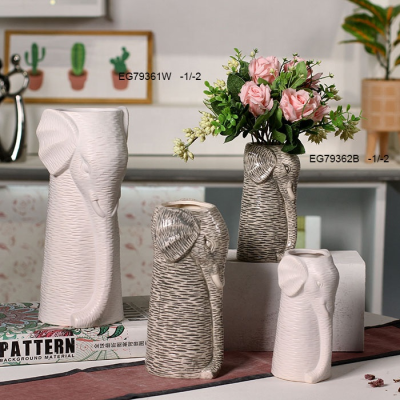
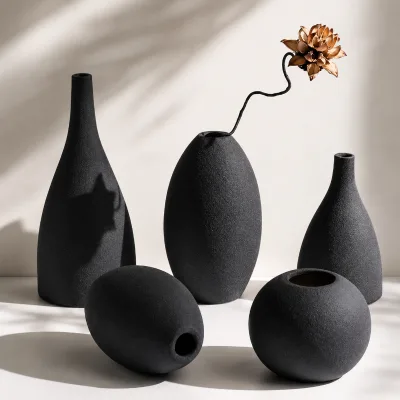

Comprehensive Sourcing Guide
Strategic Sourcing Guide for Marble Vases
Understanding Product Variations and Technical Specifications
When sourcing marble vases, buyers must first recognize that the product category encompasses a wide spectrum of technical attributes rather than a single uniform item. The available inventory includes distinct models such as Stone Vase-054J, Stone Vase-043V, and Stone Vase-033L, alongside specific project codes like STS-MC-2241015-07-R. These identifiers often correlate with specific dimensions, carving depths, and structural requirements. A critical technical observation is the diversity in surface finishes; some units are delivered with a polished finish to enhance luster, while others feature a honed finish for a softer, matte appearance. This distinction significantly impacts the visual aesthetic and the tactile experience of the final product.
The material composition is consistently identified as marble, a natural stone known for its durability and aesthetic appeal. However, the processing methods vary, with many items described as hand-made or hand-carved. This manual intervention introduces a level of uniqueness to each piece, often characterized by specific techniques such as engraving or detailed carving. The design styles range from antique patterns to creative, modern interpretations, with some pieces featuring patterned surfaces. Buyers should note that the "Special" attribute for certain models highlights "Very Detailed Carving," which implies a higher labor intensity and potentially longer production cycles compared to simpler, polished designs. Furthermore, the application of these vases is versatile, serving as flower pots, table centerpieces, or standalone decorative sculptures for galleries and hotels.
Compliance, Standards, and Customization Protocols
In the realm of B2B procurement for natural stone products, the concept of standardization is fluid. Unlike manufactured goods that adhere to rigid ISO specifications, marble vases often operate under project-specific standards. The documentation indicates that product standards can be "customized" or defined "by projects," suggesting that compliance is often negotiated on a case-by-case basis rather than adhering to a single universal benchmark. Buyers must verify if the supplier can align their production with specific international safety or quality standards relevant to their target market, particularly regarding structural integrity for large-scale installations.
Customization is a central pillar of this product category. The supply chain explicitly supports OEM (Original Equipment Manufacturer) services and offers "Customized" options where dimensions, designs, and logos can be tailored. For instance, suppliers note the capability to design and manufacture different dimensions for sculptures, with height specifications potentially reaching up to 120CM or adhering to client requests. The acceptance of logo engraving allows for branding opportunities, turning a generic vase into a corporate gift or a branded architectural element. However, this flexibility requires clear communication of technical drawings and material expectations. Buyers should ensure that the "customized" nature of the product does not compromise the structural integrity of the marble, especially for larger pieces intended for public spaces like plazas or hotels.
Cost Drivers and Pricing Dynamics
The pricing structure for marble vases is influenced by a complex interplay of factors, including material quality, labor intensity, and logistical requirements. The observed price range in the market spans from $2 to $5,000, a variance that reflects the difference between small, mass-produced decorative items and large, hand-carved architectural sculptures. The "Direct Factory Supplying" advantage suggests that buyers may access more competitive pricing by bypassing intermediaries, though this depends on the volume of the order.
Labor costs are a significant driver, particularly for items described as "Hand-Made" or "Hand Carved." The "Very Detailed Carving" attribute implies a higher man-hour requirement, which directly correlates with the unit cost. Additionally, the finishing process plays a role; a polished finish requires more steps than a honed one, potentially increasing the price. The packaging method also impacts the final landed cost. While some items are packed in polybags for smaller units, larger or more delicate pieces require wooden crates with plastic and foam inserts, or even wooden crates with soft forms inside. This heavy-duty packaging is essential for protection but adds to the shipping weight and cost. Buyers must also consider the "Maintenance Requirement," which is noted as "High" for certain marble products, implying potential long-term ownership costs that should be factored into the total cost of ownership analysis.
Typical Applications and Functional Use Cases
Marble vases serve a broad array of functional and aesthetic purposes, making them suitable for diverse procurement scenarios. The primary applications include home decoration, art and collection, gallery display, and plant cultivation. Specific models are designed to be used with flowers or green plants, functioning effectively as flower pots. The durability and aesthetic value of the stone make these items ideal for high-traffic commercial environments such as hotels, gardens, and plazas, where they contribute to a sense of luxury and permanence.
The versatility extends to gifting and corporate branding. The "Table Centerpiece" and "Gift" attributes indicate that these vases are frequently used in event planning and corporate gifting programs. The ability to accept logo engraving enhances their utility in this sector. For architectural projects, the "Application" list includes garden, hotel, home, and plaza decoration, suggesting that these items are robust enough for outdoor or semi-outdoor environments, provided they are treated correctly. The "Sea Freight Worthy" attribute confirms that these products are engineered to withstand the rigors of long-distance shipping, making them viable for international projects where the vase must travel from the manufacturing hub in China to global destinations.
Supplier Evaluation and Operational Capabilities
When evaluating potential suppliers for marble vases, buyers should focus on operational transparency and logistical reliability. The origin of these products is consistently traced to China, with specific mentions of Quanzhou and Fujian regions, which are known hubs for stone processing. A key evaluation metric is the supplier's ability to handle custom orders, as evidenced by the "Customization: Available" and "OEM: Yes" attributes. Buyers should verify the supplier's capacity to manage the "Hand-Made" production process, ensuring that the labor force is skilled enough to execute complex carvings without compromising quality.
Logistical capabilities are equally critical. The observation that products are "Worthy to Long Sea Freight" and that insurance covers "All Risks" indicates a mature supply chain. However, buyers must confirm the specific packaging standards for their order size. While some items use polybags, larger orders or delicate sculptures require wooden crates with internal foam or soft forms to prevent damage. The "Min Order" flexibility is another point of evaluation; while some listings suggest a Minimum Order Quantity (MOQ) of 10,000 units, others indicate a minimum of 1 piece or 1 pair. This discrepancy suggests that suppliers may have different tiers of engagement, ranging from bulk wholesale to bespoke single-unit commissions. Buyers must clarify the MOQ and lead time expectations before proceeding, as delivery times can vary from 3-4 weeks depending on the order complexity and customization level.
Quality Control and Long-Term Procurement Considerations
Quality assurance in the Marble Vase sector requires a rigorous approach to inspecting natural stone characteristics. The "Quality" attribute is generally described as "Good," but this is a subjective term that buyers must operationalize through clear acceptance criteria. Given the "High" maintenance requirement, buyers should request detailed care instructions and verify the surface treatment processes, such as polishing or honing, to ensure they meet the intended aesthetic and functional goals. The "Service" attribute is noted as "Perfect," which implies a commitment to customer satisfaction, but this should be validated through reference checks or trial orders.
Long-term procurement considerations involve managing the lifecycle of the product. Marble is a porous material that requires regular maintenance to prevent staining and weathering, especially for items used outdoors in gardens or plazas. Buyers should assess the supplier's ability to provide after-sales support, including maintenance guidelines and potential repair services. The "Remark" regarding the ability to design different dimensions suggests that suppliers can adapt to future project needs, which is valuable for long-term partnerships. However, the variability in natural stone means that each batch may have slight differences in color and texture. Buyers should request sample approvals and establish clear tolerance levels for these natural variations to avoid disputes upon delivery. Finally, the lead time of "Within 3-4 Weeks" should be factored into project schedules, with the understanding that custom orders may extend this timeline.
FAQs
What customization options are available for marble vases?
Customization is available for dimensions, designs, and logo engraving. Suppliers can design different sculpture dimensions and accept logo engraving, with standards defined by specific projects rather than fixed universal benchmarks.
How are marble vases typically packaged for shipping?
Packaging varies by size, ranging from individual polybags to wooden crates with plastic and foam. Larger or delicate pieces often use wooden crates with soft forms inside to ensure they are worthy for long sea freight.
Can I order a single Marble Vase or do I need bulk?
Minimum order quantities vary significantly, with some listings accepting just one piece or one pair. Other suppliers may require a minimum order of 10,000 units, so buyers must clarify the specific MOQ before proceeding.
What surface finishes are offered for these stone vases?
Surface finishes include polished and honed options to suit different aesthetic preferences. Polished finishes enhance luster, while honed finishes provide a softer, matte appearance, often combined with hand-carved techniques.
Where are these marble vases manufactured and shipped from?
Products originate from China, specifically regions like Quanzhou and Fujian. The supply chain supports long sea freight, with insurance covering all risks to ensure safe delivery to global destinations.
What is the typical lead time for custom Marble Vase orders?
Delivery typically occurs within 3 to 4 weeks, depending on the specific order requirements. Custom orders or those with detailed carvings may extend this timeline based on the complexity and customization level requested.
Which styles and applications are suitable for marble vases?
Styles range from antique to creative designs, suitable for home decoration, galleries, and hotels. They function as flower pots, table centerpieces, or decorative sculptures for gardens and plazas.