Source Flexible MCM Travertine Block for Exterior, Interior, and Ceiling
Compare 30 listings for Flexible MCM Travertine Block suitable for exterior walls, interior spaces, and ceiling decoration. Buyers can evaluate specifications like thickness, weight, and surface finish to find the right material for school or commercial projects; compare the available evidence and request quotations based on your requirements.
Key considerations
Products List


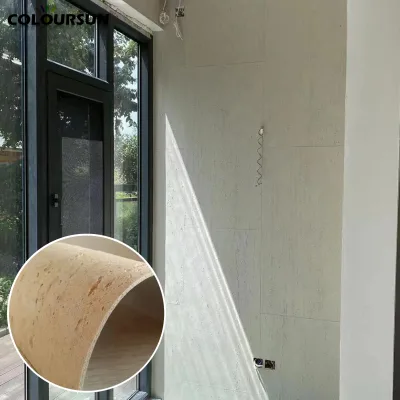

$7.10 - $8.35
MOQ: 200 Square Meters


Lightweight Travertine Flexible Stone Panels for Building Wall Covering
$7.10 - $8.30
MOQ: 200 Square Meters


Mcm Modern Flexible Stone Travertine Waterproof for Building Interior and Exterior Stone
$8.99 - $11.99
MOQ: 200 Square Meters

Mcm Thin Travertine Flexible Soft Ceramic Tiles Interiors Exteriors Stone Veneer Fireproof
$8.99 - $11.99
MOQ: 200 Square Meters

Flexible Mcm Travertine Soft Stone Bendable Waterproof Fireproof Stone Wall Panel
$7.99 - $9.99
MOQ: 200 Square Meters


Travertine Flexible Stone New Design Mcm Stone for Use Home Construction Hotel
$4.89 - $7.89
MOQ: 50 Square Meters

Good Quality Mcm Stone Soft Stone Veneer Flexible Stone Building Material Board
$4.89 - $7.89
MOQ: 50 Square Meters


Comprehensive Sourcing Guide
Flexible MCM Travertine Block Sourcing Guide
Procuring flexible MCM travertine blocks requires a nuanced understanding of material composition and installation dynamics. These products typically utilize modified clay or natural stone powder composites to achieve a lightweight, flexible profile that mimics the aesthetic of traditional stone. Buyers must distinguish between genuine natural slate composites and artificial quartz variants, as their performance characteristics and structural requirements differ significantly. The core appeal lies in the ability to bend around curves and corners, making them ideal for complex architectural facades and interior feature walls where rigid tiles would fail.
Sourcing decisions should be driven by specific project constraints such as weight limits, fire safety codes, and design aesthetics. The observed market offers a wide range of thicknesses, typically between 3-4 mm, which directly impacts flexibility and durability. Buyers need to verify whether the product is a big slab format or a smaller tile, as this affects handling and installation speed. Understanding the surface finish, whether matte or with a lotus leaf effect, is crucial for determining maintenance requirements and slip resistance in high-traffic areas.
Product Scope and Observed Listing Signals
The current market landscape for flexible MCM travertine reveals a diverse array of product configurations and material claims. Listings indicate the presence of both natural slate composites and artificial quartz types, each offering distinct visual textures and physical properties. The observed price range of 2.7 to 18.17 USD suggests significant variation in quality, brand positioning, and included services. Buyers should note that some products are marketed as ultra-lightweight with easy paste installation, while others emphasize luxury design styles and specific color options like white, beige, or gradient grey.
Observed minimum order quantities (MOQs) vary widely from 1 to 500 units, reflecting the flexibility of suppliers to accommodate both small sample orders and large-scale commercial projects. Packaging methods also differ, with some items shipped in packs and others in wooden boxes, which influences logistics costs and product protection during transit. The availability of customization services allows buyers to tailor dimensions and patterns to specific architectural needs, though this may impact lead times and unit costs. It is essential to cross-reference these listing signals with actual product specifications to ensure alignment with project requirements.
Technical Specifications to Verify
Technical verification must begin with confirming the exact material composition, as products are described variously as natural slate composites, modified clay with stone powder, or artificial quartz. These differences dictate the product’s durability, water absorption rates, and thermal stability. Buyers should request detailed data sheets specifying thickness, typically ranging from 3-4 mm, and dimensions such as 600x1200mm or larger slab formats. The surface finish, whether matte or treated with a lotus leaf effect, plays a critical role in the final aesthetic and functional performance, particularly regarding stain resistance and ease of cleaning.
Flexibility and structural integrity are paramount for MCM products, so verifying the stone form and edge processing is essential. Products described as flexible stone or soft anti-crack materials offer better adaptability to uneven substrates, reducing the risk of breakage during installation. Buyers must also check the weight specifications, as ultra-light variants simplify handling and reduce structural load on building facades. Additionally, confirming the standard sizes and available color patterns ensures that the selected product meets the design intent without requiring extensive custom fabrication, which can introduce delays and additional costs.
Compliance and Safety Documentation
Safety compliance is a critical factor when sourcing flexible MCM travertine for both interior and exterior applications. Buyers must verify fire resistance ratings, with some products claiming A2 classification, which is crucial for meeting building codes in commercial and high-rise projects. Waterproof properties are another key specification, ensuring that the material can withstand environmental exposure without degrading or promoting mold growth. Documentation should clearly state water absorption rates, typically ranging from 3-6%, to assess long-term durability in wet or humid conditions.
Beyond fire and water resistance, buyers should inquire about additional safety certifications and testing reports that validate the product’s performance under stress. While ISO9001 is mentioned in background data, it is a quality management standard rather than a product-specific certification, so buyers must seek specific product test results for impact resistance and tensile strength. Ensuring that the supplier provides comprehensive safety documentation helps mitigate liability risks and ensures that the installed material meets local regulatory requirements for public and private buildings.
Cost Drivers and Commercial Terms
Cost structures for flexible MCM travertine are influenced by material composition, surface treatment, and customization levels. Products with luxury design styles or specific color options may command higher prices due to the complexity of production and aesthetic appeal. The observed price range reflects these variations, with basic matte finishes being more affordable than those with specialized treatments like the lotus leaf effect. Buyers should also consider the packaging method, as wooden box packaging may incur higher shipping costs but offers better protection, potentially reducing damage-related losses.
Commercial terms such as MOQ and lead times significantly impact the total cost of ownership. Lower MOQs offer flexibility for small projects but may result in higher per-unit costs, while bulk orders can leverage economies of scale. Buyers must clarify whether customization services are included in the base price or charged separately, as this can affect budgeting. Additionally, after-sale service provisions, such as online technical support, can add value by reducing installation errors and ensuring proper product performance, which indirectly lowers long-term maintenance costs.
Supplier Qualification and Quality Control
Supplier qualification requires a thorough assessment of their manufacturing capabilities and quality control processes. Buyers should verify the supplier’s origin, with many products originating from regions like Guangdong or Xuzhou in China, known for stone and tile manufacturing expertise. Assessing the supplier’s project solution capability, including graphic design and 3D model design services, indicates their ability to support complex installations and ensure design fidelity. Suppliers offering total solutions for projects often provide better coordination and support throughout the procurement and installation phases.
Quality control measures should include checks on surface finish consistency, color uniformity, and dimensional accuracy. Buyers must ensure that the supplier has robust processes for inspecting flexibility and anti-crack properties, as these are critical for the product’s performance. Requesting samples before placing large orders allows buyers to physically verify the material’s texture, weight, and ease of installation. Establishing clear communication channels for technical support ensures that any issues during installation can be addressed promptly, minimizing project delays and ensuring a high-quality final result.
Long-Term Procurement Checks
Long-term procurement success depends on establishing reliable supply chains and maintaining consistent product quality over time. Buyers should monitor supplier performance metrics, such as on-time delivery rates and defect frequencies, to ensure ongoing reliability. Regularly reviewing product specifications against evolving building codes and design trends helps maintain the relevance and compliance of the sourced materials. Building a relationship with suppliers who offer continuous support and updates on new products or technologies can provide a competitive advantage in future projects.
Additionally, buyers should implement a feedback loop from installation teams and end-users to assess the real-world performance of the flexible MCM travertine. This feedback can inform future purchasing decisions, highlighting areas for improvement in material durability, ease of installation, or aesthetic appeal. By staying informed about market trends and supplier capabilities, buyers can optimize their procurement strategies to balance cost, quality, and performance, ensuring that their projects meet both immediate and long-term objectives.
FAQs
What is the material composition of Flexible MCM Travertine Block?
The material is a natural slate composite or modified clay with natural stone powder. This composition allows the product to be ultra-lightweight while maintaining the aesthetic of real stone for various wall applications.
How is the Flexible MCM Travertine Block installed on surfaces?
Installation involves easy paste or glue application directly to the wall. The flexible nature of the material simplifies the process, making it suitable for both exterior and interior decoration projects without complex tools.
Which standard sizes are available for the Flexible MCM Travertine Block?
Standard sizes include 600 by 1200 mm, 1200 by 2400 mm, and 1200 by 3000 mm. Some specific models also offer 600 by 1200 mm dimensions to suit different project requirements and slab forms.
Can the Flexible MCM Travertine Block be customized for projects?
Customization is available for certain product lines, while others are non-customized. Buyers can select from different patterns and colors, with options for graphic design and total project solutions provided by the supplier.
What are the key features of the Flexible MCM Travertine Block?
Key features include being waterproof, fireproof, lightweight, and heat resistant. The product also offers a lotus leaf effect surface treatment and is designed to be anti-crack with good flexibility for durable installation.
Where is the Flexible MCM Travertine Block manufactured?
The product originates from China, specifically from locations like Xuzhou Jiangsu and Guangdong. These regions serve as the primary places of origin for the manufacturing and supply of these stone composite materials.