Source Medical Silicone End Caps for Pharmaceutical Sealing
Find 30 Medical Silicone End Caps suitable for pharmaceutical sealing and freeze-drying applications. Compare specifications including bromobutyl rubber and silicone materials, customized sizes, and certifications like ISO 13485 to identify the right components for your supply chain needs; compare the available evidence and request quotations based on your requirements.
Key considerations
Products List


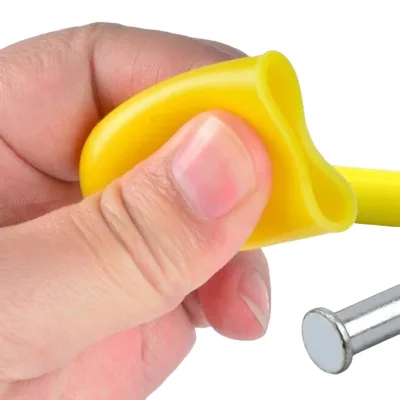


Special Shapes and Colors Silicone Caps
$0.08 - $0.09
MOQ: 1000 Pieces
Ningbo Beilun Hengnai Fluorine & Plastic Production Co., Ltd.

Silicone Rubber Caps with Many Colors
$0.07 - $0.07
MOQ: 1000 Pieces
Ningbo Beilun Hengnai Fluorine & Plastic Production Co., Ltd.

Higher Quality of Silicone Caps
$0.01 - $0.01
MOQ: 10000 Pieces
Ningbo Beilun Hengnai Fluorine & Plastic Production Co., Ltd.

Dark Blue Silicone Caps with Best Quality
$0.01 - $0.01
MOQ: 10000 Pieces
Ningbo Beilun Hengnai Fluorine & Plastic Production Co., Ltd.

Silicone Rubber Caps with High Quality
$0.07 - $0.10
MOQ: 1000 Pieces
Ningbo Beilun Hengnai Fluorine & Plastic Production Co., Ltd.

Oversized Silicone Caps with Many Colors
$0.01 - $0.01
MOQ: 10000 Pieces
Ningbo Beilun Hengnai Fluorine & Plastic Production Co., Ltd.


Comprehensive Sourcing Guide
Medical Silicone End Caps Sourcing Guide
Procurement professionals must distinguish between general rubber components and specialized medical-grade silicone end caps, as the supplied data reveals a mix of materials including bromobutyl rubber, neoprene, and metal alongside silicone. While some listings explicitly mention silicone sealing types and pharmaceutical applications, others describe industrial gland packings or butterfly valve structures that do not meet strict medical device requirements. Buyers should carefully filter product attributes to ensure the raw material is specifically medical-grade silicone rather than general-purpose rubber compounds that may lack necessary biocompatibility.
The observed product listings indicate a wide variance in intended use, ranging from freeze-drying applications to general household and industrial water usage. This diversity suggests that not all "rubber bottle stoppers" or "end caps" listed are suitable for sterile medical environments. Sourcing teams must verify that the specific item selected is designed for direct contact with pharmaceuticals or biological fluids, rather than generic sealing applications like garden wares or vehicle components, which often utilize different material formulations and manufacturing tolerances.
Product Scope and Observed Listing Signals
Buyers should scrutinize the listed product models and specifications to confirm they align with medical device dimensions, as observed data includes specific sizes like 13mm, 18mm, and 20mm alongside generic model numbers. The presence of "Flip Top Cap" attributes and specific capacity listings such as 3ml and 5ml suggests a subset of products designed for small-volume vials or syringes, which are common in medical packaging. However, the coexistence of "Gland Packings" and "Butterfly" structure descriptions indicates a need to isolate medical-grade items from broader industrial sealing solutions that share similar naming conventions.
Verification of the washing process is critical, as the data notes that some items are washed in purified water, a standard practice for pharmaceutical stoppers to remove particulate matter. This attribute serves as a key signal for medical suitability, distinguishing high-purity products from those intended for non-sterile industrial environments. Procurement teams must ensure that the specific supplier listing confirms this purification step, as the absence of such a claim often implies the product is not ready for direct medical application without additional, costly cleaning validation.
Technical Specifications to Verify
Technical due diligence requires confirming the cross-section shape and sealing form, as the data highlights "O-Rings" and "Gland Packings" as distinct structural types. Medical end caps typically require precise O-ring geometries to ensure a hermetic seal in vial applications, whereas gland packings are more common in valve systems. Buyers must request detailed engineering drawings to verify that the cross-section matches the specific requirements of their container system, ensuring that the sealing force and compression set properties are appropriate for the intended storage duration and temperature conditions.
Temperature and pressure ratings are essential parameters that vary significantly across the observed product range, with some listings citing high-temperature and high-pressure capabilities. While these attributes are beneficial for sterilization processes like autoclaving, they must be validated against the specific thermal limits of the medical device being packaged. Procurement teams should demand test data confirming that the silicone material maintains its elasticity and sealing integrity under the specific sterilization cycles and storage pressures required by the final medical product, rather than relying on generic high-performance claims.
Compliance and Safety Documentation
Regulatory compliance is paramount, and the observed certifications include RoHS, ISO13485, and LFGB, which are relevant for medical and food-contact applications. However, the presence of these certifications in the data does not guarantee that every listed product batch is compliant, as some items are described with "Customized" standards or lack specific medical device registration numbers. Buyers must verify that the specific lot of silicone end caps carries valid ISO13485 certification for the manufacturing facility and that the material composition meets the biocompatibility requirements of ISO 10993, which is a trusted standard for medical devices but not explicitly confirmed for all listed items.
Documentation regarding the raw material source and processing history is equally critical, as the data mentions bromobutyl rubber and neoprene alongside silicone, creating potential confusion regarding material purity. Medical procurement requires a Certificate of Analysis (CoA) that explicitly states the silicone grade and confirms the absence of harmful extractables or leachables. Buyers should insist on documentation proving that the purification process, such as washing in purified water, was performed under controlled conditions to prevent cross-contamination from non-medical grade materials or industrial lubricants.
Cost Drivers and Commercial Terms
The observed minimum order quantities (MOQ) range widely from 100 to 10,000 units, with some listings specifying 100,000 pieces, which significantly impacts the total cost of ownership for medical procurement. High-volume orders may reduce the unit price, but the requirement for 100,000 pieces can create inventory risks for startups or clinical trials with fluctuating demand. Buyers must negotiate MOQs that align with their production schedule while ensuring that the supplier can maintain consistent quality control over the larger batch sizes required for medical device manufacturing.
Pricing and shipping terms are influenced by the complexity of customization and the specific packaging requirements, as data indicates options for carton, pallet, and customer-specific packing. The cost of customizing the end cap dimensions or logo printing, even if listed as "Without Logo Printing" in some cases, adds to the overall expense. Procurement teams should evaluate the total landed cost, including shipping via DHL, TNT, or FedEx, and factor in the potential for higher unit costs associated with smaller, customized medical orders compared to standard industrial volumes.
Supplier Qualification and Quality Control
Supplier qualification must extend beyond basic location data, as origins include Xiamen and Hebei in China, regions known for diverse manufacturing capabilities. Buyers should verify that the supplier has a dedicated quality management system specifically for medical devices, rather than a general industrial setup, to ensure that the "Customized" standards mentioned in the data are met with rigorous oversight. The ability to provide traceability for every batch of silicone end caps is essential, requiring suppliers to maintain detailed records of raw material lots, production dates, and quality inspection results.
Quality control protocols should include rigorous testing for sealing performance and material consistency, as the data notes various sealing forms and flow directions. Buyers must implement incoming inspection procedures that verify the physical dimensions, such as the 13mm to 32mm range, and confirm that the sealing type matches the design specifications. It is also vital to audit the supplier's process for handling "Unidirection" flow requirements and ensuring that the final product meets the strict dimensional tolerances necessary for automated filling lines in medical manufacturing.
Long-Term Procurement Checks
Sustaining a reliable supply chain for Medical Silicone End Caps requires regular re-verification of supplier certifications and material specifications over time. The "Customized" nature of many products means that changes in raw material sourcing or manufacturing processes can alter the product's compliance status, necessitating annual audits and updated Certificates of Analysis. Buyers should establish a schedule for re-testing critical attributes like biocompatibility and sealing integrity to ensure that the long-term supply remains consistent with the original regulatory approvals.
Monitoring the supplier's ability to meet evolving regulatory standards is crucial, as the medical device landscape frequently updates its requirements for materials and sterilization. Procurement teams should maintain open communication channels to track any changes in the supplier's production capabilities or quality systems that might affect the product's performance. Regular reviews of the supplier's lead times and capacity to handle volume fluctuations will help mitigate supply chain disruptions and ensure a steady flow of compliant medical components for ongoing production needs.
FAQs
What materials are used for Medical Silicone End Caps?
Medical Silicone End Caps are primarily manufactured using high-grade silicone rubber to ensure biocompatibility and safety. Some variants may incorporate bromobutyl rubber or neoprene for specific sealing applications. These materials are selected for their durability, resistance to sterilization processes, and ability to maintain a secure seal in pharmaceutical and medical device contexts.
Can these end caps be customized for specific medical devices?
Yes, customization is available for Medical Silicone End Caps to meet unique device requirements. Buyers can specify dimensions such as 13mm, 18mm, 20mm, or 32mm diameters. Customization also extends to sealing forms, colors, and packaging options, allowing for tailored solutions that fit specific industrial or household usage scenarios while maintaining high sealing performance.
What certifications are typically associated with Medical Silicone End Caps?
Medical Silicone End Caps often carry certifications such as ISO 13485, RoHS, and LFGB to ensure regulatory compliance. These certifications verify that the products meet strict quality management and safety standards for medical and food-grade applications. Buyers should verify specific certification documents with suppliers to ensure alignment with their regional regulatory requirements and quality assurance protocols.
How are Medical Silicone End Caps packaged for shipping?
Medical Silicone End Caps are typically packaged in cartons or paper cartons with pallets for secure transport. Shipping methods include DHL, TNT, and FedEx to ensure timely delivery. Packaging is designed to protect the caps from contamination and damage during transit, with options available to meet specific customer requirements for hygiene and handling in medical supply chains.
What is the typical MOQ for ordering Medical Silicone End Caps?
The minimum order quantity for Medical Silicone End Caps varies, often ranging from 100 to 10,000 pieces depending on the supplier and customization level. Some standard items may have an MOQ of 3,000 pieces, while specialized or bulk orders might require 100,000 pieces. Buyers should confirm MOQ details with manufacturers to align with their production volume and budget constraints.
Where are Medical Silicone End Caps typically manufactured?
Medical Silicone End Caps are commonly manufactured in regions such as Xiamen and Hebei in China. These locations are known for their robust manufacturing infrastructure and expertise in producing rubber and silicone components. Buyers can source products from these origins, ensuring access to established supply chains and competitive pricing for high-quality medical sealing components.