Source Thermoplastic Styrene Butadiene Rubber SBS for Tires, Hoses, Cables
Explore 30 listings of Thermoplastic Styrene Butadiene Rubber SBS to compare grades, packaging, and specifications. This guide helps buyers evaluate options for automotive parts, wire and cable, and general plastic applications; compare the available evidence and request quotations based on your requirements.
Key considerations
Products List
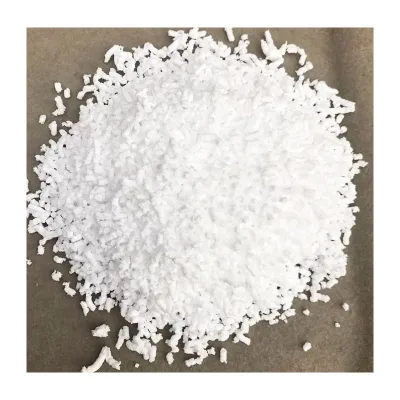
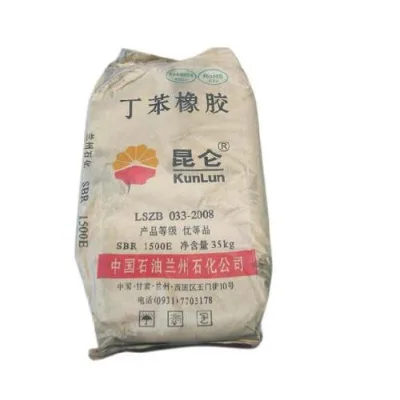

Thermoplastic Styrene Butadiene Rubber Sbs with High Temperature Resistance
$1150.00 - $1750.00
MOQ: 1 Tons


Thermoplastic Styrene Butadiene Rubber Sbs with High Temperature Resistance
$1400.00 - $1500.00
MOQ: 5 Tons


Butadiene Styrene Granule Sbs China Good Price Thermoplastic Elastomer Sbs
$1650.00 - $1750.00
MOQ: 1 Tons


Comprehensive Sourcing Guide
Thermoplastic Styrene Butadiene Rubber Sourcing Guide
The global market for thermoplastic styrene butadiene rubber (SBS) offers a versatile solution for manufacturers seeking to replace traditional vulcanized rubbers in various industrial applications. Sourced primarily from regions like Hebei, China, these materials are available in distinct forms such as white loose columnar solids, catering to diverse processing needs including extrusion, blow molding, and calendering. Buyers must recognize that while the core chemical structure remains consistent, the specific grade selected dictates performance in end-use scenarios ranging from automotive components to medical-grade materials.
Procurement strategies should focus on aligning the polymer's physical properties with specific manufacturing requirements, as the material exhibits a wide spectrum of characteristics including high impact resistance, low temperature resistance, and chemical resistance. The observed product listings indicate a significant variation in application suitability, from tire manufacturing and wire insulation to specialized uses in optical grades and sports equipment. Understanding these distinctions is critical, as the wrong grade selection can lead to processing failures or compromised product durability in the final assembly.
Product Scope and Observed Listing Signals
Buyers observing current market listings will encounter a broad price range, typically spanning from $2 to $1,850 USD, which reflects the diversity in packaging, purity, and specific grade modifications available. This variance often correlates with the intended application, where specialized grades for medical or optical uses command higher premiums compared to standard grades used in general plastics or construction adhesives. It is essential to scrutinize the specific product name and grade designation, such as M10 or M40, to ensure the material matches the intended processing method like rotational molding or hot melt application.
The physical form of the product is another critical signal, with most suppliers offering the material as white loose columnar solids packaged in 25 kg bags or customized woven bags. While the standard packaging is consistent, the single package size and gross weight can vary, requiring careful logistics planning for inbound shipments. Buyers should verify the exact packaging configuration against their storage capabilities, noting that some listings offer customized packaging solutions to accommodate specific supply chain constraints or bulk handling requirements.
Technical Specifications to Verify
Technical due diligence must begin with the molecular composition, specifically verifying the styrene content which typically ranges between 23% and 40% by weight in the supplied listings. This ratio fundamentally influences the material's hardness, elasticity, and flow properties, directly impacting its suitability for applications like blow molding or extrusion. Procurement teams should request detailed technical data sheets that confirm the specific molecular principal chain and polystyrene content to ensure the material meets the precise mechanical demands of the final product design.
Beyond chemical composition, physical properties such as specific gravity, melting behavior, and thermal stability are vital verification points for successful integration. The observed data indicates a specific gravity of approximately 0.94 and a molecular weight around 158.243, but these values can fluctuate based on the specific grade and manufacturing batch. Buyers must confirm that the material's plastic forming method, such as blow molding, aligns with their production equipment capabilities and that the extended oil content falls within the acceptable range of 25-33% for their specific adhesive or coating formulation.
Compliance and Safety Documentation
Regulatory compliance is a non-negotiable aspect of sourcing SBS, with suppliers frequently citing ISO and CE certifications as evidence of adherence to international quality and safety standards. However, buyers must verify the scope of these certifications to ensure they cover the specific grade and application intended, as a general ISO certification may not automatically validate the material for medical or food-contact applications. It is prudent to request current, valid certificates that explicitly list the product model number and grade to avoid accepting documentation that is outdated or irrelevant to the specific batch being purchased.
Safety documentation must also address the chemical identity and handling requirements, including the CAS number and material safety data sheets (MSDS). The supplied facts list multiple CAS numbers, such as 9003-55-8 and 91261-65-3, which suggests potential variations in polymerization or specific chemical formulations that require distinct safety protocols. Procurement teams should ensure that the supplier provides up-to-date safety data for the exact product being ordered, confirming that the material is stored in a cool, dry place and handling procedures align with the chemical resistance and flame retardant properties claimed.
Cost Drivers and Commercial Terms
Commercial negotiations for SBS are heavily influenced by the minimum order quantity (MOQ) and the specific payment terms agreed upon, which typically range from 25 kg to 25 kg per unit with a standard payment structure of 30% TT deposit and 70% TT upon completion. The observed MOQ of 25 kg suggests that small-batch procurement is feasible, but buyers should be aware that unit costs may increase significantly for orders near the minimum threshold compared to bulk purchases. Understanding these thresholds is crucial for inventory management, as holding excess stock of a specialized grade can tie up capital without providing proportional value.
Lead times and delivery logistics represent another significant cost driver, with standard delivery windows observed between 7 to 15 working days from the place of origin in China. Buyers must factor in potential customs clearance delays and freight costs when calculating the total landed cost, especially when sourcing from a specific region like Hebei. It is advisable to clarify whether the quoted price includes packaging customization and to confirm the exact delivery time frame, as variations in production schedules or raw material availability can impact the ability to meet tight project deadlines.
Supplier Qualification and Quality Control
Supplier qualification should extend beyond basic certification checks to include a rigorous assessment of their quality control processes and consistency in maintaining product grades. The market offers a wide array of grades, from standard to high crystallinity and toughened variants, meaning that a supplier's ability to maintain strict control over the polystyrene content and molecular weight is paramount. Buyers should request evidence of batch-to-batch consistency and inquire about the specific testing protocols used to verify attributes like wear resistance and hydrolysis resistance before committing to large-scale orders.
Quality control also involves verifying the supplier's ability to provide samples and their responsiveness to customization requests, which are often available for specialized applications. The observed listings indicate that free samples are available, providing an opportunity to physically test the material's properties, such as its white color and columnar solid shape, against internal specifications. Establishing a clear communication channel for quality feedback is essential, ensuring that any deviations in the product's performance, such as issues with high flow or low temperature resistance, can be addressed promptly before production begins.
Long-Term Procurement Checks
Sustainable procurement requires establishing long-term checks to monitor the stability of the supply chain and the consistency of the material's performance over time. Buyers should implement a system for periodic re-verification of the supplier's certifications and quality standards, ensuring that the ISO and CE compliance remains valid throughout the contract period. Regular audits or requests for updated test reports can help identify any drift in material properties, such as changes in the specific gravity or styrene content, which could compromise the integrity of the final products.
Strategic planning for long-term partnerships should also consider the flexibility of the supplier to adapt to changing market demands or regulatory updates. Given the diverse applications of SBS, from automotive parts to electronic components, the supplier must demonstrate the capacity to scale production and maintain quality as order volumes increase. Buyers should negotiate terms that allow for adjustments in packaging, such as switching from standard 25 kg bags to customized solutions, and ensure that the supplier can maintain the required delivery times even during periods of high market demand.
FAQs
What is the chemical formula for Thermoplastic Styrene Butadiene Rubber SBS?
The chemical formula is C12H14 with a molecular weight of 158.243. This polymerized rubber features a carbon chain polymer structure and is available in white loose columnar solid form for various industrial applications.
How is Thermoplastic Styrene Butadiene Rubber SBS packaged for shipment?
It is typically packed in 25 kg bags made of PP or PE woven material. Customized packaging options are available, and the single package size measures 75 by 45 by 15 cm with a gross weight of 25.2 kg.
Can I get free samples of Thermoplastic Styrene Butadiene Rubber SBS?
Yes, free samples are available for potential buyers to evaluate the product quality. This allows customers to verify the white color and physical properties before committing to a larger order of 25 kg or more.
What certifications does Thermoplastic Styrene Butadiene Rubber SBS hold?
The product holds ISO and CE certifications to ensure quality and safety standards. These certifications confirm that the material meets international requirements for use in automotive parts, wire and cable grades, and other engineering applications.
Which grades are available for Thermoplastic Styrene Butadiene Rubber SBS?
Available grades include spray coating, calendering, rotational molding, and extrusion grades. Specific options like M10, M7.5, and M15 are listed, along with specialized grades for foaming, blow molding, and hollow applications.
How long is the delivery time for Thermoplastic Styrene Butadiene Rubber SBS?
The standard delivery time ranges from 7 to 15 working days after order confirmation. This lead time applies to orders placed with suppliers located in Hebei, China, who offer flexible payment terms like 30% TT plus 70% TT.
What are the key features of Thermoplastic Styrene Butadiene Rubber SBS?
Key features include flame retardancy, chemical resistance, weather resistance, and high impact resistance. The material also offers low temperature resistance, high flow properties, and hydrolysis resistance suitable for diverse manufacturing processes.