Source Mil-Prf-32383 Mil Batteries for Radio Systems
Compare 29 Mil-Prf-32383 Mil Batteries from verified suppliers. Buyers can evaluate specifications like voltage, capacity, and connector types for applications including PRC-104, PRC-119, and PRC-138 radio systems; compare the available evidence and request quotations based on your requirements.
Key considerations
Products List


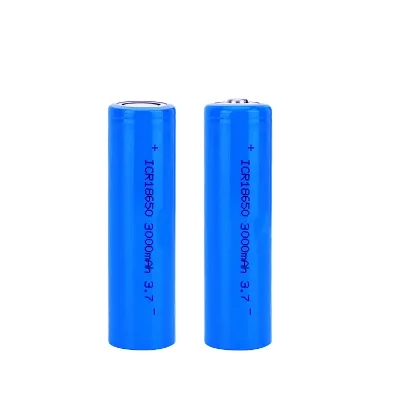
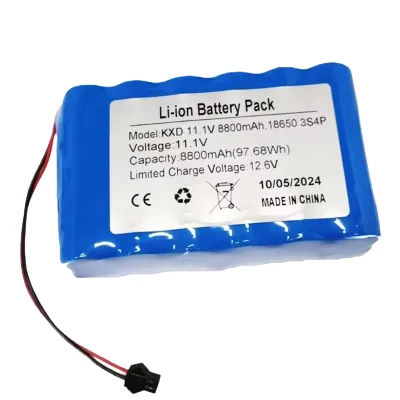


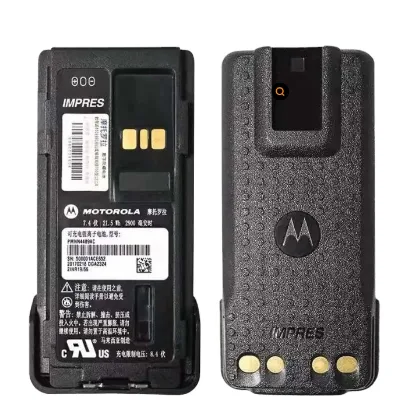


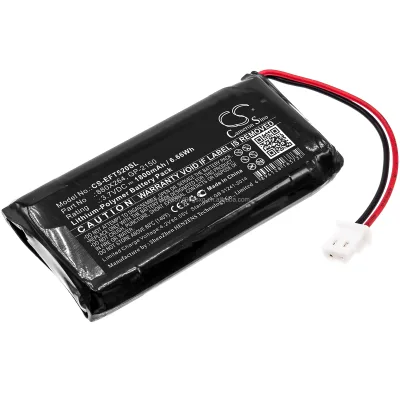
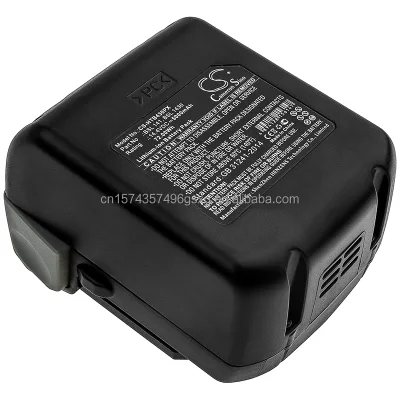


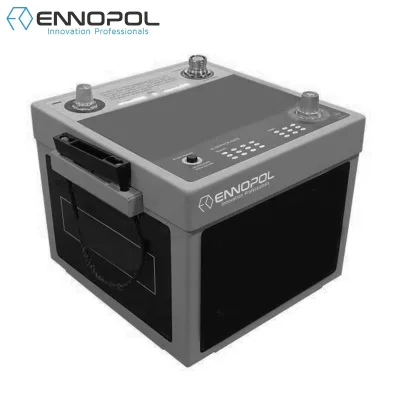
Comprehensive Sourcing Guide
Mil-Prf-32383 Mil Batteries Sourcing Guide
Procuring military-grade power solutions requires a rigorous understanding of both legacy specifications and modern lithium-ion advancements. Buyers must navigate a complex landscape where traditional nickel-based packs coexist with high-performance lithium variants. The core keyword often signals a need for ruggedized equipment compatible with specific radio systems, yet the actual market listings reveal a diverse array of chemistries and form factors. This guide helps buyers distinguish between generic replacements and certified military-spec components, ensuring that procurement decisions align with operational requirements rather than just visual compatibility.
The observed market data indicates a wide variance in product attributes, from small form factors to large, heavy-duty packs. While some listings reference specific military standards, others focus on commercial equivalents with enhanced durability. Buyers should approach these listings with a critical eye, verifying that the advertised specifications match the actual performance needs of their communication gear. Understanding the distinction between a simple replacement battery and a fully compliant military-spec unit is crucial for maintaining mission readiness and equipment longevity in harsh environments.
Product Scope and Observed Listing Signals
The current market for these batteries includes a variety of types, ranging from Lithium Cobalt Oxide (LCO) to Lithium Iron Phosphate (LFP) and Nickel-Metal Hydride (Ni-MH) packs. Listings frequently highlight compatibility with specific radio models such as the PRC-104, PRC-119, PRC-138, and KY-57, as well as manpack transceivers like the TRC-9200 and TRC-9300. This broad compatibility suggests that many suppliers offer versatile solutions designed to replace older, proprietary battery systems. Buyers should carefully cross-reference the connector types, such as the Sc-C-179495, to ensure physical and electrical compatibility with their existing hardware before placing orders.
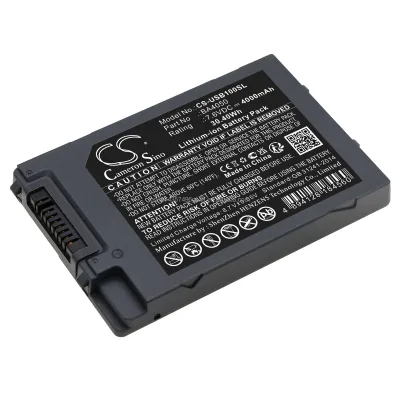
Observed product models include the PTO-2590S, ALI-143, and PTO-390, each with distinct physical dimensions and capacity ratings. For instance, some packs measure approximately 127x112x63mm, while others are larger, reaching up to 254x79x85mm. Voltage and capacity vary significantly, with options ranging from 14.4V/15Ah to 24V/4.5Ah. These variations indicate that buyers must select the specific model that matches their device’s power requirements. The presence of features like dual-state LCD gas gauges and hermetic sealing suggests a focus on user feedback and environmental protection, which are critical for field operations.
Technical Specifications to Verify
Voltage and capacity are the primary technical parameters that must be verified against the original equipment manufacturer’s (OEM) specifications. Listings show nominal voltages such as 14.8V or 14.4V, with maximum voltages reaching 16.8V for lithium-ion packs. Capacity ratings are often listed in ampere-hours (Ah) or milliampere-hours (mAh), with some packs exceeding 1000mAh. Buyers must ensure that the replacement battery’s voltage profile matches the radio’s input requirements to prevent damage. Additionally, the discharge rate, described as medium in some listings, should be sufficient for the peak power demands of the communication device during transmission.
Physical dimensions and connector types are equally critical for ensuring a proper fit. The exterior housing is typically made of hard plastic, designed to withstand rough handling. Dimensions such as 120x115x80mm or 226x79x71mm must be measured against the battery compartment of the target radio. The connector type, often specified as Sc-C-179495, must align perfectly with the radio’s socket. Furthermore, waterproof ratings like IP67 indicate a high level of protection against dust and water immersion, which is essential for outdoor and maritime operations. Buyers should request detailed dimensional drawings and connector pinouts to confirm compatibility.
Compliance and Safety Documentation
Safety and regulatory compliance are paramount when sourcing military batteries, particularly those involving lithium-ion chemistries. Listings mention UN/DOT 38.3 ratings, with some packs rated at 252Wh, indicating adherence to international shipping and safety standards. Buyers must verify that the supplier provides valid test reports and certification documents for these ratings. The presence of protection features, such as short circuit and improper charge protection, is a basic requirement, but formal certification ensures that these mechanisms are reliable and tested under extreme conditions.
Military specifications, such as MIL-PRF-32052/1, may be referenced in some listings, suggesting a higher level of ruggedization and performance testing. Buyers should inquire whether the batteries meet specific military environmental standards, including operating temperature ranges. Some listings indicate an operating temperature range of -40°C to 85°C, which is critical for deployment in extreme climates. Additionally, warranty terms, such as a one-year warranty, provide some assurance of product quality. Buyers should ensure that the supplier offers clear support channels for warranty claims and technical assistance.
Cost Drivers and Commercial Terms
The price range for these batteries is broad, observed between $0.8 and $369, reflecting the diversity in chemistry, capacity, and certification levels. Lithium-ion packs with higher capacities and advanced features like LCD indicators tend to be more expensive than basic Ni-MH replacements. Buyers should analyze the cost per watt-hour to compare value across different models. The minimum order quantity (MOQ) ranges from 2 to 300 units, allowing for both small-scale replacements and bulk procurement. Understanding the MOQ requirements is essential for budgeting and inventory management, especially for organizations with large fleets of communication equipment.
Packaging and origin are also significant factors in the total cost of ownership. Listings indicate origins in China, with packaging ranging from single boxes to super quality box packages. While origin may influence shipping costs and lead times, it does not necessarily correlate with quality if proper supplier qualification is conducted. Buyers should consider the total landed cost, including shipping, duties, and potential customs delays. Negotiating volume discounts for larger orders can significantly reduce the unit price. Additionally, clear commercial terms regarding payment methods and return policies should be established to mitigate financial risk.
Supplier Qualification and Quality Control
Supplier qualification is a critical step in ensuring the reliability of military batteries. Buyers should verify the supplier’s manufacturing capabilities and quality control processes. The mention of "Super Quality Box Package" suggests a focus on presentation, but buyers must look beyond packaging to assess the actual build quality. Requesting samples for testing is a prudent step to verify performance, capacity, and compatibility before committing to large orders. Suppliers should be able to provide detailed product data sheets and technical support documentation.
Quality control measures should include rigorous testing for capacity, cycle life, and environmental resistance. Buyers should inquire about the supplier’s testing protocols, including burn-in tests and safety checks. The presence of a warranty indicates a level of confidence in the product, but the terms and conditions should be carefully reviewed. Suppliers with a track record of supplying military or industrial clients may offer higher assurance of quality. Establishing a clear communication channel for technical queries and after-sales support is essential for long-term procurement success.
Long-Term Procurement Checks
Long-term procurement requires ongoing monitoring of product performance and supplier reliability. Buyers should track the performance of batteries in the field, noting any issues with capacity degradation, charging efficiency, or physical durability. Regular feedback from end-users can help identify potential defects or design flaws early in the procurement cycle. Maintaining a database of tested and approved models can streamline future purchasing decisions and reduce the risk of sourcing incompatible or substandard products.
Supply chain stability is another key consideration for long-term procurement. Buyers should assess the supplier’s ability to maintain consistent production and delivery schedules. The availability of spare parts and replacement batteries over the product’s lifecycle is crucial for maintaining operational readiness. Establishing a long-term partnership with a qualified supplier can lead to better pricing, priority support, and access to new product developments. Regular reviews of supplier performance and product quality should be conducted to ensure continued compliance with operational requirements.
FAQs
What is MIL PRF 32383 and why does it matter for mil batteries?
MIL PRF 32383 is a United States military performance specification covering rechargeable lithium-ion battery packs used in defense communication and electronic equipment. Batteries built to this specification are expected to meet defined electrical, mechanical, and safety requirements. Buyers should request documentation showing which clauses a listed pack satisfies, since compliance claims should be verified before ordering.
Can Mil-Prf-32383 Mil Batteries be customized for specific radio systems?
Yes, customization is available on listed products in this category. Some packs are designed for radio systems such as PRC-104, PRC-119, PRC-138, and KY-57, and can be matched to required connectors like the 6 Pin SC-C-179495. Buyers should confirm voltage, capacity, connector type, and housing requirements with the supplier before production begins.
Which connectors are used on Mil-Prf-32383 Mil Batteries?
Listed packs commonly use the SC-C-179495 connector, including a 6 Pin variant, which mates with compatible military radio equipment. The connector determines physical fit and electrical interface, so it should be checked against your host device before ordering. Always confirm the exact pin configuration and mating hardware with the supplier to avoid compatibility issues in the field.
What voltage and capacity options are available for these battery packs?
Observed configurations include 14.4V at 15Ah, which can also be configured as 28.8V at 7.5Ah, as well as 14.4V at 17.5Ah. Another listed pack offers nominal 14.8V with a maximum voltage of 16.8V. Series and parallel connection modes are used to reach these ratings, so confirm the exact configuration before purchase.
How waterproof are Mil-Prf-32383 Mil Batteries in harsh conditions?
Listed packs in this category carry an IP67 waterproof rating, meaning they are protected against dust ingress and temporary immersion in water. Housing is typically a hard plastic case designed for rugged field use. Even with this rating, buyers should verify that connectors and seals remain intact after drops or prolonged exposure, since real-world wear can reduce protection.
What protection features do these rechargeable mil battery packs include?
Listed packs include protection against short circuit and improper charging, which helps prevent damage during field use and charging cycles. They are rechargeable lithium-ion packs, and some models add a dual-state LCD gas gauge charge indicator so users can read charge status directly. Confirm which protection circuits are fitted on the specific model you intend to order.
Can these batteries operate in extreme temperatures?
One listed pack specifies an operating temperature range of -40 to 85 degrees Celsius, which supports use in cold-weather and high-heat military environments. Performance at temperature extremes can vary by chemistry, such as LCO or LFP cathode materials, so buyers should request temperature performance data for the exact model and verify it matches their deployment conditions.
What warranty and packaging should buyers expect for mil batteries?
Listed products carry a one-year warranty, and packing options include a super quality box package and single box packaging depending on the model. Warranty terms typically cover manufacturing defects rather than field damage, so review conditions carefully. Buyers placing customized orders should confirm packaging and warranty coverage in writing before confirming production or shipment.