Source Mine Overhead ACSR Cable for Power Lines, Heating, Underground
Find 30 verified listings for Mine Overhead ACSR Cable suitable for power transmission, heating, and underground applications. Buyers can compare specifications like AAAC, ACSR, and AAC models with various voltage ratings and certifications including CE, RoHS, and ISO.
Key considerations
Products List


Bare Overhead AAC Aluminum Conductor Steel Reinforced ACSR Orange Conductor
$0.10 - $5.00
MOQ: 2000 Meters


ASTM Standard Overhead Cable ACSR Conductor for Power Transmission Lines
$0.20 - $0.30
MOQ: 500 Meters




Comprehensive Sourcing Guide
Strategic Sourcing Guide for Mine Overhead ACSR Cable Procurement
Selecting the correct aluminum conductor steel-reinforced (ACSR) cable for mining operations requires a rigorous understanding of technical specifications, environmental resilience, and supply chain reliability. Mining environments present unique challenges, including heavy mechanical loads, potential exposure to corrosive elements, and the critical need for uninterrupted power transmission. This guide synthesizes available product attributes and industry standards to assist procurement professionals in evaluating potential suppliers and defining precise requirements for overhead and underground applications within the mining sector.
Technical Specifications and Conductor Architecture
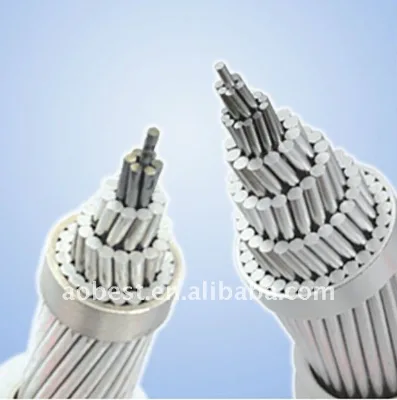
The foundation of a reliable ACSR cable lies in its composite structure, which combines the high conductivity of aluminum with the tensile strength of steel. Based on observed product attributes, the conductor material is consistently identified as aluminum, often paired with steel cores to meet the mechanical demands of long-span overhead lines. The physical configuration of the conductor is a critical decision point; buyers must determine between solid and stranded configurations. The market data indicates the availability of both solid and stranded conductor types, with stranded designs generally preferred for overhead applications due to their flexibility and resistance to fatigue from wind-induced vibration.
The shape of the conductor is typically round wire, though specific applications may require specialized shapes. The product range includes various models such as AAAC (All Aluminum Alloy Conductor), AAC (All Aluminum Conductor), and the core focus, ACSR. Specific model identifiers observed in the market include "ACSR Orange Conductor," "ACSR Almond Conductor," and "ACSR Conductor 100mm2," suggesting a wide variety of cross-sectional areas and stranding patterns available to meet specific current-carrying and tension requirements.
Insulation is another pivotal specification. While the core keyword focuses on "overhead" applications, the data reveals a dichotomy in product offerings. Some listings describe the product as "Bare" with "Bare" insulation material, which is standard for high-voltage overhead transmission where the air serves as the primary insulator. Conversely, other entries specify "Silicone Rubber" insulation and "Insulated" types, which are essential for underground mining applications or areas requiring protection against direct contact and environmental degradation. Procurement teams must explicitly verify the insulation requirement against the specific installation method (overhead vs. underground) to avoid specification mismatches.
Compliance, Certification, and International Standards
Navigating the regulatory landscape is essential for ensuring that purchased cables meet safety and performance benchmarks. The observed product attributes list a robust array of certifications, including VDE, RoHS, CCC, CE, and ISO. These certifications indicate that suppliers are adhering to specific regional and international safety and environmental standards. For instance, the presence of CCC (China Compulsory Certification) and CE (Conformité Européenne) suggests compliance with Chinese and European market regulations, respectively. The UL certification mentioned in some listings points to adherence to United States safety standards, which is crucial for projects with international funding or strict safety protocols.
Beyond certifications, the adherence to recognized engineering standards is non-negotiable. The data highlights compliance with ASTM, GB, IEC, BS, and DIN standards. Specifically, the IEC 61089 standard is explicitly referenced for ACSR conductors, defining the construction, dimensions, and electrical properties of aluminum and steel conductors. Other relevant standards observed include ABC (Aluminum Bare Conductor) and various voltage rating classifications. Buyers should verify that the supplier's product documentation explicitly cites the specific standard version (e.g., IEC 61089) applicable to the project, as standards evolve and older versions may not support modern load requirements.
| Certification Category | Observed Certifications | Relevance to Mining Projects |
|---|---|---|
| Safety & Electrical | CE, VDE, UL, CCC | Ensures electrical safety and compliance with regional grid codes. |
| Environmental | RoHS | Confirms the absence of hazardous substances, vital for sustainable mining. |
| Quality Management | ISO | Indicates a structured quality management system for consistent production. |
| Regional Compliance | CCC, GB, BS, DIN | Essential for projects in China, UK, Germany, or other specific jurisdictions. |
Cost Drivers and Pricing Dynamics
The pricing structure for ACSR cables is influenced by a complex interplay of raw material costs, manufacturing complexity, and logistical factors. The observed price range spans from $0.01 to $3,500, a wide variance that reflects differences in conductor size, length, insulation type, and order volume. The minimum order quantity (MOQ) also varies significantly, ranging from 2 units to 2,000 units. This variability suggests that suppliers offer flexible terms for small-scale pilot projects or specialized custom orders, while larger orders benefit from economies of scale.
Raw material costs, particularly the price of aluminum and steel, are primary drivers of the final unit price. The "Aluminum/Steel" material composition is a fixed cost component that fluctuates with global commodity markets. Additionally, the customization factor plays a significant role. Products marked as "Customization: Available" and "Design: ODM OEM" often command different pricing structures compared to standard catalog items. Custom lengths, specific stranding patterns, or unique insulation requirements (such as silicone rubber for underground use) will increase the unit cost.
Logistics and trade terms further impact the total landed cost. The observed trade terms include FOB (Free on Board), CIF (Cost, Insurance, and Freight), and CFR (Cost and Freight). Buyers must calculate the total cost of ownership by factoring in shipping, insurance, and import duties, which vary based on the origin of the goods. The product origin is listed as "China" and specifically "Hebei," a major industrial hub. While this location offers competitive manufacturing costs, buyers must consider the lead times and freight costs associated with shipping from this region to their specific mine site.
Typical Applications and Operational Environments
The versatility of ACSR cables allows them to serve multiple roles within the mining ecosystem. The primary application identified is "Overhead" power transmission, which is critical for connecting remote mining pits to processing plants or the main grid. The "Mine" range of application confirms the suitability of these cables for harsh mining environments. In these settings, cables must withstand high mechanical tension, temperature fluctuations, and potential exposure to corrosive gases or dust.
For underground mining operations, the requirements shift. The data indicates "Underground" as a valid application, necessitating insulated conductors. The presence of "Silicone Rubber" insulation and "Insulated" type listings supports this use case. Underground cables must resist moisture, mechanical crushing, and chemical exposure. The "Range of Application" also includes "LSOH" (Low Smoke Zero Halogen), a critical feature for confined underground spaces where fire safety is paramount. In the event of a fire, LSOH cables minimize the release of toxic smoke and corrosive gases, protecting personnel and equipment.
Furthermore, the cables are described as having "Light and Fast Conduction" features, highlighting their efficiency in power transmission. This is particularly important for long-distance transmission lines in large-scale mining operations where energy loss can be substantial. The "Quality: Guaranteed" attribute suggests that suppliers are committed to maintaining performance standards over the lifespan of the cable, which is essential for minimizing downtime in continuous mining operations.
Supplier Evaluation and Quality Assurance
Evaluating a supplier for mining-grade ACSR cables requires a multi-faceted approach that goes beyond price comparison. The "Quality: Guaranteed" and "Warranty: 100% Quanlified" attributes found in the product data are positive indicators, but buyers must verify these claims through independent audits and documentation. A reliable supplier should provide detailed test reports and certification documents that align with the specific standards (e.g., IEC 61089) required by the project.
The "Customized" packing options, such as "Wooden Drum," "Wood and Steel Drum," and "Exported Wooden Drum or Rolls," indicate that the supplier considers the logistics of transporting fragile cable drums. Proper packaging is essential to prevent damage during transit, which is a common risk in international shipping. Buyers should request photos of the packaging and verify that the drums are suitable for the specific cable diameter and weight to prevent deformation.
Supplier transparency regarding the "Design: ODM OEM" capability is also valuable. This indicates that the supplier can adapt their manufacturing processes to meet specific project needs, such as custom lengths or unique color coding for phase identification. However, buyers must ensure that any customization does not compromise the structural integrity or electrical performance of the cable. The "Sample: Free" attribute offers an opportunity to physically inspect the product before committing to a large order, allowing for a direct assessment of the conductor finish, insulation quality, and packaging.
Long-Term Procurement Considerations
Sourcing ACSR cables for mining operations is a long-term investment that requires careful planning for maintenance and lifecycle management. The "Warranty: 100% Quanlified" claim suggests a focus on product longevity, but buyers should also consider the expected service life of the cable in the specific mining environment. Factors such as corrosion resistance, UV stability (for overhead lines), and mechanical fatigue resistance will determine the replacement cycle.
The "Trade Terms: Fob, CIF, CFR" options provide flexibility in managing supply chain risks. For long-term contracts, buyers may prefer CIF terms to ensure that the supplier manages the shipping and insurance, reducing the administrative burden on the mining company. However, FOB terms may offer more control over the selection of freight forwarders, which can be beneficial for coordinating delivery with mine site schedules.
Finally, the "prod_packing: Customized" and "prod_packing: Wooden Drum, Wood and Steel Drum" options highlight the importance of storage and handling. Mining sites often have limited storage space and specific handling requirements. Buyers should discuss storage protocols with the supplier to ensure that the cables remain in optimal condition until installation. The "Lead time" is not explicitly provided in the data, so buyers must negotiate clear delivery schedules to avoid project delays. Establishing a reliable supply chain with a supplier who can consistently meet quality standards and delivery timelines is crucial for the uninterrupted operation of mining facilities.
In conclusion, sourcing mine overhead ACSR cables involves a detailed analysis of technical specifications, compliance requirements, and supplier capabilities. By leveraging the observed product attributes and adhering to international standards, procurement professionals can make informed decisions that ensure safety, reliability, and cost-effectiveness for their mining operations. The key is to match the specific environmental and operational needs of the mine with the right combination of conductor type, insulation, and certification, while maintaining a rigorous evaluation process for potential suppliers.
FAQs
What certifications are available for mine overhead ACSR cables?
Available certifications include VDE, RoHS, CCC, CE, and ISO. These ensure compliance with regional safety and environmental standards, which is critical for mining operations requiring strict regulatory adherence.
Which conductor types are offered for overhead and underground use?
Both solid and stranded conductor types are available. Stranded designs are preferred for overhead lines due to flexibility, while insulated types with silicone rubber are suitable for underground mining applications.
Can I order customized ACSR cables for specific mine requirements?
Yes, customization is available for design and packaging. Suppliers offer ODM and OEM options, allowing for tailored lengths, stranding patterns, and specialized packing like wooden drums to meet project needs.
What standards do these ACSR cables comply with?
Cables comply with ASTM, GB, IEC, BS, and DIN standards. Specific models often reference IEC 61089 for construction and dimensions, ensuring structural integrity for power transmission lines in harsh environments.
How are these cables packaged for export to mining sites?
Packaging options include wooden drums, wood and steel drums, or rolls. Customized export packaging is used to prevent damage during transit, ensuring the cable arrives in qualified condition for immediate installation.
What is the origin and location of these ACSR cable manufacturers?
Products originate from China, specifically the Hebei region. This location is a major industrial hub offering competitive manufacturing costs and access to a wide range of aluminum and steel conductor materials.
What voltage ratings are supported by these overhead cables?
The cables support low, medium, and high voltage levels. This versatility allows them to be used across various power transmission lines, from local mine distribution to long-distance grid connections.