Source Mineral 2 in 1 Concealer and Highlighter Stick For Daily, Contour, And Glow
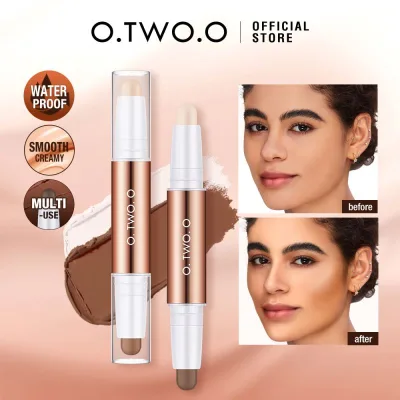
Explore 30 listings for the Mineral 2 in 1 Concealer and Highlighter Stick, featuring waterproof formulas in stick and liquid forms. Compare options with private logo customization, single or multi-color variants, and origins from Guangdong, China, to find suitable daily makeup solutions.
Key considerations
Products List






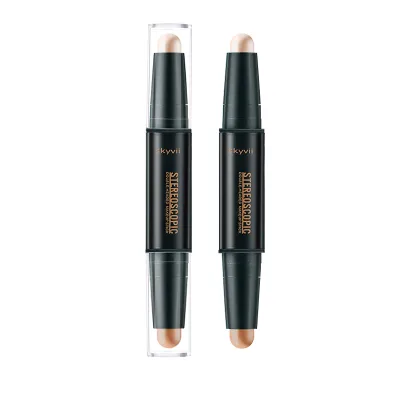


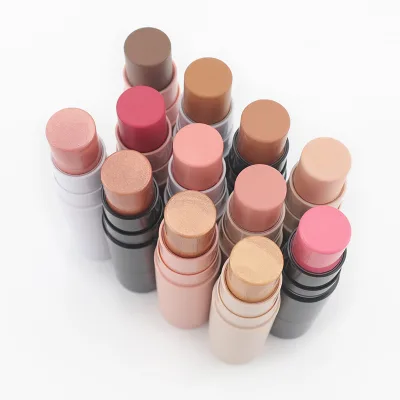
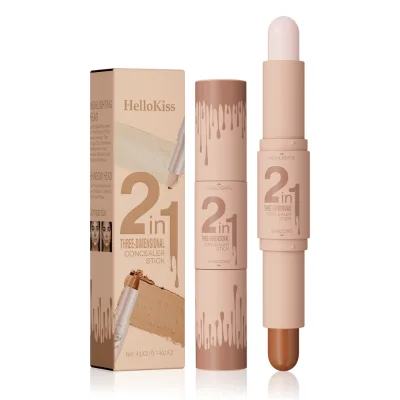
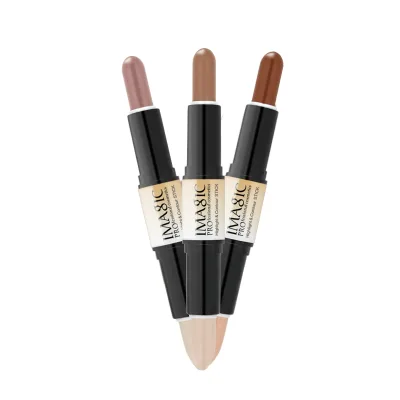
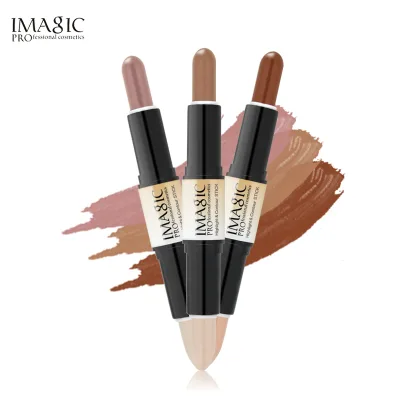
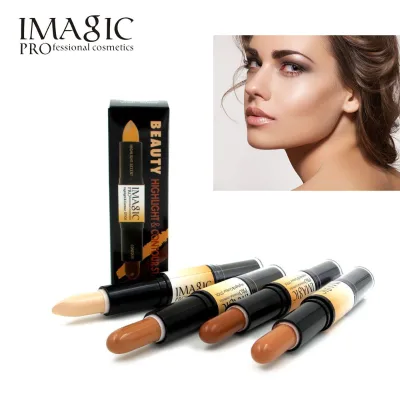
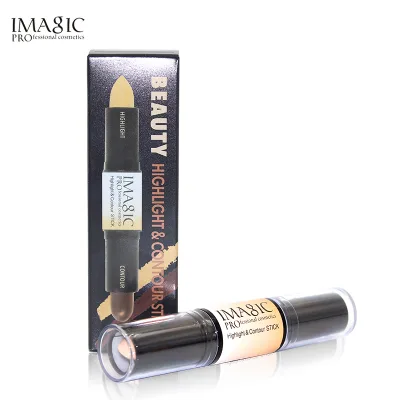
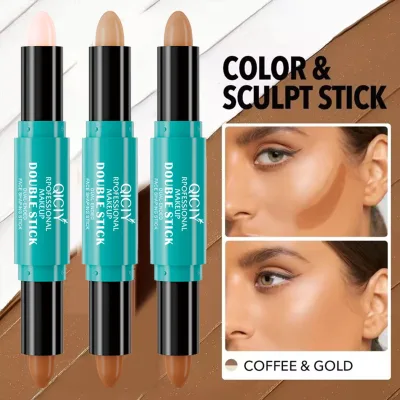


Comprehensive Sourcing Guide
Mineral 2 in 1 Concealer and Highlighter Stick Sourcing Guide
Sourcing mineral-based cosmetic sticks that combine concealing and highlighting functions requires a nuanced understanding of formulation stability, packaging mechanics, and regulatory compliance. The intersection of "mineral" ingredients with dual-purpose utility suggests a product designed for natural coverage and skin health, appealing to consumers seeking clean beauty alternatives. Buyers must navigate the distinction between marketing terminology and actual ingredient composition, ensuring that the "mineral" claim is substantiated by the supplier’s technical data sheets. This guide provides a structured approach to evaluating suppliers, verifying technical specifications, and managing commercial risks associated with this specific cosmetic category.
The procurement process for these items involves balancing aesthetic requirements with functional performance. Products in this segment often emphasize features such as waterproof capabilities, long-lasting wear, and skin-glowing effects, which are critical for consumer satisfaction. However, these performance claims must be validated through rigorous quality control measures. Buyers should focus on establishing clear communication channels with manufacturers to define exact shade ranges, texture preferences, and packaging durability. This foundational understanding sets the stage for effective negotiation and ensures that the final product aligns with brand positioning and market expectations.
Product Scope and Observed Listing Signals
The current market landscape for mineral concealer and highlighter sticks reveals a diverse range of product configurations, primarily driven by form factor and functional attributes. Observed listings indicate a strong presence of stick-form products, with some variations extending to liquid or powder formats, though the stick form remains dominant for this specific keyword. Key attributes frequently highlighted include waterproof functionality, single-color or multi-color options, and customization availability. These signals suggest that suppliers are catering to both private label brands seeking unique formulations and established companies looking for reliable, high-volume production partners. The emphasis on "skin glowing" and "daily makeup" use cases points to a consumer base interested in everyday wearability and natural aesthetics.
Further analysis of listing data reveals significant variation in product models and standards, indicating a fragmented supply chain with multiple manufacturing capabilities. Models such as JN23037, JN24003, and JN25040 appear in the data, each associated with different standards like 7g or 7ml, and varying forms such as stick or liquid. This diversity implies that buyers must carefully specify their requirements to avoid receiving mismatched products. Additionally, the presence of "private logo" advantages and silk screen printing options underscores the importance of branding in this sector. Buyers should leverage these customization signals to negotiate tailored solutions that enhance their brand identity, while remaining vigilant about the minimum order quantities (MOQs) that may accompany such personalized services.
Technical Specifications to Verify
Verifying technical specifications is paramount to ensuring product consistency and performance. Buyers must confirm the exact weight and volume standards for each unit, as discrepancies in these measurements can impact both cost calculations and consumer perception. For instance, some products are standardized at 7g, while others may vary, requiring precise alignment with packaging and labeling regulations. The form factor, whether stick, liquid, or powder, dictates the manufacturing process and shelf-life considerations. It is essential to request detailed technical data sheets that outline the physical properties of the product, including texture, spreadability, and coverage level, to ensure it meets the intended use case of concealing and highlighting.
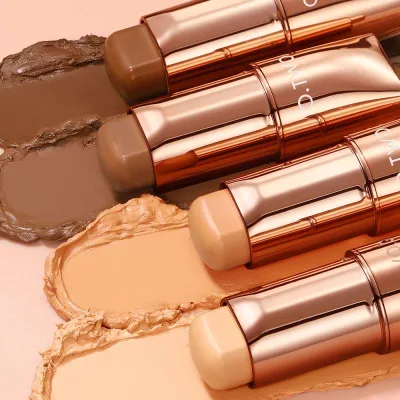
Color accuracy and shade range are critical technical aspects that require thorough verification. Listings indicate options ranging from single-color to multi-color configurations, with some products offering specific shade numbers or names. Buyers should request physical samples to assess color consistency across batches and under different lighting conditions. Additionally, the inclusion of features such as waterproofing and long-lasting makeup effects must be validated through performance testing. Suppliers should provide evidence of these claims, such as test reports or formulation details, to ensure that the product delivers on its promises. Understanding the specific model numbers and their associated specifications allows buyers to make informed decisions and avoid potential discrepancies in product delivery.
Compliance and Safety Documentation
Compliance with safety standards is non-negotiable in the cosmetics industry, particularly for products applied to the face and body. Buyers must ensure that suppliers provide necessary documentation, such as Material Safety Data Sheets (MSDS), which outline the chemical composition and handling instructions for the product. The presence of MSDS in observed listings indicates a baseline level of regulatory awareness among suppliers, but buyers should verify that these documents are up-to-date and compliant with the regulations of their target markets. This includes checking for restricted substances and ensuring that all ingredients are listed accurately and transparently.
Beyond MSDS, buyers should inquire about other relevant certifications and testing reports that demonstrate product safety and efficacy. While specific certification statuses may vary, it is crucial to establish a clear requirement for third-party testing results, particularly for claims such as "skin whitening," "sunscreen," or "contour" effects. These claims often require additional validation to avoid regulatory penalties. Buyers should also verify that the supplier adheres to Good Manufacturing Practices (GMP) and has a robust quality management system in place. This ensures that the production process is controlled and that the final product meets all safety and quality standards required for market entry.
Cost Drivers and Commercial Terms
Understanding the cost drivers associated with mineral concealer and highlighter sticks is essential for effective budgeting and negotiation. Factors such as raw material costs, packaging complexity, and customization requirements significantly influence the final price. The observed price range of $0.33 to $3 USD per unit reflects this variability, with higher prices typically associated with more complex formulations, premium packaging, or lower MOQs. Buyers should analyze these cost components to identify areas for potential savings, such as standardizing packaging designs or negotiating volume discounts. It is also important to consider the total cost of ownership, including shipping, tariffs, and potential returns, when evaluating supplier quotes.
Commercial terms, including payment methods and shipment timelines, play a crucial role in the procurement process. Observed listings indicate a variety of payment options, such as Trade Assurance, PayPal, Western Union, and T.T., each with different implications for risk and cash flow. Buyers should select payment methods that offer appropriate protection and align with their financial policies. Additionally, shipment timelines, such as the observed 5-7 working days, should be factored into supply chain planning to ensure timely product availability. Clear communication regarding these terms during the negotiation phase helps prevent misunderstandings and ensures a smooth transaction process.
Supplier Qualification and Quality Control
Supplier qualification is a critical step in mitigating procurement risks. Buyers should conduct thorough due diligence to assess the supplier’s manufacturing capabilities, quality control processes, and overall reliability. This includes verifying the supplier’s business license, production capacity, and history of compliance with industry standards. Observing the supplier’s response to inquiries and their willingness to provide detailed information can also serve as an indicator of their professionalism and commitment to quality. Buyers should prioritize suppliers who demonstrate transparency and a proactive approach to addressing potential issues.
Quality control measures must be clearly defined and enforced throughout the production process. Buyers should establish specific quality criteria, such as acceptable defect rates, packaging integrity, and product performance standards, and communicate these expectations to the supplier. Regular inspections, either through third-party agencies or internal teams, can help ensure that the products meet these criteria before shipment. Additionally, buyers should implement a robust sampling process to verify product consistency and quality before committing to large orders. This proactive approach to quality control helps minimize the risk of receiving substandard products and protects the brand’s reputation.
Long-Term Procurement Checks
Long-term procurement success depends on continuous monitoring and evaluation of supplier performance. Buyers should establish key performance indicators (KPIs) to track metrics such as on-time delivery, product quality, and responsiveness to issues. Regular reviews of these metrics help identify areas for improvement and ensure that the supplier remains aligned with the buyer’s evolving needs. Building a strong relationship with the supplier through open communication and collaborative problem-solving can also enhance long-term partnership stability. Buyers should view their suppliers as strategic partners rather than mere vendors, fostering a culture of mutual trust and continuous improvement.
As market trends and consumer preferences evolve, buyers must remain agile and adaptable in their procurement strategies. This includes staying informed about new technologies, ingredients, and regulatory changes that may impact the product landscape. Regularly updating product specifications and exploring new supplier options can help maintain competitiveness and ensure that the brand remains relevant. By implementing a structured approach to long-term procurement checks, buyers can mitigate risks, optimize costs, and drive sustainable growth in the mineral concealer and highlighter stick market.
FAQs
What certifications are available for the mineral highlighter stick?
The product includes MSDS certification as a documented safety standard. This ensures the mineral-based formula meets specific handling and transport requirements for international buyers seeking compliant cosmetic ingredients.
Can I request a private logo on the mineral highlighter stick?
Yes, private logo customization is available for this product line. Buyers can utilize silk screen printing to apply their branding on the stick packaging or the product itself for unique retail presentation.
What is the minimum order quantity for the mineral highlighter stick?
The minimum order quantity ranges from 1 to 12,000 units depending on the specific model selected. Buyers can start with small batches like 12 pieces or scale up to large wholesale volumes for better pricing.
How long is the shelf life of the mineral highlighter stick?
The product has a shelf life of 3 years when stored properly. This duration applies to the mineral-based formulations designed for daily makeup use and ensures long-term stability for inventory management.
Which skin types are suitable for the mineral highlighter stick?
The product is formulated for all skin types to ensure broad usability. Its mineral ingredients provide a glowing finish suitable for various skin tones without causing irritation or adverse reactions during daily application.
What packaging options are available for the mineral highlighter stick?
Standard packaging includes a color box for individual unit protection. Custom packaging services are also available to meet specific branding needs or retail requirements for bulk orders from international suppliers.
Where is the mineral highlighter stick manufactured?
The product originates from Guangdong, China, a major hub for cosmetic manufacturing. This location supports efficient production and logistics for global buyers seeking reliable supply chains for mineral-based makeup items.
What payment methods are accepted for the mineral highlighter stick?
Accepted payment methods include Trade Assurance, PayPal, Western Union, and T.T. These options provide secure transaction channels for buyers to complete orders with verified suppliers in the global marketplace.