Source Mini Blade Auto Fuse Holder for Car Van Boat
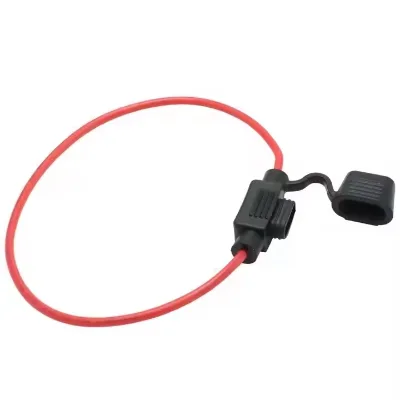
Find 30 options for the Mini Blade Auto Fuse Holder designed for automotive, van, and boat applications. Buyers can compare specifications like material, installation method, and voltage ratings from verified suppliers in China.
Key considerations
Products List




Comprehensive Sourcing Guide
Mini Blade Auto Fuse Holder Sourcing Guide
Sourcing mini blade auto fuse holders requires a disciplined approach to align component specifications with vehicle electrical architecture. These components serve as critical protection points in automotive, marine, and light commercial vehicle circuits, ensuring that overcurrent conditions do not damage sensitive electronics or wiring harnesses. Buyers must navigate a market characterized by high customization potential and varied installation methods, ranging from inline wire connections to printed circuit board (PCB) mounts. The diversity in form factors, including standard, mini, and low-profile designs, necessitates precise verification of physical dimensions and electrical ratings before committing to volume orders.
The procurement landscape for these fuse holders is defined by a wide range of material compositions and terminal configurations. Common materials include plastic housings made from PVC or PA, paired with brass or alloy contact terminals to ensure reliable conductivity and corrosion resistance. Buyers should recognize that while many suppliers offer similar-looking products, the internal metallurgy and insulation properties can vary significantly. Understanding these material distinctions is essential for selecting holders that can withstand the thermal and mechanical stresses inherent in automotive environments, particularly those exposed to under-hood heat or marine humidity.
Product Scope and Observed Listing Signals
The current market for mini blade auto fuse holders exhibits a broad spectrum of pricing and minimum order quantities, reflecting the variability in manufacturing complexity and supplier scale. Observed listing prices range from approximately $0.03 to $10 USD, a disparity that often correlates with the inclusion of additional features such as waterproof seals, integrated LED indicators, or specialized packaging. Minimum order quantities (MOQs) typically span from 10 to 5,000 units, allowing both small-scale prototyping and large-scale OEM production runs to find suitable suppliers. Buyers must scrutinize these price points carefully, as extremely low costs may indicate compromises in material quality or the absence of necessary safety certifications.
Product listings frequently highlight specific model numbers and installation types, which serve as primary identifiers for procurement teams. Common model identifiers include TR-BINFH004 for inline applications and various TR-PCBFH series codes for PCB-mounted variants. The scope of available products extends beyond simple fuse retention to include integrated solutions for automotive vehicle waterproofing, with some units designed specifically for marine or van applications. Buyers should note that while many products claim compatibility with micro, mini, and standard blade fuses, the physical fit and electrical continuity can differ, requiring strict adherence to the specified fuse size and holder type during the selection process.
Technical Specifications to Verify
Verifying the physical and electrical specifications of mini blade fuse holders is paramount to ensuring compatibility with existing vehicle designs. Key attributes to confirm include the fuse holder size, which may be categorized as small, medium, or mini, and the installing method, which dictates whether the unit is an inline fuse holder or a circuit board mount. The terminal configuration is another critical factor, with options ranging from lead wire types with specific wire gauges, such as AWG 16, to direct PCB soldering points. Buyers must ensure that the contact terminal material, often nickel-plated brass or alloy, matches the current carrying requirements and environmental conditions of the target application.
Electrical ratings and environmental resilience are equally important technical parameters that require rigorous verification. The rated voltage for many automotive fuse holders is specified at 32 V, while the operating temperature range typically spans from -40°C to +105°C, covering most automotive extremes. Buyers should also assess the breaking capacity, which can vary from low values to higher ratings like 10 kA, depending on the holder's design and insulation class. Additionally, the number of poles, often two for standard inline holders, and the shape of the installation, such as plate type or insurance tube holder form, must align with the mechanical constraints of the vehicle's fuse box or wiring harness layout.
Compliance and Safety Documentation
Compliance with international safety standards is a non-negotiable aspect of sourcing automotive electrical components. Buyers must request and verify certification documents such as VDE, ENEC, and CUL, which indicate that the fuse holders have undergone rigorous testing for electrical safety and material flammability. These certifications provide assurance that the components meet the stringent requirements of automotive and industrial applications, reducing the risk of fire or electrical failure in the field. Without proper documentation, buyers expose their supply chain to significant liability and potential recall risks, particularly when these components are integrated into safety-critical vehicle systems.
In addition to formal certifications, buyers should evaluate the adherence to industry standards for fuse holder dimensions and performance. The products often reference compatibility with maxi, standard, mini, and low-profile fuse standards, ensuring interchangeability with widely used blade fuses. However, buyers must verify that the "Plastic Material" classification and other material specifications meet the required flammability ratings, such as UL94 V-0 or V-2, which are common in automotive contexts. Understanding the specific standard each product claims to meet is essential for ensuring that the components will perform reliably under the electrical loads and environmental conditions they are designed to withstand.
Cost Drivers and Commercial Terms
Several factors influence the final cost of mini blade auto fuse holders, including material selection, packaging, and customization requirements. The use of high-grade plastics like PA or PVC, along with premium brass terminals, can increase unit costs compared to basic plastic and alloy alternatives. Packaging options also play a role, with bulk carton packing being standard for large orders, while individual PE bag packaging or customized packaging solutions may incur additional fees. Buyers should consider the total landed cost, including shipping and handling, as the single package size and gross weight, such as 18x5x5 cm and 0.030 kg per unit, directly impact logistics efficiency and freight expenses.
Commercial terms and supplier flexibility are critical components of the procurement strategy. Many suppliers offer customization services, allowing buyers to tailor the product to specific branding or technical needs, such as custom colors like red or specific wire lengths. The selling unit is typically a single item, but bulk discounts may apply for larger quantities. Buyers should negotiate clear terms regarding payment methods, delivery schedules, and return policies, ensuring that the supplier can meet the production timelines required for vehicle assembly or aftermarket distribution. Understanding these commercial dynamics helps in building a resilient supply chain that can adapt to fluctuating demand and market conditions.
Supplier Qualification and Quality Control
Qualifying suppliers of mini blade auto fuse holders requires a thorough assessment of their manufacturing capabilities and quality management systems. Buyers should prioritize suppliers located in established manufacturing hubs, such as Guangdong, China, where a robust ecosystem of electrical component producers exists. It is essential to verify the supplier's ability to maintain consistent quality across production batches, particularly when dealing with high-volume orders. Requesting samples for physical inspection and electrical testing is a crucial step to validate the supplier's claims regarding material composition, terminal integrity, and overall build quality.
Quality control processes should be explicitly defined in the purchase agreement, including criteria for incoming material inspection, in-process monitoring, and final product testing. Buyers should inquire about the supplier's defect rate targets and their procedures for handling non-conforming products. Additionally, verifying the supplier's capacity to provide traceability for materials and production batches can enhance accountability and facilitate rapid response in the event of a quality issue. Establishing a strong relationship with a qualified supplier ensures that the mini blade fuse holders meet the required specifications and performance standards consistently over time.
Long-Term Procurement Checks
Long-term procurement success depends on continuous monitoring of supplier performance and market trends. Buyers should regularly review supplier delivery times, product consistency, and responsiveness to technical queries to ensure that the supply chain remains reliable. As automotive technologies evolve, the demand for more compact and efficient fuse holders may increase, requiring buyers to stay informed about new product developments and material innovations. Maintaining open communication with suppliers about future needs and potential design changes can help in securing priority production slots and favorable pricing terms.
Furthermore, buyers should periodically reassess the compliance status of their suppliers, ensuring that certifications remain valid and that any changes in regulatory requirements are addressed promptly. This proactive approach helps in mitigating risks associated with non-compliance and ensures that the sourced components remain suitable for their intended applications. By establishing a structured review process for supplier performance and product quality, buyers can maintain a high standard of reliability and safety in their automotive electrical systems, supporting the overall integrity and performance of the vehicles they supply.
FAQs
What materials are used for mini blade fuse holders?
These holders are constructed from plastic, PVC, PA, or brass materials. Some variants specifically use Bakelite or alloy contact terminals to ensure durability and electrical safety in automotive applications.
Which fuse sizes fit this holder type?
The product fits Micro, Mini, and Standard blade fuses. Specific models accommodate Maxi, Standard, Mini, and Low Profile fuse standards depending on the exact model number selected for your vehicle.
Can I find waterproof options for automotive use?
Yes, waterproof fuse holders are available for cars, vans, and boats. These units operate within a temperature range of -40°C to +105°C and are rated for 32V applications.
What certifications do these fuse holders have?
Certified products hold VDE, ENEC, and CUL approvals. These standards ensure the electrical components meet international safety requirements for use in various vehicle electrical systems.
How are these holders installed in vehicles?
Installation methods include in-line fuse holders or circuit board mounting. Some models feature lead wire types with AWG 16 wires, while others use plate type forms for direct connection.
What is the breaking capacity of these units?
Breaking capacity varies by model, with some rated at 10 kA and others at low capacity. This specification depends on the specific design and intended application within the vehicle.
Are customization options available for packaging?
Customization is available for packaging requirements. Standard options include carton packing or 500 pieces per PE bag, allowing flexibility for bulk orders and specific client needs.