Source Mini Automatic KIA K5 for Family, Experience, and Commercial Use
Find 30 listings for the Mini Automatic KIA K5, featuring FWD sedans and SUVs with gasoline engines. Compare specifications including 1.6-2.0L displacement, ISO certification, and various exterior colors to identify suitable options for family, experience, and commercial vehicle applications.
Key considerations
Products List


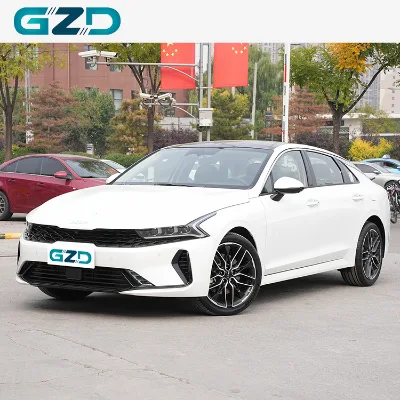
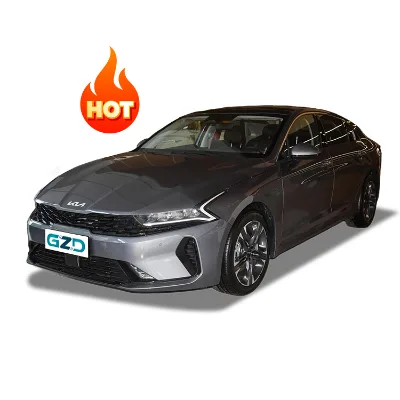
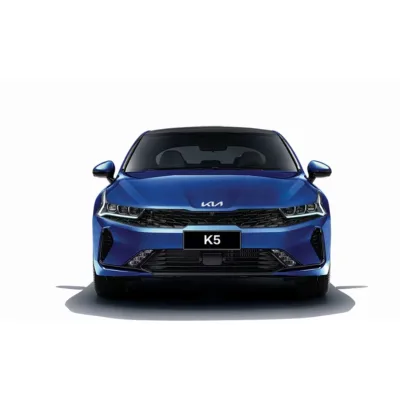
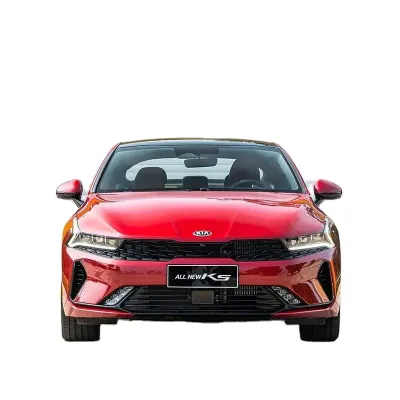


Factory Supplier Gasoline KIA K5 New Cars Customizable LHD Petrol Sedan
$11100.00 - $22200.00
MOQ: 1 Pieces


KIA K5 Long Endurance Gasoline Car 4-Door 5-Seater Sedan Automatic LHD Cars
$11100.00 - $22200.00
MOQ: 1 Pieces


KIA K5 360° Camera 10 Airbags All-Round Protection Gasoline Sedan Petrol Cars
$16700.00 - $16800.00
MOQ: 1 Pieces
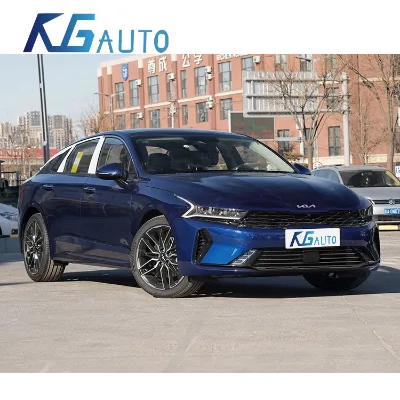
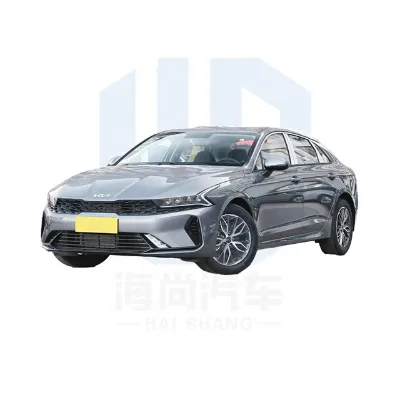

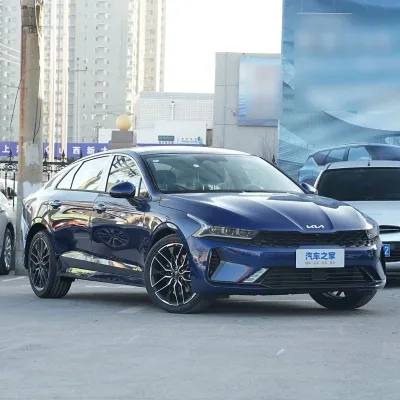

Hot Sale KIA K5 High Speed MID Auto Family Petrol City Car Medium Sedan Gasoline Car
$19000.00 - $23000.00
MOQ: 1 Pieces

KIA EV Car EV 5 Automatic New Energy Vehicle Auto EV Electric SUV Used Car SUV Auto
$18000.00 - $22000.00
MOQ: 1 Pieces

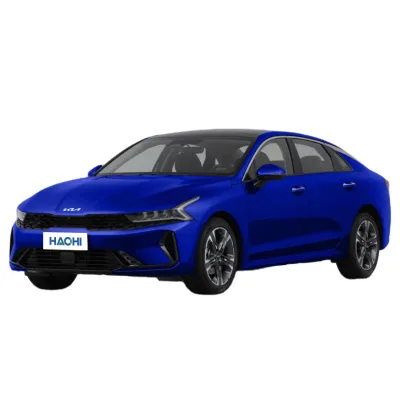
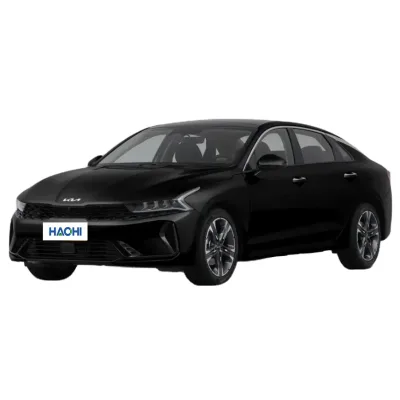


High Speed 210km/H KIA K5 Hybrid Wholesale Comfortable Sedan Car 1.5L Engine
$7186.66 - $8141.48
MOQ: 1 sets
Comprehensive Sourcing Guide
Mini Automatic KIA K5 Sourcing Guide
Sourcing a compact automatic sedan like the Kia K5 requires a disciplined approach to aligning observed market signals with precise technical requirements. Buyers often encounter a wide variance in product listings, ranging from standard passenger vehicles to specialized commercial or experience units. The core keyword "Mini Automatic KIA K5" suggests a focus on compact dimensions and automated transmission systems, which are critical for urban efficiency and ease of operation. However, the term "mini" in this context may refer to the vehicle's footprint relative to full-size sedans rather than a subcompact classification, necessitating careful verification of body style and wheelbase measurements. Procurement teams must distinguish between marketing terminology and actual physical specifications to avoid mismatches in fleet deployment or resale expectations.
The procurement landscape for this vehicle class is characterized by a high degree of customization and a narrow minimum order quantity (MOQ) structure. Most observed listings indicate an MOQ of one unit, which facilitates flexible testing and small-scale fleet expansion without the burden of large capital commitments. This low barrier to entry allows buyers to evaluate individual units for quality and performance before scaling up. Furthermore, the availability of customization options means that buyers can tailor specific features to their operational needs, such as interior configurations or exterior color schemes. Understanding these commercial terms is essential for negotiating favorable contracts and ensuring that the supplier can meet specific delivery and modification requests.
Product Scope and Observed Listing Signals
The observed product scope reveals a diverse array of configurations, primarily centered around the Kia K5 and related models like the K4. Listings indicate a price range of approximately $7,099 to $25,914 USD, reflecting variations in trim levels, engine specifications, and included features. This wide price band suggests that buyers should not assume uniform quality or specification across all listings. Some units are described as "new" with automatic gearboxes and gasoline engines, while others may be designated for specific uses such as family cars, commercial vehicles, or experience cars. The presence of both sedan and SUV body styles in the data highlights the importance of verifying the exact body type, as the term "K5" is sometimes associated with different vehicle architectures depending on the market and model year.
Listing signals also point to significant variations in technical attributes, such as drive type and braking systems. While some units are listed with front-wheel drive (FWD) and electromagnetic braking, others may feature all-wheel drive (AWD) or mechanical braking systems. These differences can drastically impact vehicle performance, maintenance costs, and suitability for specific road conditions. Buyers must scrutinize these signals to ensure that the selected vehicle matches their operational requirements. For instance, a fleet intended for urban delivery might prioritize FWD and fuel efficiency, while a luxury transport service might require AWD and advanced safety features. The observed data also includes specific model designations like "Kia K5 2025 1.5T," indicating that newer model years and specific engine displacements are available, which should be cross-referenced with the buyer's long-term parts availability strategy.
Technical Specifications to Verify
Verifying technical specifications is paramount when sourcing a Kia K5, particularly regarding engine performance and chassis dimensions. The observed data indicates displacement ranges of 1600-2500CC or 1.6-2.0L, with maximum power outputs between 150-200 PS and torque figures of 200-300 Nm. Buyers must confirm the exact engine configuration to ensure it meets local emissions standards and performance expectations. Additionally, the wheelbase is listed as ranging from 2500-3000mm, with specific mentions of 2850 mm, which directly affects interior space and ride comfort. Confirming these dimensions is crucial for ensuring that the vehicle fits within designated parking structures or garage facilities, especially for commercial fleets with tight operational constraints.
Safety and braking systems also require rigorous verification, as observed listings show a mix of electromagnetic and mechanical braking options. The presence of ABS (Antilock Braking System) is noted as a standard feature in some listings, but buyers should confirm the inclusion of advanced driver-assistance systems (ADAS) such as radar sensors. Observed data mentions front and rear radar configurations, which are critical for modern safety compliance and autonomous driving capabilities. Furthermore, tire specifications, such as 215/55 R17, should be checked to ensure compatibility with local road conditions and availability of replacement parts. The curb weight, listed variably between 2000kg and 3200kg, also impacts fuel efficiency and handling characteristics, making it a key parameter for fleet management and insurance calculations.
Compliance and Safety Documentation
Compliance with international and local standards is a non-negotiable aspect of sourcing a Kia K5. Buyers must ensure that the vehicle meets the regulatory requirements of the destination country, including emissions, safety, and noise standards. The observed data mentions ISO management certification, which indicates that the supplier adheres to certain quality management principles. However, buyers should verify that the specific vehicle model holds the necessary type approval certificates for the target market. This includes checking for compliance with safety standards such as crash test ratings and pedestrian protection regulations. Documentation should also include detailed service manuals and warranty terms to support long-term maintenance and operational reliability.
Safety documentation must extend beyond basic compliance to include detailed information on advanced safety features. Buyers should request test reports or certification for any ADAS components, such as the front and rear radar systems mentioned in the listings. These systems are increasingly critical for insurance purposes and regulatory compliance in many jurisdictions. Additionally, buyers should verify the authenticity of the vehicle identification number (VIN) and ensure that all electronic control units (ECUs) are programmed for the local market. This includes language settings, speedometer units, and radio frequencies. Proper documentation ensures that the vehicle can be legally registered and insured, avoiding costly delays and potential legal issues upon arrival.
Cost Drivers and Commercial Terms
Understanding the cost drivers for a Kia K5 involves analyzing the interplay between specifications, customization, and commercial terms. The observed price range of $7,099 to $25,914 USD is influenced by factors such as engine type, trim level, and included safety features. Buyers should request detailed breakdowns of costs to identify any hidden fees or charges for customization. The availability of customization options can significantly impact the final price, so it is essential to define the required specifications clearly before negotiating. Additionally, the MOQ of one unit allows for flexible purchasing, but buyers should be aware of potential price premiums for single-unit orders compared to bulk purchases.
Commercial terms also include shipping, insurance, and payment conditions. Buyers should clarify whether the quoted price includes freight and insurance or if these are separate costs. The observed data mentions "nude packing," which may affect shipping costs and vehicle protection during transit. Payment terms should be negotiated to minimize financial risk, such as using letters of credit or escrow services. Lead times are another critical factor, as delays can impact fleet operations and market availability. Buyers should establish clear timelines for production, shipping, and delivery, and include penalties for non-compliance in the contract. Understanding these commercial terms helps in budgeting accurately and avoiding unexpected expenses.
Supplier Qualification and Quality Control
Supplier qualification is a critical step in ensuring the reliability and quality of the sourced Kia K5. Buyers should conduct thorough due diligence on potential suppliers, verifying their business licenses, manufacturing capabilities, and past performance. The observed data mentions ISO certification, which is a positive indicator, but buyers should also check for other relevant certifications and accreditations. Requesting references from previous clients and conducting site visits, if possible, can provide valuable insights into the supplier's operational standards. Additionally, buyers should assess the supplier's after-sales support capabilities, including warranty services and technical assistance.
Quality control measures should be implemented throughout the procurement process to ensure that the delivered vehicles meet the specified standards. Buyers should define clear quality criteria and inspection protocols, including pre-shipment inspections and third-party verification services. These inspections should cover mechanical integrity, electrical systems, and cosmetic condition. Establishing a robust quality control process helps in identifying and rectifying defects before the vehicles are shipped, reducing the risk of costly returns or repairs. Buyers should also consider implementing a pilot order to test the supplier's reliability and quality consistency before committing to larger volumes.
Long-Term Procurement Checks
Long-term procurement checks are essential for maintaining the value and performance of the sourced Kia K5 fleet. Buyers should establish a regular maintenance schedule and monitor vehicle performance metrics to identify potential issues early. This includes tracking fuel efficiency, maintenance costs, and downtime. Regular audits of the supplier's performance can help in identifying areas for improvement and ensuring that contractual obligations are met. Buyers should also stay informed about updates in regulations and technology that may impact the vehicle's operation and compliance.
Building a strong relationship with the supplier is crucial for long-term success. This includes open communication, collaborative problem-solving, and mutual trust. Buyers should provide feedback on vehicle performance and supplier services to foster continuous improvement. Additionally, exploring opportunities for bulk purchasing or long-term contracts can lead to better pricing and priority service. By implementing these long-term checks and strategies, buyers can ensure that their Kia K5 fleet remains efficient, compliant, and cost-effective over its entire lifecycle.
FAQs
What is the body style of the Mini Automatic KIA K5?
The vehicle is available in both Mini and SUV body styles depending on the specific model configuration. Some listings show a 4-door 5-seater sedan structure while others indicate an open body type for different usage scenarios.
Which drive system does the Mini Automatic KIA K5 use?
The car features Front Wheel Drive or All-Wheel Drive systems as observed in the product data. The transmission is consistently automatic with a displacement range between 1.6 and 2.0 liters for gasoline engines.
Can the Mini Automatic KIA K5 be customized for buyers?
Yes, customization is available for this vehicle model to meet specific buyer requirements. Buyers can select from various exterior colors including red, blue, and white options for their specific needs.
What is the maximum speed of the Mini Automatic KIA K5?
The top speed ranges from 210 km/h to 240 km/h based on the specific model variant. This performance is supported by a maximum power output between 150 and 200 PS.
How much does the Mini Automatic KIA K5 weigh?
The curb weight is listed as 3200 kg in some specifications while other data points indicate a weight of 2000 kg. These variations depend on the specific configuration and model year of the vehicle.
What certification does the Mini Automatic KIA K5 hold?
The vehicle holds ISO management certification as verified in the product documentation. This ensures compliance with standard management practices for the manufacturing and supply chain processes.
Where is the Mini Automatic KIA K5 manufactured?
The product originates from China according to the provided supply chain facts. This location is consistent across the listed models including the K5 and K4 variants.