Source Mini Facial Sauna for Salon, Hotel, and Home Use
Explore 30 listings for the Mini Facial Sauna, featuring options with geothermal temperature control and portable designs. Buyers can compare specifications like voltage, packing, and applications across suppliers from China to find the right equipment for their business needs; compare the available evidence and request quotations based on your requirements.
Key considerations
Products List


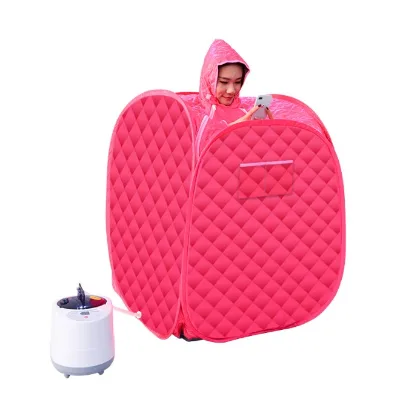


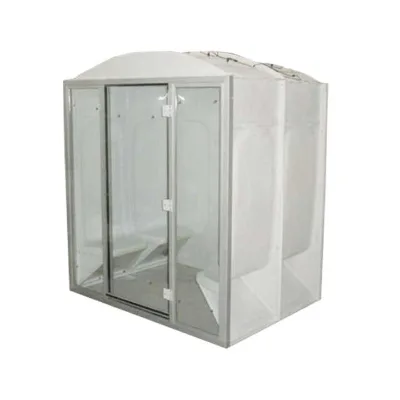
Wholesale Price 2-Person Mini Portable Infrared Sauna Steam Room Modern Acrylic Design
$562.46 - $1533.97
MOQ: 1 Minimum


$2000.00 - $2059.00
MOQ: 1 Pieces

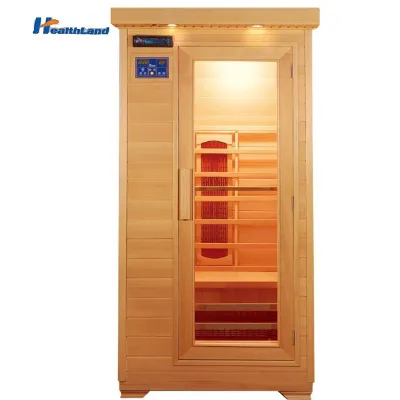


$2780.00 - $2980.00
MOQ: 1 Sets

$2780.00 - $2980.00
MOQ: 1 Sets


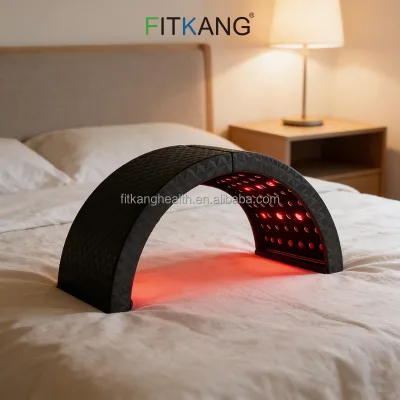
Comprehensive Sourcing Guide
Mini Facial Sauna Sourcing Guide
Procurement of mini facial saunas requires distinguishing between portable steamers and compact infrared units, as the supplied data reveals distinct product categories ranging from foldable chairs with foot massage to dedicated facial steamer models. Buyers must carefully align their specific salon or home spa needs with the observed product attributes, such as the presence of a computer control panel or the specific heating material like carbon crystal plates versus traditional infrared heaters.
The market data indicates a wide variance in capacity and design, with some units designed for single-person use while others feature foldable structures for easy storage. Sourcing strategies should prioritize verifying the exact application environment, whether for a hotel, villa, or professional salon, as the listed models include specific features like tempered glass doors or integrated towel racks that dictate the suitability for different commercial settings.
Product Scope and Observed Listing Signals
The observed product listings demonstrate a clear segmentation between portable facial steamers and larger infrared sauna rooms, with voltage requirements varying significantly between 110V and 220V models. Buyers should scrutinize the listed specifications for the "Type" attribute, noting that some units are explicitly defined as facial steamers while others are categorized as sauna rooms with solid wood construction, ensuring the selected product matches the intended therapeutic function.
Listing signals also highlight diverse material compositions, including imported tinted cloth layers, hemlock, red cedar, and Finland pine wood, which directly impact durability and aesthetic appeal. Procurement teams must verify the "Door Shape" and "Design Style" attributes, as the data shows options ranging from linear types to modern designs, ensuring the physical footprint and visual integration align with the specific layout of the intended facility.
Technical Specifications to Verify
Technical verification must begin with the heating mode, as the data distinguishes between carbon crystal heating plates and standard infrared heaters, each offering different thermal distribution profiles. Buyers should confirm the "Temperature Control Mode" specifications, noting the presence of wall temperature control systems or geothermal temperature control systems, to ensure the unit provides the precise thermal regulation required for safe and effective facial treatments.
Capacity and dimensional constraints are critical, with observed models ranging from compact units measuring 60x48x23 cm to larger structures reaching 150x110x220 cm. Procurement teams must validate the "Voltage" and "Power" ratings, such as the 4500W requirement for certain models, against the electrical infrastructure of the target location to prevent compatibility issues and ensure stable operation during high-load usage scenarios.
Compliance and Safety Documentation
Safety documentation for electrical appliances like facial steamers and infrared saunas must include verified voltage compatibility and power consumption data to prevent electrical hazards. Buyers should request detailed electrical safety certificates that confirm the unit meets the specific voltage standards observed in the listings, such as 110V or 220V, to ensure the product can be safely integrated into the local power grid without requiring complex adapters or transformers.
Material safety is equally paramount, particularly for units constructed with solid wood types like hemlock or red cedar, which must be treated to resist moisture and heat degradation. Procurement teams should verify that the "Sauna Material" and "Heating Material" components comply with relevant health and safety standards, ensuring that no harmful emissions are released during operation and that the materials are suitable for prolonged exposure to steam and heat.
Cost Drivers and Commercial Terms
Cost drivers in this category are heavily influenced by the complexity of the heating system and the quality of the construction materials, with units featuring carbon crystal plates or imported tinted cloth commanding different price points than basic steamers. The observed price range of 2 to 2980 USD reflects this disparity, requiring buyers to balance budget constraints with the need for durable, high-performance equipment that justifies the investment through longevity and therapeutic efficacy.
Commercial terms must account for the diverse packaging requirements observed, ranging from simple carton boxes to complex combinations of film, foam, and wooden cases. Buyers should negotiate clear shipping terms that address the weight and dimensions of the units, such as the 9.64 kg specification for smaller models, to optimize logistics costs and ensure that the fragile components arrive without damage during transit.
Supplier Qualification and Quality Control
Supplier qualification should focus on verifying the origin of the products, as the data indicates manufacturing locations in Anhui, Guangdong, and Guangzhou, China, each potentially offering different quality control standards. Buyers must assess the supplier's ability to provide consistent product attributes, such as the specific "Solid Wood Type" or "Heater" specifications, to ensure that the delivered units match the ordered samples and meet the expected performance benchmarks.
Quality control protocols must include rigorous testing of the "Computer Control Panel" and "Temperature Control Mode" to ensure reliable operation over time. Procurement teams should implement pre-shipment inspections that verify the structural integrity of the "Foldable Chair" components and the sealing of the "Tempered Glass Door," ensuring that all mechanical and electrical systems function correctly before the goods leave the manufacturing facility.
Long-Term Procurement Checks
Long-term procurement strategies should prioritize the availability of replacement parts and the durability of the heating elements, as the "Carbon Crystal Heating Plate" and "Infrared Heaters" are critical components that may require maintenance or replacement. Buyers should establish a relationship with suppliers who can provide technical support and spare parts, ensuring that the equipment remains operational and safe throughout its intended lifespan in a commercial setting.
Sustainability and material sourcing should also be monitored, with a focus on the longevity of the "Finland Pine Wood" or "Red Cedar" construction and the recyclability of the packaging materials. Procurement teams should regularly review the supplier's adherence to the "prod_standard" dimensions and specifications to ensure that future orders maintain consistency, preventing disruptions in service and maintaining the professional standards of the facility.
FAQs
What is the voltage requirement for mini facial saunas?
The voltage requirement is typically 110V or 220V depending on the specific model selected. Some units support dual voltage options to ensure compatibility with different regional power standards. Buyers should verify the exact voltage listed in the product specifications before placing an order to avoid electrical issues.
Can I customize the size of a Mini Facial Sauna?
Customization is available for many Mini Facial Sauna models to meet specific space requirements. Buyers can request adjustments to dimensions or features like the door shape and control panel. It is essential to confirm the customization options and any associated costs with the supplier before finalizing the purchase agreement.
Which heating material is used in these sauna units?
The heating material used is often Far Infrared Sauna technology or Carbon Crystal Heating Plates. These materials provide efficient heat distribution for therapeutic benefits. The specific type of heating element will vary by model, so checking the product details for the exact heating mode is recommended for accurate selection.
How is the Mini Facial Sauna packed for shipping?
Packaging typically includes a carton, sometimes with additional film, foam, or a wooden case for protection. One set is usually packed in a single carton to ensure safe transport. The exact packing method depends on the model, so buyers should review the specific packing details provided in the product listing to understand the shipping requirements.
What is the origin of the Mini Facial Sauna products?
The products originate from various locations in China, including Anhui and Guangdong provinces. Some items are specifically noted as originating from Guangzhou. Buyers should check the specific product origin listed for each item to understand the manufacturing location and potential logistics implications for their sourcing strategy.
What is the capacity of the Mini Facial Sauna units?
The capacity is generally designed for one person, making it suitable for personal or small salon use. Some models may have different configurations, but the standard capacity observed is for a single user. Buyers should verify the capacity specifications to ensure the unit fits their intended usage environment and space constraints.