Source Mini Fiber Laser Marker for Metal Parts, Electronics, and Jewelry
Explore 30 listings for the Mini Fiber Laser Marker suitable for marking metals, sheet materials, and various components. Buyers can compare technical parameters like power, cooling systems, and working areas to find the right equipment for industrial applications.
Key considerations
Products List


20W Mini Fiber Laser Marking Machine/Compact Size Fiber Laser Marker
$1500.00 - $1800.00
MOQ: 1 Pieces


Green Low Weight Mini Handcarry Laser Marking Machine Handheld Laser Marker
$2000.00 - $2500.00
MOQ: 1 Pieces


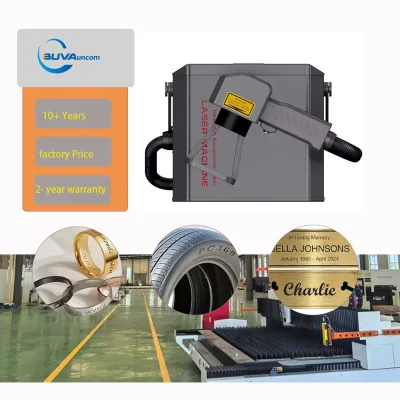

Fiber Laser Marker Max 30W Fiber Laser Machine Minipro Fiber Laser Maker
$1500.00 - $8000.00
MOQ: 1 Pieces


High Precision Portable Laser Marker/ Mini Fiber Laser Marking Machine
$4500.00 - $7000.00
MOQ: 1 Pieces
Comprehensive Sourcing Guide
Strategic Sourcing Guide for Mini Fiber Laser Markers
Understanding Core Technical Specifications and Laser Classifications
When sourcing a Mini Fiber Laser Marker, the primary objective is to align the machine's physical and optical characteristics with specific production requirements. The market offers a diverse array of configurations, ranging from compact desktop units to more robust industrial systems. A critical observation in the current product landscape is the variation in cooling systems. Some units are engineered with air cooling, which simplifies installation by eliminating the need for external water chiller units, while others utilize water cooling systems to manage heat dissipation in high-duty cycles. Buyers must verify the specific cooling mechanism required for their facility's infrastructure before finalizing a purchase.
The laser classification and technical class are equally vital. The majority of mini fiber laser markers operate as solid-state pulse lasers, utilizing a fiber laser technology that emits invisible light. This invisible wavelength is a standard characteristic for fiber-based marking, distinguishing it from visible laser types often found in other industries. The power output for these devices typically spans a range from 20W to 100W, with specific models offering 20W configurations as a baseline for entry-level applications. The laser source itself is often sourced from reputable manufacturers such as Raycus, BWT, Max, JPT, or IPG, though the specific brand should be confirmed in the technical datasheet of the individual unit.
The working area and marking capabilities define the machine's utility. For miniaturized systems, the working area often ranges between 110mm and 175mm, suitable for small components. However, some desktop variants offer a more compact 100mm by 100mm marking area. The precision of these machines is high, with the ability to produce minimum character sizes as small as 0.15 mm and minimum line widths down to 0.01 mm. This level of detail is essential for applications requiring serial numbers, barcodes, or intricate logos on small metal parts. The marking speed can reach up to 7000mm/s, ensuring high throughput for mass production environments.
Compliance, Certification, and Safety Standards
In the B2B procurement of industrial laser equipment, verifying compliance with international safety and quality standards is non-negotiable. The supplied product data indicates that reputable manufacturers often provide a suite of certifications, including CE, SGS, FDA, RoHS, and ISO. These certifications serve as evidence that the machine meets specific safety, electromagnetic compatibility, and environmental requirements. The CE mark, for instance, is crucial for entry into the European market, indicating conformity with health, safety, and environmental protection standards. Similarly, FDA certification is relevant for applications where the laser might interact with food or medical packaging, ensuring the device adheres to specific regulatory limits.
Buyers must be cautious not to assume that every listed product possesses every certification. The presence of a certification should be treated as a specific attribute of the individual model being sourced. When evaluating a supplier, request the actual certificate documents to verify their validity and scope. The standard packaging for these machines often involves seaworthy packing within wooden boxes or wooden cases, which is a standard requirement for international shipping to protect the delicate optical components during transit. Additionally, the physical dimensions of the machine, such as a standard footprint of 75cm by 35cm by 66cm, should be confirmed to ensure it fits within the designated workspace.
Cost Drivers and Pricing Structures
The pricing of mini fiber laser markers is influenced by several factors, including laser power, brand of the laser source, and the complexity of the control system. The observed market price range for these units spans from $500 to $8,000. This wide variance reflects the difference between entry-level 20W desktop units and higher-power systems capable of deeper engraving or faster processing. The power consumption is another cost driver, with many units designed to operate at or below 500W, which helps in managing operational electricity costs.
The minimum order quantity (MOQ) for these machines is typically low, often ranging from 1 to 1 unit, which facilitates testing and small-batch procurement. However, buyers should be aware that customization options, which are frequently available, may impact the final price. Customization can include modifications to the working area, the integration of specific software interfaces, or adjustments to the control system. The control system itself, often utilizing platforms like Cypcut, adds value to the machine by providing user-friendly interfaces for designing and executing mark patterns.
Typical Applications and Material Compatibility
The versatility of mini fiber laser markers makes them suitable for a broad spectrum of industrial applications. The primary material compatibility is with metals, including sheet metals and various alloys. These machines are capable of marking, engraving, and cutting materials with a thickness ranging from 0.1mm to 5mm, depending on the laser power and focus settings. The cutting thickness capability is a significant feature for users who require both marking and light cutting functions in a single device.
While the primary focus is on metal, some models are designed to process a mix of materials, including certain non-metals. This dual capability expands the utility of the machine in environments where diverse product lines are manufactured. The marking depth is generally limited to 1mm or less, which is sufficient for most surface marking applications such as serial numbers, QR codes, and decorative patterns. The ability to mark on most materials makes these units highly adaptable for industries ranging from automotive and aerospace to electronics and jewelry manufacturing.
Supplier Evaluation and Quality Control Protocols
Selecting the right supplier requires a rigorous evaluation process that goes beyond the initial product listing. Buyers should prioritize suppliers who demonstrate transparency regarding their technical parameters and manufacturing standards. The origin of the product, typically China for this category of machinery, is a known fact, but the specific manufacturing location and the supplier's reputation should be verified. A key indicator of quality is the consistency of the laser source. Suppliers offering machines with laser brands like Raycus, BWT, Max, JPT, or IPG generally provide higher reliability and longer lifetimes, often cited around 100,000 hours.
Quality control should be a collaborative effort between the buyer and the supplier. Before finalizing a large order, it is advisable to request a pre-shipment inspection or a sample run to verify the machine's performance. The sample run should test the minimum character size, line width, and marking speed to ensure they meet the specified technical parameters. Additionally, the control system should be tested for stability and ease of use. The supplier's ability to provide technical support and after-sales service is also a critical factor in the evaluation process.
Long-Term Procurement and Operational Considerations
Procuring a Mini Fiber Laser Marker is not just a one-time transaction but an investment in long-term operational efficiency. The lifetime of the laser source, often rated at 100,000 hours, suggests a long service life, but this is contingent on proper maintenance and operating conditions. Buyers should consider the cooling system requirements when planning for long-term operation. Air-cooled systems offer lower maintenance needs, while water-cooled systems may require regular monitoring of water quality and flow rates to prevent corrosion or overheating.
The weight of the machine, typically around 30kg for mini units, is a factor to consider for facility layout and potential relocation. The compact nature of these machines allows for easy integration into existing production lines without requiring significant floor space. Furthermore, the availability of customization options ensures that the machine can evolve with changing production needs. Buyers should also consider the terms of service and technical parameters provided by the supplier, as these documents often contain the detailed specifications necessary for future troubleshooting and maintenance.
Comparative Analysis of Key Product Attributes
To assist in the decision-making process, the following table summarizes the key attributes observed in the current market for mini fiber laser markers. This comparison highlights the variations in specifications that buyers should consider when selecting a specific model.
| Attribute | Observation Range / Specific Value | Notes for Verification |
|---|---|---|
| Laser Type | Pulse Fiber Laser / Solid Laser | Verify if Continuous Wave is required for specific cutting tasks. |
| Cooling System | Air Cooling / Water Cooling | Check facility infrastructure for water supply if water cooling is selected. |
| Laser Power | 20W - 100W | 20W is common for desktop models; higher power for deeper engraving. |
| Working Area | 100x100mm to 110-175mm | Ensure the area covers the largest part to be marked. |
| Min. Character Size | 0.15 mm | Critical for small serial numbers or micro-components. |
| Min. Line Width | 0.01 mm | Determines the resolution of fine details. |
| Marking Speed | Up to 7000mm/s | Higher speeds increase throughput but may affect quality on some materials. |
| Applicable Material | Metal / Sheet Metals / Some Non-Metal | Confirm compatibility with specific alloys or non-metals in the production line. |
| Certifications | CE, SGS, FDA, ISO, RoHS | Request proof of certification for the specific model. |
| Laser Brand | Raycus, BWT, Max, JPT, IPG | Brand selection impacts longevity and performance consistency. |
| Control System | Cypcut | Verify software compatibility with existing design tools. |
| Weight | ~30kg | Important for floor loading and mobility. |
| Power Consumption | ≤500 W | Relevant for energy cost calculations. |
| Cutting Thickness | 0.1mm - 5mm | Only applicable if the machine is used for cutting, not just marking. |
Final Procurement Recommendations
The acquisition of a Mini Fiber Laser Marker requires a balanced approach that weighs technical specifications against cost and operational needs. Buyers should start by clearly defining the materials to be processed and the required mark quality, specifically the minimum character size and line width. Once these technical parameters are established, the search can be narrowed to models that offer the appropriate laser power and working area. The verification of certifications and the reputation of the laser source brand are essential steps to ensure long-term reliability.
It is imperative to treat all product attributes as observations rather than universal claims. Not every Mini Fiber Laser Marker will possess every feature listed in the market overview. Therefore, detailed communication with the supplier is necessary to confirm that the specific unit being purchased meets the exact requirements of the buyer's application. By focusing on verified specifications, robust certifications, and a clear understanding of cost drivers, buyers can make informed decisions that optimize their production capabilities while managing risk and investment effectively. The low MOQ and availability of customization further enhance the flexibility of sourcing these machines, allowing for a tailored approach to industrial marking needs.
FAQs
What cooling systems are available for mini fiber laser markers?
Both air cooling and water cooling systems are available for these machines. Buyers must verify the specific mechanism required for their facility's infrastructure before purchasing to ensure proper heat dissipation.
Which laser brands are commonly used in these marking machines?
Common laser brands include Raycus, BWT, Max, JPT, and IPG. The specific brand should be confirmed in the technical datasheet as it impacts longevity and performance consistency for the user.
How small can the character size be on a Mini Fiber Laser Marker?
The minimum character size can be as small as 0.15 mm. This precision is essential for applications requiring serial numbers, barcodes, or intricate logos on small metal parts.
What certifications should I look for when sourcing this equipment?
Reputable models often carry CE, SGS, FDA, RoHS, and ISO certifications. Buyers must request actual certificate documents to verify their validity and scope for the specific model being sourced.
Can these machines cut materials as well as marking them?
Yes, some models can cut sheet metals with a thickness ranging from 0.1mm to 5mm. This capability depends on the laser power and focus settings selected for the specific application.
What is the typical power consumption for these units?
Many units are designed to operate at or below 500 W of power consumption. This specification helps in managing operational electricity costs during long-term industrial use.