Source Minimalist Sustainable Glass Cup for Office, Home, and Travel
Explore 30 minimalist sustainable glass cup options from verified Chinese manufacturers. Compare capacities ranging from 12 oz to 40 oz, custom logo services, and various shapes including cylindrical and round designs to find the right fit for your brand; compare the available evidence and request quotations based on your requirements.
Key considerations
Products List




Comprehensive Sourcing Guide
Minimalist Sustainable Glass Cup Sourcing Guide
Procuring minimalist sustainable glass cups requires balancing aesthetic simplicity with rigorous material integrity. The observed market signals indicate a strong preference for clear, single-wall glass designs that emphasize transparency and natural form. Buyers should prioritize suppliers offering OEM and ODM services to ensure the final product aligns with specific brand identities while maintaining the core minimalist ethos. The availability of customization in volume, ranging from 300ml to 1000ml, allows for tailored solutions that fit diverse usage scenarios without compromising the clean visual profile.
Sustainability in this category is often linked to the production method and material purity rather than complex packaging. Many observed listings highlight hand-blown or handmade techniques, which can imply a lower carbon footprint compared to mass-automated molding, though this requires verification. The product attributes suggest a focus on food-grade safety, with certifications like FDA and LFGB being critical indicators of non-toxic materials. Buyers must ensure that the "sustainable" claim is backed by tangible evidence regarding the glass composition and the environmental practices of the manufacturing origin, typically noted as China or Hebei.
Product Scope and Observed Listing Signals
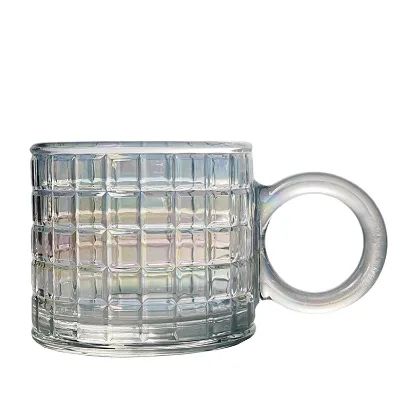
The current market inventory for minimalist glass cups spans a wide range of capacities, including specific volumes like 20 oz and 12 oz, alongside standard metric measurements. Listings frequently describe the shape as cylindrical or round, though some irregular shapes are also available, offering variety within the minimalist framework. The style often incorporates functional elements like handles or lanyards, which add utility without cluttering the design. This diversity allows buyers to source cups that range from simple office mugs to more decorative serving vessels, all adhering to a clean, unadorned aesthetic.
Commercial signals indicate that these products are typically sold as individual commodities with flexible minimum order quantities starting as low as 10 units. The observed price range is broad, suggesting significant variation based on craftsmanship, such as hand-blown versus machine-made, and the complexity of customizations like logos or colors. Packaging varies from simple cartons to foam boxes and export cartons, reflecting different shipping requirements and protection levels. Buyers should note that while some listings mention specific models like JSWG-F0190, the core product scope remains defined by the clear glass type and simple, functional design.
Technical Specifications to Verify
Dimensional and weight tolerances are critical for ensuring consistency in minimalist designs where every millimeter affects the visual balance. Verified specifications often include a dimensional tolerance of less than ±1mm and a weight tolerance of less than ±1%, ensuring that each cup feels uniform in hand. The glass type is predominantly clear, which is essential for the minimalist look, but buyers must confirm the thickness and structural integrity to prevent breakage during use. The craft method, whether hand-blown or machine-decorated, significantly impacts the final texture and perceived quality of the product.
Capacity and shape are primary technical differentiators that influence the user experience and suitability for specific applications. While many cups are designed for food usage, specific models may be optimized for office environments or coffee service, as indicated by terms like "Glass Office Cup." The presence of accessories, such as handles, adds a functional layer that must be securely attached to the main body. Buyers should verify the package size, which can range from compact 9393145mm units to larger export boxes, to ensure efficient logistics planning and storage compatibility.
Compliance and Safety Documentation
Food safety is the paramount compliance requirement for glass cups intended for beverage or food service. The observed listings frequently cite certifications such as FDA, CE, EU, CIQ, LFGB, and EEC, which are essential for validating that the glass is free from harmful leaching agents. These certifications confirm that the materials meet international safety standards for direct contact with consumables. Buyers must request valid, up-to-date certificates for each production batch to ensure ongoing compliance, as these documents are often prerequisites for importing into regulated markets.
Beyond material safety, environmental and labor standards play an increasingly important role in the procurement of sustainable goods. While some background data mentions ISO standards like ISO9001 or BSCI, these should be treated as verification targets rather than guaranteed attributes of every listing. The origin of the product, often listed as China or Hebei, necessitates a thorough review of the supplier's adherence to local and international labor laws. Ensuring that the manufacturing process aligns with ethical sourcing principles is vital for maintaining the integrity of the "sustainable" label in the final product.
Cost Drivers and Commercial Terms
The cost of minimalist glass cups is heavily influenced by the production technique and the level of customization required. Hand-blown or handmade cups generally command a higher price point due to the labor intensity and the unique nature of each piece compared to mass-produced alternatives. Customization options, such as adding a specific logo, choosing a customized color, or altering the standard shape, introduce additional variables that affect the final unit cost. Buyers should anticipate that complex designs or small batch runs will incur higher per-unit expenses than standard, high-volume orders.
Commercial terms regarding minimum order quantities and sales units vary significantly across the market, with some suppliers accepting orders as low as 10 units while others require volumes up to 75,000. The sales unit is typically defined as an individual commodity, but some listings offer sets ranging from 1 to 3 pieces, which can impact the total order value. Lead times and shipping costs are also critical cost drivers, especially when dealing with fragile glass items that require specialized packaging like foam boxes or sturdy export cartons. Buyers must negotiate these terms carefully to balance cost efficiency with the need for product protection.
Supplier Qualification and Quality Control
Selecting a qualified supplier for glass cups requires a deep dive into their manufacturing capabilities and quality assurance processes. The presence of OEM and ODM services indicates a supplier's ability to adapt to specific design requirements, but buyers must verify their track record in maintaining consistency across large batches. The observation of specific product models and standards suggests that established suppliers have defined production lines, yet the "customized" nature of many listings means that quality control protocols must be robust enough to handle unique specifications without compromising the core product integrity.
Quality control should extend beyond the final inspection to include raw material verification and in-process checks. Given the fragility of glass, suppliers must demonstrate a clear understanding of dimensional tolerances and weight consistency to minimize breakage rates. Buyers should request detailed quality reports that cover the production of specific models, such as the JSWG-F0078 or zzx437, to ensure that the finished goods meet the agreed-upon standards. Establishing a clear communication channel for addressing defects and ensuring that the supplier adheres to the specified packaging and handling requirements is essential for a successful procurement relationship.
Long-Term Procurement Checks
Sustaining a successful supply chain for minimalist glass cups involves regular audits and performance reviews to ensure ongoing compliance and quality. Buyers should schedule periodic assessments of the supplier's ability to meet the specified certifications and maintain the required dimensional tolerances over time. The dynamic nature of the market, with varying MOQs and customization options, means that the supplier must remain flexible and responsive to changing order volumes and design trends. Continuous monitoring helps identify potential risks early, such as shifts in material quality or production delays.
Long-term success also depends on the supplier's commitment to innovation and sustainability improvements. As the market evolves, buyers should encourage suppliers to adopt more efficient production methods or eco-friendly packaging solutions that align with the minimalist and sustainable ethos. Regular feedback loops regarding product performance, such as the durability of the handle or the clarity of the glass, can drive continuous improvement. By fostering a collaborative relationship, buyers can ensure that their supply chain remains resilient and capable of delivering high-quality, sustainable glass cups that meet the evolving demands of their customers.
FAQs
Can minimalist sustainable glass cups be customized with logos?
Yes, customization is available for minimalist sustainable glass cups. Buyers can request customized colors and logos to meet brand requirements. OEM and ODM services are welcomed, allowing for tailored designs. This flexibility supports unique branding needs while maintaining the product's core aesthetic and functional qualities for various applications.
What certifications do minimalist sustainable glass cups have?
Minimalist sustainable glass cups typically hold FDA, CE/EU, CIQ, LFGB, and EEC certifications. These standards ensure safety and compliance for food contact. Such certifications are critical for international trade, verifying that the materials and manufacturing processes meet rigorous health and environmental regulations required by major global markets and regulatory bodies.
What is the minimum order quantity for these cups?
The minimum order quantity varies, with some listings starting at 10 units and others at 100 units. Specific models may require up to 75,000 units for certain pricing tiers. Buyers should verify the exact MOQ for their chosen model, as it depends on the specific product specifications and customization level requested by the supplier.
What capacities are available for minimalist sustainable glass cups?
Available capacities include 12 oz, 20 oz, 25 oz, 30 oz, 40 oz, and metric equivalents like 300ml, 500ml, 700ml, and 1000ml. These options cater to diverse usage scenarios, from small espresso servings to large water or juice portions. The variety ensures that buyers can select the precise volume needed for their specific product line.
How are minimalist sustainable glass cups packaged for shipping?
Packaging methods include carton boxes, foam boxes, and export carton boxes. Specific dimensions like 93*93*145mm or 15*15*20cm are used for standard models. This protective packaging ensures the glass items arrive safely, minimizing breakage risks during transit. The choice of packaging often depends on the order volume and the specific shipping requirements of the destination market.
What manufacturing techniques are used for these glass cups?
Manufacturing techniques include hand-blown, hand-made, and decal decorated processes. Some cups feature simple cylindrical or irregular shapes with clear glass types. These methods allow for both mass production consistency and artisanal uniqueness. The choice of technique influences the final aesthetic, durability, and perceived value of the minimalist sustainable glass cup in the marketplace.