Source Miyota Mechanical Business Watch for corporate gifts, daily wear, and travel
Compare 30 listings of Miyota Mechanical Business Watch options featuring automatic movements, sapphire crystal, and stainless steel cases. Buyers can evaluate specifications like water resistance, band materials, and customization capabilities for wholesale needs.
Key considerations
Products List
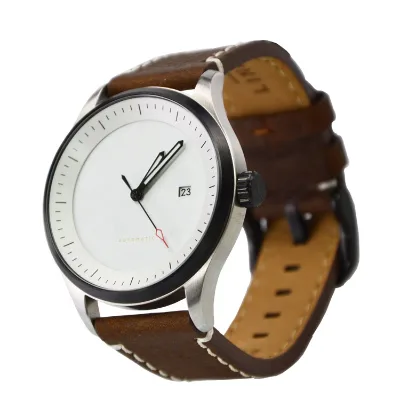
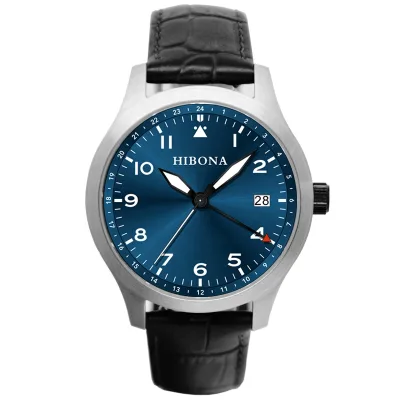
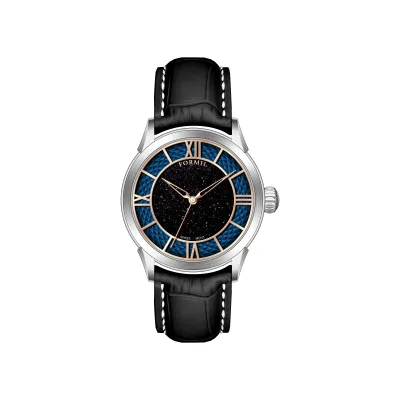
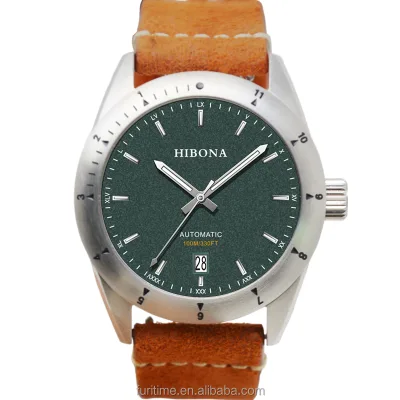
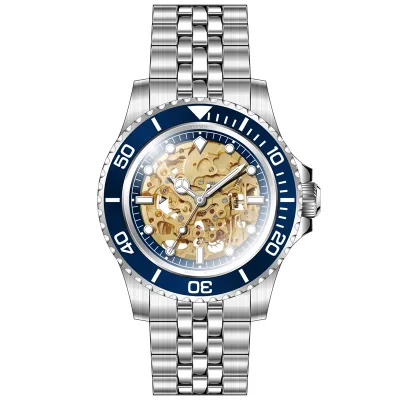
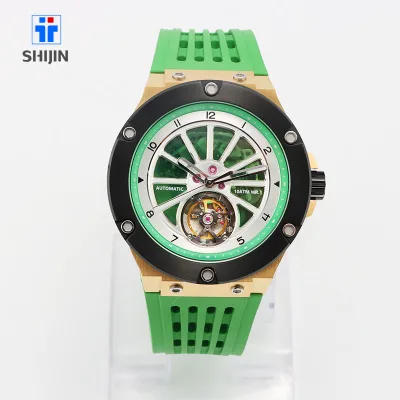
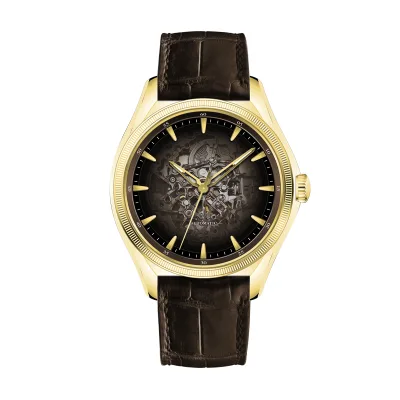
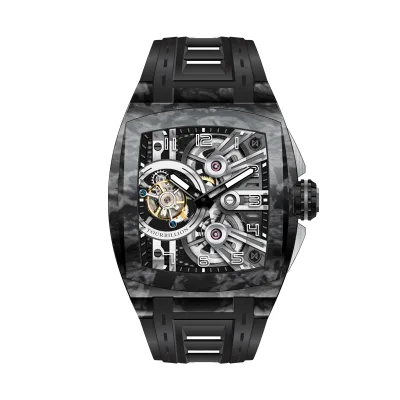
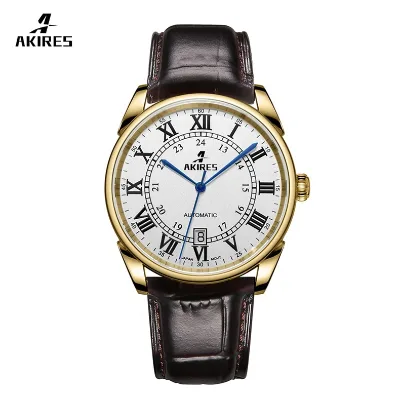
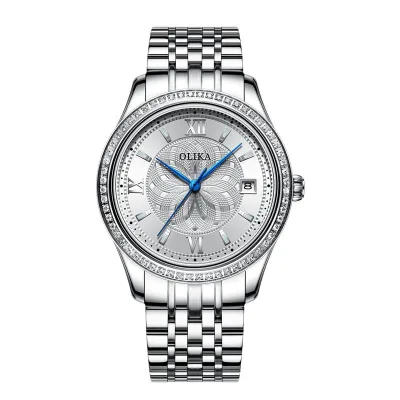
OEM Classical 316L Steel Japan Miyota 8N24 Automatic Movement Skeleton Mechanical Watch
$57.51 - $59.85
MOQ: 300 pieces
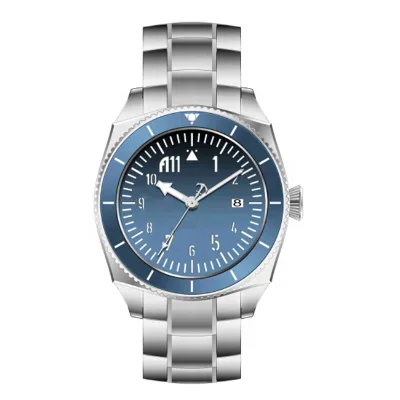
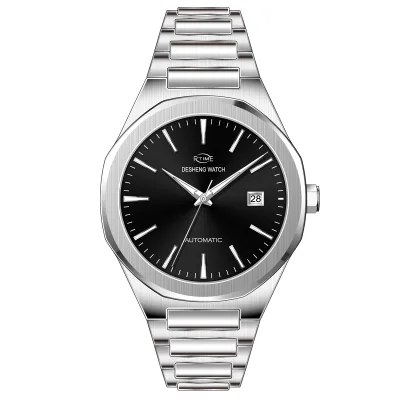

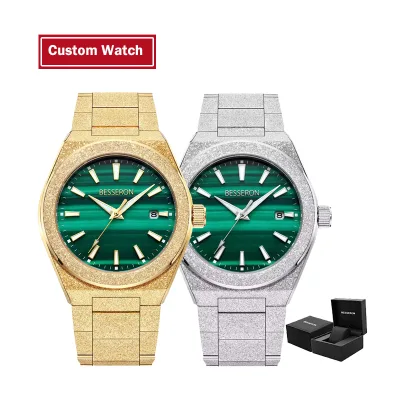
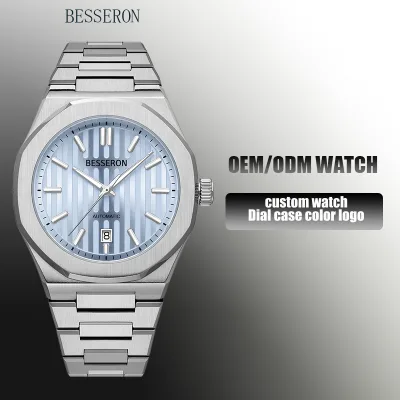






Comprehensive Sourcing Guide
Strategic Sourcing Guide for Miyota Mechanical Business Watches
The global market for mechanical timepieces continues to prioritize reliability, precision, and cost-efficiency, with the Miyota movement serving as a cornerstone for mid-range business and fashion watches. For procurement professionals sourcing "Miyota Mechanical Business Watch" products, the objective is to navigate a complex supply chain that balances technical specifications with commercial viability. This guide synthesizes available product attributes and industry standards to provide a disciplined framework for evaluating suppliers, verifying product integrity, and managing long-term procurement risks. The focus remains strictly on observable facts and established sourcing principles, avoiding unverified claims or speculative market data.
Understanding Miyota Movement Specifications and Variants
The core of any mechanical business watch sourcing strategy lies in the movement itself. Miyota, a subsidiary of Citizen Watch Co., is renowned for its automatic and manual-wind movements that offer a balance of durability and affordability. In the current supply landscape, specific model numbers such as FL5671 and FL3413 are frequently associated with these movements. Procurement teams must distinguish between the various iterations of Miyota technology, particularly the 8N24 Automatic Movement Skeleton Mechanical Watch, which is explicitly noted in product listings.
When evaluating technical specifications, buyers should verify the movement brand directly. The data indicates a clear presence of "MIYOTA" and "CITIZEN Miyota Movement" as the primary drivers of functionality. A critical distinction exists between automatic and chronograph configurations. While some listings highlight "Automatic watch" designs, others specify "Chronograph Watch" features. The presence of "Auto Date," "Day/Date," and "Stop Watch" functionalities suggests a higher complexity in the movement architecture, which may impact the cost and maintenance requirements.
Buyers must also scrutinize the dial and case dimensions, as these dictate the final product's aesthetic and fit. The observed specifications include a dial diameter of 25mm, which is relatively compact, and a case thickness of 10mm. These dimensions are typical for business-oriented timepieces that require a slim profile to slide comfortably under a shirt cuff. The case shape is consistently reported as "Round," a standard for formal and business attire. However, the band width varies, with 20mm being a standard measurement, yet some listings suggest "Customized Size" options. This variability requires precise communication with suppliers to ensure the final assembly matches the intended design brief.
Material Composition and Structural Integrity
The longevity and perceived value of a mechanical business watch are heavily influenced by the materials used in its construction. The supply data reveals a diverse range of case materials, including "Stainless Steel," "Brass," and specific grades like "316L Stainless Steel." The mention of 316L is significant, as it is a marine-grade stainless steel known for superior corrosion resistance, making it a preferred choice for high-quality business watches. Conversely, the presence of "Brass" cases suggests a lower-cost alternative that may require additional plating or coating to prevent tarnishing.
The band material type presents another layer of complexity. Listings indicate a wide array of options, including "Leather," "Ceramic," "Rubber," "Silicone," "Stainless Steel," "Silver," and "Titanium." For a business context, leather and stainless steel are the most conventional choices, offering a professional appearance. However, the availability of "Ceramic" and "Titanium" indicates a trend toward premium, lightweight, and scratch-resistant materials. Buyers must verify the specific band material for each order, as the "Leather" designation in one listing does not preclude the existence of "Stainless Steel" bands in another.
The dial window material is a critical factor for readability and durability. The provided facts explicitly state "SAPPHIRE CRYSTAL" as the material type. This is a high-value attribute, as sapphire is second only to diamond in hardness, offering exceptional scratch resistance compared to mineral glass. Ensuring that the sapphire crystal is present in the specific unit being procured is essential for maintaining the watch's aesthetic integrity over time. Additionally, the case material and band material must be compatible; for instance, a brass case paired with a stainless steel band may require specific finishing techniques to ensure a cohesive look.
Cost Drivers and Commercial Terms
Sourcing mechanical watches involves navigating a complex set of commercial terms that directly impact the total cost of ownership. The observed Minimum Order Quantity (MOQ) ranges from 1 to 500 units, with a specific high-confidence fact indicating an MOQ of 300 pieces for certain models. This suggests that while some suppliers may offer sample orders, the primary economic model relies on bulk purchasing. Buyers should be prepared to negotiate based on volume, as the unit price can fluctuate significantly between the observed range of $1.11 to $389 USD.
Payment terms are another critical component of the procurement agreement. The data lists "PayPal," "Western Union," and "TT" (Telegraphic Transfer) as accepted methods. For large B2B transactions, TT is often the preferred method due to its security and standardization in international trade. Buyers should ensure that the payment terms align with their internal financial policies and risk management strategies. The inclusion of "OEM/ODM: Accept" indicates that suppliers are willing to customize products, which can be a significant cost driver. Customization often involves additional tooling costs, longer lead times, and higher MOQs, which must be factored into the budget.
Shipping and logistics also play a role in cost calculation. The listed shipment options include "DHL," "TNT," and "FEDEX," which are premium courier services known for speed and reliability. While these services ensure timely delivery, they come at a higher cost compared to sea freight. For time-sensitive business orders, the premium for air freight may be justified, but for stock replenishment, sea freight might be more economical. The single package size of 5x5x5 cm and a gross weight of 0.500 kg provide a baseline for calculating shipping volumes, though these figures may vary based on the specific model and packaging requirements.
Supplier Evaluation and Operational Capabilities
Evaluating potential suppliers requires a rigorous assessment of their operational capabilities and compliance with industry standards. The place of origin is consistently identified as "Guangdong, China," a region known for its robust manufacturing ecosystem and expertise in watch assembly. However, the location alone does not guarantee quality. Buyers must verify the supplier's capacity to handle the specific movement types, such as the Miyota 8N24, and their ability to maintain consistency across large production runs.
The "OEM/ODM" capability is a key differentiator. Suppliers that accept these requests demonstrate flexibility and a willingness to collaborate on design and branding. This is particularly important for businesses looking to create a unique product identity. However, buyers should assess the supplier's intellectual property protections and their track record in delivering customized orders on time. The "Warranty: One year" attribute is a standard offering, but the terms of this warranty should be clearly defined. Does it cover movement defects, water resistance issues, or general wear and tear? Understanding the scope of the warranty is essential for managing post-sales liabilities.
Furthermore, the "Age" attribute, listed as 2024 and 2026, suggests a forward-looking product cycle. Buyers should verify the production timeline and ensure that the models they are sourcing are not obsolete or nearing the end of their lifecycle. The "Selling Units: Single item" designation indicates that the product is sold individually, which is standard for retail and business distribution. However, the "Used Watch Model: Any Watches" entry is ambiguous and may refer to a service capability rather than a product attribute. Clarifying this with the supplier is necessary to avoid confusion regarding the nature of the goods being procured.
Quality Control and Compliance Verification
Quality control is paramount when sourcing mechanical watches, as the movement and casing must function seamlessly under various conditions. The "Water Resistance Depth: 5BAR" specification is a critical metric. This rating indicates that the watch can withstand pressures equivalent to a depth of 50 meters, making it suitable for everyday wear and light water exposure, such as hand washing or rain. However, it is not suitable for swimming or diving. Buyers must ensure that the water resistance is tested and verified, as this is a common point of failure in mechanical timepieces.
Compliance and certification checks are equally important. While specific certification names are not provided in the data, buyers should request documentation regarding the movement's origin and the materials' compliance with international standards. The "316L Stainless Steel" and "Sapphire Crystal" attributes should be backed by material certificates to verify their authenticity. Additionally, the "Luminous" and "Luminous Hands" features require verification of the luminescent material used, ensuring it meets safety and durability standards.
The "Feature" list includes "Chronograph," "Stop Watch," and "Auto Date," which adds mechanical complexity. Each of these functions must be tested for accuracy and reliability. Buyers should request sample units for rigorous testing before committing to a large order. The "Battery Life: 24 months" attribute is interesting for a mechanical watch, as mechanical movements typically do not rely on batteries but rather on manual winding or automatic rotor motion. This discrepancy suggests that some models may be quartz-powered or have a hybrid mechanism. Clarifying the power source is essential to avoid misalignment with the "Miyota mechanical" keyword.
Long-Term Procurement and Market Considerations
Sourcing mechanical business watches is not just a one-time transaction but a long-term partnership that requires strategic planning. The "Type" attribute, which includes "Business," "Luxury," "Fashion," and "Sport," indicates that these watches are versatile and can be marketed to a wide audience. However, the "Business" and "Luxury" segments demand higher standards of finish and precision. Buyers should align their product selection with their target market's expectations.
The "Color" options, ranging from "Black," "White," "Beige," "Blue," "Green," "Gray," to "Silver" and "Gold," offer significant flexibility for branding. However, the "Design" attributes, such as "Chronograph Watch," "Automatic watch," and "Men watch," suggest that the product line is segmented. Buyers must ensure that the color and design combinations match their brand identity and customer preferences. The "User: Unisex" designation implies that the watches are designed to be worn by both men and women, which can expand the market reach.
Finally, the "Keywords: Custom stainless steel watch" highlight the importance of customization in the current market. Buyers should leverage this capability to differentiate their products from competitors. However, customization comes with risks, including longer lead times and higher costs. A balanced approach involves maintaining a core inventory of standard models while using customization for special orders or limited editions. The "Payment Term" and "Shipment" options should be reviewed regularly to ensure they remain competitive and aligned with market conditions.
In conclusion, sourcing Miyota mechanical business watches requires a meticulous approach that balances technical specifications, material quality, and commercial terms. By focusing on verified attributes such as the Miyota movement, sapphire crystal, and 316L stainless steel, buyers can build a reliable supply chain that meets the demands of the modern market. The key to success lies in rigorous supplier evaluation, comprehensive quality control, and strategic long-term planning.
FAQs
What movement brands are available for these watches?
The available movement brands include SEIKO and MIYOTA, with specific models featuring the Citizen Miyota Movement. Some listings also specify the Japan Miyota 8N24 Automatic Movement Skeleton Mechanical Watch. Buyers should verify the exact movement brand for each model before ordering.
Which case materials are used in these timepieces?
Case materials vary and include Stainless Steel, Brass, and 316L Stainless Steel. The 316L grade offers superior corrosion resistance suitable for business use. Buyers must confirm the specific material for each order as brass cases may require different maintenance than steel.
Can I find watches with sapphire crystal dial windows?
Yes, sapphire crystal is explicitly listed as the dial window material type for these products. This material provides exceptional scratch resistance compared to standard glass. Ensure the specific unit being procured includes this feature as it is a key durability attribute.
What is the minimum order quantity for bulk purchases?
The minimum order quantity is 300 pieces for specific models like FL5671 and FL3413. While some suppliers may accept lower quantities, the primary economic model relies on this bulk threshold. Buyers should prepare to negotiate based on this volume requirement.
How thick are the watch cases typically?
The case thickness is specified as 10mm for the observed models. This slim profile is typical for business-oriented timepieces designed to slide comfortably under a shirt cuff. Verify the exact dimensions for the specific model number to ensure it meets your design brief.
Which payment terms are accepted by suppliers?
Suppliers accept PayPal, Western Union, and TT (Telegraphic Transfer) as payment terms. TT is often preferred for large B2B transactions due to its security and standardization. Buyers should ensure these terms align with their internal financial policies before finalizing the agreement.
What is the water resistance depth rating?
The water resistance depth is rated at 5BAR, which withstands pressures equivalent to 50 meters. This makes the watches suitable for everyday wear and light water exposure like rain. They are not suitable for swimming or diving, so verify this limit before use.