Source Modern Acrylic Architectural Model for Real Estate, Exhibitions, and Planning
Explore 30 listings for the Modern Acrylic Architectural Model, featuring steel structures and LED lighting. Compare options for real estate displays, urban planning, and exhibitions. Options include custom designs with waterproofing and fire resistance, sourced from Guangdong manufacturers with online support.
Key considerations
Products List

Contemporary Conceptual Architectural Model for Modern Design Enthusiasts
$2000.00 - $5000.00
MOQ: 1 Pieces

Modern Conceptual Architectural Model Forinnovative Design Enthusiasts
$2000.00 - $5000.00
MOQ: 1 Pieces

Modern Metallic Architectural Model for Creative Concept Development
$2000.00 - $5000.00
MOQ: 1 Pieces

Stylish White Architectural Model for Modern Presentation and Design
$2000.00 - $5000.00
MOQ: 1 Pieces

Contemporary Metallic Architectural Model for Architectural Visualizationprojects
$2000.00 - $5000.00
MOQ: 1 Pieces

Intricately Designed Architectural Model for Contemporary Commercial Spaces
$2000.00 - $5000.00
MOQ: 1 Pieces
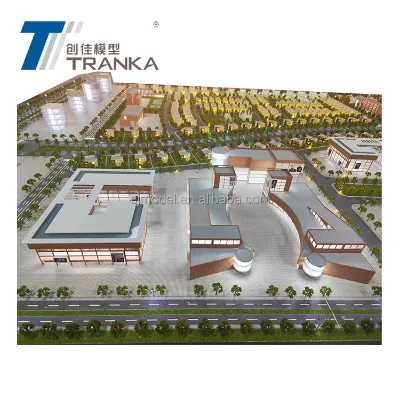
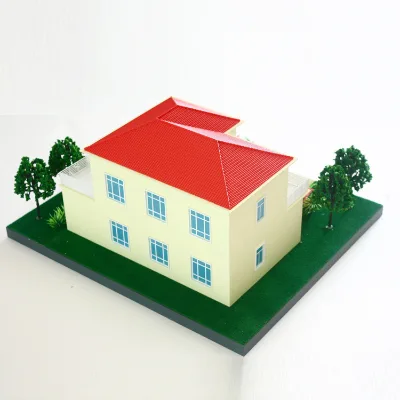
Acrylic Home Interior Dining Planning Model / Durable Modern House Scale Model Making
$1018.84 - $4078.42
MOQ: 1 Minimum
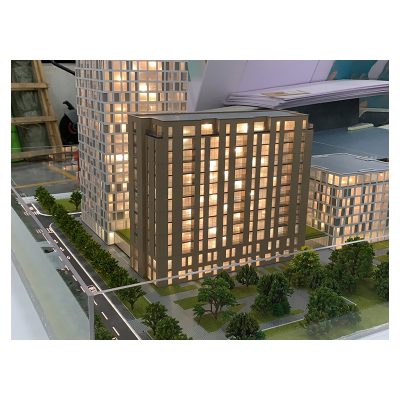



Large Scale Modern Professional Proportional Design Industrial Building Model
$3888.00 - $6888.00
MOQ: 1 Sets

Modern High-End Hotel Interior and Exterior Design Luxury Architectural Models
$1500.00 - $5500.00
MOQ: 1 Sets

Minimalist Futuristic Mirror Architecture Model Presents a Sense of Technology
$6888.00 - $9888.00
MOQ: 1 Sets


Architectural Planning Model Making, Indoor Model, Building Micro Model Customization
$4000.00 - $6000.00
MOQ: 1 Pieces

Artistic Hand-Made Ancient Architectural Model for Office Exhibition Hall Decor
$4888.00 - $6888.00
MOQ: 1 Pieces


Ancient Architectural Model Sculpture, Perfect for Exhibition Hall and Office
$4888.00 - $6888.00
MOQ: 1 Pieces

Hand-Made Architectural Model for Office Exhibition Display Customization
$3500.00 - $3800.00
MOQ: 1 Pieces


Comprehensive Sourcing Guide
Modern Acrylic Architectural Model Sourcing Guide
Procuring modern acrylic architectural models requires a strategic approach that balances aesthetic precision with functional durability. Buyers must recognize that these models serve as critical communication tools in real estate displays, urban planning presentations, and exhibition spaces. The visual clarity of acrylic allows for intricate detailing, making it a preferred material for showcasing complex structural designs. Understanding the specific application context helps in selecting the right scale and finish, ensuring the model effectively communicates the intended design vision to stakeholders.
The sourcing landscape for these models is diverse, with suppliers offering various customization options to meet unique project requirements. Key attributes often include waterproofing, sound insulation, and fire resistance, which are essential for models intended for public or high-traffic environments. Buyers should prioritize suppliers who provide comprehensive project solution capabilities, including 3D model design and total project solutions. This ensures that the final product aligns seamlessly with the architectural intent and meets the specific technical demands of the display scenario.
Product Scope and Observed Listing Signals
The market for modern acrylic architectural models exhibits a wide range of pricing and minimum order quantities, reflecting the variability in complexity and scale. Observed listings indicate price points ranging from low-cost single items to high-value custom sets, with minimum order quantities starting from just one set up to larger bulk orders. This flexibility allows buyers to source small-scale prototypes or large-scale commercial plaza models without significant upfront inventory commitments. Understanding these signals helps in budgeting accurately and negotiating terms that align with the project's financial constraints.
Materials used in these models extend beyond acrylic to include ABS plastic, resin, wood, and metal components, often integrated with LED lighting for enhanced visual appeal. The design styles vary from modern and European to Asian and tropical, catering to diverse architectural preferences. Buyers should verify the specific materials used in each component, as this impacts the model's durability and aesthetic quality. The presence of features like damp proofing and fire resistance further indicates the model's suitability for long-term display in various environmental conditions.
Technical Specifications to Verify
Verifying technical specifications is crucial to ensure the model meets the required performance standards. Buyers should confirm the model type, such as commercial plaza or residential building, and ensure it aligns with the intended application. Specifications like scale (HO, N, OO, TT) and design style must be clearly defined to avoid mismatches between the supplier's output and the buyer's expectations. Additionally, the inclusion of LED lights and the choice of materials like ABS or acrylic should be documented to guarantee the desired visual and structural integrity.
Performance attributes such as waterproofing, sound insulation, and fire resistance are critical for models used in public exhibitions or real estate displays. Buyers must verify that these features are not just marketing claims but are integral to the model's construction. The use of durable materials and robust assembly techniques ensures the model can withstand handling and environmental factors. Confirming these specifications early in the sourcing process helps in avoiding costly revisions and ensures the final product is fit for its intended purpose.
Compliance and Safety Documentation
While specific certification statuses may vary, buyers should inquire about compliance with relevant safety and environmental standards. Documentation such as material safety data sheets and fire resistance test results should be requested to verify the model's safety for public display. Although some suppliers may mention certifications like FSC, buyers must confirm the validity and scope of these certifications to ensure they meet regulatory requirements. This due diligence is essential for mitigating risks associated with the use of potentially hazardous materials in architectural models.
Safety features such as fire resistance and damp proofing are particularly important for models used in indoor environments. Buyers should verify that these features are achieved through certified materials and manufacturing processes. Additionally, the use of non-toxic adhesives and finishes is crucial to ensure the model does not emit harmful volatile organic compounds. Requesting detailed compliance documentation from suppliers helps in maintaining a safe and responsible procurement process, protecting both the buyer and the end-users of the architectural model.
Cost Drivers and Commercial Terms
Several factors influence the cost of modern acrylic architectural models, including material quality, design complexity, and customization level. Buyers should consider the cost implications of using premium materials like high-grade acrylic or integrated LED systems, which can enhance the model's visual appeal but also increase the price. Customization options, such as specific design styles or unique structural features, also contribute to higher costs. Understanding these drivers helps in making informed decisions about where to allocate budget for maximum impact.
Commercial terms such as minimum order quantities, delivery times, and after-sales service significantly impact the overall procurement experience. Suppliers often offer flexible MOQs, starting from single sets, which is beneficial for small projects. Delivery times typically range within thirty days, but buyers should confirm lead times to align with project schedules. After-sales services, including online technical support and onsite installation, add value by ensuring the model is set up correctly and maintained properly. Negotiating these terms clearly helps in avoiding unexpected costs and delays.
Supplier Qualification and Quality Control
Selecting a qualified supplier is paramount to ensuring the quality and reliability of the architectural model. Buyers should evaluate suppliers based on their project solution capabilities, including 3D model design and total project support. Suppliers with a strong track record in producing models for real estate and urban planning projects are preferable. Additionally, verifying the supplier's location, such as Guangdong, China, can provide insights into their manufacturing capabilities and supply chain efficiency. A thorough supplier qualification process helps in identifying partners who can deliver high-quality products consistently.
Quality control measures should be established to monitor the production process and ensure the final product meets specifications. Buyers should request samples or prototypes to assess the model's craftsmanship, material quality, and attention to detail. Implementing regular inspections during production can help identify and rectify issues early. Suppliers who offer comprehensive after-sales services, including free spare parts and onsite training, demonstrate a commitment to customer satisfaction. Establishing clear quality control protocols ensures that the architectural model meets the buyer's expectations and performs reliably in its intended application.
Long-Term Procurement Checks
Long-term procurement success depends on establishing ongoing relationships with reliable suppliers and continuously evaluating their performance. Buyers should conduct regular reviews of supplier quality, delivery times, and customer service to ensure consistent performance. Maintaining open communication channels allows for addressing any issues promptly and fostering a collaborative partnership. Additionally, staying updated on industry trends and technological advancements in architectural modeling can help buyers make informed decisions about future sourcing needs.
Continuous improvement in the procurement process involves refining specifications, negotiating better terms, and exploring new suppliers when necessary. Buyers should document lessons learned from each procurement cycle to enhance future sourcing strategies. Regularly assessing the model's performance in its intended application provides valuable feedback for future orders. By focusing on long-term relationships and continuous improvement, buyers can ensure they consistently receive high-quality architectural models that meet their evolving project requirements.
FAQs
What materials are used in a Modern Acrylic Architectural Model?
Modern acrylic architectural models are typically made from acrylic, ABS plastic, resin, wood, and metal, with LED lights added for illumination. Steel structures may support larger bases. Each material is chosen for durability, clarity, and detail, and material combinations can be adjusted during customization so the finished model matches the project's presentation requirements and design style.
Can a Modern Acrylic Architectural Model be customized to my project design?
Yes, customization is available for modern acrylic architectural models. Suppliers typically offer graphic design and 3D model design support, allowing your drawings, plans, or concepts to be translated into a scaled model. Customization covers scale, layout, colors, lighting, and style, so commercial plazas, residential buildings, villas, and exhibition displays can all be reproduced accurately.
How long does delivery take for a custom architectural model?
Delivery time is generally within thirty days for a Modern Acrylic Architectural Model. The exact schedule depends on model size, complexity, lighting features, and the level of customization requested. Simpler presentation models can finish earlier, while large commercial plaza or urban planning models with detailed interiors may need the full production period, so confirm timing before ordering.
What is the minimum order quantity for an architectural model?
The minimum order quantity is typically one set for a Modern Acrylic Architectural Model, since most pieces are bespoke single projects. This makes sourcing suitable for real estate display, urban planning, and exhibition purposes where only one showcase model is needed. Wholesale and retail distribution patterns are both supported, so buyers can order a single item or multiple units.
What performance features do these architectural models offer?
Modern acrylic architectural models are built with waterproofing, sound insulation, fire resistance, durability, and damp proofing in mind. These performance characteristics help the model withstand handling, transport, and long-term display in showrooms or exhibition halls. LED lighting is integrated for visual effect, and handmade construction ensures each model receives individual attention during assembly and finishing.
Which after-sale services are available for architectural model buyers?
After-sale service options commonly include online technical support, onsite installation, onsite training, onsite inspection, and free spare parts, with a one-year warranty. Online technical support alone is also offered on some listings. Availability varies by supplier, so confirm which services apply to your order before purchase, especially for large commercial plaza or exhibition models requiring onsite setup.
What usage scenarios suit a Modern Acrylic Architectural Model?
Common usage scenarios include real estate display, urban planning presentations, and exhibitions. The models serve as presentation pieces for commercial plazas, residential buildings, villas, and railway layouts. Scales such as HO, N, OO, and TT are available for certain model types, and design styles range from modern and European to Asian and tropical, matching different audiences.
How is an architectural model packed for shipping?
Carton packing is used for a Modern Acrylic Architectural Model, protecting acrylic panels, ABS parts, and LED components during transit. Selling units are typically single items, and handmade construction means each model differs slightly, so careful packaging matters. For large or fragile models, buyers should discuss reinforced packing and insurance with the supplier before arranging shipment.