Source Modern Anti-Slip PVC Rug Pad for Home Hotel Auto
Compare 30 listings for Modern Anti-Slip PVC Rug Pad options tailored for home, hotel, and auto applications. Buyers can evaluate specifications like thickness, material, and customization features to find the right fit for their needs; compare the available evidence and request quotations based on your requirements.
Key considerations
Products List


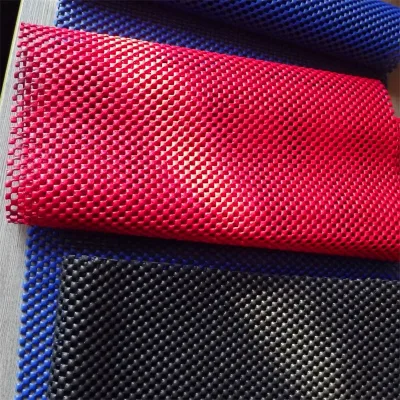
Waterproof Eco-Friendly PVC Foam Non Slip Rug Pad Anti-Slip Rug Pad Underlay Carpet
$0.50 - $1.50
MOQ: 1000 Square Meters


PVC Foaming Carpet Underlay Rug Pad Gripper Multipurpose Anti Slip Matting
$1.00 - $15.00
MOQ: 5000 Meters


Comprehensive Sourcing Guide
Modern Anti-Slip PVC Rug Pad Sourcing Guide
Procurement teams must first distinguish between the core keyword and the actual product attributes observed in the market. While the search term specifies PVC, the supplied data reveals a diverse inventory including wool, chemical fiber, and polyester constructions with latex or TPR backing. Buyers should verify that the specific "anti-slip" requirement is met by the backing material, such as diamond backing or latex, rather than assuming the face material is PVC. This distinction is critical because the functional performance of the rug pad depends heavily on the interaction between the pile material and the non-slip backing layer.
The observed product forms range from complete sets of universal size car floor mats to standard carpet rolls, indicating that the "rug pad" category often encompasses both automotive and architectural applications. Sourcing strategies must account for this variability by defining the exact usage environment, whether it is for commercial hotels, home exercise areas, or vehicle interiors. The presence of customization options for design and color suggests that buyers can tailor the product to specific branding or interior design needs, but this requires clear communication of the intended application to avoid receiving a mismatched product form.
Product Scope and Observed Listing Signals
Buyers should analyze the listing signals to understand the breadth of available customization and material options. The data indicates that customization is available for design, color, and dimensions, with specific mentions of needle-punched techniques and modern design aesthetics. This flexibility allows for tailored solutions, but it also introduces complexity in the specification process. Procurement teams must clearly define whether they require a standard rectangular form or a customized shape, as the standard specifications vary from 66*43cm to larger widths up to 4 meters.
The observed usage signals span a wide array of environments, including bathrooms, auto interiors, hotels, and outdoor commercial spaces. This versatility implies that the product must meet diverse performance criteria, such as being waterproof, stain-resistant, and wrinkle-resistant. Buyers need to cross-reference these features with their specific operational needs; for instance, a bathroom application requires high moisture resistance, while an automotive application demands durability against friction and temperature changes. The presence of multiple material types, from wool to chemical fiber, further necessitates a careful review of the surface material to ensure it aligns with the intended aesthetic and functional requirements.
Technical Specifications to Verify
Thickness and weight are primary technical parameters that directly influence the comfort and stability of the rug pad. The observed data lists thicknesses of 5mm and 6mm, with weight specifications ranging from 3.0kg to 4.0kg per square meter. Buyers must verify which thickness corresponds to their specific load-bearing requirements, as a heavier pad may offer better soundproofing and moisture protection but could be less suitable for low-profile flooring. It is essential to confirm that the selected weight and thickness combination meets the structural integrity needs of the installation surface without causing tripping hazards.
Width and maximum dimension capabilities are equally critical for large-scale commercial projects. The supply data indicates a standard width range of 1 to 4 meters, with some products reaching a maximum width of 3.66 meters. Procurement teams should verify if the supplier can accommodate the specific width requirements of their project to minimize seams and waste. Additionally, the product form, whether it is a roll or a complete set, must align with the logistics of the installation site. Confirming these dimensional constraints early prevents costly delays and ensures the product fits the designated space without requiring extensive on-site modification.
Compliance and Safety Documentation
Safety and compliance documentation are non-negotiable for products intended for commercial and residential use. The observed listings mention Reach certification and BSCI audit status, which are vital indicators of chemical safety and ethical manufacturing practices. Buyers must request current certificates to verify that the materials, particularly the backing and surface fibers, comply with relevant regional regulations regarding volatile organic compounds and heavy metals. Without these documents, there is a risk of non-compliance that could lead to legal liabilities or product recalls in the target market.
Beyond chemical safety, functional safety features such as anti-slip and anti-bacterial properties must be substantiated by test data. The product attributes highlight features like anti-slip backing and anti-bacterial treatments, which are crucial for environments like bathrooms and hotels. Procurement teams should ask for specific test reports that validate these claims, ensuring that the anti-slip performance remains effective under wet conditions and that the anti-bacterial treatment meets industry standards. Relying solely on marketing claims without verified documentation can result in product failure and potential safety incidents for end-users.
Cost Drivers and Commercial Terms
Material composition and customization levels are the primary drivers of cost in this product category. The data shows a mix of wool, chemical fiber, and polyester materials, each carrying different price points. Buyers should understand that natural materials like wool typically command a higher price than synthetic alternatives, while custom designs and specific color requirements can further increase the unit cost. It is essential to balance the desired aesthetic and functional attributes against the budget constraints to select the most cost-effective material solution that still meets performance standards.
Minimum Order Quantities (MOQ) and delivery terms significantly impact the total cost of ownership and cash flow planning. The observed MOQ ranges from 500 square meters to 1000 square meters, depending on the color and supplier, with some inquiries requiring specific size-based negotiations. Lead times are noted as 25 days after deposit or as agreed, and delivery is typically by sea. Procurement teams must factor these commercial terms into their inventory planning, ensuring that the order volume aligns with the MOQ to avoid excess inventory costs while securing the necessary lead time for project completion.
Supplier Qualification and Quality Control
Supplier qualification involves verifying the origin and production capabilities of the manufacturer. The data points to suppliers located in China, specifically mentioning Shandong Beidi Import and Export Trading Co., Ltd. as a potential origin. Buyers should conduct due diligence on the supplier's production capacity and history to ensure they can consistently meet the required volume and quality standards. Checking for BSCI audits and other certifications provides insight into the supplier's commitment to ethical labor practices and operational transparency, which are key indicators of a reliable long-term partner.
Quality control protocols must be established to ensure the product meets the specified technical and aesthetic requirements. The observed product forms include complete sets and rolls, each requiring specific inspection criteria for dimensions, weight, and surface finish. Buyers should implement a rigorous inspection plan that covers the needle-punched technique, the integrity of the diamond or latex backing, and the consistency of the color and design. Establishing clear acceptance criteria and conducting pre-shipment inspections can prevent the receipt of defective goods and ensure that the final product performs as expected in its intended application.
Long-Term Procurement Checks
Service life and durability are critical factors for long-term procurement success. The observed data mentions a service life of 10 years, which serves as a benchmark for evaluating the product's longevity. Buyers should verify this claim through warranty terms and historical performance data from existing clients. A product with a short service life may require frequent replacement, leading to higher total costs and operational disruptions. Ensuring that the product can withstand the intended usage conditions over an extended period is essential for maintaining a stable supply chain and minimizing maintenance expenses.
Sustainability and maintenance requirements also play a significant role in long-term procurement decisions. The product attributes include machine washable and stain-resistant features, which simplify maintenance and extend the product's usable life. Buyers should assess the ease of cleaning and the environmental impact of the materials used, particularly if the product is intended for eco-conscious markets. Establishing a maintenance schedule and ensuring that the cleaning methods do not degrade the anti-slip or anti-bacterial properties will help maintain the product's performance and appearance over its intended service life.
FAQs
What materials are used for modern anti slip rug pads?
Modern anti slip rug pads are typically made from chemical fiber or wool with latex, TPR, or singeing backing. These materials provide durability and grip. Some options include 100% polyester surfaces. The backing ensures the pad stays in place on various floor types while protecting the underlying surface from wear and damage over time.
Can I customize the size and design of the rug pad?
Yes, customization is available for both size and design. You can request specific dimensions within the width range of 1 to 4 meters. Custom designs and colors like black, beige, or grey are accepted. The manufacturer supports tailored specifications to meet unique project requirements, ensuring the product fits your exact spatial needs.
What is the minimum order quantity for these rug pads?
The minimum order quantity varies by supplier. Some require 500 square meters per color, while others may ask for 1000 square meters. Certain suppliers allow inquiries based on specific sizes. Buyers should confirm the exact MOQ with the vendor, as it depends on the material choice, customization level, and production capacity available.
How thick are the standard modern anti slip rug pads?
Standard thicknesses for these pads are typically 5mm or 6mm. This thickness provides adequate cushioning and soundproofing without adding excessive bulk. The specific thickness may vary based on the material composition and backing type. Buyers can often select the preferred thickness to balance comfort, durability, and aesthetic requirements for their specific installation.
Are these rug pads machine washable and stain resistant?
Yes, many modern anti slip rug pads are machine washable and stain resistant. This feature simplifies cleaning and maintenance for high-traffic areas. The materials used, such as chemical fiber or polyester, are chosen for their ease of care. This ensures the pads remain hygienic and visually appealing with minimal effort during regular household or commercial use.
What certifications do these rug pads typically hold?
These rug pads often hold certifications such as Reach and BSCI Audit. These certifications indicate compliance with safety and ethical manufacturing standards. Buyers can verify specific documentation with suppliers to ensure the products meet regional regulatory requirements. Certifications provide assurance regarding material safety and production practices, which is crucial for commercial and residential procurement projects.