Source Modern Detachable Shoe Rack for Home, Shop, and Office
Source a Modern Detachable Shoe Rack from 30 verified listings. Compare floor-mounted and wall-mounted options in wood and wire materials. Evaluate customization services, OEM capabilities, and packaging standards for retail or residential storage needs.
Key considerations
Products List


Modern Shoes Rack for Entryways Shoe Rack Cabinet Organizer Shoe Racks
$195.00 - $235.00
MOQ: 5 Pieces


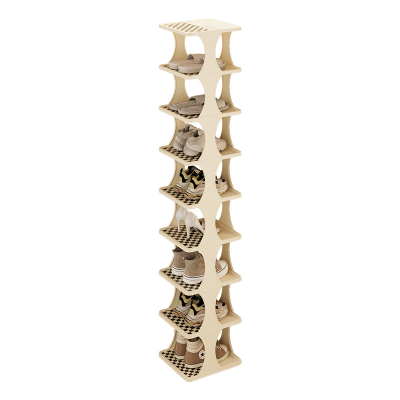


Easy-Find Plastic Shoe Storage Rack - Stackable & Detachable Entryway Solution
$0.86 - $1.01
MOQ: 1000 Pieces


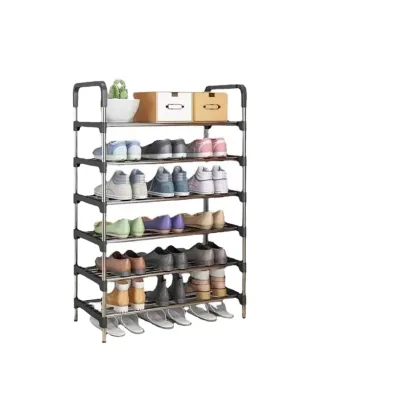


Metal Shoe Cabinet Portable Shoe Rack Steel Shoe Cabinet All Types of Shoe Racks
$20.00 - $35.00
MOQ: 10 Pieces

Comprehensive Sourcing Guide
Modern Detachable Shoe Rack Sourcing Guide
Sourcing modern detachable shoe racks requires a nuanced understanding of modular furniture design, where functionality meets aesthetic flexibility. The term "detachable" in this context often refers to modular components that can be assembled, disassembled, or reconfigured, allowing for versatile storage solutions in compact living spaces. Buyers must distinguish between truly modular systems that offer reconfigurability and simple knock-down (KD) furniture designed primarily for efficient shipping. The observed market signals indicate a strong preference for designs that are both floor-mounted and wall-mounted, suggesting a dual-purpose utility that appeals to space-conscious consumers in both residential and retail environments.
The procurement landscape for these items is characterized by a high degree of customization, with many suppliers offering OEM services and tailored design capabilities. This flexibility allows buyers to align the product with their specific brand identity, whether through logo placement, material selection, or dimensional adjustments. However, this customization comes with the need for rigorous specification management. Buyers must clearly define whether they require a standardized model with minor branding changes or a fully bespoke design, as this decision significantly impacts lead times, tooling costs, and minimum order quantities (MOQs).
Product Scope and Observed Listing Signals
The current market listings reveal a diverse range of shoe storage solutions that fall under the modern detachable category. Products are frequently described with keywords such as "collapsible," "foldable," and "multifunctional," indicating a focus on space-saving features. The observed product attributes highlight a variety of installation methods, including floor-mounted and wall-mounted options, with some models specifically designed for behind-door usage. This versatility suggests that buyers should evaluate the structural integrity and mounting requirements of each design to ensure it meets the intended application, whether it is for a hallway, entryway, or closet.
Material composition is a critical differentiator in this category, with wood being a prominent material in the observed listings. Wooden shoe racks often convey a sense of durability and premium quality, appealing to buyers looking for long-lasting furniture. However, the listings also mention specifications such as "9 wire" thickness, which may refer to metal wire components or specific structural elements within a mixed-material design. Buyers must verify the exact material composition and construction methods to understand the product's weight capacity, aesthetic appeal, and maintenance requirements. The presence of "glossy" technics suggests a finished surface that may require specific care instructions, which should be communicated to end-users.
Technical Specifications to Verify
Dimensional accuracy and tolerance are paramount when sourcing detachable furniture, as improper fit can lead to assembly issues and customer dissatisfaction. The observed data indicates a tolerance of +/- 0.10mm for certain customized products, which is a high standard for furniture manufacturing. Buyers should verify if this level of precision is standard across all models or specific to high-end custom orders. Additionally, single package sizes vary, with examples ranging from 508.529.5cm to 55X35X30 cm, highlighting the importance of optimizing packaging dimensions to reduce shipping costs and maximize container utilization.
The modular nature of these products requires careful attention to connection mechanisms and assembly instructions. Buyers should request detailed assembly diagrams and test the ease of detachment and reattachment for modular components. The observed "3 layers" specification for wall-mounted units suggests a specific configuration that may limit customization options. It is essential to confirm whether the detachable feature applies to the entire unit or just specific shelves or compartments. Furthermore, the "customized model number" attribute indicates that suppliers may use internal coding for variations, so buyers must establish a clear naming convention to avoid confusion in inventory management and order processing.
Compliance and Safety Documentation
While specific certifications like FSC are mentioned in the background, buyers must verify the actual certification status of the wood materials used in production. If sustainability is a key selling point, obtaining valid FSC or PEFC certification for the wood supply chain is crucial. Buyers should request copies of these certificates and ensure they cover the specific wood species and suppliers used in the manufacturing process. This verification helps mitigate the risk of greenwashing and ensures compliance with environmental regulations in target markets.
Safety documentation should also include structural integrity tests, particularly for wall-mounted units. Buyers should inquire about load-bearing capacity tests and anchoring requirements to prevent tipping hazards. For products marketed as "collapsible" or "foldable," it is important to verify that the locking mechanisms are secure and durable. Additionally, surface finish compliance with formaldehyde emission standards, such as CARB Phase 2 or E0/E1 ratings, should be confirmed to ensure indoor air quality safety. Buyers must ensure that all safety claims are backed by third-party test reports from accredited laboratories.
Cost Drivers and Commercial Terms
The cost of modern detachable shoe racks is influenced by several factors, including material quality, customization level, and packaging complexity. The observed MOQ range of 1-1000 pieces indicates flexibility for small businesses and startups, but buyers should be aware that lower MOQs may come with higher unit prices. Customization options, such as logo printing or unique dimensions, can add to the production cost due to setup fees and material waste. Buyers should negotiate clear pricing structures that separate tooling costs from unit prices to avoid hidden charges.
Packaging is another significant cost driver, with options ranging from simple brown cartons to more elaborate mail-order packaging. The choice of packaging affects not only the product's protection during transit but also the shipping volume and associated freight costs. Buyers should evaluate the trade-off between packaging quality and cost, considering the destination market's expectations for unboxing experience and product protection. Additionally, lead times for samples and bulk production should be factored into the total cost of ownership, as expedited services may incur premium charges.
Supplier Qualification and Quality Control
Supplier qualification should focus on their ability to handle customization and maintain consistent quality across production runs. Buyers should assess the supplier's design capabilities, particularly their experience with modular and detachable furniture designs. Requesting references from previous clients who have ordered customized products can provide insights into the supplier's reliability and communication effectiveness. Additionally, verifying the supplier's production capacity and equipment can help ensure they can meet volume requirements without compromising quality.
Quality control measures should be established before production begins, including clear acceptance criteria for dimensions, finish, and assembly. Buyers should consider implementing pre-shipment inspections to verify that the products meet the agreed-upon specifications. For customized orders, approving physical samples before mass production is essential to catch any design or manufacturing issues early. Establishing a robust quality control process helps minimize the risk of defects and returns, protecting the buyer's brand reputation and customer satisfaction.
Long-Term Procurement Checks
Long-term procurement success depends on building a sustainable supply chain that can adapt to changing market demands and regulatory requirements. Buyers should regularly review supplier performance metrics, including on-time delivery rates, defect rates, and responsiveness to issues. Establishing a continuous improvement dialogue with suppliers can lead to cost savings and product enhancements over time. Additionally, staying informed about trends in modular furniture design and consumer preferences can help buyers stay competitive and meet evolving customer needs.
Risk management should include diversifying the supplier base to mitigate the impact of supply chain disruptions. Buyers should also monitor changes in trade regulations, tariffs, and environmental standards that may affect sourcing decisions. Regular audits of supplier facilities and supply chain transparency can help ensure ethical sourcing practices and compliance with corporate social responsibility goals. By maintaining a proactive approach to supplier management, buyers can secure a reliable supply of high-quality modern detachable shoe racks that support their business growth and brand integrity.
FAQs
Can I customize the design of the Modern Detachable Shoe Rack?
Yes, customization is available for this product. The listing confirms that the style is modern and simple, with options for design, processing, assembly, and OEM services to meet specific buyer requirements.
What is the minimum order quantity for these shoe racks?
The minimum order quantity ranges from 1 to 5 pieces. This low MOQ allows buyers to test the product quality before committing to larger orders for home or shop usage.
How long does it take to receive a sample?
Samples can be delivered within 7 days. This quick lead time supports efficient evaluation of the product features, such as the storage function and floor or wall mounting options.
What materials are used to construct the shoe rack?
The product is constructed from wood. This material choice supports the multifunctional design, offering a sturdy structure suitable for both home and shop environments while maintaining a modern aesthetic.
Which installation methods are supported for this unit?
The unit supports both floor-mounted and wall-mounted installation. Buyers can choose the method that best fits their space, whether it is behind doors or on walls for storage.
What is the packaging standard for these items?
Packaging is available per customer request or in standard cartons. Specific listings mention brown cartons or mail order packaging, ensuring the product arrives safely for its intended storage or display use.