Source Modern Exterior Aluminum Security Gate for Homes, Apartments, and Commercial Buildings
Explore 30 listings for the Modern Exterior Aluminum Security Gate, comparing features like automatic operation, security ratings, and customization options. Buyers can evaluate specifications including thickness, surface treatment, and packing methods to find suitable suppliers.
Key considerations
Products List


Exterior Aluminum Fence Gate Design Sliding Gate Door with Remote for Entrance
$300.00 - $340.00
MOQ: 3 Meters

Premium Outdoor Aluminium Security Gate with Noise Reduction Features
$198.00 - $210.00
MOQ: 6 Square Meters


High Security Aluminum Fence Gate Durable Entrance Gate for Outdoor Garden Property
$800.00 - $1200.00
MOQ: 100 Square Meters


Exterior Garden Secure Aluminum Gate Customized Courtyard Easy Install Gate
$275.00 - $300.00
MOQ: 1 Pieces

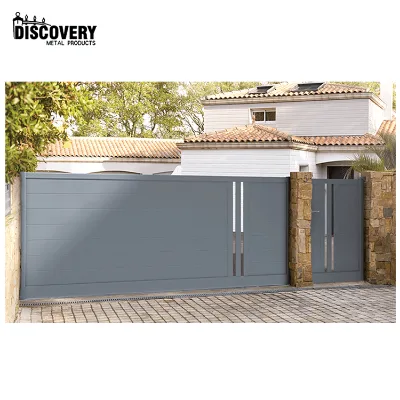


Aluminum Entrance Metal Gate Modern Design Security Gate with Custom Size
$45.00 - $62.00
MOQ: 10 Square Meters


Anti Rust Weatherproof Custom Aluminum Outdoor Security Entrance Gate
$145.00 - $180.00
MOQ: 2 Square Meters

Powder Coated Rustproof Aluminium Gate Durable Outdoor Security Gate
$145.00 - $180.00
MOQ: 2 Square Meters
Comprehensive Sourcing Guide
Modern Exterior Aluminum Security Gate Sourcing Guide
Sourcing modern exterior aluminum security gates requires a disciplined approach that balances aesthetic integration with rigorous performance standards. Buyers must navigate a market where "modern" styles often overlap with functional security requirements, necessitating clear definitions of what constitutes an acceptable product. The following guide outlines the critical verification steps, technical parameters, and commercial considerations necessary for successful procurement. By focusing on evidence-based selection criteria, procurement teams can mitigate risks associated with quality inconsistencies and compliance gaps.
This guide is structured to help buyers evaluate suppliers based on observable listing signals, technical specifications, and compliance documentation. It emphasizes the importance of verifying material grades, surface treatments, and operational mechanisms before committing to orders. The goal is to provide a comprehensive framework for making informed decisions that align with both security objectives and design preferences, ensuring that the final installation meets long-term durability and safety expectations.
Product Scope and Observed Listing Signals
The observed product landscape for modern exterior aluminum security gates reveals a diverse range of offerings, with prices ranging from $18 to $1,299 USD and minimum order quantities (MOQs) varying between 1 and 100 units. These wide ranges indicate a market segmented by customization levels, material thickness, and functional features. Buyers should interpret these signals as indicators of variability rather than fixed benchmarks, recognizing that higher prices often correlate with enhanced security ratings, custom designs, or specialized surface treatments. Understanding this spectrum helps in setting realistic budget expectations and identifying suppliers who align with specific project scales.
Listing attributes frequently highlight key differentiators such as automatic or swing opening styles, security ratings, and customization options for logos and packaging. Many suppliers offer products with a "Modern" or "American" style, often featuring aluminum alloy frames and fiberglass screen netting. These attributes suggest that buyers can tailor gates to specific architectural contexts, whether for residential or commercial use. However, the presence of multiple style descriptors requires careful verification to ensure the product matches the intended aesthetic and functional requirements, avoiding mismatches between marketing claims and actual product capabilities.
Technical Specifications to Verify
Technical verification begins with confirming the main material composition, which is typically aluminum plate or aluminum alloy. Buyers must specify the desired thickness of the door leaf, with observed listings indicating options such as 60mm, which can impact structural integrity and insulation properties. The frame construction is another critical factor, with knock-down steel frames or aluminum profiles being common choices. Understanding the frame type is essential for assessing ease of installation and long-term stability, especially in high-wind or high-traffic environments.
Surface treatment and finishing processes significantly influence the gate's durability and appearance. Observed specifications include fluorocarbon paint processes, powder coating, and galvanized finishes, each offering different levels of corrosion resistance and aesthetic appeal. Buyers should verify the specific surface treatment to ensure compatibility with the local climate and maintenance capabilities. Additionally, the filling material, such as polyfoam, honeycomb paper, or PE foaming agent, affects sound insulation and thermal performance, making it a crucial consideration for gates installed in noise-sensitive or temperature-variable areas.
Compliance and Safety Documentation
Compliance with relevant standards is paramount for security gates, particularly those intended for exterior use. Buyers should request documentation for certifications such as CE and ISO9001, which indicate adherence to quality management and safety standards. While some listings mention UL 325 or ASTM F2200, these should be treated as background references rather than guaranteed certifications. Buyers must verify the specific certification status with the supplier, ensuring that the product meets local regulatory requirements and industry best practices for security and operational safety.
Security ratings and functional attributes, such as anti-theft features and waterproof capabilities, should be validated through technical datasheets and test reports. The observed "A" security rating suggests a baseline level of protection, but buyers should inquire about additional testing for impact resistance, forced entry prevention, and operational reliability. For automatic gates, verifying compliance with safety standards for moving parts is essential to prevent accidents and ensure user safety. Documentation should clearly outline the product's performance under various conditions, providing confidence in its long-term reliability.
Cost Drivers and Commercial Terms
Cost drivers for modern exterior aluminum security gates include material quality, customization options, and surface treatment complexity. Buyers should analyze how these factors influence the final price, recognizing that custom sizes, colors, and logos may incur additional charges. The observed price range of $18 to $1,299 USD reflects this variability, with higher-end options likely featuring advanced security features, premium finishes, or automated mechanisms. Understanding these drivers helps in negotiating fair prices and avoiding unexpected costs during the procurement process.
Commercial terms, including payment methods, lead times, and packing standards, are critical for effective supply chain management. Observed terms include T/T payment methods, delivery times around 30 days, and packing options such as wood frames, plastic film, or bubble bags. Buyers should negotiate clear terms that align with their project timelines and budget constraints. Additionally, verifying the supplier's ability to handle custom packaging requirements can prevent damage during transit and ensure efficient installation upon arrival.
Supplier Qualification and Quality Control
Supplier qualification involves assessing the manufacturer's production capabilities, quality control processes, and track record. Buyers should verify the supplier's origin, with many listings indicating production in Foshan or Zhejiang, China, regions known for aluminum product manufacturing. Evaluating the supplier's experience with similar projects and their ability to provide customized solutions is essential for ensuring product quality and service reliability. Requesting references or case studies can provide insights into the supplier's performance and customer satisfaction levels.
Quality control measures should be clearly defined and agreed upon before placing orders. Buyers should inquire about the supplier's inspection processes, including pre-production samples, in-line inspections, and final product checks. Verifying the supplier's ability to provide detailed product specifications and technical support is crucial for resolving any issues that may arise during installation or use. Establishing a robust quality control framework helps in maintaining consistency and minimizing the risk of defects in the final product.
Long-Term Procurement Checks
Long-term procurement success depends on establishing ongoing relationships with suppliers who can provide consistent quality and support. Buyers should implement regular performance reviews to assess supplier reliability, product quality, and responsiveness to issues. Monitoring key performance indicators such as delivery times, defect rates, and customer service responsiveness can help in identifying areas for improvement and ensuring continuous value. Building a strong partnership with qualified suppliers can lead to better pricing, priority service, and access to new product innovations.
Continuous monitoring of market trends and technological advancements is essential for staying competitive and meeting evolving security needs. Buyers should stay informed about new materials, finishes, and security features that may enhance the performance of aluminum security gates. Engaging with industry forums, attending trade shows, and collaborating with technical experts can provide valuable insights and opportunities for improvement. By maintaining a proactive approach to procurement, buyers can ensure that their security infrastructure remains effective, durable, and aligned with best practices.
FAQs
What materials are used for modern exterior aluminum security gates?
These gates primarily utilize aluminum plate or aluminum alloy as the main material. Some designs incorporate fiberglass screen netting for ventilation. The door leaf thickness is typically 60mm, filled with polyfoam, honeycomb paper, or PE foaming agent for structural integrity and insulation.
Can modern exterior aluminum security gates be customized?
Yes, customization is available for these products. Buyers can request customized logo packaging and specific sizes. The design is described as new, fashionable, and customizable, allowing for tailored solutions to meet specific architectural or security requirements for exterior applications.
What certifications do these aluminum gates typically hold?
Products often hold CE certification and ISO9001 standards. These certifications indicate compliance with European safety and quality management systems. Buyers should verify specific documentation with suppliers to ensure the gates meet local regulatory requirements for security and structural performance in their target market.
How are modern aluminum security gates packaged for shipping?
Packaging methods vary by supplier but commonly include wood frames, wood boxes, or strong cartons with plastic film and bubble bags. Some use EPE foam inside and wood crates outside. Standard packing may also involve aluminum film to protect the fluorocarbon paint surface during transit.
What is the typical lead time for these gates?
The time of delivery is around 30 days for standard orders. This timeline applies to manufacturing and preparation before shipment. Buyers should confirm exact lead times with manufacturers, as customized sizes, colors, or specific packaging requirements may affect the production schedule and final delivery date.
What surface treatments are applied to aluminum security gates?
Gates often feature a fluorocarbon paint process for durability and weather resistance. Other treatments include powder coating and galvanized finishes. These processes ensure the aluminum frame and door leaf are protected against corrosion, maintaining the modern aesthetic and security function in exterior environments over time.