Source Modern Fabric Armchair for Hotel, Home, and Office
Compare 30 Modern Fabric Armchair options from verified manufacturers. Buyers can evaluate customization, dimensions, and lead times for hotel, home, and office applications with flexible MOQs and delivery schedules; compare the available evidence and request quotations based on your requirements.
Key considerations
Products List


Xijiayi Classic Traditional Bedroom Fabric Armchair for Modern Hotel and Living Room.
$128.00 - $268.00
MOQ: 10 Pieces


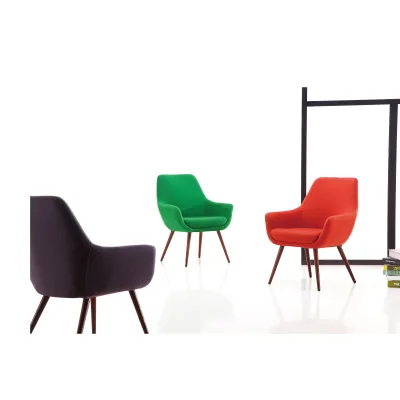


Stylish Modern Armchair for Living Rooms - Comfortable Wedding and Leisure Chair
$500.00 - $5000.00
MOQ: 1 Pieces


Modern Living Room Furniture Single Sofa Leisure Armchair with Stool Fabric Chair
$118.00 - $148.00
MOQ: 1 Pieces


Comprehensive Sourcing Guide
Modern Fabric Armchair Sourcing Guide
Procuring modern fabric armchairs requires balancing aesthetic flexibility with structural reliability, as observed in listings featuring customizable materials and varied dimensions. Buyers should note that while some models offer fixed armrests, others are designed without them, necessitating a clear definition of functional needs before engaging suppliers. The observed product range includes options for hotels, apartments, and offices, indicating that the core keyword applies to diverse commercial and residential environments where durability and style are paramount.
Verification of the supply chain origin is critical, as manufacturing hubs like Foshan and Ganzhou often dictate the specific production capabilities and material sourcing strategies available. While some listings indicate a "Manufacture" business type, confirming the actual factory location ensures alignment with logistics expectations and potential tariff implications. Buyers must distinguish between generic descriptions and specific model attributes, such as the UC-850 or HC166, to ensure the selected armchair meets the precise spatial and ergonomic requirements of the intended project.
Product Scope and Observed Listing Signals
The market for modern fabric armchairs presents a wide spectrum of customization options, ranging from specific fabric choices to fully tailored dimensions. Listings frequently highlight that the main material can be customized, allowing buyers to select upholstery that matches their interior design palette while maintaining the structural integrity required for high-traffic areas. This flexibility extends to the product shape and style, with modern rectangular designs being common, though variations in color and armrest configuration provide further differentiation for specific use cases.
Commercial signals in the listings reveal significant variability in minimum order quantities and delivery timelines, which directly impacts procurement planning. Some suppliers list an MOQ of 100 units, while others may accommodate smaller orders, and lead times can range from 20 to 45 days after deposit receipt. Buyers must carefully review these commercial terms to align their inventory strategy with supplier capacity, ensuring that the observed price ranges and packing methods, such as flat packages or cartons, do not introduce unexpected costs or logistical bottlenecks during the shipping phase.
Technical Specifications to Verify
Dimensional accuracy is a primary technical consideration, as observed specifications vary from 550500800mm to specific width and depth measurements like W57D62H79cm. Buyers must verify that the listed standard dimensions align with the physical constraints of the installation space, particularly for commercial settings where uniformity is essential. The weight capacity is another critical metric, with some models explicitly rated for 150kg, ensuring that the selected armchair can safely support intended users without compromising structural stability over time.
Material composition and finish details require rigorous validation to ensure longevity and comfort. While fabric options are often customizable, the underlying frame construction and the condition of the product, typically listed as new, must be confirmed through detailed technical drawings or samples. The folding status, whether fixed or unfolded, and the specific packing method, such as polyester bags or wooden crates, also influence the final product quality and protection during transit, making these specifications vital for preventing damage and ensuring the armchair arrives in pristine condition.
Compliance and Safety Documentation
Safety compliance for modern fabric armchairs often hinges on the structural integrity and fire resistance of the materials used, though specific certification statuses are not universally listed in the provided data. Buyers should request documentation verifying that the fabric and foam meet regional fire safety standards, especially for applications in hotels and schools where regulatory scrutiny is higher. The absence of explicit trade marks or standardized certification labels in some listings necessitates a proactive approach to verifying that the product adheres to local safety regulations before finalizing any purchase agreement.
Warranty terms serve as a proxy for manufacturer confidence in product durability, with observed warranties ranging from three to five years. A longer warranty period often indicates a higher standard of quality control and material selection, providing buyers with greater assurance against premature wear or structural failure. It is essential to clarify the scope of the warranty, including what constitutes a defect versus normal wear and tear, to ensure that the protection offered aligns with the expected lifespan of the furniture in its specific application environment.
Cost Drivers and Commercial Terms
Pricing for modern fabric armchairs is frequently dynamic, often determined by the quantity ordered rather than a fixed unit cost. This variable pricing structure means that buyers can negotiate better rates by consolidating orders, but they must also account for the potential impact of customization on the final price. The observed price range of 9.31 to 5000 USD highlights the vast difference between basic models and highly customized, premium configurations, requiring a clear budget allocation strategy that balances cost with desired features.
Logistics and packaging represent significant cost drivers that are often overlooked in initial price comparisons. The choice between flat packaging with wood crates and standard carton packing affects both the shipping volume and the risk of damage during transit. Additionally, lead times of 20 to 45 days after deposit receipt influence cash flow and project scheduling, meaning that buyers must factor in the time value of money and potential storage costs when evaluating the total cost of ownership for their procurement project.
Supplier Qualification and Quality Control
Supplier qualification should prioritize manufacturers with a proven track record in producing furniture for the specific sectors targeted, such as hotels or offices. The observation of "Manufacture" as a business type suggests direct factory access, which can reduce intermediary costs and improve communication regarding production timelines. However, buyers must verify the supplier's capacity to handle custom orders, as the ability to customize materials and dimensions requires robust internal processes and quality assurance protocols to maintain consistency across large batches.
Quality control measures must be explicitly defined in the procurement agreement to mitigate the risk of receiving substandard products. Given the variability in observed specifications, such as different weight capacities and dimensions, implementing a pre-shipment inspection is crucial to ensure that the delivered armchairs match the agreed-upon samples and technical drawings. Buyers should also confirm the supplier's ability to provide detailed production updates and address any deviations from the standard or customized requirements before the final delivery is scheduled.
Long-Term Procurement Checks
Establishing a long-term relationship with a supplier requires regular performance reviews based on delivery reliability, product consistency, and responsiveness to issues. The observed lead times and warranty periods provide a baseline for evaluating supplier performance, but ongoing checks should include monitoring the consistency of fabric quality and structural integrity across multiple production runs. This proactive approach helps identify potential supply chain vulnerabilities early, ensuring that the procurement of modern fabric armchairs remains stable and cost-effective over the long term.
Future-proofing the procurement strategy involves maintaining flexibility to adapt to changing design trends and material availability. As the market for modern furniture evolves, buyers should regularly reassess their specifications to ensure they remain competitive and aligned with current consumer preferences. By maintaining open communication with suppliers and staying informed about industry developments, buyers can ensure that their inventory of modern fabric armchairs continues to meet the evolving needs of their clients and end-users.
FAQs
Can I customize the main material for modern fabric armchairs?
Yes, the main material can be customized to meet your specific needs. This flexibility allows buyers to select fabrics that match their interior design requirements while ensuring the product remains suitable for various settings like hotels and offices.
What is the lead time for manufacturing these armchairs?
The standard lead time is 30 to 45 days after receiving the deposit. This duration applies to the manufacturing process and ensures that quality control measures are maintained before the final shipment of the furniture items.
Which locations are the primary origins for these products?
Products originate from multiple locations including Foshan, Ganzhou, and Tianjin in China. These regions are known for their manufacturing capabilities, offering a variety of options for buyers seeking modern fabric armchairs with different specifications and styles.
How much weight can the modern fabric armchairs support?
The weight capacity for these armchairs is up to 150 kilograms. This specification ensures durability and safety for users in various environments such as hotels, apartments, and offices where heavy usage is expected on a daily basis.
What is the minimum order quantity for these armchairs?
The minimum order quantity varies, with some models requiring 100 units while others start at just one unit. Buyers should check specific product models to determine the exact MOQ required for their purchase order and budget planning.
Can I get OEM or ODM services for these armchairs?
Yes, OEM and ODM services are available for customization. This allows businesses to have their own branding or specific design modifications applied to the modern fabric armchairs, ensuring the final product aligns perfectly with their corporate identity.
What is the warranty period for these furniture items?
Warranty periods range from 3 to 5 years depending on the specific model selected. This coverage provides assurance regarding the durability and quality of the armchairs, protecting the buyer against potential manufacturing defects during the specified timeframe.