Source Modern K9 Crystal Ceiling Light for Hotels, Homes, and Restaurants
Explore 30 options for modern k9 crystal ceiling light suitable for hotels, luxury homes, and restaurants. Compare specifications such as LED light types, crystal and iron body materials, and contemporary designs to find the right fit for your project; compare the available evidence and request quotations based on your requirements.
Key considerations
Products List




Comprehensive Sourcing Guide
Modern K9 Crystal Ceiling Light Sourcing Guide
Sourcing modern K9 crystal ceiling lights requires a disciplined approach to balancing aesthetic appeal with technical reliability. Buyers must navigate a market where visual design often overshadows critical performance metrics. The term "K9" typically denotes high-clarity lead-free crystal, offering superior light refraction compared to standard glass alternatives. However, procurement teams should verify material composition claims directly with suppliers, as terminology can vary across manufacturing regions. This guide focuses on evidence-based verification steps to ensure that the final installation meets both design intent and operational safety standards.
The procurement process begins with defining the specific application environment, whether it is a luxury residential space, a high-end hotel lobby, or a commercial restaurant. Each setting imposes different demands on luminance, durability, and maintenance access. Modern designs often feature contemporary or traditional aesthetics, requiring careful selection of finish and form factor. Buyers should prioritize suppliers who provide detailed lighting solutions services, including circuitry design and project installation support, to ensure seamless integration into complex architectural plans.
Product Scope and Observed Listing Signals
The current market for modern crystal ceiling lights exhibits a wide variance in pricing and minimum order quantities. Observed listing signals indicate a price range from one to over fifteen hundred US dollars, reflecting differences in crystal quality, fixture size, and included components. Minimum order quantities typically span from single units to thirty pieces, allowing flexibility for both sample testing and bulk procurement. Buyers should interpret these ranges as indicators of supplier tier rather than fixed market rates, negotiating terms based on volume commitments and customization requirements.
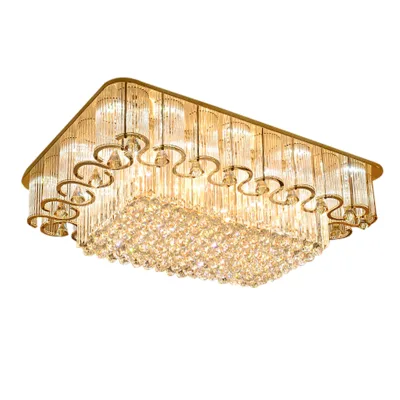
Product attributes observed in listings often include specific dimensions, such as diameters of five hundred or six hundred millimeters, and various lamp holder types like E14, E26, or E27. Some listings specify LED strip integration, while others rely on traditional bulb sockets. The body material is frequently described as a combination of iron and crystal, with finishes ranging from polished gold to other custom colors. Procurement teams must cross-reference these observed attributes with actual product samples to confirm that the visual style matches the intended design scheme, particularly when dealing with contemporary or traditional design styles.
Technical Specifications to Verify
Technical verification is critical for ensuring the longevity and performance of crystal lighting fixtures. Buyers should confirm the input voltage range, which typically spans from eighty-five to two hundred sixty-five volts AC, ensuring compatibility with local power grids. It is essential to verify the actual lighting source specifications, including wattage limits and luminous flux, which may range around five thousand lumens for larger fixtures. The color temperature, often observed at three thousand five hundred Kelvin for warm white, should be selected based on the desired ambiance of the application space.
Durability metrics such as lifespan and working temperature range must be explicitly stated in technical datasheets. A typical expected lifespan for modern LED-integrated crystal lights is approximately thirty thousand hours, provided the operating environment remains within specified limits, often between negative thirty-five and fifty-five degrees Celsius. Buyers should also verify the support for dimmers and control modes, as these features significantly impact user experience and energy efficiency. Ensuring that the lamp holder type matches the intended bulb configuration prevents installation errors and potential electrical hazards.
Compliance and Safety Documentation
Compliance with international safety standards is non-negotiable for electrical lighting products. Buyers must request valid certification documents, such as CE, RoHS, and CCC, which indicate adherence to European and Chinese safety and environmental regulations. Additional certifications like EMC, LVD, SAA, and VDE may be required depending on the target export market. These documents verify that the electrical components, including wiring and drivers, meet rigorous safety thresholds to prevent fire hazards and electromagnetic interference.
Beyond electrical safety, material compliance is equally important, particularly regarding the crystal and metal components. RoHS certification ensures that hazardous substances are limited in the manufacturing process. Buyers should also verify that the supplier provides a clear warranty period, which often ranges from three to ten years for different components. A color guarantee of three years is sometimes offered, indicating confidence in the finish durability. Procurement teams must ensure that all documentation is current and issued by recognized testing bodies to facilitate smooth customs clearance and regulatory approval.
Cost Drivers and Commercial Terms
Several factors influence the total cost of ownership for modern crystal ceiling lights. The primary cost drivers include the quality and quantity of crystal elements, the complexity of the iron frame design, and the type of LED components used. Customization options, such as specific colors or dimensions, can significantly increase production costs and lead times. Buyers should anticipate delivery dates of twenty-five to thirty days after deposit payment, as ensuring quality often requires careful handling and assembly processes.
Commercial terms should clearly define packaging standards to prevent damage during transit. Products are typically packed in cartons with foam inside or wooden crates for larger fixtures. The single package size and gross weight, often around ten kilograms for medium-sized units, impact shipping costs and handling requirements. Buyers should negotiate payment terms that protect their interests, such as partial payments upon production completion. Understanding the on-demand custom standards allows for accurate budgeting, especially when dealing with non-standard sizes or unique design requirements.
Supplier Qualification and Quality Control
Supplier qualification involves assessing manufacturing capabilities and quality control processes. Buyers should verify the supplier's origin, with many reputable manufacturers located in industrial hubs like Zhongshan, China. It is crucial to evaluate their experience in producing lighting solutions services, including lighting and circuitry design. Suppliers with in-house engineering teams are better equipped to handle complex customization requests and provide technical support throughout the project lifecycle.
Quality control measures should include pre-shipment inspections and functional testing of all electrical components. Buyers should request sample units to verify the actual crystal clarity, finish quality, and light distribution. Checking the consistency of the polished gold finish or other color options is essential for large orders. Suppliers should provide a clear defect rate policy and replacement procedures. Establishing a strong relationship with a qualified supplier ensures consistent product quality and reliable after-sales support, which is vital for long-term procurement success.
Long-Term Procurement Checks
Long-term procurement success depends on establishing robust maintenance and support protocols. Buyers should confirm the availability of spare parts, such as replacement LED strips or lamp holders, to extend the fixture's operational life. The warranty period, which may vary from three to ten years, should be clearly documented in the purchase agreement. Understanding the scope of the warranty, including coverage for color fading or electrical failures, protects the buyer from unexpected replacement costs.
Regular performance monitoring is recommended to ensure that the lighting fixtures continue to meet design and efficiency standards. Buyers should track the actual luminous flux and color temperature over time to identify any degradation issues. Maintaining open communication with the supplier for technical updates or design improvements can enhance future procurement cycles. By focusing on these long-term checks, buyers can maximize the value of their investment in modern K9 crystal ceiling lights, ensuring sustained aesthetic and functional performance in their applications.
FAQs
What certifications are available for modern k9 crystal ceiling lights?
Certifications typically include CE, RoHS, CCC, CQC, EMC, LVD, SAA, and VDE. These ensure compliance with international safety and environmental standards. Buyers should verify specific certificates with suppliers to match local regulatory requirements for hotel or residential installations.
Can modern k9 crystal ceiling lights be customized for specific projects?
Yes, customization is available for dimensions, colors, and lighting solutions. Suppliers offer on-demand custom standards and lighting circuitry design services. This allows buyers to tailor the contemporary or traditional style to fit specific conference rooms, restaurants, or luxury home interiors.
What is the typical lead time for ordering modern k9 crystal ceiling lights?
The delivery date is generally 25-30 days after the deposit payment. This timeframe guarantees quality control during manufacturing. Buyers should plan their project schedules accordingly, especially for large orders requiring specific packaging like carton with foam or wooden crates.
What voltage options are supported by modern k9 crystal ceiling lights?
Input voltage ranges from AC85-265V or 90V-260V, accommodating global power standards. Some models support 12V input. This wide voltage range ensures compatibility with various electrical systems in hotels, restaurants, and living rooms without requiring additional transformers for most applications.
What is the warranty period for modern k9 crystal ceiling lights?
Warranty periods vary, with options including 3 years, 6 years, or 10 years. The color guarantee is often 3 years. Buyers should confirm the specific warranty terms with the manufacturer to ensure adequate protection for the LED light source and crystal components.
How are modern k9 crystal ceiling lights packaged for shipping?
Products are packed in cartons with foam inside or wooden crates for extra protection. This packaging ensures the crystal and iron body remain undamaged during transit. Single package sizes vary, such as 110x80x20 cm, to accommodate different dimensions like D500mm or D600mm.