Source Modern Manicure Table and Chair Set for Salons
Explore 30 options for a modern manicure table and chair set designed for professional nail salons, workshops, and home offices. Compare features like dust collectors, adjustable heights, and durable materials to find the right fit for your business needs; compare the available evidence and request quotations based on your requirements.
Key considerations
Products List
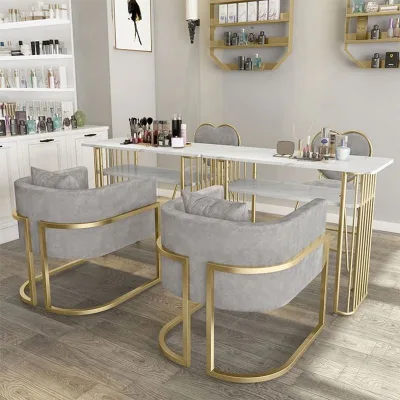
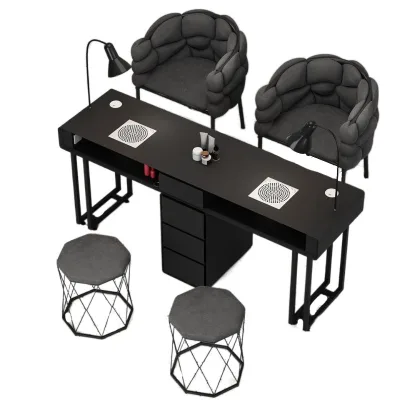

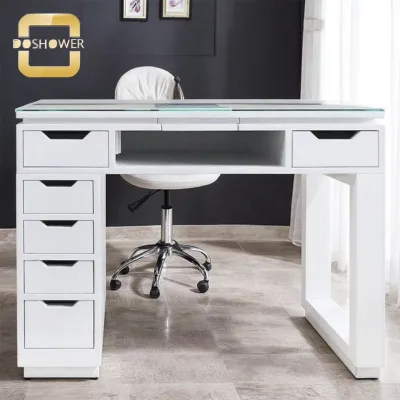

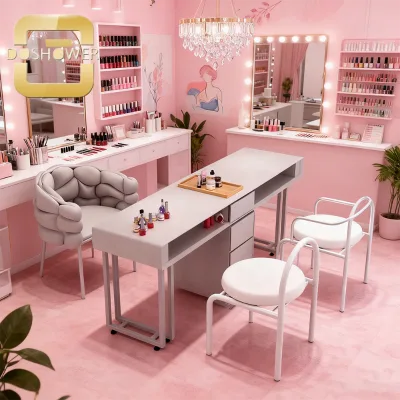



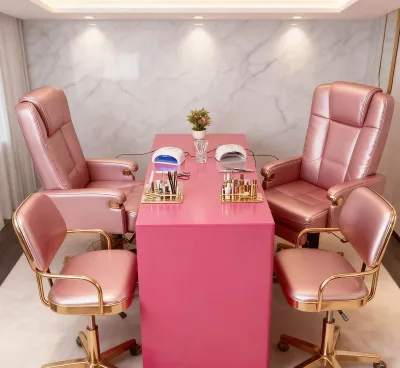
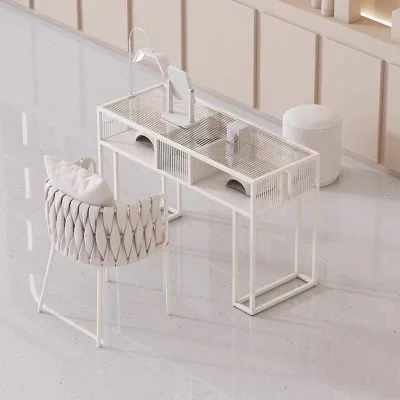
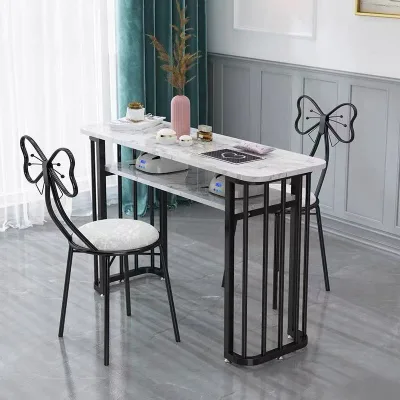
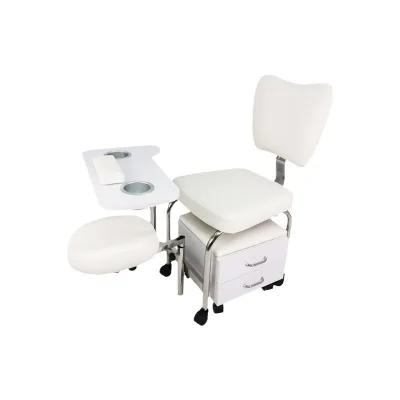



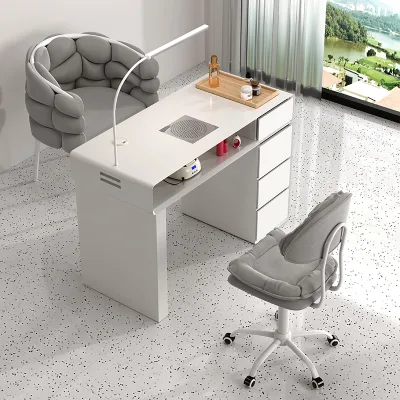
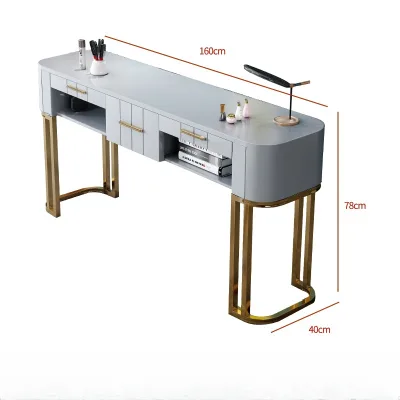
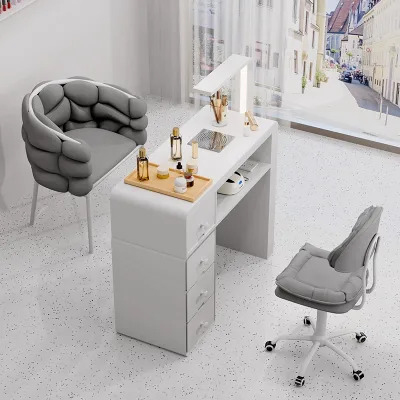
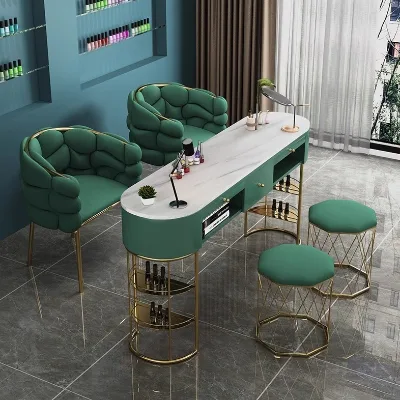

Comprehensive Sourcing Guide
Modern Manicure Table and Chair Set Sourcing Guide
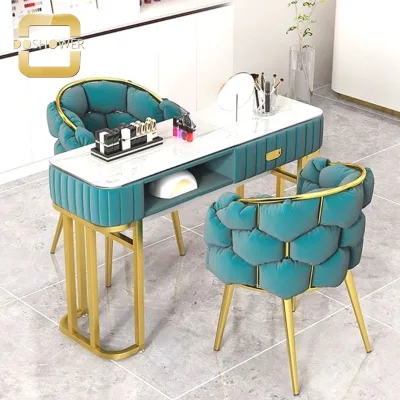
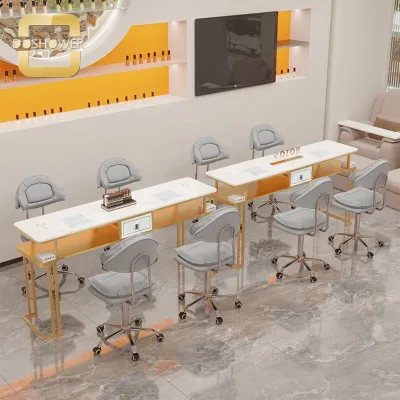
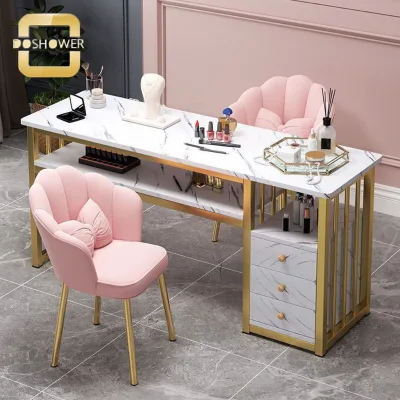
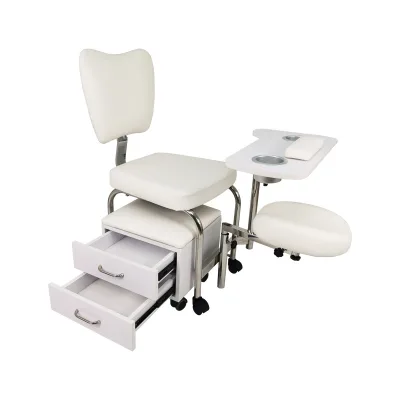
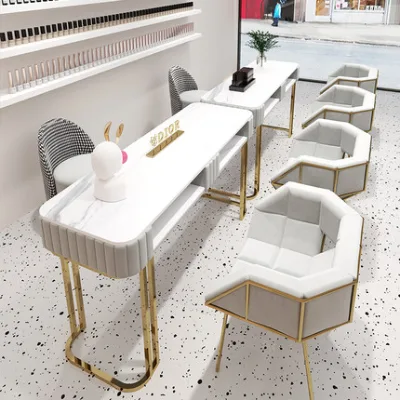
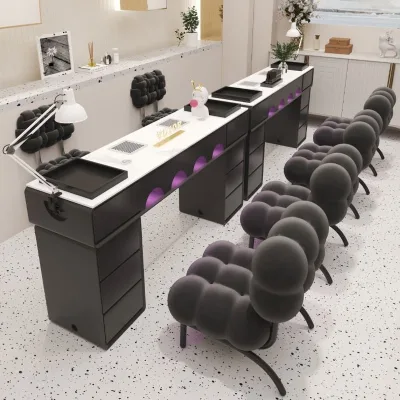
Procuring a modern manicure table and chair set requires distinguishing between versatile commercial units and specialized salon furniture designed for specific workflows. The observed market includes options ranging from compact plastic models suitable for workshops to heavy-duty marble-top stations intended for high-end nail salons. Buyers must first define whether the primary use case is a mobile setup for events or a permanent installation in a fixed commercial space, as this decision dictates the necessary structural integrity and feature set.
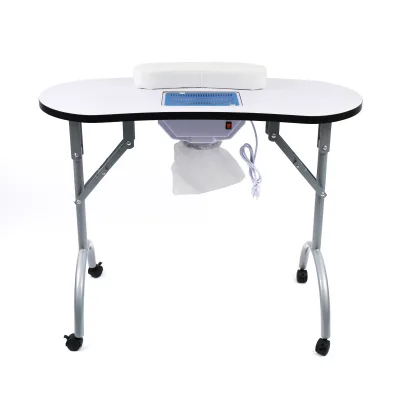
The product landscape reveals distinct variations in material composition, with some units constructed from durable plastic while others utilize wood or marble tabletops to enhance aesthetic appeal and stain resistance. Observations indicate that certain models feature integrated ventilation systems and dust collectors, which are critical for maintaining air quality in enclosed salon environments. Understanding these material and functional differences is essential before engaging with suppliers, as the choice between a simple white table and a complex vacuum-equipped station significantly impacts both the initial investment and long-term operational efficiency.
Product Scope and Observed Listing Signals
Buyers should verify the specific application context of each listing, as products are frequently marketed for diverse environments ranging from home offices and malls to professional workshops and dedicated nail salons. The data shows that some units are explicitly designed as multifunctional nail spa stations, while others serve as general commercial furniture with a contemporary design style. This variation means that a single product listing might not satisfy all operational needs, requiring careful scrutiny of the "specific use" and "general use" attributes to ensure alignment with the intended business model.
Listing signals also highlight significant differences in physical dimensions and packaging, which directly influence logistics and floor space planning. Observed specifications include standard sizes like 90x40x72.5 cm alongside fully customizable options, with some units folding for transport and others arriving as single heavy packages. The presence of features such as light accessories, dust collectors, and height adjustability further segments the market, necessitating that buyers cross-reference these specific attributes against their operational requirements rather than relying on generic product titles.
Technical Specifications to Verify
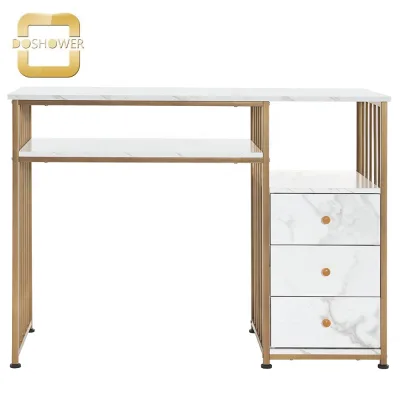
Technical due diligence must begin with a rigorous check of material specifications, as the observed inventory includes plastic, wood, and marble tabletops, each offering distinct durability and maintenance profiles. Buyers should confirm the exact composition of the tabletop and frame, ensuring that materials like marble are genuinely stain-resistant and that wooden components have appropriate surface finishes like paint to withstand frequent chemical exposure. Verifying the structural integrity of the frame is equally important, particularly for units claiming to be portable or foldable, as these features often introduce potential weak points in the overall design.
Functional specifications regarding storage and utility features require precise validation to avoid purchasing units that lack necessary capabilities. The market data indicates a split between models with drawers and those without, alongside units featuring integrated lighting and ventilation systems. Procurement teams must explicitly confirm the presence of drawers, the type of lighting included, and the efficacy of dust collection mechanisms, as these elements are often critical for a smooth manicure workflow. Additionally, verifying the size constraints and whether the unit is standard or customizable is vital for ensuring it fits the designated salon layout.
Compliance and Safety Documentation
Safety compliance is a non-negotiable aspect of sourcing salon furniture, particularly when units include electrical components like integrated UV lamps or lighting systems. Buyers must request valid certification documents, such as CE marks, to ensure that electrical parts meet regional safety standards and do not pose fire or shock hazards. While some listings explicitly mention CE certification, it is imperative to verify the authenticity of these documents and ensure they cover the specific electrical accessories included with the table, rather than assuming the certification applies to the entire furniture assembly.
Beyond electrical safety, documentation regarding material safety and structural stability is essential for protecting both the business and its clients. Although specific test results are not universally provided in listings, buyers should demand proof that materials used, such as paints and finishes, comply with relevant environmental and health regulations. Ensuring that the furniture is free from harmful substances and that the design supports safe usage without tipping or collapsing is a critical step in the qualification process, especially for units intended for high-traffic commercial environments.
Cost Drivers and Commercial Terms
The final cost of a modern manicure table and chair set is heavily influenced by material choices, with marble and wood typically commanding higher prices than plastic alternatives. Buyers should anticipate a wide price range based on these material differences, as well as the inclusion of complex features like ventilation systems and dust collectors. Understanding that the observed price spectrum spans from budget-friendly basic units to premium, feature-rich stations allows for more accurate budgeting and prevents unexpected cost overruns during the negotiation phase.
Commercial terms, including minimum order quantities and packaging logistics, play a significant role in the total cost of ownership and should be clarified before finalizing any agreement. The market data suggests that some suppliers offer flexible MOQs, while others require purchasing in multiples or specific batch sizes. Additionally, the physical dimensions and weight of the packages, which can vary significantly from compact units to heavy, bulky shipments, directly impact shipping costs and handling requirements, making it essential to factor these logistical expenses into the overall procurement budget.
Supplier Qualification and Quality Control
Supplier qualification should focus on verifying the origin and manufacturing capabilities of the provider, as the majority of observed listings originate from Guangdong, China. Buyers must assess the supplier's ability to consistently produce units that match the described specifications, particularly regarding the finish quality and structural durability of the furniture. Requesting samples or detailed production photos is a prudent step to ensure that the actual product matches the marketing images, especially concerning the color options and surface finishes like paint or marble textures.
Quality control protocols must be established to ensure that every unit received meets the agreed-upon standards for durability and functionality. Given the variation in features such as drawers, lighting, and ventilation, a clear inspection checklist is necessary to verify that all components are present and operational upon delivery. Buyers should also inquire about the warranty terms, as the observed data indicates a standard one-year warranty for some models, which serves as a baseline for post-purchase support and recourse in case of manufacturing defects.
Long-Term Procurement Checks
Long-term procurement success depends on establishing a reliable supply chain that can consistently deliver high-quality units over time. Buyers should prioritize suppliers who demonstrate a track record of maintaining consistent product specifications and who are willing to provide ongoing support for repairs or replacements. Building a relationship with a supplier that understands the specific needs of the salon industry ensures that future orders can be fulfilled with the same level of quality and attention to detail as the initial purchase.
Regular performance reviews of the furniture in use are essential to identify any recurring issues or areas for improvement in future orders. Monitoring how well the tables withstand daily wear, the effectiveness of dust collection systems, and the durability of the surface finishes will provide valuable data for refining future procurement strategies. By maintaining a feedback loop with both the end-users and the supplier, businesses can ensure that their investment in modern manicure table and chair sets continues to deliver value and operational efficiency for years to come.
FAQs
What materials are used for modern manicure table and chair sets?
These sets typically use wood, plastic, or marble for the tabletop. The DS-M15 model features a wood construction with a painted surface finish. The DS-N127 variant utilizes a marble top for durability. Plastic options like the W-EMT-0081 offer lightweight portability. Buyers should verify the specific material composition based on their salon's aesthetic and functional requirements.
Can modern manicure table and chair sets be customized in size?
Yes, several models offer customized size options to fit specific salon layouts. The DS-N127 and DS-N131 models explicitly accept customized dimensions. Standard sizes like 90*40*72.5 cm are also available for immediate deployment. Customization allows for tailored workspace efficiency. Buyers must confirm exact dimensions with suppliers before ordering to ensure proper fit.
Which certifications are available for modern manicure table and chair sets?
CE certification is available for compliant modern manicure table and chair sets. This ensures adherence to specific safety and quality standards for commercial use. Buyers should request valid CE documentation from suppliers during the sourcing process. This verification helps mitigate compliance risks. Always confirm the current certification status directly with the manufacturer before finalizing procurement agreements.
How does the packaging affect shipping for modern manicure table and chair sets?
Packaging dimensions vary by model, impacting shipping costs and handling. The W-EMT-0081 has a package size of 97X22X46 cm per batch. The DS-N131 measures 60X60X60 cm per single package. These dimensions help calculate freight volume accurately. Buyers should review specific packaging data to optimize logistics and storage space in their facilities.
What features define a durable modern manicure table and chair set?
Durable sets often feature stain-resistant surfaces, dust collectors, and robust construction. The DS-N127 includes a dust collector and manicure nail bar functionality. Marble tops offer stain resistance and longevity. Plastic models provide lightweight durability. Buyers should prioritize features like ventilation and sturdy frames to ensure long-term performance in high-traffic salon environments.
What is the typical gross weight for modern manicure table and chair sets?
Gross weights vary significantly based on materials and design. The W-EMT-0081 weighs 12.500 kg per batch. The DS-N131 has a single gross weight of 60.000 kg. Heavier items like marble tables require careful handling. Buyers should use these weight figures to plan warehouse storage and loading procedures efficiently.