Source Adjustable Armrest Bar Stool for Bars, Pubs, and Restaurants
Source 30 Adjustable Armrest Bar Stool models featuring synthetic leather seats, iron frames, and high-density foam padding. Compare specifications for rotary or fixed bases, custom colors, and OEM branding options to find the right fit for your commercial or home venue.
Key considerations
Products List


PU Leather Seat Low Back Swivel Adjustable Bar Chair Stool Without Armrest
$20.00 - $22.00
MOQ: 200 Pieces


Modern Colorful Cooling Wholesale Price High Plastic Bar Stool with Armrest
$15.99 - $19.99
MOQ: 200 Pieces


$30.00 - $100.00
MOQ: 100 Pieces


Comfortable Bar Stool Featuring Lacquer Finish Moisture Resistance Furniture
$50.00 - $300.00
MOQ: 1 Sets
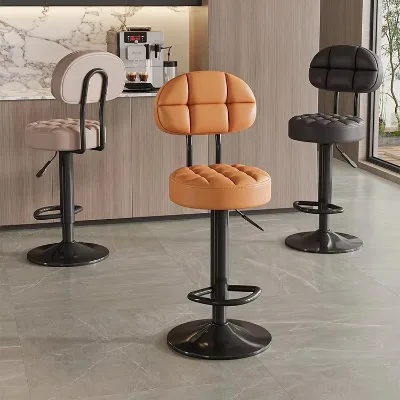


High-Fabric Bar Stool with Backrest and Sturdy Metal Legs - Modern Comfort for Your Bar Area
$500.00 - $1500.00
MOQ: 1 Pieces

Modern Padded Bar Stool Comfortable Design with Elegant Armrests and Metal Legs
$300.00 - $1000.00
MOQ: 1 Pieces

Comprehensive Sourcing Guide
Adjustable Armrest Bar Stool Sourcing Guide
Sourcing adjustable armrest bar stools requires a careful balance between ergonomic functionality and structural durability, particularly for high-traffic commercial environments. Buyers must prioritize models that offer reliable height adjustment mechanisms, as these are central to the product’s utility in bars, pubs, and restaurants. The presence of armrests adds a layer of comfort and support, but it also introduces additional mechanical components that must withstand frequent use. Understanding the specific adjustment type, whether rotary or fixed, is essential for matching the product to the intended user experience and operational demands.
The market offers a variety of configurations, including options with or without armrests, which allows for flexible procurement strategies. Synthetic leather and plastic materials are common, each offering distinct aesthetic and maintenance profiles. Buyers should evaluate the frame construction, often made of iron, to ensure stability and longevity. The ability to customize colors and styles further enhances the appeal for interior designers and facility managers looking to create cohesive environments. This guide outlines the critical factors to consider when selecting and procuring these specialized seating solutions.
Product Scope and Observed Listing Signals
The observed product range includes models such as BC-063, BC-068, BC-069, BC-073, and BC-001, indicating a diverse portfolio of bar stools. These listings signal a strong emphasis on customization, with options for synthetic leather or plastic materials and various armrest configurations. The presence of both rotary and fixed rotation features suggests that buyers can choose based on specific mobility requirements. High-density foam padding is a common feature, ensuring comfort during extended periods of use, which is critical for hospitality settings.
Listing details reveal significant variation in packaging and dimensions, reflecting different logistical needs. For instance, some models are packed two pieces per carton, while others may accommodate five, impacting shipping efficiency and cost. The observed price range of 1.65 to 1500 USD highlights the disparity between basic and premium configurations. Buyers should note that while some listings mention specific standards like SGS or Intertek, these are not universal across all models. Verifying the exact specifications for each SKU is necessary to avoid mismatches between expectation and delivery.
Technical Specifications to Verify
Dimensional accuracy is paramount when specifying bar stools, as they must fit seamlessly into existing counter or bar layouts. Standard dimensions often range around W460D500H920-H1120 mm, but variations exist, such as the BC-063 model with specific height adjustments. Buyers must verify the seat height and overall footprint to ensure compatibility with their furniture. The weight of individual units, typically around 6.5kg, influences handling and installation processes. Confirming these metrics prevents spatial conflicts and ensures optimal user ergonomics.
The structural integrity of the iron frame and backrest is a key technical consideration. Models like BC-068 and BC-069 emphasize robust construction, often utilizing five-layer exporting cartons for protection. The disassembly feature is another critical specification, facilitating easier storage and transportation. Buyers should inquire about the maximum load capacity and the durability of the adjustment mechanisms. Ensuring that the rotary or fixed functions operate smoothly after repeated use is essential for long-term satisfaction and reduced maintenance costs.
Compliance and Safety Documentation
Safety compliance is non-negotiable for commercial furniture, particularly in public venues like bars and restaurants. Buyers should request documentation verifying that products meet relevant international safety standards, such as SGS, Intertek, or BV, where applicable. These certifications provide assurance that the materials and construction processes adhere to strict quality and safety protocols. Without such documentation, there is a risk of non-compliance with local regulations, potentially leading to legal liabilities and operational disruptions.
Material safety is another critical aspect, especially regarding the synthetic leather and foam padding used in these stools. Buyers must ensure that these materials are free from harmful chemicals and meet flammability standards. The HS code 940139000 indicates the product category, but specific country import regulations may require additional declarations. Verifying the origin of materials and the manufacturing process helps mitigate risks associated with hazardous substances. This due diligence protects both the buyer and the end-users from potential health hazards.
Cost Drivers and Commercial Terms
The cost of adjustable armrest bar stools is influenced by material choices, customization levels, and order volume. The observed MOQ of 200 pieces or mixing models to fill a container suggests that economies of scale play a significant role in pricing. Buyers should negotiate based on their volume commitments, as larger orders often yield better unit prices. The payment terms, typically involving a 30% deposit and balance against the bill of lading, are standard but should be clearly defined to avoid cash flow issues.
Lead times vary, generally ranging from 15 to 30 days after receiving the deposit, depending on the complexity of the order. Buyers must account for these timelines in their procurement planning to avoid stockouts. Shipping costs, determined by package dimensions and weight, also impact the total landed cost. For instance, a volume of 0.58cbm per piece affects container utilization. Understanding these commercial terms allows for accurate budgeting and prevents unexpected expenses during the procurement process.
Supplier Qualification and Quality Control
Supplier qualification is crucial for ensuring consistent quality and reliable delivery. Buyers should verify the supplier’s production capabilities, particularly their ability to handle customization requests for colors and styles. The presence of OEM branding indicates flexibility in meeting specific brand requirements. Assessing the supplier’s quality control processes, including pre-shipment inspections, helps mitigate the risk of defects. Requesting samples before placing bulk orders is a prudent step to evaluate product quality firsthand.
Quality control should extend to packaging and labeling, as these affect the product’s condition upon arrival. The use of export-standard cartons is a positive indicator of care in handling. Buyers should establish clear acceptance criteria for defects and damage, ensuring that the supplier is accountable for any issues. Regular communication and site audits, if feasible, can provide deeper insights into the supplier’s operational standards. Building a strong relationship with a qualified supplier enhances long-term procurement success.
Long-Term Procurement Checks
Long-term procurement success depends on continuous monitoring of product performance and supplier reliability. Buyers should track warranty claims and return rates to identify potential quality issues early. Regular feedback from end-users in bars, pubs, and restaurants can provide valuable insights into durability and comfort. Maintaining a diverse supplier base reduces dependency on a single source and mitigates supply chain risks. This strategy ensures continuity of supply even if one supplier faces production delays.
Reviewing commercial terms periodically is essential to adapt to market changes and cost fluctuations. Buyers should negotiate favorable payment terms and lead times based on historical performance. Staying informed about industry trends and new material innovations can lead to better product selections. Engaging in strategic planning with suppliers fosters collaboration and innovation. By focusing on these long-term checks, buyers can optimize their procurement strategy and achieve sustained value from their Adjustable Armrest Bar Stool investments.
FAQs
Can I customize the color and armrest style for this bar stool?
Yes, you can customize the color and choose between armrest or no armrest options. The product offers optional colors and supports both with and without armrest configurations. Customization is available for the synthetic leather material and iron frame structure to meet your specific design needs.
What is the minimum order quantity for these adjustable bar stools?
The minimum order quantity is 200 pieces per model. You may also mix different models to fill a full container if your order meets the total volume requirement. This flexible MOQ policy allows buyers to start with smaller quantities while still accessing bulk pricing benefits.
How long does it take to deliver the bar stools after deposit?
Delivery typically takes 15 to 30 days after receiving the 30% deposit. Some listings specify a lead time of 20 to 25 days or 20 to 30 days depending on the specific model and production schedule. This timeframe covers manufacturing and preparation for shipment from the Tianjin origin.
What payment terms are accepted for purchasing these bar stools?
Accepted payment terms include T/T with a 30% deposit and the balance paid against the copy of the Bill of Lading. Some suppliers also accept L/C at sight or a 30% deposit with 70% balance. These terms ensure secure transactions for both buyers and manufacturers during the order process.
Which certifications do these bar stools meet for safety and quality?
The products meet standards verified by SGS, Intertek, and BV certifications. These third-party inspections ensure the iron frame and synthetic leather materials comply with international safety and quality requirements. Buyers can request these certification documents to verify product compliance before placing large orders.
What are the package dimensions and weight for shipping these stools?
Each unit weighs approximately 6.5kg with a volume of 0.58 cubic meters. Packaging options include one piece per carton or two pieces per carton, using five-layer export cartons. These dimensions help logistics planners calculate shipping costs and container loading efficiency accurately for international delivery.