Source Modern Quartz Stone Kitchen Cupboard for Villa, Hotel, Apartment
Compare 30 listings of Modern Quartz Stone Kitchen Cupboard options featuring solid wood or MDF doors, particleboard carcases, and customizable sizes. Buyers can review specifications for quartz countertops, tile sizes, and certifications like CE and ISO for villa, hotel, and apartment projects.
Key considerations
Products List


Modern Design White High Gloss and Black Matt Lacquer Kitchen Cabinet
$500.00 - $2000.00
MOQ: 1 Pieces

Solid Wood Display Shelf Kitchen Cabinetry with Quartz Stone Kitchen Cabinets
$500.00 - $3000.00
MOQ: 1 Sets


Multifunctional Wooden Modern Design Kitchen Cabinets Quality Kitchen Cabinet
$500.00 - $3000.00
MOQ: 1 Sets


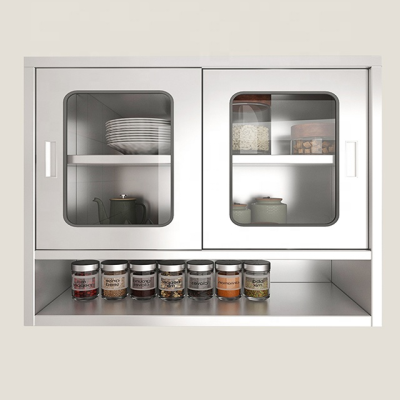


Kitchen Cabinets Price Kitchen Cupboards Cabinet Modern Designs Kitchen Cabinets
$1699.00 - $1999.00
MOQ: 1 sets

Durable Cabinets Kitchen Modern Wood Kitchen Cupboards Black Kitchen Cabinets
$124.00 - $162.00
MOQ: 1 Meters

Wooden Kitchen Cabinets White Cupboard Modern Luxury Designs Kitchen Cabinets
$121.00 - $156.00
MOQ: 1 Meters

White Wooden Kitchen Cabinets White Cupboard Modern Designs Kitchen Cabinets
$114.00 - $143.00
MOQ: 1 Meters


Comprehensive Sourcing Guide
Strategic Sourcing Guide for Modern Quartz Stone Kitchen Cupboards
Understanding the Product Definition and Core Attributes
The Modern Quartz Stone Kitchen Cupboard represents a convergence of high-performance surfacing materials with contemporary cabinetry design. In the current B2B procurement landscape, this product category is defined by the specific integration of quartz stone surfaces with structural cabinetry components. The core material composition typically involves a quartz stone top, which offers superior durability compared to natural stone alternatives, paired with cabinetry structures that may utilize solid wood, particleboard, or plywood for the carcase and doors.
Buyers must first distinguish between the various structural elements. The countertop surface is the primary visual and functional component, often available in a polished or honed finish, with thickness options ranging from 12mm to 30mm. The standard slab dimensions observed in the market include 32001600mm and 30001400mm, though "Cut to Size" options are frequently available to accommodate specific kitchen layouts. The cabinetry itself, often described as having a linear or island style, serves as the structural support. While the countertop material is consistent, the door materials can vary significantly, ranging from solid wood to MDF, and the carcase materials may include particleboard or plywood.
The aesthetic profile of these units is predominantly modern, characterized by linear styles and features such as white color schemes. However, the market also supports classic variations, including U-style or island configurations with shaker or flat panel door shapes. The customization capability is a critical differentiator in this sector. Most suppliers offer "Customized" services, allowing for specific dimensions, finishes, and configurations to meet unique architectural requirements. This flexibility extends to the drawer systems, where options like three-section tracks or hidden drawer guides are available to enhance functionality and user experience.
Technical Specifications and Dimensional Standards
When evaluating technical specifications for modern quartz stone kitchen cupboards, precision is paramount. The procurement process requires a detailed review of the dimensional data provided by potential suppliers. The quartz slab sizes are a primary constraint; standard offerings include 32001600mm and 30001400mm, with cut-to-size capabilities allowing for bespoke applications. For tile-based applications, specific sizes such as 800x800mm, 600x600mm, 600x300mm, and 300x300mm are common. Countertop dimensions often follow specific patterns, with observed sizes including 25.5"x96", 26"x96", 25.5"x108", 26.5"x108", and 28"x96".
The thickness of the quartz stone is another critical technical parameter. Available thicknesses span a wide range, including 12mm, 15mm, 18mm, 20mm, 25mm, and 30mm. The selection of thickness depends on the intended application and the structural requirements of the cabinet design. Thicker slabs, such as 20mm or 30mm, are often preferred for heavy-duty commercial applications or where a more substantial aesthetic is desired, while thinner options like 12mm or 15mm may be suitable for specific residential or lightweight installations.
The surface finish is equally important for both aesthetics and maintenance. Suppliers typically offer polished, honed, or customized surface treatments. The polished finish provides a glossy, reflective surface that enhances the visual depth of the quartz, while the honed finish offers a matte, non-reflective texture that can be more forgiving regarding fingerprints and water spots. The choice of finish should align with the overall design language of the kitchen and the specific maintenance capabilities of the end-user.
Furthermore, the structural dimensions of the cabinetry must be verified. Standard product standards for assembled units may include dimensions such as 34002400580mm, though these figures are highly dependent on the specific model and configuration. Buyers should always request detailed CAD drawings or dimensioned schematics to ensure that the proposed units will fit within the designated space, particularly for complex layouts involving islands or U-style configurations.
Compliance, Certification, and Environmental Standards
Ensuring compliance with international safety and environmental standards is a non-negotiable aspect of sourcing modern quartz stone kitchen cupboards. The supply chain for these products is heavily regulated, particularly regarding the materials used in the cabinetry and the surfacing. Buyers must verify that the products carry recognized certifications, such as CE and ISO, which indicate adherence to specific safety and quality management protocols. The presence of these certifications is a strong indicator that the manufacturer follows established industry practices.
Environmental standards are particularly relevant for the cabinetry components, especially those made from wood-based materials like particleboard or MDF. The emission of volatile organic compounds (VOCs) is a significant concern in indoor air quality. Buyers should specifically look for products that meet the E0 or E1 environmental standards, which regulate the formaldehyde emission levels of the wood products. Compliance with these standards ensures that the kitchen cupboards are safe for residential and commercial use, minimizing health risks associated with indoor air pollution.
In addition to material safety, the structural integrity of the cabinetry must be verified. The use of high-quality drawer guide rails, such as three-section tracks or hidden drawer guides, contributes to the longevity and smooth operation of the units. These components should be tested for load-bearing capacity and durability. The packing method, whether flat packing or assembled packing, also plays a role in the protection of the product during transit. Proper packaging ensures that the quartz surfaces and wooden components arrive without damage, maintaining the quality standards expected by the buyer.
Cost Drivers and Pricing Dynamics
The pricing of modern quartz stone kitchen cupboards is influenced by a complex interplay of factors, including material costs, customization levels, and logistical requirements. The observed price range in the market spans from approximately $35 to $4,000, reflecting the vast diversity in product configurations and quality levels. This wide range indicates that the final cost is highly dependent on the specific choices made by the buyer regarding materials, dimensions, and finishes.
Material selection is a primary cost driver. The type of quartz stone used, the thickness of the slab, and the finish applied all contribute to the base cost. Similarly, the choice of cabinetry materials, such as solid wood versus particleboard or plywood, significantly impacts the price. Solid wood components generally command a higher price due to the cost of the raw material and the labor-intensive processing required. Conversely, engineered wood products like particleboard or MDF offer a more cost-effective alternative while still providing a durable and aesthetically pleasing finish.
Customization is another major factor influencing cost. The ability to produce "Cut to Size" units or specific configurations like island styles or U-style layouts requires additional engineering and manufacturing effort. The more complex the design, the higher the cost. Additionally, the level of finishing, such as a custom polished or honed surface, adds to the overall price. Buyers should be prepared for a price premium when requesting bespoke solutions that deviate from standard catalog offerings.
Logistical costs also play a significant role in the final price. The origin of the products, often Guangdong Province, China, affects shipping costs and lead times. The weight and volume of the quartz slabs and cabinetry units can result in substantial freight charges. Buyers should factor in these logistics costs when evaluating the total cost of ownership. The minimum order quantity (MOQ) is another consideration, with observed ranges from 1 to 100 units. Larger orders may benefit from economies of scale, potentially reducing the per-unit cost, while smaller orders may incur higher relative costs due to setup and handling fees.
Typical Applications and Market Segmentation
Modern quartz stone kitchen cupboards are versatile products designed to meet the needs of a wide range of market segments. The primary applications include residential properties such as villas, townhouses, and apartments, as well as commercial establishments like hotels and restaurants. The durability and aesthetic appeal of quartz stone make it an ideal choice for high-traffic areas where resistance to wear and tear is essential.
In residential settings, the focus is often on creating a cohesive and stylish kitchen environment. The linear style and modern features of these cupboards align well with contemporary home designs. The availability of white color schemes and various door shapes, such as shaker or flat panel, allows homeowners to customize their kitchens to match their personal taste. The island style is particularly popular in larger homes, providing additional workspace and a social hub for the kitchen.
For commercial applications, the requirements shift towards durability and ease of maintenance. Hotels and restaurants require kitchen cupboards that can withstand heavy use and frequent cleaning. The scratch-resistant, waterproof, and fireproof advantages of quartz stone make it a superior choice for these environments. The ability to customize the dimensions and finishes allows commercial buyers to create functional and visually appealing spaces that meet their specific operational needs.
The market for these products is global, with significant demand in regions such as the USA, Canada, the EU, and Australia. Buyers in these regions should be aware of local building codes and standards, which may influence the choice of materials and certifications. The global nature of the market also means that buyers have access to a wide range of suppliers, each offering unique value propositions in terms of price, quality, and service.
Supplier Evaluation and Quality Control Protocols
Evaluating suppliers for modern quartz stone kitchen cupboards requires a rigorous approach to ensure that the products meet the buyer's expectations. The first step is to verify the supplier's credentials and track record. Buyers should look for suppliers that provide clear documentation of their certifications, such as CE and ISO, and that demonstrate a commitment to environmental standards like E0 or E1. The origin of the products, often Guangdong Province, China, should be transparently disclosed, and the supplier should be able to provide evidence of their manufacturing capabilities.
Quality control is a critical aspect of the procurement process. Buyers should request samples, such as free small quartz samples, to evaluate the quality of the materials firsthand. The samples should be inspected for consistency in color, texture, and finish. The structural integrity of the cabinetry should also be assessed, paying attention to the quality of the drawer guides, the stability of the carcase, and the finish of the doors.
The supplier's ability to meet delivery timelines is another important factor. The observed delivery time of 20 to 45 days indicates that buyers should plan their procurement schedules accordingly. Suppliers that can consistently meet these timelines are more likely to be reliable partners. Additionally, the supplier's packaging methods should be evaluated to ensure that the products are protected during transit. Flat packing or assembled packing should be chosen based on the specific needs of the project and the logistics involved.
Finally, buyers should assess the supplier's customer service and support capabilities. A responsive supplier that can provide technical assistance, answer questions, and resolve issues promptly is essential for a successful procurement experience. The availability of OEM services and the ability to customize products to meet specific requirements are also key indicators of a supplier's flexibility and commitment to customer satisfaction.
Long-Term Procurement Considerations and Strategic Planning
Long-term procurement of modern quartz stone kitchen cupboards requires a strategic approach that considers the lifecycle of the products and the evolving needs of the market. Buyers should focus on building relationships with suppliers that demonstrate a commitment to quality, innovation, and sustainability. This involves not only selecting the right products but also establishing a partnership that supports ongoing business growth and adaptation.
Sustainability is a growing concern in the procurement of kitchen cupboards. Buyers should prioritize suppliers that adhere to environmental standards and use eco-friendly materials. The E0 and E1 standards for formaldehyde emissions are a key indicator of a supplier's commitment to environmental responsibility. Additionally, the durability of quartz stone and the longevity of well-constructed cabinetry contribute to the overall sustainability of the product by reducing the need for frequent replacements.
Scalability is another important consideration. As businesses grow, their procurement needs may change, requiring larger quantities or more complex configurations. Buyers should select suppliers that have the capacity to scale their production and offer flexible ordering options. The ability to handle both small and large orders, with MOQs ranging from 1 to 100 units, ensures that buyers can adapt to changing demand without compromising on quality or service.
Finally, buyers should stay informed about market trends and technological advancements in the quartz stone and cabinetry industry. The continuous evolution of design styles, materials, and manufacturing processes means that buyers must remain agile and open to new solutions. By maintaining a strategic approach to procurement, buyers can ensure that their modern quartz stone kitchen cupboards remain competitive, functional, and aesthetically pleasing for years to come.
FAQs
What certifications do modern quartz stone kitchen cupboards have?
These cupboards typically hold CE and ISO certifications to ensure safety and quality compliance. The product data confirms CE certification is available, while ISO standards are also listed for specific models to meet international requirements.
Which materials are used for the countertops and cabinetry?
Countertops are made from quartz stone, while cabinetry uses solid wood, MDF, or particleboard. The door materials vary between solid wood and MDF, and carcases are constructed from particleboard or plywood depending on the specific model.
Can I customize the size and finish of the quartz stone?
Yes, customization is available for both dimensions and surface finishes. Buyers can select from thicknesses ranging from 12mm to 30mm and choose between polished, honed, or customized surfaces to fit specific design needs.
What is the lead time for shipping these kitchen cupboards?
Delivery typically occurs within 20 to 45 days after the order is confirmed. This lead time applies to shipments originating from Guangdong Province, China, and covers the manufacturing and transit period for the ordered units.
Which drawer guide rails are available for these units?
The units offer options including three-section tracks and hidden drawer guides. These rail types are specified in the product attributes to ensure smooth operation and durability for both residential and commercial kitchen applications.
What environmental standards do the wooden components meet?
The wooden components comply with E0 or E1 environmental standards to limit formaldehyde emissions. This ensures the cabinetry is safe for indoor use in homes, hotels, and restaurants while meeting strict air quality regulations.