Source Modern White Ceramic Toilet and Sink Set for Hotels, Homes, and Renovations
Source a Modern White Ceramic Toilet and Sink Set from 30 verified listings. Compare features like S-trap drainage, dual-flush mechanisms, and pedestal designs to find the right fit for your bathroom project.
Key considerations
Products List
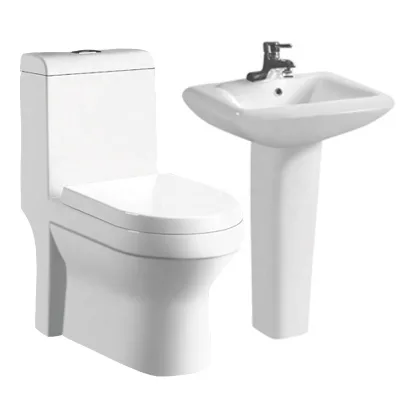


Hot Sale Cheap Toilet Sanitary Ware Suite White Two Piece Toilets Bowl Ceramic Toilet Set
$35.00 - $59.00
MOQ: 50 Pieces

Durable Toilet Sanitary Ware Bathroom Two Piece Toilet Washroom Ceramic Toilet Set
$35.00 - $59.00
MOQ: 50 Pieces

Modern Ceramic Two Piece Toilet Sanitary Ware Set Bathroom Factory with OEM Support
$35.00 - $59.00
MOQ: 50 Pieces

Premium Ceramic Two Piece Toilet Sanitary Ware Sets for Modern Bathroom Designs
$35.00 - $59.00
MOQ: 50 Pieces


Modern Style Toilet Set Matt White ceramic Watermark Toilet Water Closet
$90.00 - $98.00
MOQ: 5 Pieces


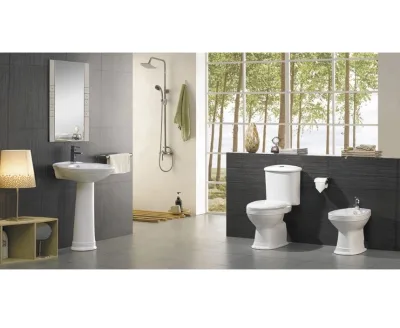


Square One Piece Bowl Floor Sink and Ceramic Toilet Black Gold Wc Toilet Set
$48.00 - $75.00
MOQ: 10 Sets


Comprehensive Sourcing Guide
Modern White Ceramic Toilet and Sink Set Sourcing Guide
Sourcing a coordinated bathroom suite requires balancing aesthetic consistency with functional performance, particularly when selecting a Modern White Ceramic Toilet and Sink Set. Buyers must recognize that "modern" is a design descriptor rather than a technical specification, meaning the visual appeal often masks significant variations in internal plumbing mechanics and material quality. The primary objective is to secure a product line that not only meets the visual expectations of contemporary interior design but also adheres to strict durability and water-efficiency standards. This guide provides a structured approach to evaluating these sets, focusing on the critical intersection of design, engineering, and commercial viability.
The procurement process for sanitary ware is heavily influenced by the manufacturer's origin and their specific production capabilities. While many suppliers operate in established manufacturing hubs, the buyer must verify the actual place of origin and the specific factory conditions rather than relying solely on marketing materials. A cohesive set often implies a unified design language, but in practice, this may involve coordinating separate SKUs for the toilet and the pedestal sink. Understanding this distinction is crucial for inventory management, shipping logistics, and ensuring that the final installed product meets the project's aesthetic and functional requirements without compromise.
Product Scope and Observed Listing Signals
The market for modern sanitary ware presents a wide array of configurations, ranging from one-piece water closets to two-piece units with varying drainage patterns. Observed listings frequently highlight features such as dual-flush mechanisms, siphonic or washdown drainage, and specific bowl shapes like round or square. Buyers should note that while a product may be marketed as a "set," the components might be listed separately with different model numbers, such as R686 or R706A, requiring careful cross-referencing to ensure compatibility. The visual consistency is often maintained through standardized color options, including glossy white, matte black, or grey, which allows for flexibility in design while keeping the core material properties uniform.
Material composition is a critical signal of quality, with ceramic and porcelain being the standard materials for high-end sanitary ware. The presence of a pedestal sink in a set adds complexity to the sourcing process, as it requires matching the ceramic body of the toilet with the basin structure. Listings often specify the structure as either one-piece or two-piece, which directly impacts cleaning ease and structural integrity. A one-piece design typically offers a more seamless modern aesthetic and reduces the risk of leaks at the tank-to-bowl junction, whereas two-piece designs may offer easier installation and maintenance. Buyers must verify these structural details to align with their project's maintenance protocols and aesthetic goals.
Technical Specifications to Verify
Technical verification begins with the drainage pattern and flushing mechanism, which are fundamental to the toilet's performance. Common configurations include S-trap drainage and siphonic flushing, which are designed to minimize noise and prevent odor backflow. However, some listings may indicate washdown drainage or hand-press flush controls, which represent different engineering approaches. Buyers must confirm the specific drainage pattern required by the local plumbing infrastructure, as mismatches can lead to installation failures. Additionally, the water consumption rating should be verified to ensure compliance with local water-saving regulations, as modern sets often emphasize water-saving types to appeal to eco-conscious markets.
The physical dimensions and mounting type are equally critical for successful installation. The single package size and gross weight provide essential data for logistics planning, with typical dimensions around 71x37x81 cm and weights near 60 kg for a single item. The installation type is usually floor-mounted or standing floor, which dictates the floor preparation and anchoring requirements. Buyers should also check the model numbers for both the toilet and the sink to ensure that the pedestal sink is structurally compatible with the toilet's footprint. Variations in model numbers, such as R181 or R171, may indicate different sizes or features, so precise model matching is necessary to avoid spatial conflicts in the bathroom layout.
Compliance and Safety Documentation
Compliance with international quality standards is a baseline requirement for reputable sanitary ware suppliers. Certifications such as ISO9001 indicate that the manufacturer adheres to established quality management systems, which is a strong indicator of consistent production quality. Buyers should request valid certification documents and verify their authenticity, as these standards cover everything from raw material sourcing to final product inspection. While some listings may mention additional certifications like CE, buyers must confirm the specific scope and validity of these documents, as they may apply to different product categories or regions.
Safety and performance documentation should also include warranty terms and project solution capabilities. A standard one-year warranty is common, but buyers should clarify what is covered, such as manufacturing defects versus installation damage. The availability of customization options, including OEM support and customizable packaging, can be crucial for brand-specific projects. Buyers must ensure that any customizations do not void the warranty or compromise the structural integrity of the ceramic. Additionally, verifying the project solution capability ensures that the supplier can provide technical support for complex installations, which is valuable for large-scale commercial or residential developments.
Cost Drivers and Commercial Terms
The cost of a Modern White Ceramic Toilet and Sink Set is influenced by several factors, including material quality, design complexity, and order volume. The observed price range in the market can vary significantly, reflecting differences in brand positioning and production efficiency. Buyers should be aware that the minimum order quantity (MOQ) typically starts at 50 pieces, which can impact the unit price and overall budget. Larger orders may benefit from economies of scale, but buyers must balance volume discounts with storage capacity and cash flow constraints.
Commercial terms such as payment methods and delivery times are critical for managing risk and ensuring timely project completion. Common payment terms include T/T, L/C, or Western Union, each with different implications for security and liquidity. Delivery times generally range from 7 to 30 days after receipt of a deposit, but this can vary based on the supplier's current production load and the complexity of the order. Buyers should negotiate clear delivery schedules and include penalties for delays in the contract. Additionally, understanding the container loading capacity, such as 850 sets in a 40HQ container, helps in optimizing shipping costs and logistics planning.
Supplier Qualification and Quality Control
Supplier qualification involves a thorough assessment of the manufacturer's production capabilities and quality control processes. Buyers should verify the supplier's location, such as Guangdong, China, and assess their ability to handle large orders, as indicated by the 40HQ container capacity. It is essential to request samples before placing bulk orders to evaluate the finish, color consistency, and structural integrity of the ceramic. The availability of customizable packaging and standards allows buyers to tailor the product to their specific market requirements, but this must be managed carefully to avoid quality inconsistencies.
Quality control should extend beyond the final product inspection to include raw material verification and production process audits. Buyers should inquire about the specific type of ceramic used, ensuring it is high-density porcelain suitable for sanitary ware. The presence of features like dual-flush mechanisms and water-saving designs should be tested for functionality and durability. Additionally, buyers should establish a clear protocol for handling defects, including return policies and replacement procedures. Regular communication with the supplier during the production phase can help identify and resolve issues early, ensuring that the final delivery meets the agreed-upon specifications.
Long-Term Procurement Checks
Long-term procurement success depends on establishing a reliable supply chain and maintaining consistent product quality over time. Buyers should conduct periodic audits of the supplier's performance, focusing on delivery reliability, defect rates, and customer service responsiveness. Building a strong relationship with the supplier can lead to better pricing, priority production, and access to new product innovations. It is also important to stay updated on changes in local regulations regarding water efficiency and material safety, ensuring that the sourced products remain compliant with evolving standards.
Continuous improvement in the procurement process involves analyzing market trends and competitor offerings to ensure that the sourced sets remain competitive. Buyers should regularly review the product specifications and compare them with industry benchmarks to identify areas for improvement. Engaging with the supplier on feedback from end-users can provide valuable insights into product performance and potential design enhancements. By maintaining a proactive approach to supplier management and quality assurance, buyers can secure a steady supply of high-quality modern white ceramic toilet and sink sets that meet the demands of their customers.
FAQs
What is the structure of the modern white ceramic toilet set?
The product features a one-piece structure made of ceramic and porcelain. Some models in the collection are available as two-piece units. This design ensures durability and a modern aesthetic suitable for bathroom installations.
Can I customize the color options for this ceramic toilet?
Yes, customization is available for this product line. Buyers can choose from glossy white, glossy black, matte white, black, or grey finishes. The specific color options depend on the selected model and supplier capabilities.
Which certification does the manufacturer hold for this sanitary ware?
The manufacturer holds ISO9001 certification for their production processes. This standard ensures quality management in the manufacturing of ceramic bathroom fixtures. Buyers should verify specific certificates for individual orders.
How long is the delivery time after receiving the deposit?
The delivery time ranges from 7 to 30 days after receipt of the deposit. Payment terms accepted include T/T, L/C, or Western Union. The exact timeline depends on the order quantity and production schedule.
What is the minimum order quantity for this toilet set?
The minimum order quantity is 50 pieces for this product. Some listings indicate a range up to 1000 pieces depending on the specific supplier terms. Buyers must meet this threshold to initiate a standard order.
Where is the place of origin for these ceramic toilets?
The place of origin is Guangdong, China. This region is known for producing high-quality ceramic sanitary ware. All listed products originate from this specific manufacturing hub in China.
Does this toilet set support dual-flush functionality?
Yes, the product features a dual-flush system for water saving. It is designed as a water-saving type to reduce consumption. This feature is standard for the one-piece watercloset models described.