Source Modern White Disposable Charger Plate for Events
Find 30 options for the Modern White Disposable Charger Plate suitable for weddings, restaurants, and parties. Compare specifications including PP plastic and bamboo materials, FDA/SGS certifications, and MOQs ranging from 10 to 5000 units to find the best fit for your sourcing needs.
Updated
Key considerations
Products List


Food Safe Round Shape PP Material Disposable Plastic Formal Charger Plate
$0.60 - $1.10
MOQ: 200 Pieces



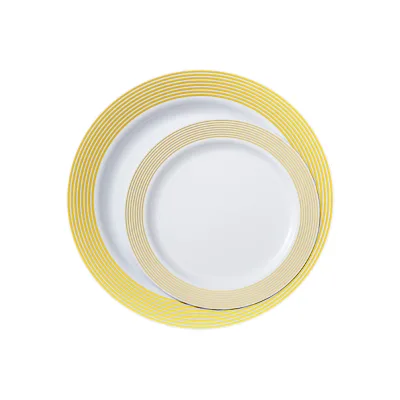






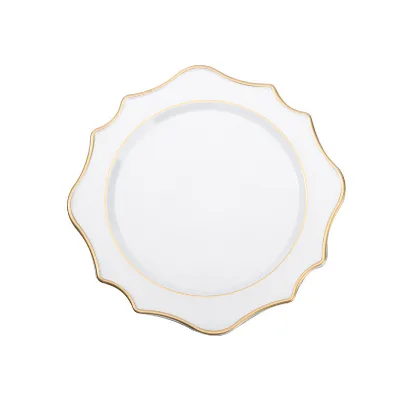
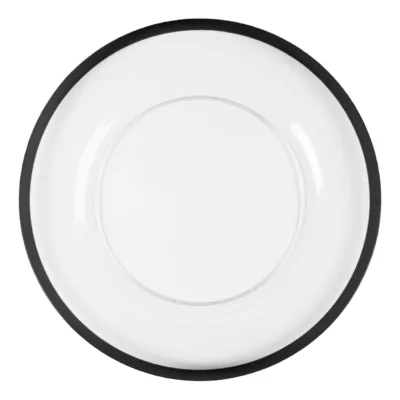






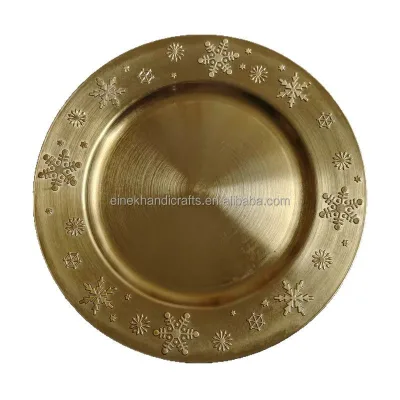
Comprehensive Sourcing Guide
Modern White Disposable Charger Plate Sourcing Guide
Sourcing modern white disposable charger plates requires a strategic balance between aesthetic consistency and operational efficiency for high-volume events. Buyers must recognize that "white" in this category often refers to a clean, neutral base that complements various table settings, though observed listings frequently highlight alternative colors like cyan, orange, and gold. The core material identified in current market data is polypropylene (PP), which offers durability and a rigid structure suitable for holding heavy dinner plates without bending. This material choice is critical for maintaining the visual integrity of the charger throughout the duration of a meal, ensuring it does not warp under heat or weight. Procurement teams should prioritize suppliers who explicitly state PP construction to ensure the product meets the structural demands of formal dining environments while remaining lightweight for easy handling and disposal.
The visual appeal of these chargers is often enhanced by their ability to be customized, with many suppliers accepting tailored designs to match specific event themes. While the keyword specifies white, the observed product range includes varied finishes and colors, suggesting that buyers should verify if the specific white variant is in stock or if it requires a custom order. The style is predominantly Western, aligning with standard banquet and wedding setups where round or square shapes are common. Buyers should also consider the net weight of the product, as heavier units (e.g., 1650g) may indicate a thicker, more premium feel, whereas lighter options (e.g., 240g) might be more cost-effective for large-scale, short-duration events. Understanding these physical attributes helps in selecting the right balance between cost and perceived quality for the end consumer.
Product Scope and Observed Listing Signals
The current market for disposable charger plates shows a diverse range of models, with observed listings indicating significant variation in dimensions and packaging. For instance, specific models like RX-150 and RX-170 Orange demonstrate that size standards can vary, with some units measuring up to 47.535.54.2CM, while others are more compact at 35*4.2CM. This variability necessitates careful verification of the exact dimensions required for your table settings, as charger plates are typically larger than standard dinner plates to provide a decorative border. Buyers should pay close attention to the packaging specifications, such as 24 pieces per carton or 6 pieces per bag, as this directly impacts shipping volume and storage requirements. Understanding these physical constraints is essential for accurate logistics planning and ensuring that the product fits within your existing supply chain infrastructure.
Another key signal in the market is the emphasis on eco-friendly attributes, with many products labeled as such despite being made from plastic. This apparent contradiction requires buyers to clarify the specific environmental claims with suppliers, such as whether the material is recyclable or biodegradable. The observed use cases span a wide array of settings, including parties, weddings, restaurants, travel, and household use, indicating the versatility of these products. However, the presence of certifications like FDA and SGS suggests that food safety is a primary concern, even for items that do not directly contact food. Buyers should leverage these signals to narrow down suppliers who can provide transparent information about their manufacturing processes and material composition, ensuring that the products align with both aesthetic and ethical procurement goals.
Technical Specifications to Verify
When evaluating technical specifications, the model number and standard dimensions are the first points of verification. Observed models such as RX-H081 and RX-964-ELG-001 come with specific size standards, such as 40.2133CM or 32.532.52CM, which buyers must cross-reference with their tableware requirements. It is crucial to confirm whether the charger plate is designed to be rigid or flexible, as this affects its stability during service. The net weight is another critical specification, with observed values ranging from 240g to 1650g, indicating a wide spectrum of product densities. Buyers should request detailed technical datasheets that include tolerance levels for dimensions, as even minor deviations can affect the visual alignment of table settings. Verifying these specifications ensures that the product meets the functional requirements of the event, preventing issues such as slipping or instability.
Material composition and thickness are also vital technical aspects that influence the performance and sustainability of the charger plate. While polypropylene is a common material, some listings mention bamboo, wood, or virgin paper, each offering different aesthetic and functional properties. Buyers should verify the exact material grade and thickness, as these factors determine the plate's resistance to moisture and heat. Additionally, the packaging size, such as 35345.5CM, impacts storage efficiency and should be considered in the overall logistics plan. It is advisable to request physical samples to assess the tactile quality and visual finish, as images alone may not accurately represent the product's appearance. By thoroughly verifying these technical details, buyers can make informed decisions that align with their specific operational needs and quality standards.
Compliance and Safety Documentation
Compliance with food safety standards is paramount when sourcing disposable tableware, even for items that do not directly touch food. Observed listings frequently mention certifications such as FDA, CE/EU, and SGS, which indicate that the products have undergone rigorous testing for safety and quality. Buyers should verify the validity of these certifications by requesting copies of the test reports and checking the issuing bodies' credentials. The mention of "Food Grade" materials suggests that the products are safe for incidental contact, but buyers should confirm this with the supplier to avoid any potential health risks. Additionally, the claim of being "Eco-Friendly" should be backed by specific certifications or material declarations, such as recyclability or biodegradability, to ensure that the environmental claims are legitimate and not merely marketing hype.
Regulatory compliance also extends to the manufacturing process and the origin of the materials. Products originating from Fuzhou, China, may be subject to specific export regulations and quality control standards. Buyers should ensure that the supplier adheres to international standards for manufacturing, such as ISO certifications, to guarantee consistent quality across batches. The presence of certifications like CIQ (China Inspection and Quarantine) further indicates that the products meet Chinese export standards, which can be a useful reference for buyers familiar with these regulations. It is advisable to include compliance clauses in the purchase agreement, requiring the supplier to maintain valid certifications throughout the contract period. By prioritizing compliance and safety documentation, buyers can mitigate risks associated with product liability and ensure that their procurement activities align with legal and ethical standards.
Cost Drivers and Commercial Terms
The cost of disposable charger plates is influenced by several factors, including material type, customization requirements, and order volume. Observed price ranges vary significantly, with some listings indicating very low unit costs, while others reflect higher prices for customized or premium products. The minimum order quantity (MOQ) is a critical commercial term, with observed values ranging from 10 to 5000 units, allowing for flexibility in order sizing. Buyers should negotiate MOQs based on their storage capacity and usage rates, as larger orders often result in lower unit prices. Additionally, the cost of customization, such as printing logos or specific colors, should be clearly defined in the quotation to avoid unexpected expenses. Understanding these cost drivers helps buyers budget accurately and select suppliers who offer the best value for their specific needs.
Shipping and delivery terms also play a significant role in the total cost of procurement. Observed listings indicate that shipping is typically done by sea, which is cost-effective for large volumes but requires longer lead times. The delivery time is often cited as 7 days or 25-30 days after deposit, depending on the order size and customization requirements. Buyers should factor in these lead times when planning their procurement schedule to avoid stockouts or delays. The packaging method, such as 24 pieces per carton, affects shipping efficiency and should be considered when calculating freight costs. It is advisable to request a detailed breakdown of costs, including unit price, packaging, and shipping, to ensure transparency and avoid hidden fees. By carefully managing commercial terms, buyers can optimize their procurement costs and ensure timely delivery of products.
Supplier Qualification and Quality Control
Supplier qualification is a critical step in ensuring the reliability and consistency of disposable charger plate supplies. Buyers should verify the supplier's production capacity, quality control processes, and track record in the industry. Observed listings mention main clients such as supermarkets and restaurants, which can serve as indicators of the supplier's market presence and product acceptance. It is advisable to conduct site visits or request third-party audit reports to assess the supplier's manufacturing facilities and quality management systems. The ability to provide samples at a reasonable price is a positive sign, allowing buyers to evaluate the product quality before committing to a large order. By thoroughly qualifying suppliers, buyers can reduce the risk of receiving substandard products and ensure a stable supply chain.
Quality control measures should be clearly defined and enforced throughout the production process. Buyers should specify quality standards in the purchase agreement, including acceptable defect rates and inspection procedures. The observed mention of "EU or American Standard" for quality suggests that suppliers may adhere to international benchmarks, but buyers should verify this claim. Regular quality checks, such as pre-shipment inspections, can help identify and rectify issues before the products are dispatched. It is also important to establish a clear communication channel with the supplier for addressing any quality concerns or discrepancies. By implementing robust quality control measures, buyers can maintain high standards of product quality and ensure customer satisfaction. This proactive approach minimizes the risk of returns or complaints and enhances the overall procurement experience.
Long-Term Procurement Checks
Long-term procurement success depends on continuous monitoring and evaluation of supplier performance and market trends. Buyers should establish key performance indicators (KPIs) to track metrics such as delivery times, product quality, and responsiveness to issues. Regular reviews of supplier performance can help identify areas for improvement and foster a collaborative relationship. It is also important to stay informed about changes in material costs, regulatory requirements, and sustainability trends that may impact the procurement strategy. The observed shift towards eco-friendly products suggests that buyers should consider the environmental impact of their purchases and explore sustainable alternatives. By maintaining a proactive approach to supplier management, buyers can adapt to market changes and ensure the long-term viability of their supply chain.
Building a diversified supplier base can mitigate risks associated with single-source dependencies. Buyers should identify and qualify alternative suppliers to ensure continuity of supply in case of disruptions. Regular communication with suppliers about future needs and potential changes in requirements can help in planning and forecasting. The observed customization options, such as OEM services, offer opportunities for differentiation and brand alignment. Buyers should leverage these capabilities to create unique products that meet specific market demands. By focusing on long-term relationships and strategic planning, buyers can achieve cost efficiencies, improve product quality, and enhance their competitive position in the market. This holistic approach to procurement ensures that the organization remains agile and responsive to evolving business needs.
FAQs
What materials are used for the Modern White Disposable Charger Plate?
The charger plate is available in PP plastic and bamboo and wood versions, with some white paper styles made from virgin paper. PP plastic plates are disposable and eco-friendly, while bamboo and wood options emphasize natural materials. Food grade and eco friendly safety attributes are noted, and buyers can confirm material details with each supplier before ordering.
Can I customize the size, color, and shape of disposable charger plates?
Yes, customization is acceptable. Listings note custom sizes from 5 to 12 inches, colors such as white, cyan, orange, and gold, and shapes including round, heart, and square. OEM requests are acceptable, and samples can be provided at a reasonable price. Discuss your artwork, packaging, and quantity requirements with the supplier before production begins.
What certifications do these disposable charger plates carry?
Certifications listed for these products include FDA, SGS, and CE/EU with CIQ for some plastic models. Quality is described as meeting EU or American standard expectations, and materials are noted as food grade and eco friendly. Certification coverage can vary by model, so confirm which certificates apply to the specific plate style you intend to purchase.
How is the charger plate packaged and shipped?
Packaging is typically 24 pieces per carton, and some styles are packed 6 pieces per bag with 24 pieces per carton. Shipping is by sea according to the product listings. Carton dimensions vary by model, for example 47.5 by 35.5 by 4.2 centimeters. Ask the supplier to confirm the packing configuration and freight costs for your destination port.
What is the minimum order quantity for white disposable charger plates?
Listed MOQ values for these products range from 10 to 5000 pieces, with one model specifying an MOQ of 1000 pieces. The actual minimum depends on the material, size, and customization level you choose. Customized orders usually require higher quantities, so request a quotation that states the MOQ and unit price for your specification.
How long is the delivery time after I place an order?
Delivery times noted in the listings range from 7 days to 25 to 30 days after deposit, depending on the model and order complexity. Stock or standard configurations are typically faster, while customized sizes, shapes, or packaging take longer. Confirm the production schedule and deposit terms with the supplier before confirming your purchase order.
Which use cases suit these disposable charger plates?
These plates suit parties, weddings, restaurants, travel, households, and holiday events, and main clients include supermarkets and restaurants. Disposable construction makes them convenient for large catered events, while the Western style suits formal table settings. Choose plastic for high volume events and bamboo, wood, or virgin paper versions for eco themed occasions.
How do I get a sample before placing a bulk order?
Samples are available at a reasonable price according to the product listings. Contact the supplier with your target size, color, and material, and request a sample fee quotation plus shipping cost. Reviewing a physical sample helps verify the finish, weight, and food contact quality before committing to mass production quantities.