Source Modular Reclining Sectional Sofa for Living Room Hotel Office
Compare 30 listings for Modular Reclining Sectional Sofa options featuring wood or metal frames, fabric or leather covers, and modern styles. Buyers can review specifications, customization services, and delivery times for living rooms, hotels, and offices.
Key considerations
Products List


Luxury Sectional Corner Sofa Fabric Reclining Modern Modular L Shaped Sofa
$690.00 - $745.00
MOQ: 10 Pieces

Modern Villa Apartment Living Room Hotel Genuine Leather Sectional Modular Leisure Sofa
$870.00 - $1085.00
MOQ: 5 Sets


Modern Hotel Home Leather Modular Furniture Living Room Corner Recliner Sofa
$256.00 - $286.00
MOQ: 2 Pieces


Modern Fabric Modular Sofa Sleek Comfort for Versatile Living Spaces
$1000.00 - $20000.00
MOQ: 1 Pieces


Round Modular Sofa or Lounge in Hotel Waiting Area Seating Furniture Sofa
$169.00 - $620.00
MOQ: 10 Pieces


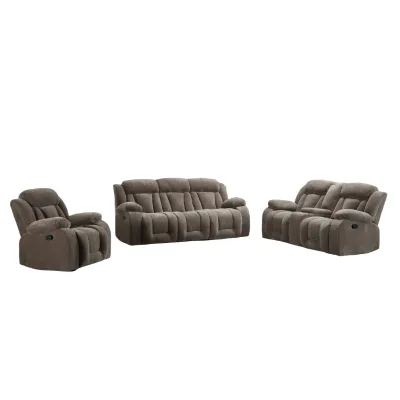


Comprehensive Sourcing Guide
Strategic Sourcing Guide for Modular Reclining Sectional Sofas
Understanding the Product Category and Technical Specifications
The Modular Reclining Sectional Sofa represents a sophisticated segment of the furniture market, characterized by its flexibility, comfort, and adaptability to various interior layouts. When sourcing this specific product category, buyers must first distinguish between the structural and functional attributes that define a high-quality unit. Based on observed market data, the core construction typically involves a robust frame material, which can be either wood or metal, depending on the intended load-bearing requirements and design aesthetic. The frame serves as the skeleton for the reclining mechanism, which is a critical differentiator from static sofa models.
The upholstery material is a primary consideration for both durability and tactile experience. The market offers a diverse range of options, including fabric, genuine leather, PU leather, and synthetic leather. Each material presents distinct maintenance profiles and cost implications. Fabric options often include linen and velvet, providing a softer aesthetic suitable for residential environments, while leather variants are frequently selected for commercial applications such as hotels and offices due to their ease of cleaning and resistance to wear. The padding material is equally significant; sponge padding is a common specification observed in current listings, offering a balance of support and comfort. However, buyers should verify the density and resilience of the foam to ensure long-term structural integrity.
The design style is predominantly modern, featuring clean lines and contemporary silhouettes. A key technical specification involves the back height, which can vary between low back and medium back configurations. This dimension directly impacts the ergonomic profile and the visual proportion of the sofa within a room. Additionally, the presence of armrests is a standard feature, though their design and width can vary. The modular nature of these sofas allows for reconfiguration, often described in specifications as "1+2+Style:Modern" sets, enabling buyers to customize the seating arrangement to fit specific floor plans. The reclining function itself must be evaluated for smoothness and durability, as the mechanical components are subject to frequent use.
Compliance, Certification, and Material Standards
In the realm of B2B procurement, verifying compliance and certification is essential for mitigating risk and ensuring that products meet international safety and environmental standards. While specific test data for individual units may not be universally available, buyers should prioritize suppliers who can demonstrate adherence to recognized frameworks. One notable certification observed in the market is the FSC (Forest Stewardship Council) certification. This is particularly relevant for the wood frame materials used in these sofas, as it verifies that the timber originates from responsibly managed forests. For buyers targeting eco-conscious markets or regions with strict environmental regulations, FSC certification serves as a critical validation point.
Beyond environmental certifications, the structural standards of the sofa must align with the intended application. Specifications often reference dimensions such as 1600*2000, which likely pertains to the overall footprint or specific component measurements of a standard configuration. However, buyers must recognize that "standard" dimensions can vary significantly between manufacturers. Therefore, the verification process should involve a detailed review of the technical drawings and dimensional tolerances provided by the supplier. The production standard is often listed as "Customized," indicating that the manufacturer has the flexibility to adjust dimensions and features to meet specific client requirements. This customization capability is a vital attribute for large-scale projects where uniformity with existing interior designs is paramount.
The material composition also requires strict adherence to safety and quality standards. For instance, the use of wood and metal frames must comply with structural integrity standards to prevent failure under load. The upholstery materials, whether genuine leather or synthetic alternatives, should be free from harmful substances and meet flammability regulations applicable to the destination market. While specific test results are not always publicly listed, buyers should request material safety data sheets (MSDS) and compliance certificates from the supplier. The origin of the products is predominantly China, with specific manufacturing hubs noted in regions like Guangdong. Understanding the geographic origin is crucial for logistics planning and for assessing the supply chain's resilience against regional disruptions.
Cost Drivers and Pricing Dynamics
The pricing of modular reclining sectional sofas is influenced by a complex interplay of factors, including material costs, labor intensity, and the degree of customization required. The observed price range in the market is extensive, spanning from 5 to 20,000 USD. This wide variance reflects the difference between basic fabric models and high-end leather units with advanced mechanical reclining systems. The base price is heavily dependent on the choice of upholstery material. Genuine leather commands a premium price due to the cost of raw materials and the skilled labor required for processing, whereas fabric and synthetic leather options offer more budget-friendly alternatives.
The frame material also plays a significant role in cost determination. Wood frames are generally more traditional and may vary in cost based on the type of wood used, while metal frames can offer different structural advantages and cost profiles. The complexity of the reclining mechanism is another major cost driver. Simple manual recliners are less expensive than motorized systems that require electrical components, wiring, and sophisticated control panels. Additionally, the level of customization significantly impacts the final price. While standard models are produced at scale, custom orders involving specific dimensions, unique fabric patterns, or bespoke frame designs incur higher tooling and production costs.
Minimum Order Quantity (MOQ) is a critical factor in the total cost of ownership. The observed MOQ range is between 1 and 110 units, with a common threshold of 5 units for many suppliers. For buyers looking to test the market or fulfill small projects, a lower MOQ is advantageous, though it may result in a higher unit price. Conversely, larger orders can leverage economies of scale to reduce the per-unit cost. The production time, typically ranging from 20 to 30 days, and the delivery window of 7 to 35 days, also influence cost through inventory holding and logistics expenses. Buyers must factor in these lead times when calculating the total budget, as delays can impact project timelines and cash flow.
Typical Applications and Usage Scenarios
Modular reclining sectional sofas are versatile solutions designed for a wide array of applications, ranging from residential living spaces to high-traffic commercial environments. The primary usage scenarios identified include living rooms, hotels, offices, villas, and apartments. In residential settings, these sofas are prized for their ability to create a comfortable and inviting atmosphere. The modular design allows homeowners to rearrange the seating to accommodate different activities, such as family gatherings or movie nights. The reclining feature adds an extra layer of comfort, making these sofas ideal for relaxation and entertainment.
In the commercial sector, the demand for modular reclining sofas is driven by the need for durable and adaptable furniture. Hotels utilize these units in lobbies, lounges, and guest rooms to enhance the guest experience. The ability to customize the configuration allows hoteliers to optimize space usage in various room types. Office environments also benefit from these sofas, particularly in break rooms, waiting areas, and executive lounges. The modern style and professional appearance of these units align well with contemporary office design trends. The general use categories often listed as "Home Furniture," "Hotel Furniture," and "Office Furniture" underscore their broad applicability.
The specific application dictates the required durability and maintenance standards. For high-traffic areas like hotel lobbies, the upholstery must be resistant to wear and easy to clean, making leather or high-performance synthetic materials a preferred choice. In residential settings, the aesthetic appeal and comfort are often prioritized, allowing for a wider range of fabric options. The color palette, which includes black, white, gray, brown, green, and beige, offers flexibility to match diverse interior design schemes. Buyers should carefully assess the specific requirements of their target application to select the most appropriate model and material combination.
Supplier Evaluation and Service Capabilities
Selecting the right supplier is a critical step in the procurement process, requiring a thorough evaluation of their capabilities, service offerings, and reputation. The market data indicates that suppliers are typically classified as manufacturers or factories, which suggests a direct relationship with the production process. This can be advantageous for buyers seeking competitive pricing and greater control over the manufacturing timeline. However, it is essential to verify the supplier's capacity to handle the specific volume and customization requirements of the order.
Service capabilities are a key differentiator among suppliers. Many manufacturers offer OEM (Original Equipment Manufacturing) and ODM (Original Design Manufacturing) services, allowing buyers to brand the products or request custom designs. The availability of project services further indicates that these suppliers can handle large-scale, complex orders with specific logistical and technical requirements. Buyers should inquire about the supplier's experience with similar projects and their ability to manage the entire supply chain, from raw material sourcing to final delivery. The service model often includes support for design customization, ensuring that the final product meets the buyer's exact specifications.
The production and delivery logistics are also vital considerations. The observed production time of 20 to 30 days and delivery window of 7 to 35 days provide a baseline for planning. However, buyers should confirm these timelines with the specific supplier, as they can vary based on order volume and complexity. The packing method, which may include sea freight containers, cartons, EPE (Expanded Polyethylene), and plastic bags, is crucial for protecting the product during transit. Buyers should ensure that the packing standards are sufficient to prevent damage, especially for international shipments. Additionally, the supplier's location, often in Guangdong, China, should be considered in the context of shipping costs and lead times.
Quality Control and Long-Term Procurement Considerations
Ensuring consistent quality is paramount in the procurement of modular reclining sectional sofas. Buyers should implement a robust quality control (QC) strategy that covers both pre-production and post-production stages. This includes verifying the materials used, inspecting the frame construction, and testing the reclining mechanisms for smooth operation and durability. The use of sponge padding and the quality of the upholstery stitching are critical indicators of overall product quality. Buyers should request samples or conduct factory audits to assess the supplier's quality management systems and adherence to standards.
Long-term procurement considerations involve building a sustainable relationship with the supplier. This includes establishing clear communication channels, defining quality expectations, and agreeing on service level agreements (SLAs). The ability of the supplier to provide after-sales support, such as spare parts for the reclining mechanisms or repair services, is also important. The modular nature of the sofas means that individual components may need replacement over time, making the availability of spare parts a key factor in the product's lifecycle. Buyers should also consider the environmental impact of their procurement decisions, prioritizing suppliers who demonstrate a commitment to sustainability through certifications like FSC and responsible material sourcing.
Finally, buyers must remain vigilant regarding market trends and technological advancements. The furniture industry is constantly evolving, with new materials and designs emerging regularly. Staying informed about these developments can help buyers make strategic decisions that enhance the value of their procurement. By focusing on technical specifications, compliance, cost drivers, and supplier capabilities, buyers can successfully navigate the complex landscape of sourcing modular reclining sectional sofas and secure high-quality products that meet their specific needs.
Comparative Analysis of Product Attributes
To facilitate informed decision-making, the following table summarizes the key attributes observed in the market for modular reclining sectional sofas. This comparison highlights the variability in specifications and helps buyers identify the features most relevant to their requirements.
| Attribute | Common Observations | Verification Requirement |
|---|---|---|
| Frame Material | Wood, Metal | Verify structural integrity and load capacity |
| Upholstery Material | Fabric, Genuine Leather, PU, Synthetic Leather | Check durability, maintenance, and flammability |
| Padding | Sponge | Confirm density and resilience for long-term comfort |
| Style | Modern | Ensure alignment with target interior design aesthetic |
| Back Height | Low Back, Medium Back | Verify ergonomic suitability for intended users |
| Reclining Feature | Manual or Motorized (implied by "Reclining") | Test mechanism smoothness and reliability |
| Certification | FSC (for wood frames) | Request valid certification documents |
| Origin | China (Guangdong) | Assess logistics and shipping implications |
| Customization | Available (Dimensions, Color, Material) | Define specific requirements clearly with supplier |
| MOQ | 1-110 (Commonly 5) | Negotiate based on order volume and budget |
| Lead Time | 20-30 Days Production, 7-35 Days Delivery | Confirm specific timelines for the order |
| Packing | Carton, EPE, Plastic Bag, Sea Freight | Ensure packaging meets shipping safety standards |
This comparative overview underscores the importance of detailed verification for each attribute. While the market offers a wide range of options, the specific needs of the buyer will dictate the optimal selection. By carefully evaluating these factors, buyers can ensure that their procurement of modular reclining sectional sofas results in high-quality, durable, and aesthetically pleasing products that meet their operational and commercial goals.
FAQs
What frame materials are used for modular reclining sectional sofas?
These sofas typically use wood or metal frames depending on design needs. Wood frames often carry FSC certification for responsible sourcing, while metal frames offer alternative structural profiles for modern living room or hotel applications.
Can I customize the color and material of the sofa?
Yes, customization is available for colors including black, white, gray, brown, green, and beige. Buyers can also select from fabric, genuine leather, PU, or synthetic leather options to match specific interior design requirements.
What is the typical lead time for production and delivery?
Production usually takes 20 to 30 days from order confirmation. Delivery times range from 7 to 35 days depending on the shipping method and destination, with standard packing including cartons and protective EPE materials.
Which certifications are available for the wood frame components?
FSC certification is available for wood frame components to verify sustainable sourcing. This certification is particularly relevant for buyers targeting eco-conscious markets or regions with strict environmental regulations regarding timber origins.
How does the MOQ vary for different sofa models?
The minimum order quantity typically starts at 5 units for standard models. However, observed ranges span from 1 to 110 units, allowing flexibility for small projects or large-scale commercial installations in hotels and offices.
What service options like OEM or ODM are offered?
Manufacturers provide OEM, ODM, and project services to support custom branding and design. These capabilities allow buyers to request specific dimensions, styles, and configurations tailored to their unique living room or commercial space needs.