Source Monitor Conditioner Controller for HVAC, Heating, Cooling
Explore 30 verified listings for the monitor conditioner controller to compare specifications like accuracy, voltage, and certifications. Buyers can evaluate options for household, air conditioning, and floor heating systems from suppliers in China; compare the available evidence and request quotations based on your requirements.
Key considerations
Products List




Comprehensive Sourcing Guide
Monitor Conditioner Controller Sourcing Guide
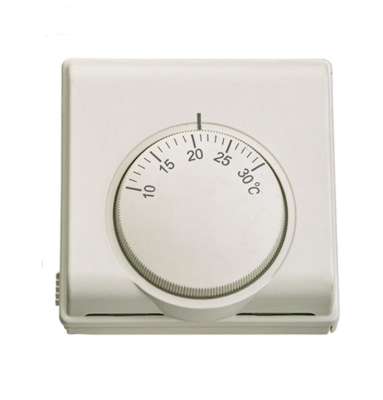
Procuring a monitor conditioner controller requires distinguishing between general temperature monitoring devices and specialized HVAC control units. The market presents a mix of digital thermometers, floor heating systems, and specific air conditioning controllers, each serving distinct operational needs. Buyers must first clarify whether the requirement is for a standalone panel, a universal replacement unit, or a system integrated into a larger heating and cooling infrastructure.
The observed product landscape includes units with LCD displays, digital readouts, and specific model numbers like DB, Type-1, and ETC-974. These devices often feature customizable logos and colors such as black, gold, silver, or white, indicating a high degree of branding flexibility for B2B clients. Understanding the specific application, whether for household use or packaged air-conditioner systems, is the first critical step in narrowing down the supplier pool to those offering the correct interface and control logic.
Product Scope and Observed Listing Signals
Buyers should verify the specific display type and interface capabilities before selecting a supplier, as the data shows a prevalence of LCD and digital display technologies. The product range includes units labeled as digital thermometers, temperature controllers, and air conditioning temperature controllers, suggesting that the core keyword often encompasses a broader category of climate control hardware. It is essential to confirm if the unit supports the specific control modes required, such as Auto, Cool, Dry, Fan, and Heat, which are standard for comprehensive air conditioning management.
The physical attributes of the units vary significantly, with materials ranging from plastic to refrigeration-grade components and packaging options including carton boxes or individual boxes. Some listings indicate a universal fit for various air-conditioner models, while others are tailored for specific floor heating systems or gas and oil heat furnaces. Procurement teams must scrutinize the product name and model specifications to ensure the device matches the intended installation environment, avoiding mismatches between the controller's design style and the facility's contemporary or industrial requirements.
Technical Specifications to Verify
Technical due diligence must focus on the accuracy and operational range of the controller, as observed listings cite an accuracy of 1°C and support for both Celsius and Fahrenheit standards. Buyers need to confirm the voltage requirements, with some units operating on 3V batteries like AAA types, while others may require different power inputs depending on the system integration. The transmission distance is another critical parameter, with some wireless units specified for distances under 50 meters, which dictates the layout of the facility and the placement of sensors relative to the controller.
Verification of the model-specific features is equally important, as specifications include fan speed controls (High, Medium, Low) and specific air conditioner model compatibility like packaged types. The product origin, often listed as Jiangsu, Changzhou, or Ningbo, Zhejiang, can influence the availability of specific technical support and spare parts. Procurement teams should request detailed datasheets that confirm the hygrothermometer type, such as digital thermometer panels, and ensure the material composition aligns with the environmental conditions of the installation site.
Compliance and Safety Documentation
Safety and regulatory compliance are non-negotiable, with observed certifications including CE, RoHS, ISO, and CQC appearing across various product listings. Buyers must ensure that the specific unit they intend to purchase carries the necessary certifications for their target market, as standards like CE UL and ISOCE are mentioned for certain models. The absence of a specific certification on a listing does not imply non-compliance, but it requires immediate verification with the supplier to confirm that the product meets the local safety regulations of the destination country.
Documentation should also cover the product standards related to the heating and cooling systems, such as compatibility with air conditioners, gas, oil heat, or electric furnaces. It is vital to confirm that the manufacturer provides valid test reports or compliance certificates that match the specific model number, such as KT-CR or ETC-974. Relying on general claims of quality without documented proof of adherence to these standards can lead to significant liability issues and potential rejection of the shipment by customs authorities.
Cost Drivers and Commercial Terms
Commercial terms are heavily influenced by the Minimum Order Quantity (MOQ), which ranges widely from 200 pieces to 500 sets depending on the supplier and product customization level. Buyers should anticipate that customized orders, including specific logos or colors, may carry higher MOQs and potentially longer lead times compared to standard stock items. The price range observed is extensive, spanning from $0.10 to $15,500, reflecting the difference between simple digital thermometers and complex, fully integrated HVAC control systems.
Payment terms and packaging costs are additional variables that affect the total cost of ownership, with products typically shipped in carton boxes or individual boxes. The warranty period, often listed as one year, and the availability of after-sales service should be factored into the financial evaluation of the supplier. Procurement teams must negotiate clear terms regarding the handling of defective units and the cost of replacement parts, ensuring that the commercial agreement protects the buyer against potential quality issues without incurring unexpected expenses.
Supplier Qualification and Quality Control
Supplier qualification should prioritize manufacturers with a proven track record in producing temperature control panels and air conditioning controllers, as indicated by the "Good" and "Top Ranking" quality descriptors in some listings. Buyers must verify the supplier's ability to handle customization requests, such as logo printing and color variations, which are explicitly offered by several vendors. It is crucial to assess the supplier's production capacity to ensure they can meet the required volume without compromising the consistency of the product quality.
Quality control processes must be validated through on-site audits or third-party inspections, focusing on the manufacturing standards and material integrity. The origin of the products, whether from Jiangsu or Ningbo, should be cross-referenced with the supplier's actual factory location to prevent misrepresentation. Buyers should request samples to test the accuracy of the digital readouts and the durability of the plastic or refrigeration materials before committing to a large-scale order, ensuring the product meets the rigorous demands of the intended application.
Long-Term Procurement Checks
Long-term procurement success depends on establishing a reliable supply chain that can adapt to changing market demands and technical requirements. Buyers should maintain regular communication with suppliers to monitor updates in product standards, such as new certifications or changes in material specifications. The availability of spare parts and the continuity of the product line are critical factors, especially for units like the ETC-974 or KT-CR that may be part of a larger, long-term infrastructure investment.
Regular performance reviews of the supplied controllers are necessary to ensure they continue to meet the accuracy and reliability standards required for the facility. Buyers should track the warranty claims and after-sales service response times to identify any systemic issues with the supplier's quality control. By maintaining a proactive approach to supplier management, organizations can mitigate risks associated with product obsolescence and ensure a steady supply of high-quality monitor conditioner controllers for their operations.
FAQs
What display types are available for digital thermometers?
Digital thermometers typically feature LCD display types for clear temperature readings. These devices often support both Celsius and Fahrenheit standards to accommodate different regional preferences. The display ensures accurate monitoring of heating and cooling systems, providing users with reliable data for household or commercial temperature control applications.
Can I customize the logo on these temperature controllers?
Yes, customization is available for many digital temperature controllers and panels. Suppliers often accept customized logos to help brands maintain visibility. This service allows businesses to tailor the product appearance, including color options like black, gold, or silver, ensuring the final device aligns with specific corporate identity requirements and design styles.
What certifications do these air conditioning controllers hold?
Many air conditioning temperature controllers hold CE and RoHS certifications, ensuring compliance with international safety and environmental standards. Some models also feature ISO certifications. These credentials verify that the products meet rigorous quality and safety requirements, making them suitable for global distribution and installation in various household and commercial settings.
What is the typical MOQ for these products?
The minimum order quantity varies by supplier, with observed ranges from 1 to 5000 sets. Specific models may require an MOQ of 200 pieces or 500 sets. Buyers should check individual product listings for exact requirements, as MOQs depend on the manufacturer's production capacity and the level of customization requested for the order.
Where are these temperature controllers manufactured?
These products are primarily manufactured in China, with specific origins noted in Jiangsu, Changzhou, and Ningbo, Zhejiang. These regions are known for producing various electronic components and HVAC accessories. Buyers can source directly from these locations, ensuring access to established manufacturing hubs that specialize in digital thermometers and air conditioning control panels.
What voltage do these digital panels operate on?
Digital temperature control panels often operate on a 3V voltage supply, typically using AAA batteries for power. This low-voltage operation ensures safety and energy efficiency in household applications. The battery-powered design allows for easy installation without complex wiring, making these controllers convenient for retrofitting existing air conditioning or heating systems.