Source Multilayered Stainless Steel Filter Screen for Water, Gas, and Dust Filtration
Compare 30 listings for Multilayered Stainless Steel Filter Screen options tailored for liquid, gas, and solid-liquid separation. Buyers can evaluate specifications like mesh details, wall thickness, and material grades including 304 and 316L from verified manufacturers.
Key considerations
Products List


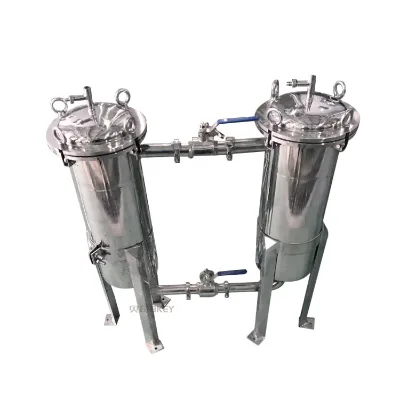


Precision Woven Stainless Steel Filter Screens for Multiple Filtration Needs
$10.00 - $100.00
MOQ: 10 Pieces

Custom Stainless Steel Filter Screens for Industrial and Chemical Applications
$10.00 - $100.00
MOQ: 10 Pieces


Comprehensive Sourcing Guide
Multilayered Stainless Steel Filter Screen Sourcing Guide
Sourcing multilayered stainless steel filter screens requires a disciplined approach to technical verification and supplier qualification. These components serve as critical barriers in industrial processes, providing robust separation capabilities for liquids, gases, and solids. Buyers must navigate a market where product attributes vary significantly based on manufacturing techniques and material grades. The following guide outlines the essential steps for evaluating listings, verifying technical specifications, and ensuring long-term supply chain reliability.
The procurement process begins with a clear understanding of the product’s structural integrity and filtration efficiency. Multilayered designs offer enhanced durability and precise particle retention compared to single-layer alternatives. However, the complexity of these screens introduces variables in wall thickness, mesh configuration, and welding techniques that directly impact performance. Buyers should prioritize suppliers who provide detailed technical data sheets and transparent manufacturing capabilities rather than relying solely on generic product descriptions.
Product Scope and Observed Listing Signals
The market for multilayered stainless steel filter screens encompasses a wide range of configurations, including press filters, mesh discs, and woven screens. Listings often highlight specific styles such as pleated elements or punched wire mesh, indicating diverse applications in liquid filtration, solid-liquid separation, and dustproofing. The observed product count suggests a competitive landscape with numerous manufacturers offering customized solutions. Buyers should look for listings that explicitly mention multilayered structures, as this feature is crucial for high-efficiency filtration in demanding environments.
Observed listing signals reveal significant variability in pricing and minimum order quantities (MOQ). Prices range from low-cost entry points to premium industrial-grade options, reflecting differences in material quality and manufacturing complexity. MOQs typically span from one unit for sampling to thousands for bulk production, allowing buyers to scale orders according to their operational needs. It is essential to verify whether the listed price includes customization fees, as many suppliers offer tailored dimensions and mesh ratings that may affect the final cost.
Technical Specifications to Verify
Material selection is the primary technical consideration when sourcing these filters. Common grades include 304 and 316L stainless steel, chosen for their corrosion resistance and mechanical strength. Carbon metal and other alloys may also be available, but buyers must confirm the exact grade to ensure compatibility with the intended fluid or gas environment. The use of stainless steel wire as the base material ensures longevity, but the specific alloy composition must be verified against the corrosive agents present in the application.
Dimensional and structural specifications require careful attention to detail. Wall thicknesses are often standardized at 1.7 mm or customized to meet specific pressure requirements, while overall thickness can range from 0.35 mm to 3.0 mm. The filter rating, which indicates the percentage of mesh coverage, typically falls between 27% and 90%, influencing flow rate and filtration precision. Buyers should verify the hole shape, with round holes being common, and confirm the welding technique, such as spot welding or seal welding, to ensure structural integrity under operational stress.
Compliance and Safety Documentation
Certification status is a key indicator of a supplier’s commitment to quality management. Many manufacturers provide ISO 9001 certification, which validates their quality management systems, along with CE marking for compliance with European safety standards. Buyers should request copies of these certificates to verify their validity and scope. While certifications are important, they do not guarantee the performance of individual filter units, so they should be viewed as a baseline requirement rather than a sole determinant of quality.
Machinery test reports and sample availability are critical for validating product performance before large-scale procurement. Suppliers that provide machinery test reports offer evidence that their products have undergone rigorous testing for filtration efficiency and durability. Additionally, the availability of samples allows buyers to physically inspect the multilayered structure, verify mesh density, and test the filter in their specific application environment. Buyers should insist on receiving samples and test reports to mitigate the risk of receiving non-conforming products.
Cost Drivers and Commercial Terms
Several factors influence the total cost of ownership for multilayered stainless steel filter screens. Material costs, particularly for 316L stainless steel, are a significant driver, as are the complexities of multilayer construction and custom welding techniques. Customization options, such as specific shapes like rectangles, squares, or ovals, and non-standard dimensions, can increase production time and cost. Buyers should request detailed quotes that break down material, labor, and customization fees to understand the true cost structure.
Commercial terms, including delivery time and packaging, also impact procurement planning. Delivery times typically range from 5 to 30 days, depending on the order size and customization level. Packaging methods, such as carton or wooden case shipping, are designed to protect the filters during transit, but buyers should confirm that the packaging is suitable for their storage and handling capabilities. Understanding these terms helps buyers align their inventory management with supplier lead times and avoid production delays.
Supplier Qualification and Quality Control
Supplier qualification involves assessing both manufacturing capabilities and trading experience. Many suppliers operate as both manufacturers and trading companies, which can offer advantages in flexibility and product range. Buyers should verify the supplier’s production facilities to ensure they have the necessary equipment for welding, weaving, and cutting stainless steel mesh. Direct engagement with manufacturing capabilities reduces the risk of miscommunication and ensures that technical specifications are met accurately.
Quality control processes should be clearly defined and communicated before placing orders. Buyers should inquire about the supplier’s inspection procedures, including how they verify mesh density, weld strength, and dimensional accuracy. The availability of online support for after-warranty service indicates a supplier’s commitment to long-term customer satisfaction. Establishing clear quality control protocols and communication channels helps ensure that any issues are addressed promptly and effectively.
Long-Term Procurement Checks
Long-term procurement success depends on consistent product quality and reliable supplier performance. Buyers should conduct periodic audits of their suppliers to ensure that quality standards are maintained over time. This includes verifying that material grades have not changed and that manufacturing processes remain consistent. Regular feedback loops between the buyer and supplier can help identify potential issues early and foster a collaborative relationship that benefits both parties.
Supply chain resilience is another critical aspect of long-term procurement. Buyers should diversify their supplier base to mitigate risks associated with production delays or quality failures. Maintaining a relationship with multiple qualified suppliers ensures continuity of supply in case of unforeseen disruptions. Additionally, staying informed about industry trends and technological advancements in filter screen manufacturing can help buyers make informed decisions about future procurement needs and potential upgrades.
FAQs
What materials are used for multilayered stainless steel filter screens?
These screens are primarily made from 316L, 304, and carbon mental stainless steel wire. The material selection ensures corrosion resistance and durability for various liquid and gas filtration applications.
Can I customize the thickness of the filter mesh screen?
Yes, customization is available for the wall thickness and overall dimensions. Standard thickness ranges from 0.35 to 3.0mm, but specific requirements can be met through the provided customization service.
What is the lead time for ordering these filter elements?
The delivery time typically ranges from 5 to 30 days after order confirmation. This timeline depends on the specific model, customization needs, and current production capacity of the manufacturer.
Which certifications do these filter screens hold?
The products come with ISO9001 and CE certifications to ensure quality and safety standards. These documents verify that the manufacturing processes meet international requirements for industrial filtration components.
How is the multilayered structure designed for filtration efficiency?
The structure features single, double, or multi-layered configurations to enhance filtration performance. This design supports high-efficiency separation for solids, liquids, and gases across various industrial applications.
What shapes are available for the filter mesh discs?
Available shapes include rectangle, square, round, oval, and abnormal forms to fit specific machinery. Custom shapes can be produced to match the exact requirements of your filtration system setup.
Are samples available for testing before bulk purchase?
Yes, samples are available for evaluation before committing to a larger order. This allows buyers to verify the mesh details, pleated structure, and filtration rating of 27% to 90%.