Source natural stone agate beads for jewelry, machinery, and decor
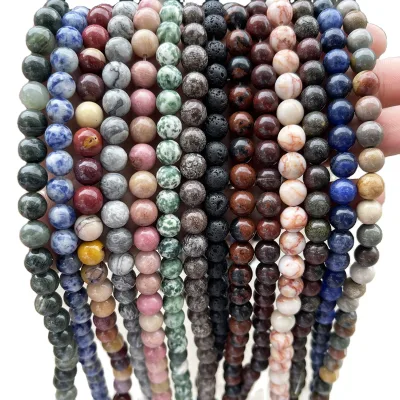
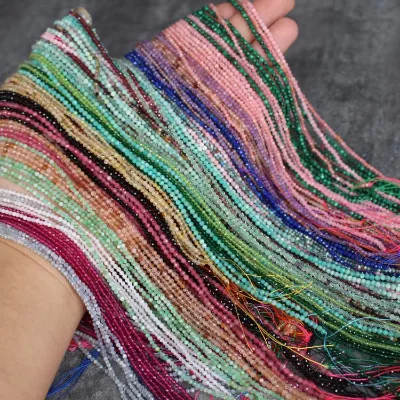
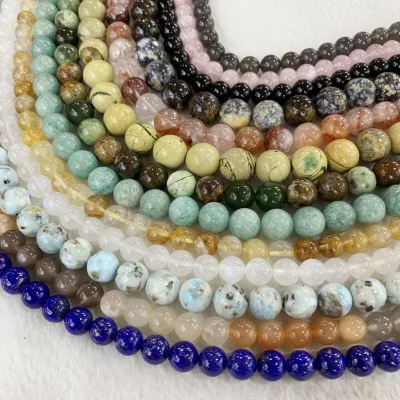
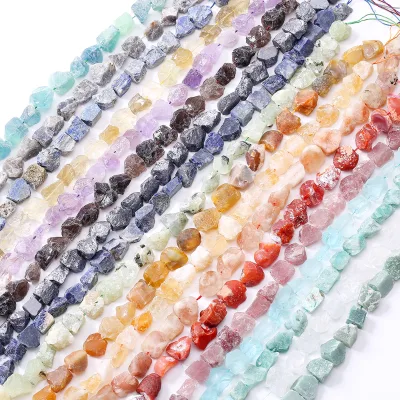
Compare 30 listings for natural stone agate beads suitable for jewelry making, machinery components, and home decoration. Buyers can review specifications including size, material grade, and customization options to find the right supplier.
Key considerations
Products List


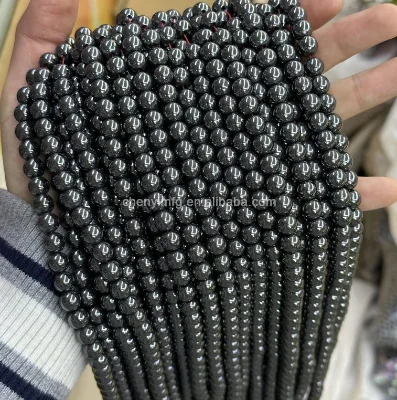
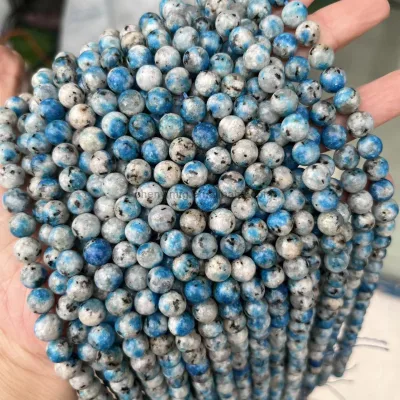
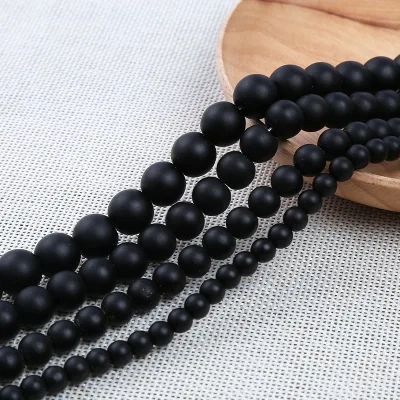
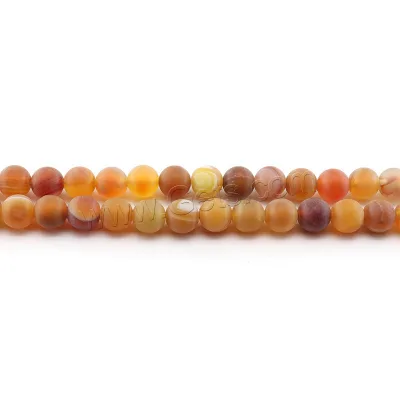
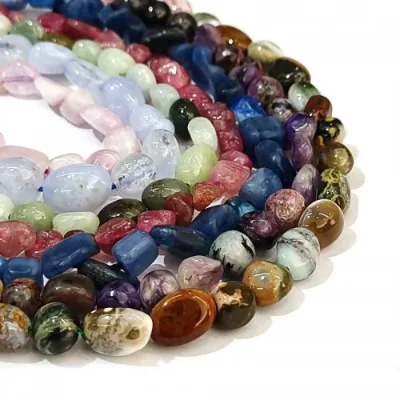


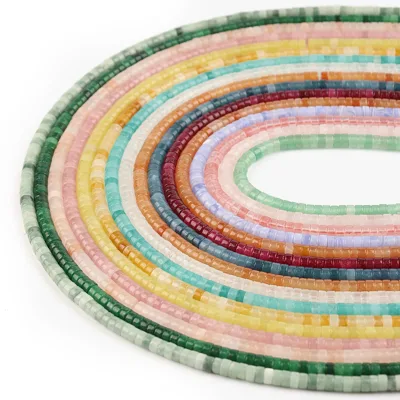

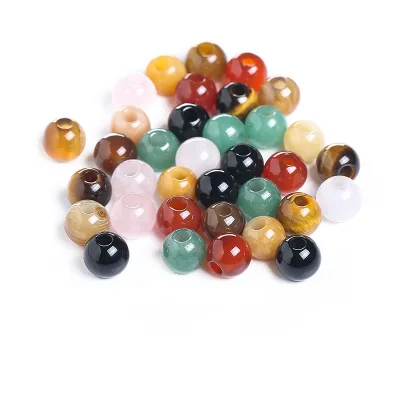
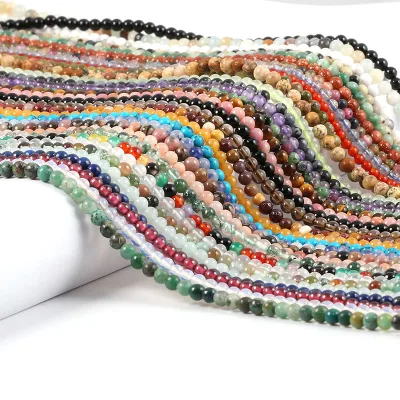


Comprehensive Sourcing Guide
Strategic Sourcing Guide for Natural Stone Agate Beads
Understanding Product Specifications and Material Variations
When sourcing natural stone agate beads, the primary challenge lies in distinguishing between genuine agate and similar-looking stones or synthetic alternatives. The supply market for these items is characterized by a high degree of variation in material composition and physical properties. Buyers must recognize that "natural stone" encompasses a broad spectrum of geological formations, each with distinct density, hardness, and chemical makeup. In the context of agate beads, the material is fundamentally a form of chalcedony, which is a microcrystalline variety of quartz. This composition implies a high silica content, typically observed in products where the chemical composition is noted as exceeding 90% SiO2. However, market listings also frequently reference composite materials containing aluminium oxide and silicon oxide, suggesting that some products marketed as agate may be engineered composites or treated stones rather than pure geological specimens.
The physical dimensions of the beads are a critical specification that dictates their end-use application. The observed market data indicates a wide range of available sizes, from small granules to larger spherical forms. Specific product listings highlight standard diameters such as 4mm, 6mm, 8mm, 10mm, and larger cylindrical forms ranging up to 25mm. The shape is predominantly round and cylindrical, though the processing type often involves rolling to achieve a smooth, polished finish. The density of these beads is another vital metric for verification; observed values cluster around 2.65g/cm3, which aligns with the theoretical density of quartz-based minerals. However, bulk density measurements for loose bead batches can vary, with some listings indicating a bulk density of ≥1.5kg/L. This discrepancy between individual particle density and bulk density is essential for logistics planning, as it affects shipping costs and packaging volume.
Buyers must also scrutinize the grading and origin claims. The market frequently categorizes stones by quality grades, such as "Grade A," which generally implies high clarity and minimal inclusions, or "Class Ordinary," which may denote stones with more visible natural variations. The geographical origin of the raw material significantly influences the color palette and texture. For instance, sources from Brazil are noted for specific agate varieties, while other listings point to Hunan or Zhejiang in China as key manufacturing and processing hubs. These locations often serve as the origin for both the raw stone extraction and the subsequent bead manufacturing processes. Understanding these geographic distinctions helps buyers anticipate the specific aesthetic characteristics and potential supply chain complexities associated with different regions.
Compliance, Certification, and Safety Standards
Navigating the compliance landscape for natural stone beads requires a clear understanding of what constitutes a verified standard versus a marketing claim. In the current supply environment, explicit certification data is often absent from general product listings. Buyers should not assume that a product labeled as "Grade A" or "High Quality" has undergone third-party laboratory testing for heavy metals or radiation levels unless specific test reports are provided. The absence of a listed certification does not necessarily indicate non-compliance, but it does shift the burden of verification onto the buyer.
When evaluating suppliers, the focus should be on their ability to provide documentation that aligns with international safety standards for consumer goods. For jewelry and home decoration applications, the primary concern is the absence of hazardous substances such as lead, cadmium, or arsenic, which can sometimes be present in natural stones or used in dyeing processes. While the provided data does not list specific compliance certificates like REACH or ASTM, buyers must explicitly request these documents. The "Quality" attribute is often listed as "high quality," but this is a subjective claim without a standardized definition. A robust procurement strategy involves defining "high quality" through objective metrics, such as hardness tests, colorfastness ratings, and chemical composition analysis.
Furthermore, the processing methods used to create the beads can introduce regulatory considerations. The "Rolling Type" processing mentioned in the data suggests mechanical shaping, which is generally safe. However, if the beads are treated with resins, dyes, or coatings to enhance their appearance, these additives must comply with the regulations of the destination market. For example, products intended for children's jewelry or home decoration in the European Union or North America must meet strict limits on volatile organic compounds (VOCs) and heavy metals. Buyers should verify that the supplier has a quality management system in place that includes regular testing of finished goods against these standards. Without explicit mention of certifications in the product data, the procurement process must include a mandatory audit or sample testing phase to ensure compliance before placing large orders.
Cost Drivers and Pricing Dynamics
The pricing of natural stone agate beads is influenced by a complex interplay of factors, including raw material scarcity, processing complexity, and order volume. The observed price range in the market spans from $0.15 to $65 per unit, a variance that reflects the difference between mass-produced, lower-grade stones and premium, hand-selected specimens. The lower end of this spectrum typically corresponds to beads with standard sizes, common colors, and "Class Ordinary" grading, often sourced from high-volume production centers in China. These products are usually sold in bulk with minimal customization.
Conversely, the higher price points are driven by several specific cost drivers. First, the origin of the raw material plays a significant role. Stones sourced from specific regions known for high-quality agate, such as Brazil, often command a premium due to the rarity and superior aesthetic qualities of the raw stone. Second, the degree of customization adds cost. While the data indicates that customization is available, the extent of this service—whether it involves specific sizing, unique polishing, or custom packaging—directly impacts the unit price. Customized orders typically require separate production runs, increasing labor and setup costs.
Order volume is another critical determinant of cost. The Minimum Order Quantity (MOQ) varies significantly across suppliers, ranging from as low as 1 strand to 1000 units. Some suppliers set an MOQ of 10 strands per color per size, which can create a barrier for small buyers seeking variety. The selling units are often structured as multiples of 10 or single items, depending on the supplier's packaging strategy. Buyers must calculate the total cost of ownership, which includes not only the unit price but also the cost of meeting the MOQ. For instance, ordering 10 strands of a $0.15 bead is a low-cost entry, but ordering 10 strands of a $65 bead represents a significant capital outlay. Additionally, packaging costs, such as the use of paper boxes or OPP (oriented polypropylene) packing, can add to the overall expense, especially for smaller batches where packaging efficiency is lower.
Typical Applications and Market Segmentation
Natural stone agate beads serve a diverse range of applications, spanning from functional industrial uses to decorative and personal adornment. The data reveals a split in usage categories, with some products explicitly designated for "Machinery" and others for "DIY Jewelry Making" or "Home Decoration." This divergence highlights the versatility of the material. In the industrial sector, agate beads are valued for their hardness and chemical inertness, making them suitable for use in grinding media, polishing compounds, or as components in specific machinery where wear resistance is critical. The high silica content and density contribute to their effectiveness in these demanding environments.
In the consumer market, the primary application is jewelry making. The "Love" style and "Crystal Healing" attributes suggest a strong market segment focused on fashion accessories and wellness products. Beads with sizes ranging from 4mm to 10mm are ideal for creating necklaces, bracelets, and earrings. The polished finish and round shape enhance their aesthetic appeal, making them suitable for both casual and formal wear. The "Home Decoration" category indicates that these beads are also used in interior design, such as in wind chimes, decorative bowls, or as accents in lighting fixtures. The availability of different colors, including "Class A" and "Class Ordinary," allows designers to match specific color palettes for their projects.
The "Crystal Beads" and "Natural Stone Beads" product types further emphasize the decorative nature of these items. Buyers in this sector often prioritize the visual characteristics of the stone, such as banding patterns and translucency, over mechanical properties. The "K2" material designation and references to "Jade Hematite" suggest that the market includes a variety of stone types that are often grouped together in the "natural stone" category. This grouping can lead to confusion, so buyers must clearly define their specific material requirements to ensure they receive the correct product. The versatility of agate beads allows them to cross over between these sectors, but the procurement strategy must be tailored to the specific end-use to ensure the product meets the necessary performance and aesthetic standards.
Supplier Evaluation and Quality Control Protocols
Evaluating suppliers for natural stone agate beads requires a rigorous approach to quality control, given the inherent variability of natural materials. The data indicates that suppliers are located in key manufacturing regions such as Hunan and Zhejiang, China. While these regions are known for their stone processing capabilities, the presence of multiple suppliers with varying product attributes necessitates a careful vetting process. Buyers should prioritize suppliers who provide detailed product specifications, including exact dimensions, weight, and material composition. The "Sample" availability mentioned in the data is a crucial tool for evaluation; buyers should always request physical samples before committing to a bulk order to verify the quality, color, and finish.
Quality control should extend beyond visual inspection to include dimensional accuracy and weight verification. The observed specifications list sizes like 8mm and 10mm, but buyers must confirm that the actual beads fall within an acceptable tolerance range. The "Gross weight per batch" and "Single gross weight" data points are useful for verifying that the supplier is not underfilling packages or misrepresenting the quantity. For instance, a batch with a gross weight of 0.800 kg should correspond to a specific number of beads based on the stated size and density. Discrepancies in weight can indicate quality issues or fraudulent practices.
Additionally, buyers should assess the supplier's ability to maintain consistency across batches. Natural stones can vary in color and pattern, so a supplier that offers "As Picture" color options must demonstrate that the actual product matches the provided images. The "Polished" technique is a standard attribute, but the level of polish can vary. Buyers should establish clear acceptance criteria for surface finish, ensuring that the beads are free from cracks, chips, or uneven polishing. Communication with the supplier regarding their quality assurance processes is essential. Inquire about their inspection procedures, such as whether they conduct 100% visual inspection or use statistical sampling methods. A supplier with a robust quality control system will be transparent about their processes and willing to provide evidence of their standards.
Long-Term Procurement and Supply Chain Considerations
Sourcing natural stone agate beads for long-term use requires a strategic approach to supply chain management and relationship building. The variability in MOQs, ranging from 1 to 1000 units, suggests that buyers need to balance inventory costs with supply flexibility. For small businesses or startups, the ability to order small quantities, such as 5 or 10 strands, is vital for testing the market without overcommitting capital. However, for larger enterprises, securing a consistent supply of high-quality beads may require negotiating higher MOQs in exchange for better pricing and priority production slots.
Lead times and production capacity are other critical factors to consider. While the data does not specify exact lead times, the complexity of the customization process and the need for quality control can impact delivery schedules. Buyers should establish clear timelines with their suppliers and include buffer periods for potential delays. The "Paper Box" and "OPP Packing" options indicate that packaging is a customizable element, which can be leveraged to align with brand identity and sustainability goals. As environmental regulations tighten, buyers may prefer suppliers who use eco-friendly packaging materials.
Long-term success also depends on the supplier's ability to adapt to market trends. The "Crystal Healing" and "DIY Jewelry" segments are dynamic, with consumer preferences shifting rapidly. A supplier that can offer a wide range of sizes, colors, and styles will be better positioned to meet evolving demand. Buyers should maintain open lines of communication with their suppliers to stay informed about new product developments and raw material availability. Building a partnership based on mutual trust and clear expectations will facilitate smoother transactions and reduce the risk of supply chain disruptions. By focusing on these long-term considerations, buyers can ensure a stable and reliable supply of natural stone agate beads that meets their quality and operational requirements.
FAQs
What is the typical composition of natural stone agate beads?
The composition is primarily silica, often exceeding 90% SiO2, though some listings include aluminium oxide and silicon oxide. Buyers should verify specific chemical makeup as variations exist between pure geological specimens and engineered composites found in the market.
Which sizes are commonly available for natural stone agate beads?
Available sizes range from small granules up to 25mm, with common diameters including 4mm, 6mm, 8mm, and 10mm. The standard product specifications often list a range of 1mm to 20mm or 1mm to 25mm depending on the specific manufacturer and batch.
Can buyers request customization for natural stone agate beads?
Yes, customization is available for many suppliers offering these beads. However, some products are listed as non-customized, so buyers must confirm the specific customization options and associated costs before placing an order to ensure the product meets their design requirements.
How is the density of natural stone agate beads measured?
Individual particle density typically clusters around 2.65g/cm3, which aligns with quartz-based minerals. For logistics planning, bulk density measurements for loose batches can vary, with some listings indicating a bulk density of at least 1.5kg/L to account for packaging volume.
What are the typical minimum order quantities for these beads?
Minimum order quantities vary significantly, ranging from 1 strand to 1000 units depending on the supplier. Some vendors require orders in multiples of 10 strands per color and size, while others may offer single item selling units for smaller sample purchases.
Where are natural stone agate beads typically manufactured?
Manufacturing and processing hubs are located in regions such as Hunan and Zhejiang in China. Raw materials may also originate from Brazil, influencing the specific aesthetic characteristics and supply chain dynamics associated with different product listings.