Source Neon Nubuck Leather for Shoes, Furniture, and Bags
Compare 30 listings of Neon Nubuck Leather from verified suppliers. Buyers can evaluate specifications like thickness, backing, and features for applications in safety shoes, furniture, and bags. This guide helps you find suitable materials for various industrial and consumer goods manufacturing needs efficiently.
Key considerations
Products List




Comprehensive Sourcing Guide
Neon Nubuck Leather Sourcing Guide
Sourcing Neon Nubuck Leather requires a nuanced understanding of synthetic alternatives, as true nubuck is a natural leather product. The market data indicates a strong presence of PU microfiber and faux suede materials that mimic the soft hand feel and aesthetic of nubuck. Buyers must distinguish between genuine animal-derived nubuck and synthetic options like the PU microfiber leather for safety shoes and work boots observed in listings. These synthetic variants often offer superior consistency and durability for industrial applications, making them a viable substitute for high-volume procurement needs.
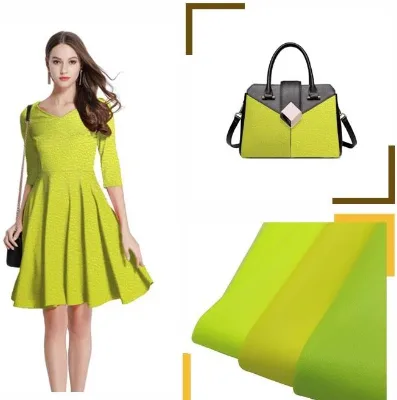
The visual appeal of neon finishes is a key differentiator in this category, with suppliers offering customized colors to meet specific design requirements. While the term "neon sheep texture" appears in product names, it refers to the embossed pattern rather than the material composition. Procurement teams should verify whether the desired neon effect is achieved through surface printing or dyeing processes, as this impacts colorfastness and maintenance. Understanding the distinction between printed and embossed patterns is essential for selecting the right material for decorative or functional end-use products.
Product Scope and Observed Listing Signals
The observed product range includes PU microfiber leather and synthetic leather with various backing techniques, such as nonwoven and woven constructions. These materials are marketed for diverse applications, including safety shoes, work boots, furniture, car seats, and home textiles. The width specifications vary, with observations of 54/55" and 58/60" rolls, indicating flexibility in supply chain logistics. Buyers should note that the term "neon nubuck" may correspond to products labeled as faux suede or PU leather with specific texture finishes, rather than a distinct material class.
Features commonly associated with these synthetic alternatives include waterproofing, softness, abrasion resistance, and anti-mildew properties. The presence of metallic or eco-friendly attributes in some listings suggests a range of performance capabilities. Packaging details, such as inner PE bags and outside woven bags, highlight the need for careful handling during transit. The observed model numbers and brand names like Winiw and CG indicate a fragmented supplier base, requiring buyers to evaluate individual product specifications rather than relying on generic category assumptions.
Technical Specifications to Verify
Thickness is a critical parameter, with observed values ranging from 0.6mm to 0.8mm. Buyers must confirm the exact thickness required for their application, as it affects durability and drape. The backing technics, whether nonwoven or woven, significantly influence the material's strength and flexibility. For instance, nonwoven backings are often used for footwear linings, while woven backings may provide better structural integrity for upholstery. Verifying the backing type ensures the material meets the mechanical demands of the final product.
Weight and density are also important considerations, with some listings specifying a weight of 1kg per unit or roll. The single package size and gross weight data help in calculating shipping costs and storage requirements. Buyers should request detailed technical data sheets that specify tensile strength, tear resistance, and colorfastness ratings. These metrics are essential for ensuring the material performs well under stress and maintains its appearance over time, especially for high-traffic applications like car seats or work boots.
Compliance and Safety Documentation
Environmental standards are increasingly important, with some products labeled as "Eco Leather." Buyers should verify the specific environmental certifications claimed by suppliers, such as OEKO-TEX or REACH compliance, to ensure the materials are free from harmful substances. The presence of anti-mildew and stain-resistant features suggests that the materials may have undergone chemical treatments. Understanding the chemical composition of these treatments is crucial for compliance with safety regulations in different markets, particularly for products intended for children or sensitive skin contact.
Safety documentation should also include flammability ratings, especially for automotive and furniture applications. Buyers must ensure that the neon finishes do not compromise the material's fire resistance. Requesting test reports from accredited laboratories can provide assurance that the materials meet industry-specific safety standards. Additionally, verifying the origin of the materials, such as Fujian or Guangdong in China, can help assess the reliability of the supply chain and the consistency of quality control practices.
Cost Drivers and Commercial Terms
Minimum Order Quantities (MOQ) vary significantly, with observed ranges from 1 to 500 units, and some listings specifying 300 yards. Buyers should negotiate MOQs based on their production volume and storage capacity. The price range of 1.5 to 20 USD per unit reflects the diversity in material quality and features. Higher prices may correlate with specialized finishes, such as metallic or neon effects, or enhanced performance features like waterproofing and abrasion resistance. Understanding the cost structure helps in budgeting and identifying value-added opportunities.
Delivery times are typically listed as 7-15 days, but this can vary based on customization requirements and production capacity. Buyers should confirm lead times for custom colors or specific textures, as these may extend the production schedule. Payment terms and shipping methods should be clearly defined in the contract to avoid disputes. Considering the total landed cost, including shipping and duties, is essential for accurate cost comparison. Flexible commercial terms can provide a competitive advantage in negotiations.
Supplier Qualification and Quality Control
Supplier qualification should include a thorough review of their manufacturing capabilities and quality control processes. Buyers should visit facilities or request virtual tours to assess production standards. The presence of multiple model numbers and brand names suggests a diverse product portfolio, but buyers must ensure that the supplier can consistently produce the specific neon nubuck-like materials required. Checking for past performance and customer references can provide insights into reliability and service quality.
Quality control measures should include regular inspections of raw materials, in-process checks, and final product testing. Buyers should establish clear acceptance criteria for color consistency, texture, and physical properties. Implementing a sampling process before bulk production can help identify potential issues early. Regular audits and performance reviews can ensure that suppliers maintain high standards over time. Building a strong relationship with qualified suppliers can lead to better pricing and priority service.
Long-Term Procurement Checks
Long-term procurement success depends on continuous monitoring of market trends and supplier performance. Buyers should stay informed about new developments in synthetic leather technology, such as improved eco-friendly alternatives or enhanced durability features. Regularly reviewing supplier performance against key metrics, such as on-time delivery and defect rates, can help identify areas for improvement. Building a diversified supplier base can mitigate risks associated with supply chain disruptions.
Sustainability goals should be integrated into procurement strategies, with a focus on reducing environmental impact. Buyers should explore options for recycled materials or biodegradable alternatives where feasible. Engaging in collaborative innovation with suppliers can lead to the development of custom solutions that meet specific business needs. Regularly updating procurement policies and procedures ensures alignment with changing market conditions and regulatory requirements. Continuous improvement drives long-term value and competitiveness.
FAQs
What customization options are available for Neon Nubuck Leather?
Customization is available for this material, allowing buyers to request specific colors or finishes. The product supports customized colors and various patterns like printed or embossed designs. This flexibility helps manufacturers tailor the faux suede or PU leather to their unique garment and furniture needs.
Which specifications define the width and thickness of this leather?
The product width is available in 54/55 inches or 58/60 inches depending on the specific model. Thickness ranges from 0.6 to 0.8 millimeters, providing durability for safety shoes and work boots. These dimensions ensure the material fits standard upholstery and bag manufacturing requirements effectively.
Can this Neon Nubuck Leather be used for furniture applications?
Yes, this material is explicitly listed for furniture, sofa, and chair upholstery applications. It features a soft hand feeling and is suitable for decorative home textiles. The waterproof and abrasion-resistant properties make it ideal for high-use furniture pieces requiring durability and aesthetic appeal.
How is the product packed and what is the delivery time?
The product is packed in inner PE bags and outside woven bags, with some models shipped as shoes. Delivery time typically ranges from 7 to 15 days for orders. Packaging dimensions vary, with some single packages measuring 150 by 15 by 15 centimeters for efficient transport.
What features make this synthetic leather suitable for safety shoes?
The material offers waterproof, soft, and abrasion-resistant features essential for safety shoes and work boots. It has a nonwoven or woven backing technics that enhances structural integrity. These characteristics ensure the leather withstands harsh conditions while maintaining comfort for the wearer.
Which environmental standards does this Neon Nubuck Leather meet?
The product meets Eco Leather environmental standards, ensuring it is eco-friendly for various applications. It is also described as stain resistant and anti-mildew, supporting sustainable manufacturing practices. These standards make it a viable choice for buyers prioritizing environmental compliance in their supply chain.
What is the minimum order quantity for this synthetic leather?
The minimum order quantity is 300 meters for certain models, while other listings show ranges from 1 to 500 units. Buyers should verify specific MOQ requirements based on the selected product model and customization needs. This flexibility accommodates both small batch and large volume procurement strategies.